Why Are the Houses in Chefchaouen Blue? Ultimate Guide to 7 Best Theories
Why are the houses in Chefchaouen blue? There is no single proven answer. The most common stories say the blue represents the sky and heaven, was brought by Jewish families who settled in the town, keeps houses cool in summer, helps repel insects, or was later encouraged to attract visitors. Most likely, several reasons grew together over time.
This guide explains why are the houses in Chefchaouen blue through 7 popular theories, what is known and unknown, how the walls are painted and how to visit the town respectfully. We avoid prices and made-up facts, and we say clearly when a story is a tradition and not a proven record.
To plan your visit, read what to do in one day in Chefchaouen and where is Morocco.
Why Are the Houses in Chefchaouen Blue? The Short Answer
| Theory | The idea | How certain is it? |
|---|---|---|
| Sky and heaven | Blue reminds people of God and the sky | A popular tradition |
| Jewish families | Settlers brought a custom of blue paint | Often told, hard to prove |
| Cool walls | Light blue lime wash reflects heat | Plausible |
| Insects | Blue wash may repel mosquitoes | Common belief |
| Tourism | Colour kept and renewed for visitors | Likely in recent years |
| Community pride | Neighbours repaint together | Observed today |
About Chefchaouen and Its History
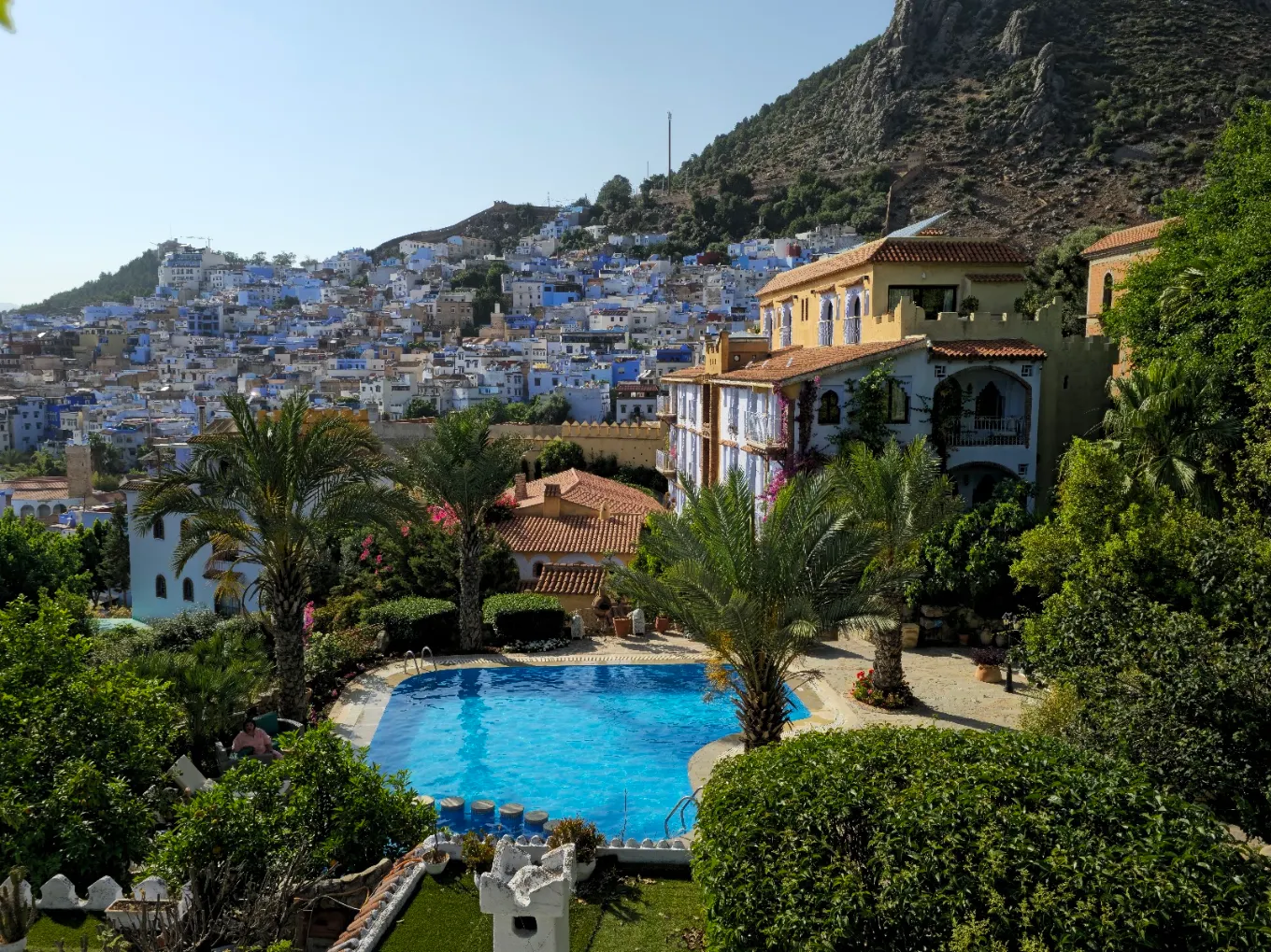
Chefchaouen sits in the Rif mountains in northern Morocco, and its history helps explain why are the houses in Chefchaouen blue. The town was founded in the 15th century as a fortress, and later many Muslim and Jewish families arrived from Andalusia, bringing architecture, crafts and food that you can still notice today.
When visitors ask why are the houses in Chefchaouen blue, they often assume there is a simple written record. In fact, most explanations come from oral stories, local memory and travel writing, so they should be read as traditions and not as proven facts.
The medina is small, with steep lanes, stairs and arches. It is easy to walk, and the blue colour gives it a calm, cool mood, even on bright days.
1. Blue as the Colour of Sky and Heaven
One popular explanation of why are the houses in Chefchaouen blue is spiritual. Blue is the colour of the sky and the sea, and many cultures link it to peace, protection and the divine. People say the walls remind residents of heaven and God.
This idea is easy to feel when you walk the lanes at dawn, when the light is soft and the walls look like a calm lake. It is not a written rule, but it fits the quiet mood of the town.
2. The Story of Jewish Families and Blue Paint
A very common story says that Jewish families who settled in Chefchaouen, including refugees who came in the 20th century, began painting walls blue. In Jewish tradition, blue is linked with the sky, with divine presence and with a thread dyed blue in ritual clothing.
Why are the houses in Chefchaouen blue according to this story? Because the community brought a custom, and neighbours of all faiths later adopted the colour. Historians do not all agree on the dates or the details, and some say the town was blue earlier, or later, than the story suggests.
It is wise to present this as a tradition. It shows the mixed heritage of the town, where several communities lived side by side.
3. Blue to Keep Houses Cool
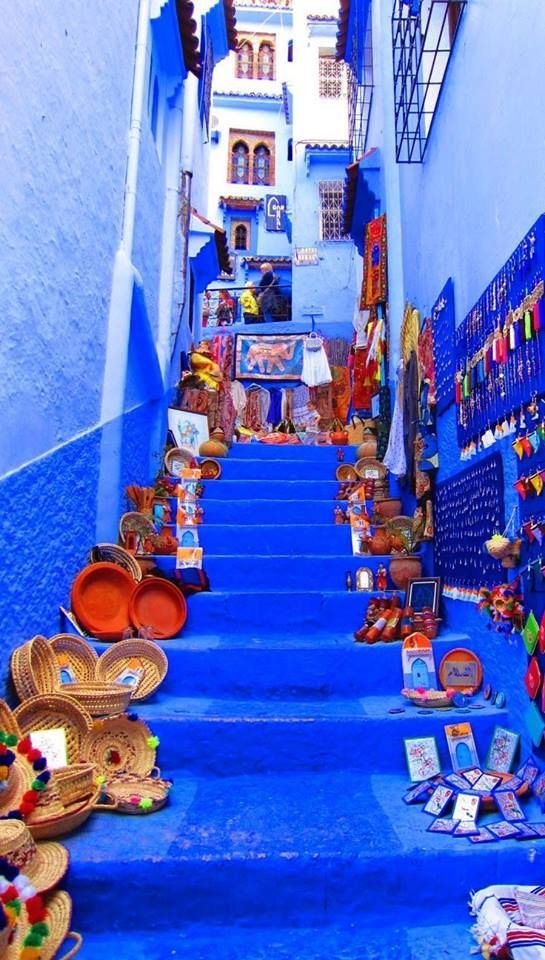
Another answer to why are the houses in Chefchaouen blue is practical. Lime wash is a traditional wall finish in many warm countries, and light colours reflect sunlight. Pale blue can look cooler than dark paint, and lime wash also helps walls breathe.
The mountain climate here is milder than in the plains, but summers can still be hot, which is why many people link the climate to why are the houses in Chefchaouen blue. Light-coloured walls in narrow lanes help the town feel fresh. This explanation is simple and believable, though it does not prove why blue was chosen over white.
4. Blue and Insects
A frequent belief says the blue colour helps repel mosquitoes and other insects. Some accounts say lime wash was mixed with a mineral additive that insects dislike. Locals mention it often, and many visitors repeat it.
Why are the houses in Chefchaouen blue if the insect idea is true? Because the wash had a practical use, and the colour became a habit. Still, there is no strong public evidence that blue itself stops insects, so treat it as a popular belief.
Whatever the truth, a clean lime-washed wall is healthy and bright, and it is easy to renew every year.
5. Tourism and the Image of the Town
In recent decades, the blue town has become famous around the world. Photographs, travel blogs and films spread its image, and many residents and shops keep the colour fresh because visitors love it.
So why are the houses in Chefchaouen blue today? Partly because blue is now the brand of the town. Some owners repaint to keep the streets beautiful, and local authorities support the tradition. This does not mean the colour is fake, only that it is cared for, like a living heritage.

6. Community Pride and Daily Care
Residents often paint their own walls and steps, sometimes together with neighbours. A fresh coat of lime wash brings light into narrow lanes, and people like to keep their street clean and pretty.
This daily care is part of why are the houses in Chefchaouen blue year after year. Colour is not only history, it is also a habit of the community. When you see someone sweeping a step or repainting a wall, you are seeing the tradition alive.
7. A Mix of Reasons, Not One Secret
The most honest answer to why are the houses in Chefchaouen blue is that several reasons overlap. Spiritual meaning, community traditions, practical use and modern pride may all play a part.
That is why guides, hosts and shop owners often give different answers. Each one is a piece of the story. Listen kindly, compare what you hear and enjoy the diversity of explanations.
How the Walls Are Painted
Traditional walls are painted with lime wash, a mix of slaked lime, water and pigment, and this craft is a practical part of why are the houses in Chefchaouen blue. It is applied by brush in several thin coats. Lime wash fades with sun and rain, so houses need renewing regularly.
Today, some owners use modern paints, and the shades vary from sky blue to deep indigo. Steps, doorways and walls may have different tones, which gives the lanes their layered look.
If you are curious, ask a local painter or craft seller how the colour is made. Many are happy to show tools and explain the process.
The Many Shades of Blue
Look closely and you will see more than one blue. Some walls are pale turquoise, others are soft violet-blue, and some are deep, almost navy. The light changes them during the day, from cool morning tones to warm evening colours.
Doors, windows and steps are often accented with white, green or yellow. Flowerpots and hanging plants add contrast. This is part of why are the houses in Chefchaouen blue but never boring.
Are There Other Blue Towns?
Yes. Several places in the world have blue-painted houses, for different reasons, and Chefchaouen is the best known in Morocco, so the question why are the houses in Chefchaouen blue often leads to comparisons. Comparing them shows that blue has been chosen for beauty, faith and climate in many cultures.
Within Morocco, nothing else matches the full blue medina. For more places to visit, browse all Morocco tours and read how to organize a trip to Morocco.
Visiting the Blue City
Chefchaouen is about two to three hours from Tangier, around four hours from Fes and about five hours from Casablanca by road. A private driver-guide is the easiest way to arrive. See 2 days from Casablanca to Chefchaouen for a ready route.
Plan at least one day. Walk the medina in the morning, relax in the main square, visit the kasbah, taste local cheese and climb to the Spanish Mosque viewpoint for sunset. Knowing why are the houses in Chefchaouen blue makes every lane more meaningful.
Wear comfortable shoes, because the stones are steep and smooth. Bring a light layer for the evening and a water bottle.
Best Season to See the Blue
Spring and autumn are the best seasons to see why are the houses in Chefchaouen blue, with clear light and mild weather. Early morning and late afternoon give the best colours, while midday can be bright and busy. After rain, the walls look deeper, and the town feels calm.
Winter can be cool and misty, with fewer visitors. Summer is lively, with warm days and cool evenings. Check travel to Morocco 2027 for planning notes.
Respect, Photos and Local Life
Chefchaouen is a living town, not a film set. People live behind those blue doors, so keep your voice low, do not enter private doorways and ask before photographing residents. Dress modestly and greet people politely.
Buy crafts from local sellers, eat in small family places and tip fairly. Responsible habits help keep the town beautiful for the next visitor, and they answer the question why are the houses in Chefchaouen blue with respect for those who maintain the colour.
For general advice, read is Morocco safe to travel.
Common Mistakes to Avoid
The most common mistake is repeating one story as a fact. Another is arriving at midday and leaving before the best light. A third is walking in smooth shoes on steep stones.
Others include photographing people without asking, climbing on walls and expecting an empty town in peak season. Plan early starts, slow walks and respectful photography.
Finally, do not look only for the perfect picture. Sit in a cafe, talk with locals and enjoy the calm, because the best answer to why are the houses in Chefchaouen blue is often a feeling.
Myths and Facts About the Blue City
You may hear that the whole town was painted blue by a single decision or in one year. There is no clear proof of this. You may also hear that every house is blue, but some walls are white, green or natural stone, especially outside the old medina.
Another myth is that the blue paint is only for tourists. Tourism helps today, but locals also keep the tradition for their own pleasure. The most useful answer to why are the houses in Chefchaouen blue is open and humble: we know the colour matters, and we know several reasons add up.
If you want to go deeper, visit the kasbah museum, talk to craftspeople and read local history in the town.
Why Are the Houses in Chefchaouen Blue? What Locals Say
If you ask ten people why are the houses in Chefchaouen blue, you may hear ten answers. A shop owner may talk about family tradition. A guide may mention the sky. An older resident may remember the smell of fresh lime wash in spring.
These conversations are part of the visit. Ask politely, listen without arguing and thank them for their time. You will learn more from a short chat in a lane than from a long article.
Questions to Ask a Local Host
Try simple questions: Who paints your street? How often do you renew the colour? Which shade do you like best? What did your grandparents say about why are the houses in Chefchaouen blue?
Many hosts are proud to share. Some will show you old photographs, tools or a freshly painted wall. A small purchase or a tip is a kind way to say thank you.
Take a Walking Tour
A short walking tour with a local guide gives context to every corner. You learn where Andalusian families settled, why the lanes bend and which doors are the oldest. It is also a good way to understand why are the houses in Chefchaouen blue in different districts.
Choose a guide who agrees the price and duration in advance, and who respects residents. Ask your hotel for a trusted name, or book with a private driver-guide who knows the town.
A Simple Plan to See the Blue Town
With one day, start early and keep the order simple. Walk the medina at 8:30, have coffee in the main square, visit the kasbah and garden, eat lunch with goat cheese and bread, walk to the spring at the edge of the town and finish at the Spanish Mosque for sunset.
This plan gives you time to enjoy the colours and to think about why are the houses in Chefchaouen blue while you walk. For a full hour-by-hour version, read what to do in one day in Chefchaouen.
If you have two days, add a hike, a slow breakfast and a visit to local weavers. The second morning in the quiet lanes is often the best part of the trip.
Pair It With Other Cities
Many travellers combine Chefchaouen with Tangier, Fes or Casablanca. The town works well as an overnight stop on the way between the coast and the imperial cities. See what can I see and do in Casablanca in one day if you begin on the Atlantic coast.
Whatever route you choose, give the blue town enough time. People who rush often leave without feeling the mood, while those who stay slowly understand why are the houses in Chefchaouen blue in a deeper way.
Blue as Culture, Not Only Colour
For many residents, the colour is part of a shared identity. It appears on doors, steps, shop signs and craft products. Weavers, painters and photographers use it in their work, and visitors take it home in pictures and souvenirs.
That is why the question why are the houses in Chefchaouen blue is never only about paint. It is about memory, community, faith, climate and pride, all expressed in a simple wash of colour.
A Gentle Final Thought
Next time you stand in a blue lane, look up and notice the sky between the walls. Whatever the original reason, the effect is calm and beautiful. That calm is the best answer to why are the houses in Chefchaouen blue, and it is a good reason to visit.
If you want help planning the trip, send us your dates and interests. We arrange private driver-guides, comfortable stays and a pace that leaves time to enjoy every lane.
Frequently Asked Questions
Why are the houses in Chefchaouen blue?
There is no single proven reason. Popular explanations include the sky and spirituality, Jewish traditions, cooler walls, insect control and the town’s later image for visitors.
When did the town become blue?
Accounts differ. Some stories point to the 20th century, but the exact date is not clearly documented.
Is the whole town blue?
Mostly the old medina. Other areas have white and natural colours.
Is the blue paint repainted often?
Lime wash fades, so many owners renew it regularly.
What is the best time to see the colours?
Early morning and late afternoon, in spring or autumn.
Can you help me plan a visit?
Yes. Send your dates and the number of travellers on WhatsApp at +212 682 832 176 or through our contact page, and we will arrange a private plan.
Visit the Blue City With Us
Tell us your dates and interests. We arrange a private driver-guide and a calm route, so you can enjoy the lanes and learn why are the houses in Chefchaouen blue on the spot.
Leave a Reply