Marrakech Tourism: Best Things to Do, Top Attractions, Culture and Practical Travel Guide
Marrakech tourism is one of the main reasons visitors come to Morocco. The Red City mixes a UNESCO-listed medina, royal palaces, lush gardens, lively souks and a food scene that goes from street stalls to fine riad dining. It is also an easy base for the desert, the mountains and the Atlantic coast, which is why Marrakech tourism works for both short and long trips.
This guide explains Marrakech tourism from a local point of view. You will find the top attractions, the culture and customs, the best seasons, the events, where to stay, how to get around, how to travel responsibly and the practical details that make a trip smooth. It is written for first-time visitors and for returning travellers who want to go deeper.
If you already know the basics and want a day-by-day plan, jump to our Marrakech travel itineraries. For a shorter list of highlights, read what should I not miss in Marrakech.
Marrakech Tourism: The Short Answer
| Topic | What to know |
|---|---|
| Best known for | Medina, souks, palaces, gardens, food |
| Best seasons | March to May and September to November |
| Ideal stay | 3 to 5 days |
| Where to stay | A riad in or near the medina |
| Language | Arabic, Berber, French; some English |
| Currency | Moroccan dirham |

Why Marrakech Tourism Keeps Growing
Morocco welcomes many millions of visitors each year, and Marrakech is among its most visited cities. The reasons are easy to see. The city has a clear identity, a short flight time from Europe, a warm climate and a rich mix of heritage and modern comfort. That mix is the secret of Marrakech tourism: few places let you walk through a medieval market in the morning and relax by a design hotel pool in the afternoon.
Marrakech tourism also suits many types of traveller. Couples find romantic riads and sunset terraces. Families enjoy the gardens, the camels and the food stalls. Friends join cooking classes and spa days. Culture lovers explore the museums, the mosques from the outside and the craft workshops. Active visitors use the city as a base for trekking in the Atlas and quad rides in the palm grove.
A Short History of the Red City
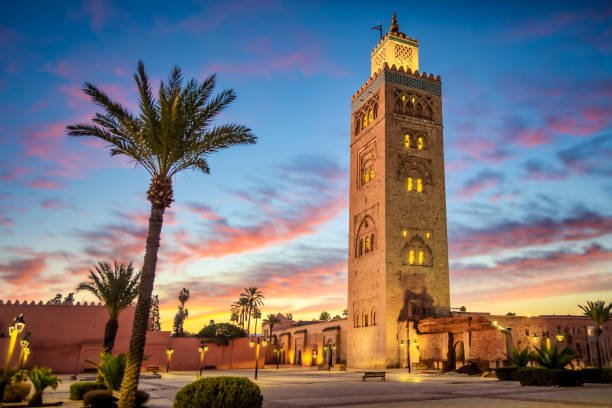
Marrakech was founded around 1070 by the Almoravid dynasty, and it quickly became a capital of a large empire that stretched across North Africa and Spain. Later dynasties, including the Almohads and the Saadians, added mosques, gardens, palaces and walls, and left the monuments that visitors admire today.
The medina, with its walls, gates and lanes, is listed by UNESCO as a World Heritage Site. Understanding a little of this history makes Marrakech tourism much richer, because you see why a minaret, a palace or a gate looks the way it does.
Top Attractions in Marrakech Tourism
Every visit to Marrakech includes a handful of famous places, and they form the core of Marrakech tourism. They are popular for good reasons, so plan them early in the day and give each enough time.
| Attraction | Why go | Time needed |
|---|---|---|
| Jemaa el-Fna | The great square, with food stalls and performers | 1 to 2 hours |
| Koutoubia Mosque | The 12th-century minaret and gardens | 30 minutes |
| Bahia Palace | Painted ceilings and courtyards | 1 hour |
| El Badi Palace | Ruins with storks and views | 1 hour |
| Saadian Tombs | Carved royal tombs | 45 minutes |
| Ben Youssef Madrasa | Decorated Quranic school | 45 minutes |
| Majorelle Garden | Blue villa, cacti and bamboo | 1.5 hours |
| Menara Gardens | Pool, olive trees and Atlas views | 1 hour |
Jemaa el-Fna is the beating heart of Marrakech tourism. By day it is a calm space with orange juice carts and snake charmers. At sunset, the food stalls open, smoke rises, and storytellers, musicians and acrobats gather. Visit it twice, once in daylight and once at night, and keep your bag in front of you.
The Medina and the Souks
The old city is a maze of lanes, courtyards and workshops, and getting a little lost is part of the pleasure. The souks are divided by craft: leather, metal, wool, spices, lamps, carpets, ceramics and slippers. Each area has its own sounds and smells, from hammering copper to fresh mint.
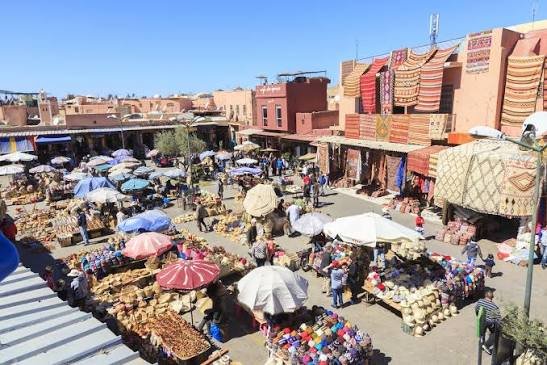
Bargaining is normal. Decide what you like, offer a lower price and negotiate with a smile. Visit with a trusted guide the first time, because the lanes confuse most people and fake guides are common. A good guide also takes you to artisan workshops where you can see the work and understand the price.
Gardens, Museums and Quiet Spaces
The busy medina is balanced by calm places. The Majorelle Garden was created by the painter Jacques Majorelle, who used a strong cobalt blue that is now famous worldwide, and was later restored by Yves Saint Laurent and his partner. Nearby you can visit the Yves Saint Laurent Museum and the Berber Museum. The Menara Gardens and the Agdal Gardens offer shade and wide views.
Other quiet stops include Le Jardin Secret, a restored riad garden in the medina, the Maison de la Photographie, and the Museum of Marrakech in an old palace. Mixing quiet stops with busy ones is the secret of good Marrakech tourism, because it keeps the day comfortable.
Culture and Customs
Marrakech is a Muslim city with a strong Berber and Arab heritage, and people are generally warm, curious and polite. The call to prayer is heard five times a day, and it adds to the atmosphere. Good Marrakech tourism starts with a smile. Learn a few words, such as salam for hello, shukran for thank you and la shukran for no thank you, and you will receive many smiles.
- Dress: loose clothes that cover shoulders and knees are respectful and more comfortable.
- Photos: ask permission before photographing people, especially women and children.
- Mosques: most are closed to non-Muslims, except a few such as those with special visitor access.
- Ramadan: avoid eating and drinking in public in the day, although tourist cafés stay open.
- Tea: accepting mint tea is a sign of respect.
Respect for these habits is an important part of responsible Marrakech tourism, and it makes meetings with local people easier. For safety advice, read our honest guide: is Morocco safe to travel.
Food and Drink
Food is a major draw for Marrakech tourism. Try tagines of lamb, chicken or vegetables, couscous on Fridays, pastilla, grilled kefta and harira soup. The stalls of Jemaa el-Fna serve grilled meat, snails, sheep’s head and fresh salads for those who dare. In cafés, order mint tea, fresh orange juice and Moroccan pastries.
For a deeper look, take a cooking class. You visit a market, choose ingredients and cook a full meal in a riad kitchen. Hygiene is generally good in busy places. Choose restaurants and stalls with a crowd, eat hot food and drink bottled water.
Festivals and Events
Marrakech tourism is not only about monuments, because the city hosts cultural events throughout the year. They change from year to year, so check dates before you book. Film, music, art and sport are all represented.
- Film: an international film festival has long been held in the city in late autumn.
- Art: contemporary art fairs and exhibitions appear in galleries, especially in winter.
- Sport: a marathon and golf events attract visitors in the cooler months.
- Religious festivals: Eid and the month of Ramadan change the rhythm of the city.
Marrakech Tourism for Families, Couples and Solo Travellers
Families like Marrakech tourism because there is always something to see. Children enjoy the horse carriages, the orange juice carts, the Menara pool and the camels in the Agafay desert. Plan short mornings, a long lunch and a pool break in the afternoon, and carry water and snacks.
Couples find Marrakech tourism romantic and relaxed, with rooftop dinners, hammams for two, candlelit courtyards and desert sunsets. Solo travellers meet others in riads, cooking classes and small group tours, and the city has many cafés where it is easy to sit alone and watch life pass.
Hammams, Spas and Wellbeing
Few experiences are as Moroccan as a hammam. In this traditional steam bath you are washed with black soap, scrubbed with a glove and often finished with a massage. Public hammams are authentic and simple, while riad and hotel spas offer privacy, scents and calm.
Wellbeing is a growing part of Marrakech tourism. Many riads offer yoga, massages and argan oil treatments, and some spas use rose water, orange blossom and clay from the Atlas. Add one hammam to any stay of three days or more, since it restores tired legs after the souks.
Shopping and Crafts
Marrakech tourism is closely linked to craft shopping. The medina has been a trading city for nearly a thousand years, and the souks still sell leather bags, slippers, brass lamps, woven baskets, rugs, ceramics, spices and argan oil. Buy what you love, compare prices and be ready to bargain with a smile.
For quality work and calm browsing, visit artisan cooperatives and design shops in Gueliz and the medina. Ask where an item was made, and avoid buying products made from endangered species or protected fossils. A purchase from a local craftsperson supports a family and keeps traditions alive.
Where to Stay in Marrakech
The choice of accommodation shapes your Marrakech tourism experience. Riads are traditional houses around a courtyard, with a small pool and a rooftop terrace. They are quiet, personal and ideal for couples and small groups. The best are inside the medina, within walking distance of the main sights.
For more comfort and space, consider hotels in Gueliz and Hivernage, where you find larger pools, restaurants and easy parking. Families with young children often prefer these districts. Resorts and villas in the Palmeraie offer a quiet, green setting, with a short drive to the centre. Read recent reviews and ask about the nearest taxi drop-off.
Getting to Marrakech and Moving Around
Marrakech Menara Airport has direct flights from many European cities, and trains connect Marrakech to Casablanca and other cities. The journey from Casablanca takes about three hours by train. Roads from Agadir, Essaouira and Ouarzazate are good and are often used by private drivers, which makes Marrakech tourism easy to combine with other regions.
Inside the city, walk in the medina and use petit taxis for longer distances. Agree on a fare or make sure the meter is on. Private drivers are the easiest option for families and for day trips, and they give you air conditioning and local knowledge.
Best Time for Marrakech Tourism
Spring, from March to May, and autumn, from September to November, are the best seasons, with warm days and mild evenings. Summer is hot, often above 38 degrees, so plan indoor visits at midday. Winter has sunny days but cold nights, and the Atlas can be covered in snow. Our guide to the best month to go to Marrakech compares the seasons in detail.
Day Trips from Marrakech
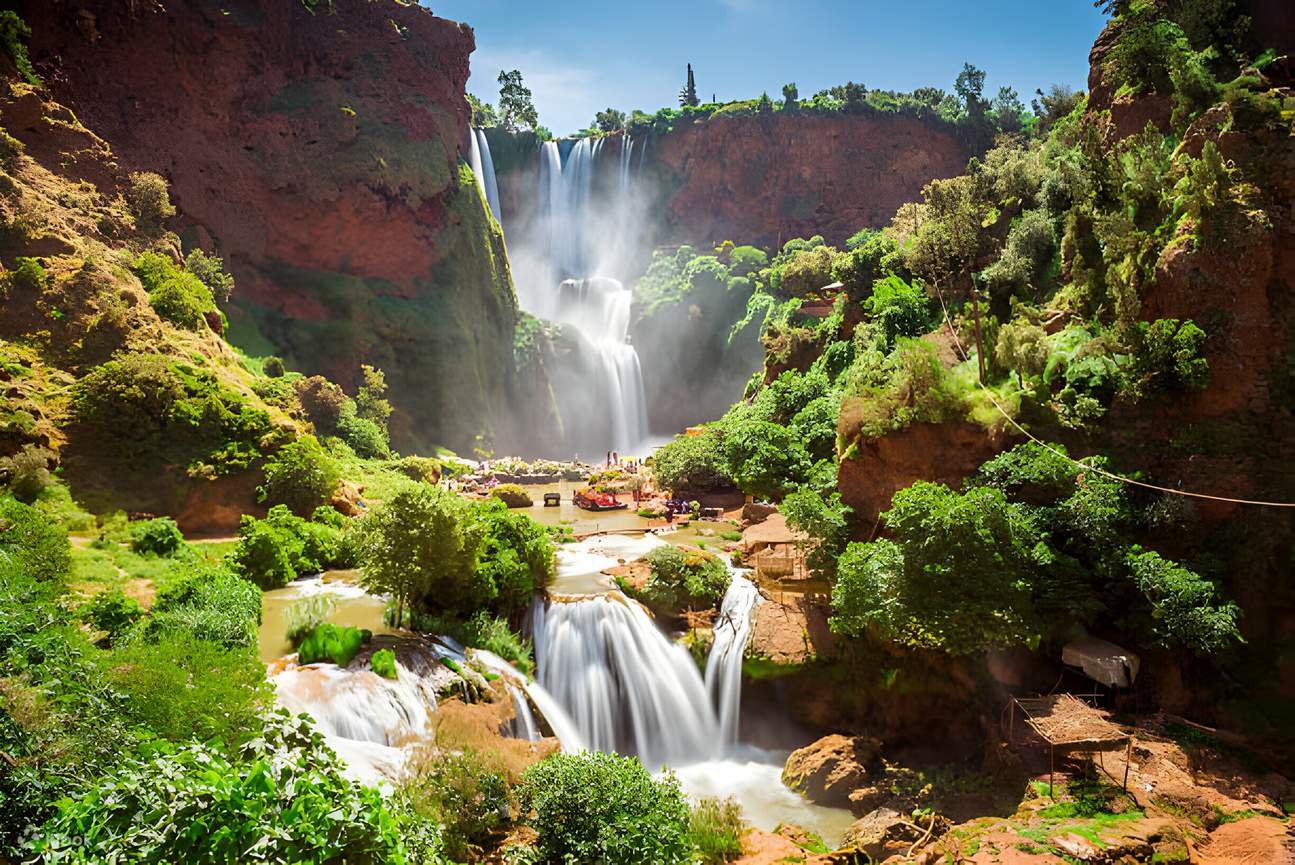
Part of the appeal of Marrakech tourism is how easy it is to leave the city for a day. The Agafay desert offers stony desert views and a sunset dinner, the Ourika Valley gives you mountain air and Berber villages, and the Ouzoud waterfalls are a highlight for nature lovers.
For a longer excursion, take the day trip to Ait Benhaddou and Ouarzazate or a multi-day desert tour such as the 3 days from Marrakech to Merzouga. More ideas are listed in our Morocco day trips page.
Responsible and Sustainable Tourism
Marrakech tourism supports thousands of families, from guides and drivers to artisans and market sellers. You can make your trip better for the city by choosing local businesses, paying fair prices for crafts, respecting customs and avoiding harmful activities. Do not ride animals that look thin or mistreated, and avoid photographing performers without a small tip.
Water is precious in a dry region, so use it carefully, bring a refillable bottle and avoid single-use plastic where you can. Choose riads and operators who employ local staff, treat animals kindly and care about waste. Good Marrakech tourism leaves a place better than you found it.
Practical Tips for Visitors
- Documents: check your visa and passport rules with your government before you travel.
- Money: carry small dirham notes for tips, taxis and snacks.
- Phone: buy a local SIM or eSIM and download offline maps.
- Tipping: small tips are normal in cafés, for guides and for drivers.
- Heat: rest at midday and drink water often.
- Safety: keep a zipped bag in front, ignore pushy offers and use a trusted guide.
To turn these ideas into a plan, see our Morocco itineraries page or all Morocco tours.
Frequently Asked Questions
What is Marrakech tourism best known for?
It is best known for the old medina, Jemaa el-Fna square, the palaces, the Majorelle Garden, the souks and the food.
How many days do I need for Marrakech tourism?
Three days is a good first visit. Two days is enough for the highlights, and five days lets you add day trips and rest.
When is the best time to visit Marrakech?
March to May and September to November have the best weather. Summer is hot and winter nights are cold.
Is Marrakech good for families?
Yes. Children enjoy the gardens, the square, the camels and the food, and many riads have pools.
Do I need a guide in Marrakech?
A guide is useful for the first morning in the medina, and a private driver-guide makes day trips easier.
How can I plan my Marrakech tourism trip with you?
Send your dates and group size on WhatsApp at +212 682 832 176 or through our contact page, and we will prepare a private plan.
Ready to Plan Your Marrakech Tourism Trip?
Tell us your dates, group and interests. We will design a private, flexible plan with a trusted guide and driver, so you can enjoy Marrakech tourism without stress.
Leave a Reply