Morocco Visa Requirements: Ultimate Guide to 10 Best Entry Tips
Morocco visa requirements depend mainly on your passport. Citizens of many countries can enter without a visa for tourism and stay up to 90 days, while others must apply for a visa or an electronic visa before they travel. Your passport must also be in good condition and valid long enough.
This guide explains Morocco visa requirements in simple steps: who needs a visa, passport validity, the e-visa, what to carry at the border, how to extend a stay and how to avoid common mistakes. Rules can change, so always confirm with official sources before you book.
Planning the rest of your trip? Browse Morocco itineraries and all Morocco tours.
Morocco Visa Requirements: The Short Answer
| Question | Short answer |
|---|---|
| Visa-free stay | Up to 90 days for many nationalities |
| Passport validity | At least 3 months after arrival, 6 months is safer |
| Visa on arrival | Do not count on it, check first |
| E-visa | Available for eligible nationalities, apply online |
| Extension | Request at a local police station |
Who Needs to Check Morocco Visa Requirements?
Everyone should check Morocco visa requirements and the current Morocco visa requirements list, even if they travelled here before. Rules for each nationality can change, and a short check avoids problems at the airport. A visa-free passport can still be refused when it is damaged or too close to expiry.
Three groups of travellers are common. The first has visa-free access for up to 90 days. The second needs a visa from a consulate or an e-visa. The third wants to work, study or stay long, and must follow special procedures. This guide focuses on tourists.
For a shorter answer to a common question, read do I need a visa for Morocco.
1. Passport Validity and Condition
Passport rules are the first of the Morocco visa requirements, and the most common reason for problems with Morocco visa requirements. The UK government says your passport must have an expiry date at least three months after your arrival date. Other countries may state longer periods, and many airlines prefer six months. Six months is the safest choice.
The condition of the passport matters too. Damaged pages, a torn cover or water marks have led to refused entry. If your passport looks worn, renew it before you travel. Read the official UK entry requirements for Morocco for current wording.
- Check the expiry date at least two months before the trip.
- Make sure there are two blank pages for stamps.
- Carry a photocopy and a digital copy of the photo page.
2. The 90-Day Visa-Free Stay
The most useful of the Morocco visa requirements for tourists is the visa-free stay. Many nationalities can enter for up to 90 days for tourism, and the stamp on arrival shows your permitted stay. Count your days carefully, especially if you travel on a long itinerary.
Visa-free access under Morocco visa requirements is for tourism only. Work, study and paid activities need other permission. If you plan a longer stay, for example a long remote trip, speak to the consulate first.
For trip length ideas, read how many days in Morocco is enough. Most visitors spend one to three weeks, far below the limit.
3. Countries That Need a Visa
Not all passports are visa-free. Morocco visa requirements list a number of countries whose citizens must apply for a visa before arrival. The process may involve an online form, a passport copy, a photo, proof of accommodation, a return ticket and sometimes a bank statement.
The exact list is long, and it changes, so we do not copy it here. Use the official Moroccan government portal or your nearest consulate, and ask for a written confirmation. If you travel with a tour team, send your nationality early so we can advise on timing.
| Step | What to do |
|---|---|
| 1 | Check your nationality on an official source |
| 2 | Decide the dates of arrival and departure |
| 3 | Prepare passport, photo, ticket and hotel details |
| 4 | Apply at the consulate or online if eligible |
| 5 | Print the approval and keep it with your passport |
4. The Moroccan E-Visa
The e-visa is a modern part of Morocco visa requirements for eligible nationalities. You apply online, upload documents and pay the fee, then receive approval by email. A short stay, usually up to about 30 days, is typical for tourism, but confirm the current rules on the official portal.
Use only the official government website. Many copycat sites charge extra and add no value. Apply a few weeks before your trip, and save the approval on your phone and on paper.
- Check eligibility before you start the form.
- Use a photo that matches your passport rules.
- Enter names exactly as written on the passport.
- Keep the confirmation email.
5. Documents to Carry at the Border
Even when Morocco visa requirements are simple, officers may ask a few questions, and Morocco visa requirements include having your papers ready. Carry your passport, a return or onward ticket, the address of your first night and a phone number. Some officers also ask about the purpose of your trip.
- Passport with valid dates.
- Return or onward ticket.
- Hotel booking or tour confirmation.
- Travel insurance details.
- A local phone number for your host or tour team.
You will also fill in or receive an arrival form in some cases. Write clearly and use the same address as your booking. Keep the departure stamp area clear, because officers need a space to stamp.
6. Arriving by Air
Morocco visa requirements apply at every entry point. Most visitors arrive by air in Marrakech, Casablanca, Fes, Agadir, Tangier or Rabat. At the airport, join the passport queue, show your passport and answer simple questions. The officer stamps your passport, and you collect your bags.
Airports can be busy in the morning and at holiday times, so allow time for queues. If a driver is meeting you, give them your flight number. Our team monitors flights and waits at the exit when you book a private transfer.
7. Arriving by Ferry From Spain
Many travellers cross from Spain to Tangier or Tanger Med by ferry. Passport control happens on board or at the port, and the same Morocco visa requirements apply. Keep your passport handy, and expect checks of luggage and vehicles.
If you bring your own car, you need the vehicle papers, insurance and a temporary import permit. Do not accept help from strangers at the port. Official staff and your own booking documents are all you need.
Read things to do in Tangier if you arrive in the north.
8. Children and Families
Children follow the same Morocco visa requirements and need their own passports. The UK government notes no special child rules, but travellers from polio-affected countries may need a vaccine certificate. If a child travels with one parent or another adult, carry a letter of consent and birth certificates as a precaution.
Families should also check seat arrangements on long road trips and carry snacks and entertainment for the car. Our Morocco private tours are flexible for families.
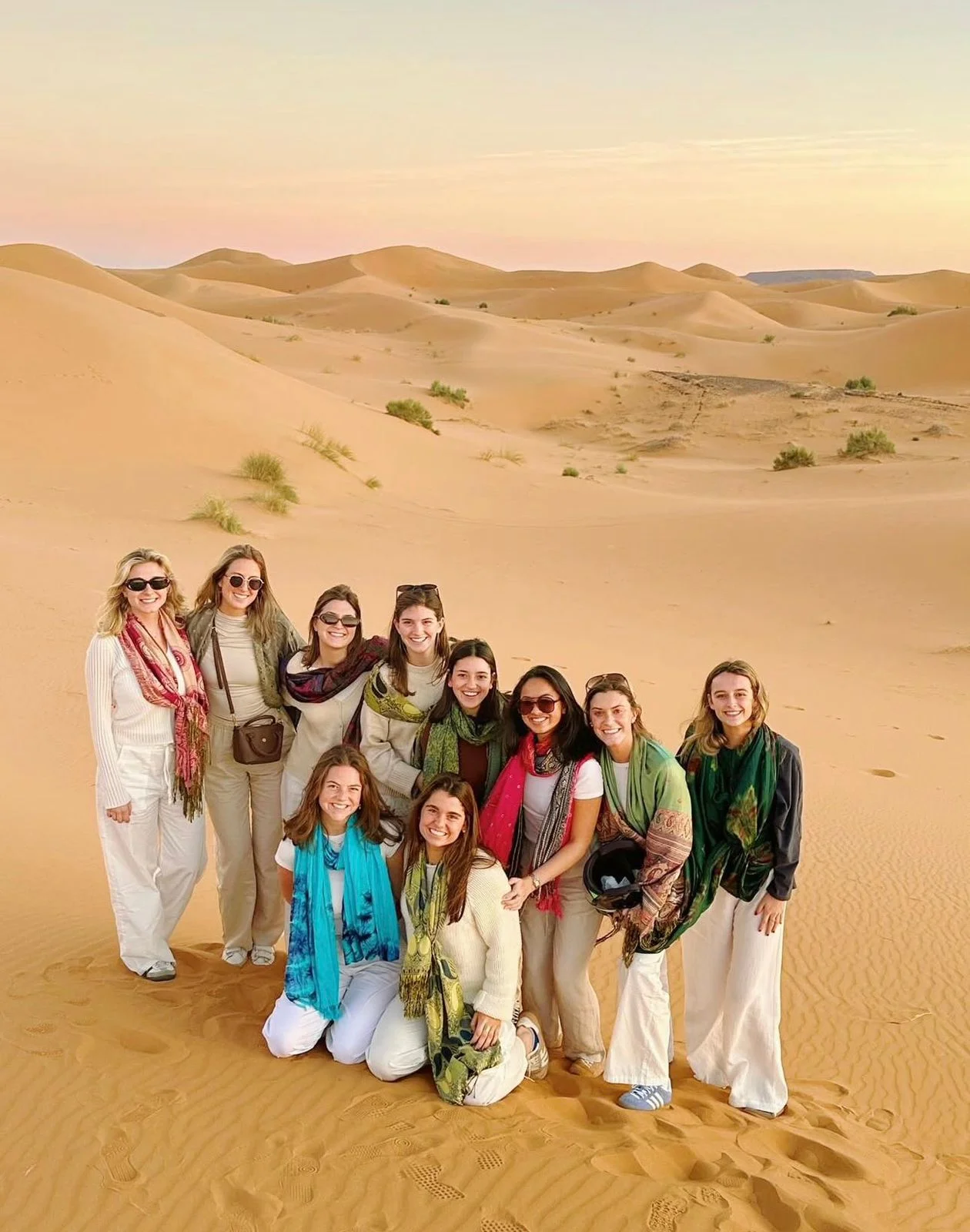
For school and student groups, see student travel Morocco.
9. Money, Customs and Prohibited Items
Morocco visa requirements are separate from customs rules, but both matter at arrival. You must declare foreign currency worth 100,000 dirhams or more when you enter or leave, according to the UK government page. The dirham is hard to exchange outside Morocco, so spend or exchange what you do not need before you leave.
Declare items that may be taxed or restricted, such as drones, professional camera equipment or large amounts of goods. Drugs are illegal. Do not carry packages for strangers.
For shopping ideas and limits, read what can you bring back from Morocco.
10. Extensions and Overstays
If you wish to stay longer than the permitted period, ask for an extension before the stamp expires. The UK government advises that you request an extension at a Moroccan police station. Bring your passport, photos and proof of accommodation.
Breaking Morocco visa requirements by overstaying can cause fines, delays at the airport and problems on future visits. Count your days from the entry stamp, and set a reminder on your phone. When in doubt, ask your hotel or tour team for help.
Many travellers solve this by planning a clear route and leaving on time. See our Morocco travel package guide for plans that fit your dates.
Health, Vaccines and Insurance
Insurance is not one of the Morocco visa requirements for most visitors, but it is essential. Choose a policy with medical cover, theft protection and activities such as quad biking and camel rides. Ask your doctor or travel clinic about routine vaccines and any advice for your trip.
Carry regular medicines in their original packs, with a copy of any prescription. Drink bottled water and wash your hands often. For food advice, read what not to eat in Morocco.
For a wider safety view, read is Morocco safe for tourists.
Desert and Regional Travel
Inside Morocco, the Morocco visa requirements do not change when you move between regions. You will see police checkpoints on the road, especially in the south, and drivers may ask to see passports or copies. Keep your passport in your day bag, and a copy in your luggage.
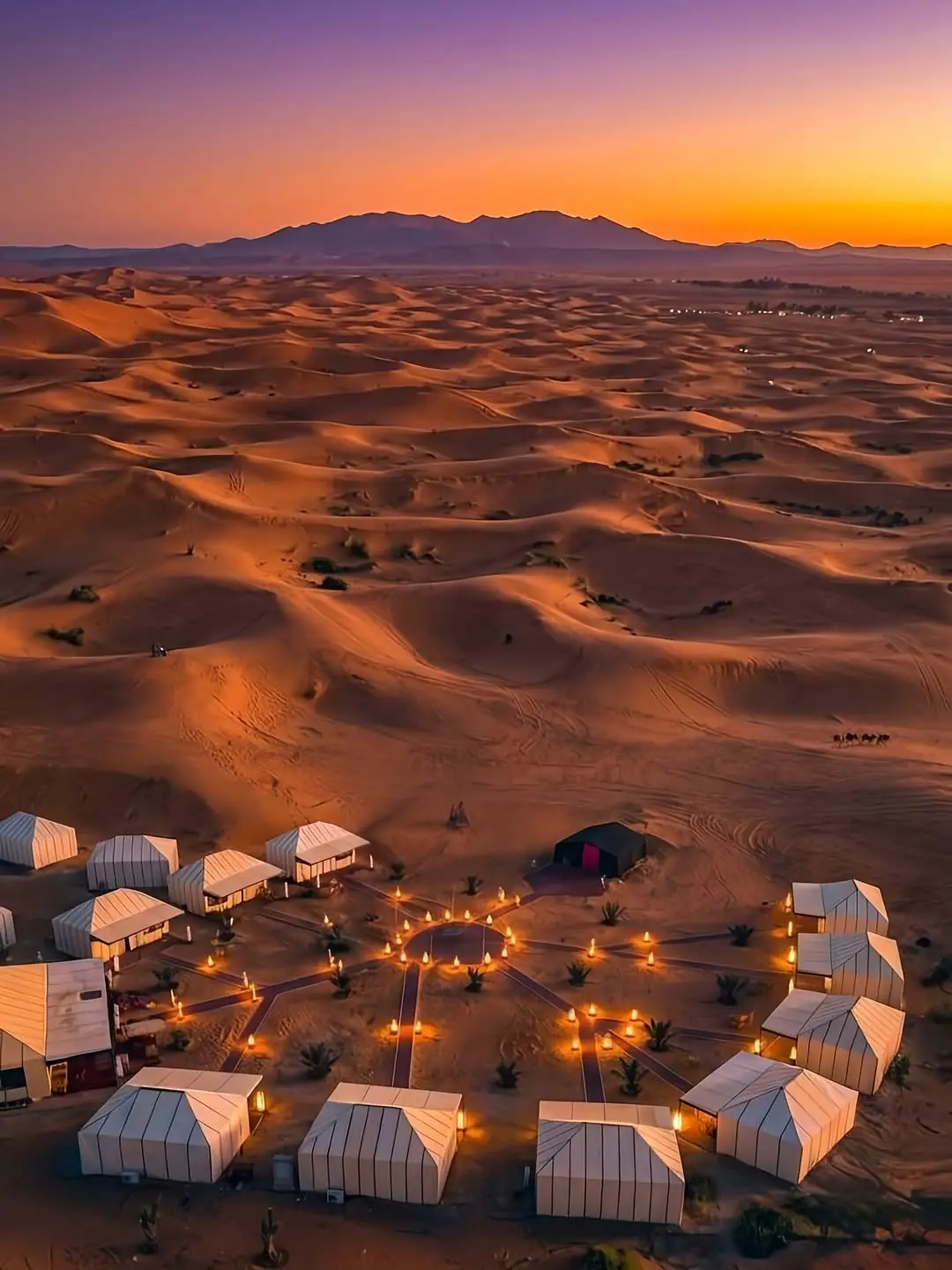
A trip to the Sahara is easy once you have entered the country. For route ideas, see Marrakech to Merzouga desert tour 3 days and Merzouga desert tour.

If you plan to cross into other regions or countries, check land border rules and open crossings first. Some borders are closed, so never assume you can enter or leave overland.
A Simple Timeline for Your Documents
| When | What to do |
|---|---|
| 3 months before | Check passport expiry and renew if needed |
| 6 to 8 weeks before | Check Morocco visa requirements for your nationality |
| 4 to 6 weeks before | Apply for a visa or e-visa if you need one |
| 2 weeks before | Print documents and buy insurance |
| 1 week before | Save digital copies and confirm transfers |
| At the airport | Passport, ticket, booking, local phone number |
Mistakes to Avoid
The most common mistake with Morocco visa requirements is to check the passport date too late. Another is to use unofficial websites for the e-visa and pay extra fees. A third is to forget a return ticket, which officers may ask to see.
Also avoid planning a stay that is longer than the permitted period without asking for an extension. Do not rely on old forum posts, because rules change. Finally, do not book non-refundable trips before you confirm your document needs.
Local Tips From Our Team
- Check twice: once when you book and once before you fly.
- Use official sources: government websites and consulates.
- Keep copies: paper and digital.
- Arrive rested: airport queues can be long.
- Ask us: our team can share what travellers report at the airport.
Travellers often write to us about Morocco visa requirements a few days before their flight. We always say the same thing: start early, use official sources and keep your documents together. For more planning help, read how do you organize a trip to Morocco, and visit our Morocco travel page.
Morocco Visa Requirements by Type of Traveller
Morocco visa requirements are not the same for every kind of trip. A tourist, a student, a remote worker and a business traveller each have different needs. Use these short notes as a starting point, and confirm every detail with an official source.
Tourists
For tourists, Morocco visa requirements are the simplest. Many nationalities enter visa-free for up to 90 days, and others use the e-visa or a consulate visa. Keep your hotel or tour booking and a return ticket ready.
Students and Volunteers
Students on a long programme and volunteers usually need documents beyond the tourist rules. Morocco visa requirements for study or unpaid work depend on the school or the organisation, so ask them for written guidance. A short school trip often follows the tourist rules, but check first.
Remote Workers and Long Stays
Many visitors dream of a long stay with a laptop. Morocco visa requirements for a stay beyond the visa-free period involve residence procedures, and tourist status does not allow regular work. Speak to the consulate or a local adviser before you plan a long stay.
Business Travellers
Short business meetings may fit the visa-free rules for some nationalities, but paid work does not. Morocco visa requirements for business depend on your activity, so ask the consulate and your host company for a letter if needed.
Common Myths About Morocco Visa Requirements
Several myths spread online, and they can cause stress. Here are the most common, with short corrections.
- “Everyone gets a visa on arrival.” This is not safe to assume. Check Morocco visa requirements for your passport before you fly.
- “A damaged passport is fine.” Officers can refuse entry for damaged documents.
- “Three months validity is always enough.” Some airlines ask for six months, so follow the strictest rule.
- “The e-visa website is the same as any visa site.” Use only the official portal, not paid copies.
- “I can work online without any status.” Tourist status is for tourism, so ask for advice if you plan a long stay.
Rules change, so do not rely on a post from several years ago. Official government pages and consulates are always better than forums.
What If Entry Is Refused?
Refused entry is rare, but it can happen when documents are missing or damaged. If an officer questions you, stay calm and polite. Show your passport, your booking and your return ticket, and explain the purpose of your visit.
Ask for the reason in writing if possible, and contact your airline and embassy. Having a local phone number ready helps a lot. Our team can confirm accommodation or transfers by message if an officer asks for proof. Good preparation with Morocco visa requirements makes this situation very unlikely.
Keep a printed copy of every document in your hand luggage, because phones can run out of battery. Also keep your travel insurance details, since some policies cover problems caused by a refused boarding.
Final Thoughts on Morocco Visa Requirements
Morocco visa requirements are simple for many visitors: a valid passport, a short stay of up to 90 days and a plan to leave. For other nationalities, a visa or e-visa adds one step, but it is easy with early planning and official sources.
Check your passport, confirm your nationality, keep copies of your documents and travel with a trusted local team. Then you can focus on the real reasons you are going: the medinas, the mountains and the dunes. The Rabat medina and many other sites are UNESCO World Heritage places worth your time.
Send us your dates and group size, and we will build a private route that fits your entry plan.
Frequently Asked Questions
What are the main Morocco visa requirements for tourists?
A passport valid beyond your arrival date, in good condition, and for many nationalities no visa for stays up to 90 days. Others need a visa or e-visa.
How long should my passport be valid?
The UK government states at least three months after arrival. Six months is safer and is often requested by airlines.
Can I get a visa on arrival?
Do not count on it. Check your nationality in advance and apply before you travel if a visa is needed.
Is there an e-visa for Morocco?
Yes, for eligible nationalities. Apply only on the official government portal and keep the approval with your passport.
Can I extend my stay?
You can ask for an extension at a local police station before your permitted stay ends.
Do children need a visa?
Children follow the same Morocco visa requirements as adults and need their own passport.
How can I plan my trip with a local team?
Send your dates and group size on WhatsApp at +212 682 832 176 or through our contact page.
Plan Your Trip After the Paperwork
Tell us your dates and wishes. We will build a private route with a driver-guide, great stays and a night in the Sahara.
Leave a Reply