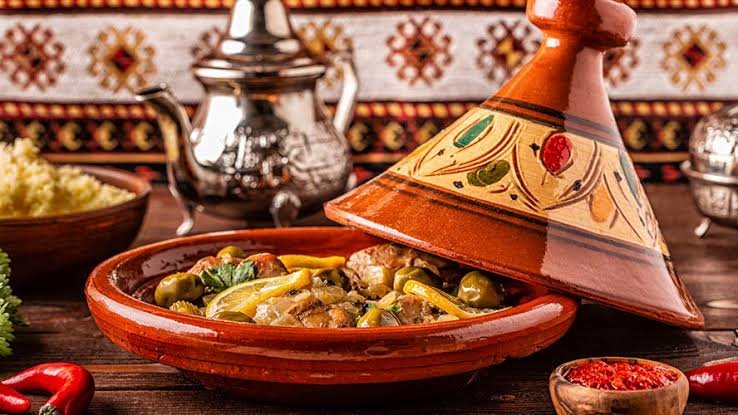
Author: admin

  • Do I Need a Visa for Morocco? Ultimate Guide to 10 Best Entry Tips

    Do I Need a Visa for Morocco? Ultimate Guide to 10 Best Entry Tips

    Morocco · Entry Rules · Passport and Visa Guide

    Do I Need a Visa for Morocco? Ultimate Guide to 10 Best Entry Tips

    Visa-free stays, e-visa, passport rules and a smooth arrival

    Do I need a visa for Morocco? For many travellers, the answer is no. Citizens of about 70 countries, including the USA, Canada, the UK, Australia, New Zealand and EU countries, can normally enter Morocco as tourists without a visa and stay up to 90 days. Other nationalities can usually apply for an online e-visa before they travel.

    This guide explains do I need a visa for Morocco in plain words. You will find who is visa-free, how long you can stay, passport validity, the e-visa, entry stamps, customs, transit and common mistakes, so you can arrive without stress. Rules change, so always confirm with your own government and the official Moroccan sources before you fly.

    When your documents are ready, plan the trip with our how do you organize a trip to Morocco guide and see all Morocco tours.

    Do I Need a Visa for Morocco? The Short Answer

    Quick answer: do I need a visa for Morocco? Most Western tourists do not. About 70 nationalities enter visa-free for up to 90 days, with a valid passport. Others must apply for a visa or an e-visa first. Check your nationality with your government’s travel advice before booking.
    Traveller Visa needed? Usual stay
    USA, Canada, UK, EU, Australia, New Zealand No, for tourism Up to 90 days
    Some other nationalities No, but shorter stay 30 or 60 days
    Nationalities that need a visa Yes, often an e-visa Set by the visa

    This table is a simple guide, not legal advice. Your exact answer to do I need a visa for Morocco depends on your passport, the reason for travel and the date.
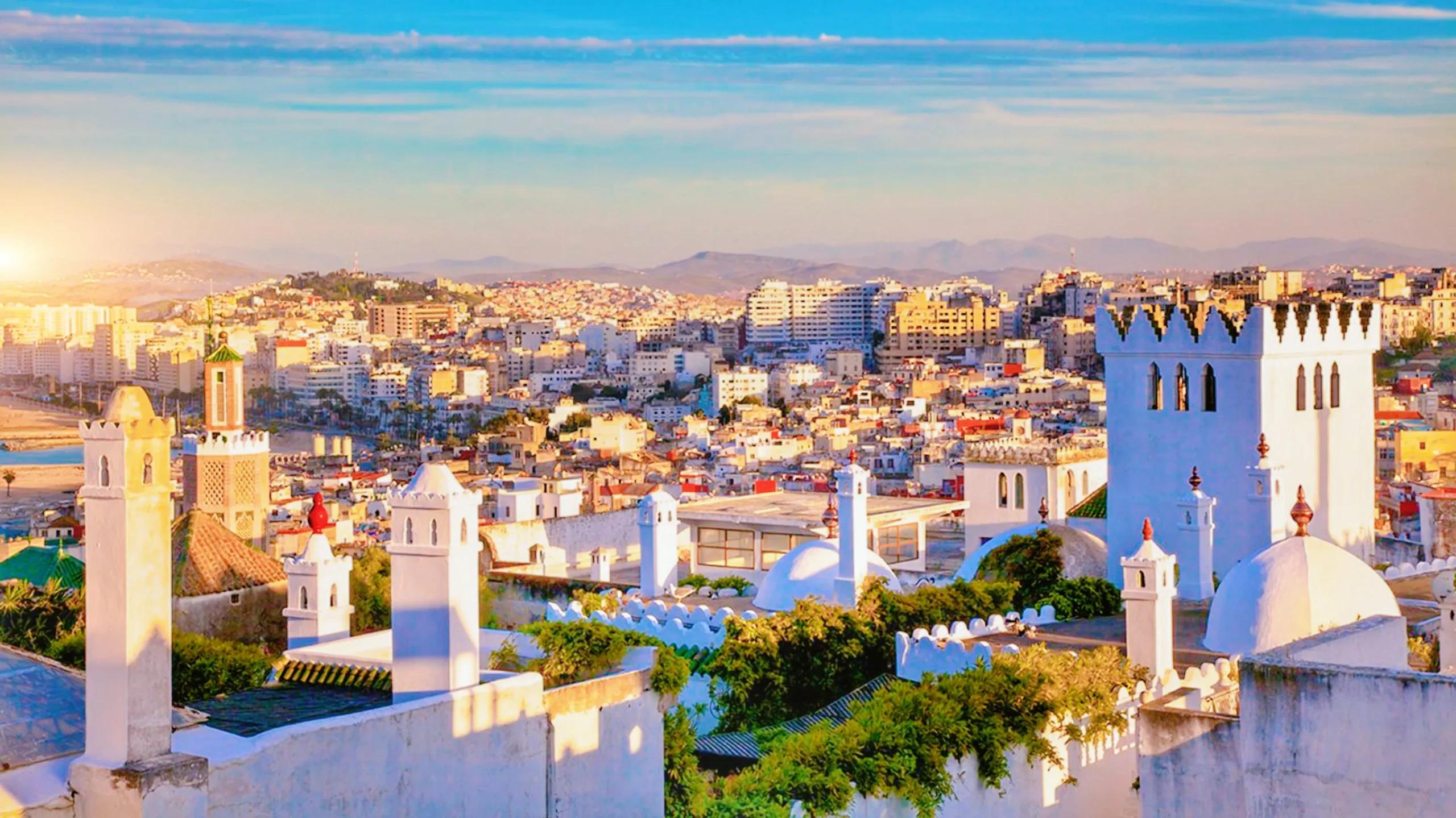
    Do I need a visa for Morocco: arriving by sea at the bay of Tangier
    Many visitors arrive by air, and others by ferry through Tangier.

    Why Entry Rules Matter Before You Fly

    Asking do I need a visa for Morocco before you book can save you money and stress. Airlines may refuse to board passengers whose documents do not match the rules, and a wrong assumption can ruin a holiday. A few minutes of checking is enough to avoid most problems.

    For do I need a visa for Morocco, remember that rules also change. In 2025 and 2026, Morocco updated some online pre-authorisation rules for several nationalities, and added or removed visa-free status for a few countries. This is why we recommend checking your government’s travel page close to your departure date.

    • Check early: do not wait for the week before the flight.
    • Use official sources: your own government and Moroccan authorities.
    • Keep copies: a paper copy and a photo of your passport.
    • Plan margin: an e-visa can take several working days.

    1. Visa-Free Countries

    For most tourists, the answer to do I need a visa for Morocco is no. Citizens of about 70 countries can visit without a visa. This includes the USA, Canada, the UK, Australia, New Zealand and the countries of the European Union. Check your nationality, because some passports have special conditions.
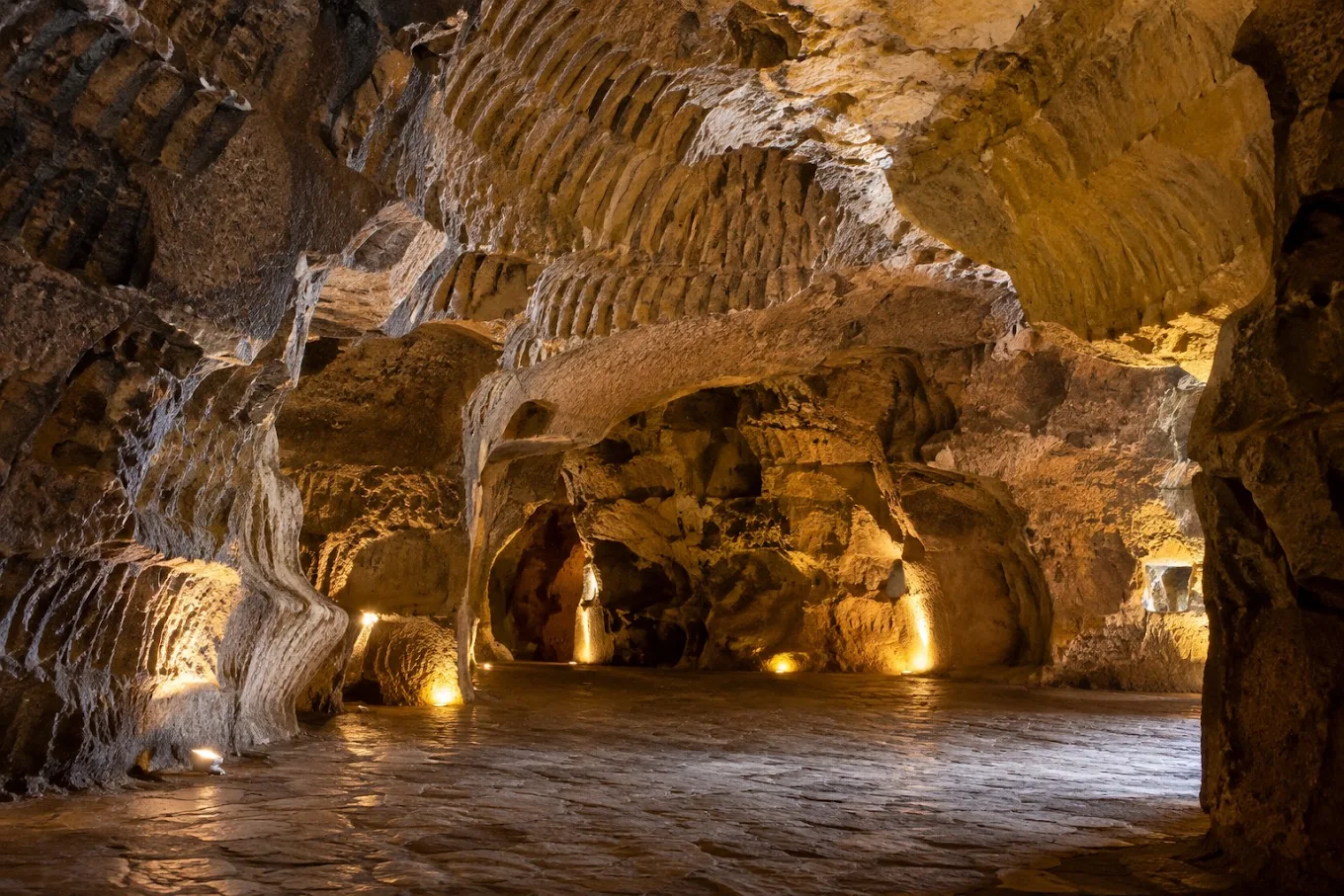
    Do I need a visa for Morocco: Tangier on the Strait of Gibraltar
    Tangier, the gateway from Europe, welcomes visa-free visitors from many countries.

    Some nationalities are visa-free for a shorter time, for example 30 or 60 days, and a few need a visa even for tourism. The best way to be sure is to read your government’s travel advice, such as the UK entry requirements page or the US travel advice for Morocco.

    2. Length of Stay: The 90-Day Rule

    On do I need a visa for Morocco, the usual tourist stay is up to 90 days, counted from the entry stamp. For most visitors, that is more than enough. If you ask do I need a visa for Morocco for a long trip, remember that the 90 days apply to tourism, not to work or study.

    Staying longer needs an extension from a local police station, and approval is not guaranteed. Overstaying can lead to fines and problems when you leave, so plan your days with care. Do not assume that leaving and coming back always resets the clock, because border officers decide.
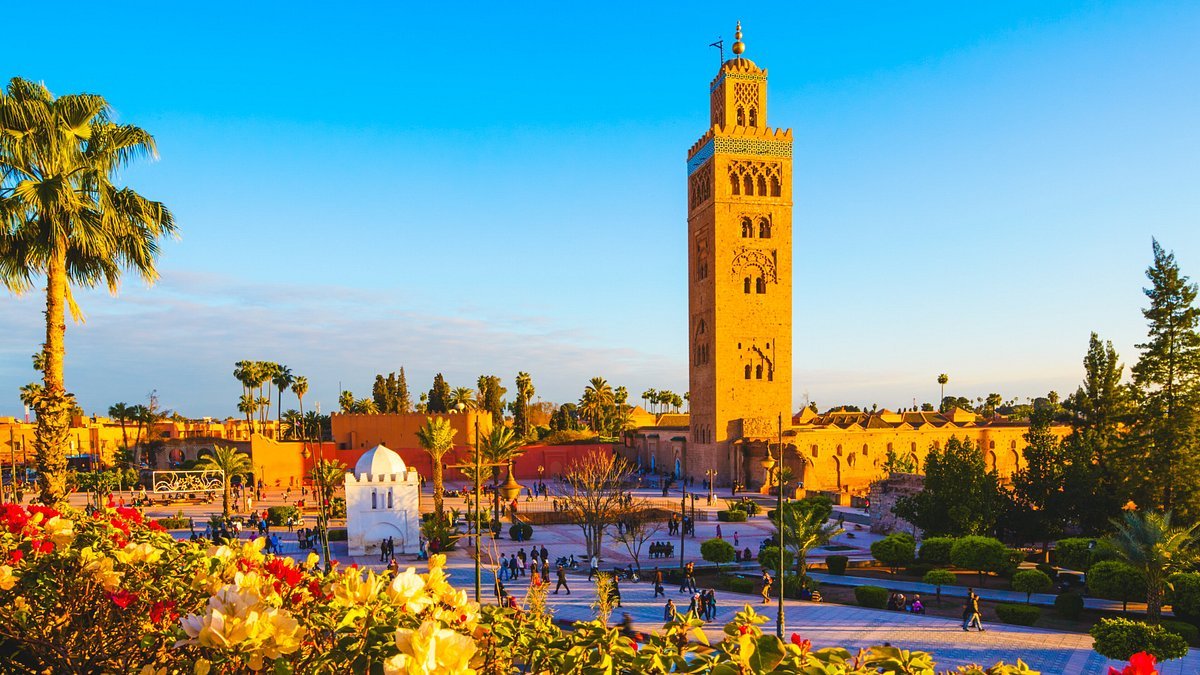
    Do I need a visa for Morocco: a 90-day tourist stay is enough for the cities of Morocco
    Ninety days is plenty for the imperial cities and the desert.

    If you only have a short holiday, our guides on how many days in Morocco is enough and what to do in 3 days in Morocco help you plan.

    3. Passport Validity and Condition

    When you research do I need a visa for Morocco, remember that passport rules are often more important than the visa itself. Government pages give different minimums: some say your passport should be valid for at least three months after arrival, and others say six months. To be safe, carry a passport valid for at least six months after your arrival date.

    You also need a blank page for the entry stamp. A damaged, wet or torn passport can lead to refusal at the border, so check yours well before the trip. Lost or stolen passports cannot be used, of course, and renewing takes time.

    Tip: when you plan do I need a visa for Morocco, check your passport first. A renewal can take longer than a visa application.

    4. The Morocco E-Visa

    If your nationality needs a visa, you can often apply online through the official Access Maroc e-visa system. Processing usually takes a few working days, and an express option exists. An e-visa is normally valid for a limited number of days from the date of issue, and it allows a stay of up to about 30 days.
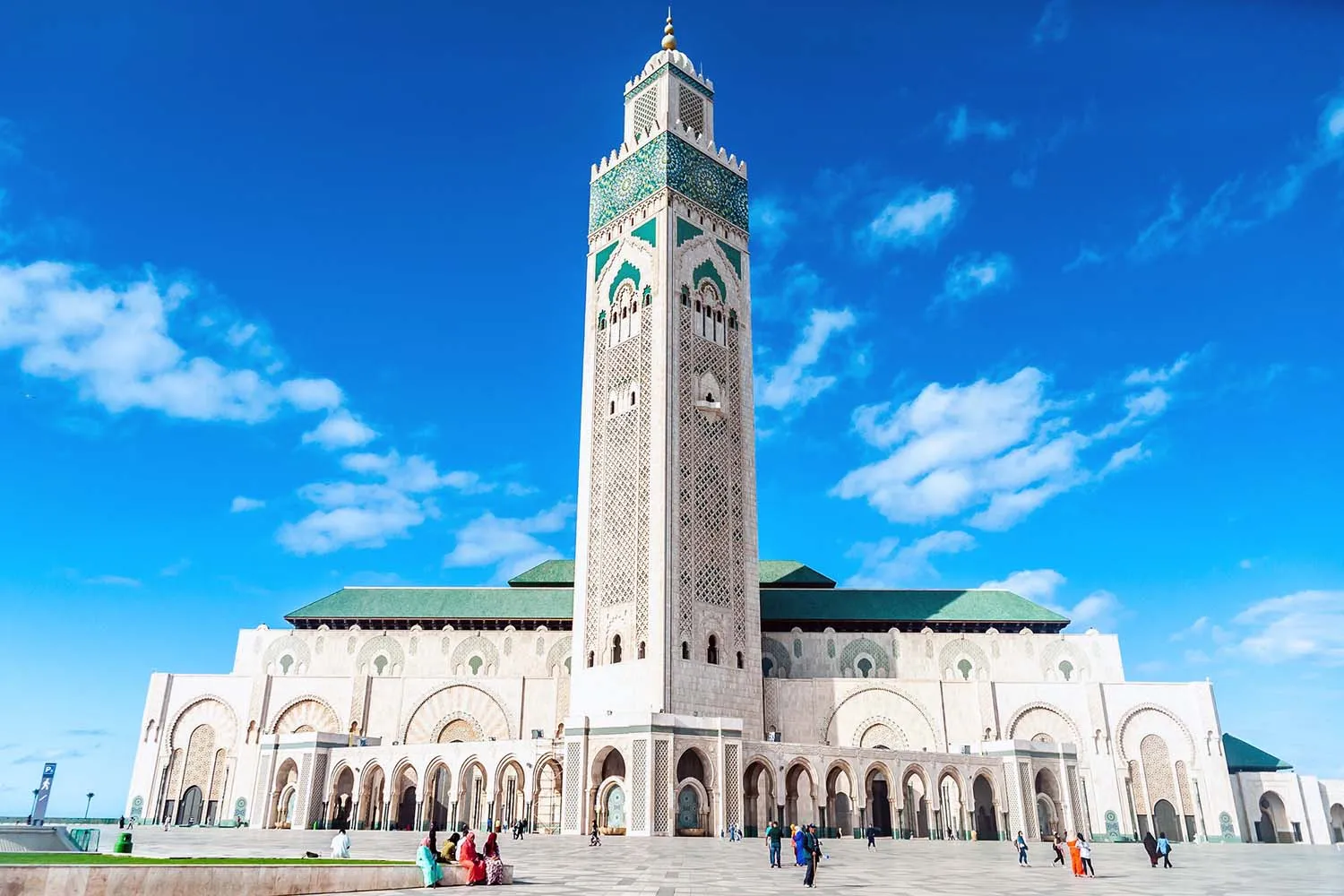
    Do I need a visa for Morocco: the Atlantic coast of Casablanca, a main entry point
    Casablanca is the main international air gateway.

    If do I need a visa for Morocco ends in yes, you will need a valid passport, a photo, travel details and sometimes proof of accommodation or funds. Apply only through the official site, because look-alike sites charge extra fees. Print the approval and keep it with your passport.

    Some nationalities cannot use the standard e-visa and must apply at a Moroccan embassy or consulate. If this is your case, start early, because embassy processing can be slow.

    5. Online Pre-Authorisation for Some Visa-Exempt Travellers

    Do I need a visa for Morocco if I am visa-exempt? In some cases, you still need a short online pre-authorisation before you travel. It applies to a small number of nationalities, and the list has changed several times in 2025 and 2026.

    This is a good example of why do I need a visa for Morocco should be checked close to your departure. A rule that was true last year may not be true today. When in doubt, ask your airline or the Moroccan consulate and keep the answer in writing.
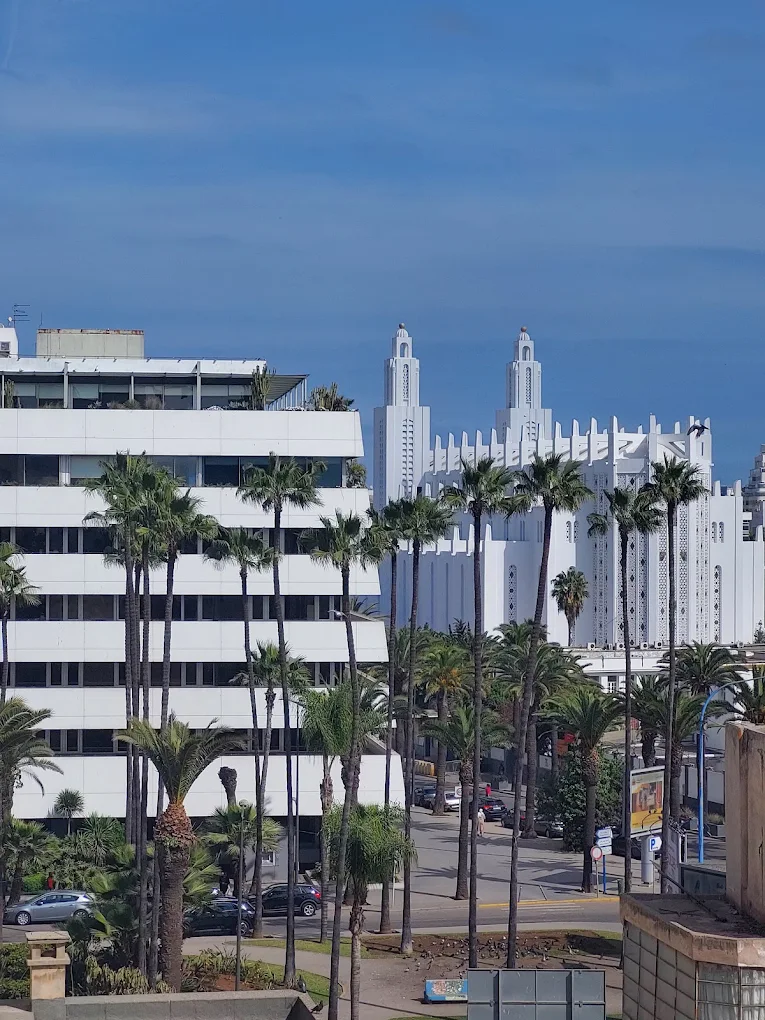
    Do I need a visa for Morocco: Casablanca streets near the airport route
    Casablanca is where many international trips begin.

    6. Documents to Carry at the Border

    Even when the answer to do I need a visa for Morocco is no, officers may ask simple questions at the border. Have your passport, your accommodation address and your onward or return plan ready. A hotel booking, a tour confirmation or a ticket on your phone is usually enough.

    • Passport: valid and with a blank page.
    • Address: the name and address of your first hotel or riad.
    • Return ticket: or proof of onward travel.
    • E-visa: printed, if you need one.
    • Copy of passport: carry a copy during the trip.

    These points come from common practice and official advice, but officers decide at the border. A calm, polite attitude helps.

    7. The Entry Stamp and Extensions

    Whatever the answer to do I need a visa for Morocco, make sure the officer stamps your passport on entry. The stamp date matters for your 90 days, and some travellers have had trouble when leaving without one. If you are not stamped, ask politely before you leave the desk.

    To extend a stay, go to a central police station before your time ends. Approval depends on the officer, so do not rely on it. The safest plan is to keep your stay within the allowed days.
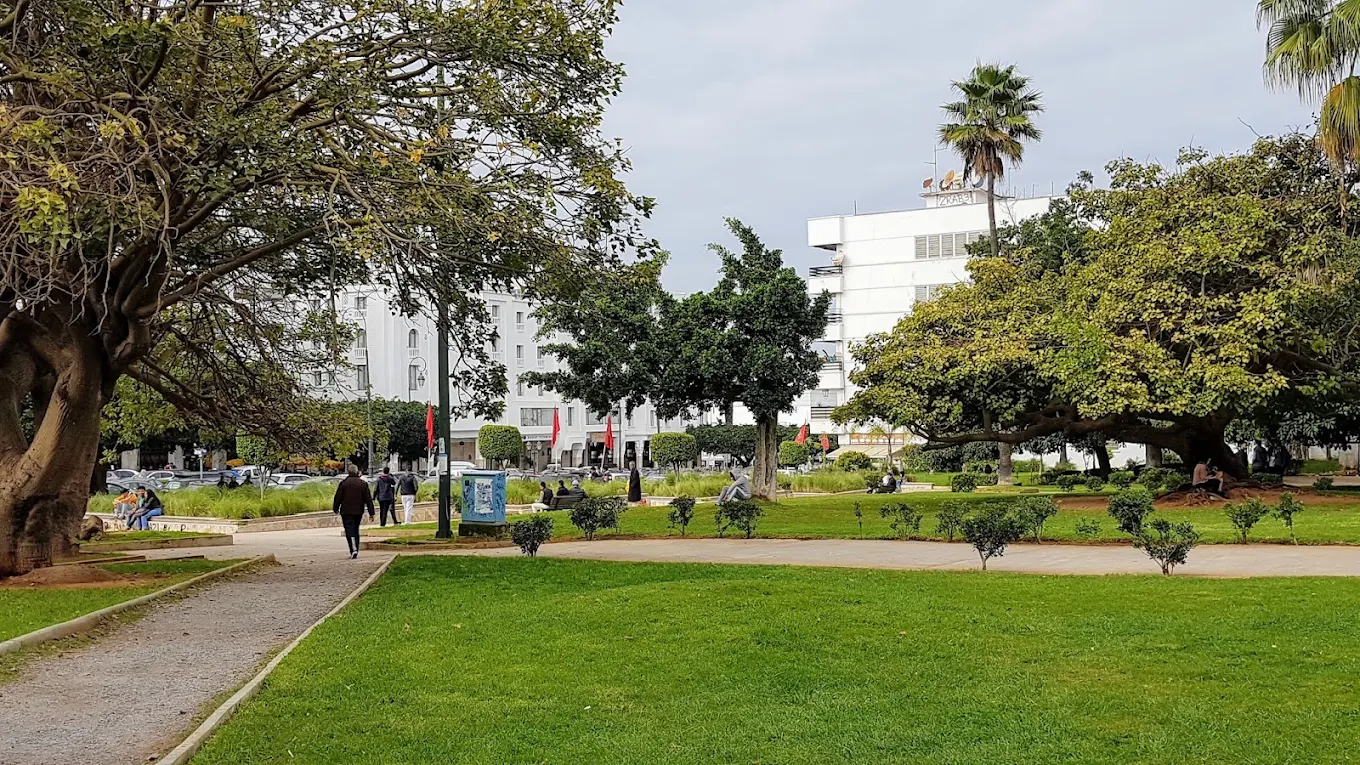
    Do I need a visa for Morocco: Rabat, the capital where many official offices are located
    Rabat, the capital, is home to many official offices and embassies.

    8. Customs, Money and Prohibited Items

    Customs rules are part of the do I need a visa for Morocco question for many travellers. You must declare large amounts of foreign currency, and official advice mentions a limit of 100,000 dirhams in value. Moroccan dirhams cannot normally be exported in large amounts, so exchange only what you need.

    Drones, large camera equipment and some medicines may need extra care. Declare anything that may be taxed or restricted, and carry prescriptions in the original packaging. Sending passports through the post is illegal, so never mail yours to a hotel or agency.

    For shopping rules on the way home, read what can you bring back from Morocco.

    9. Transit and Layovers

    Do I need a visa for Morocco if I only change planes? Usually, no, if you stay in the international transit area and have a confirmed onward ticket, but the rules depend on nationality and the length of the layover. If you want to leave the airport, you may need an entry or transit visa.

    Ask your airline before you book a long layover. A short city visit between flights is a nice idea, but only if your documents allow it. Never leave the transit area until you know the rules.
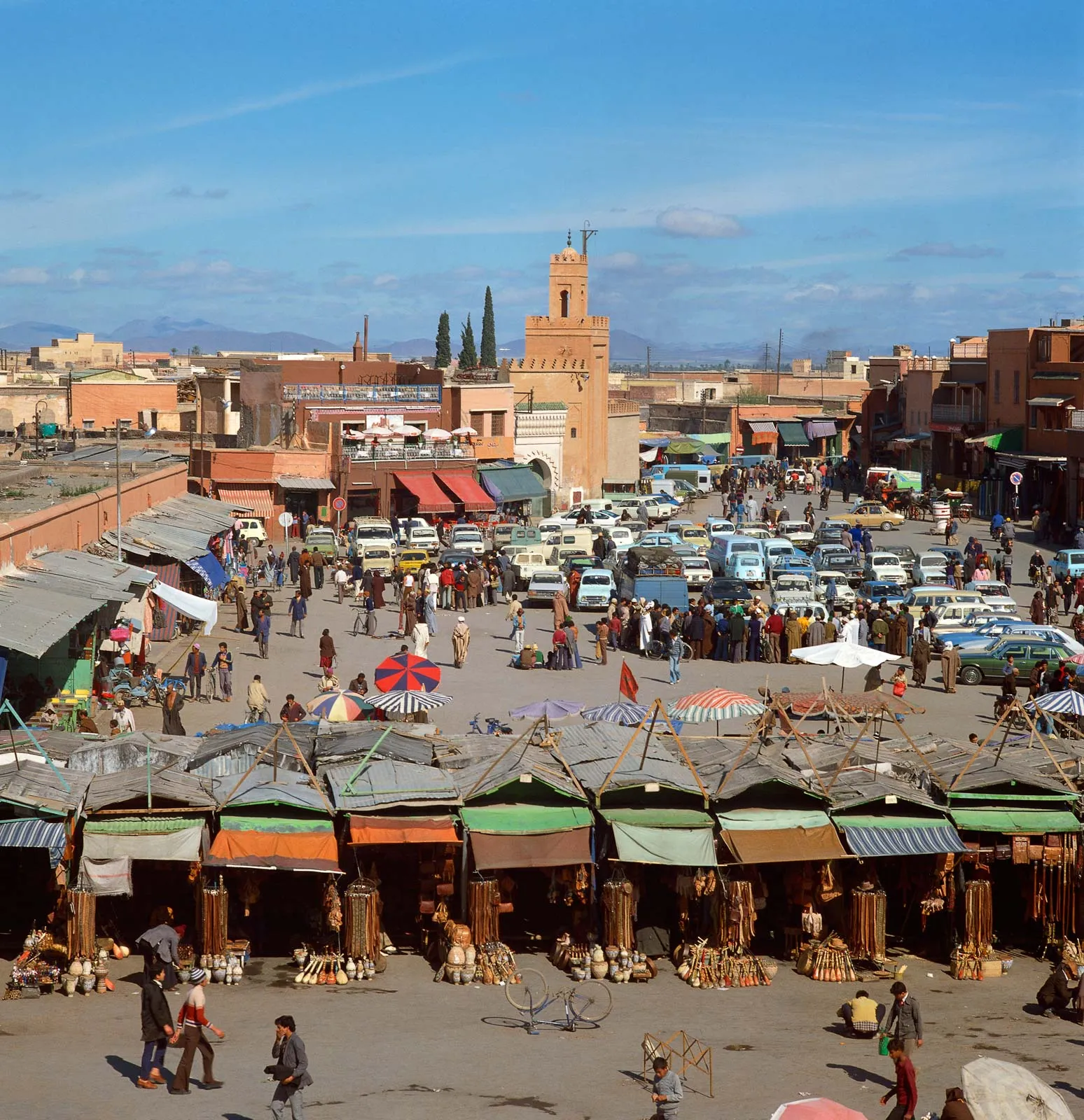
    Do I need a visa for Morocco: Marrakech, a popular first stop after landing
    Marrakech is a popular first stop after landing.

    10. Health, Insurance and Vaccines

    On do I need a visa for Morocco, health rules are separate from the visa, but they belong in your checklist. A polio vaccination certificate may be needed if you arrive from a polio-affected country. Beyond that, check recommended vaccines with your doctor or a travel health service.

    Travel insurance is not a visa condition, but it is wise for a desert or mountain trip. Make sure it covers medical care and activities such as camel treks and quad rides. For safety advice, read is Morocco safe to travel.

    Do I Need a Visa for Morocco? Quick Table

    Item What to know
    Visa-free stay Up to 90 days for many nationalities
    Passport Six months of validity is the safe rule
    Blank page At least one, for the entry stamp
    E-visa For nationalities that need a visa, online
    Extension Police station, not guaranteed
    Cash Declare large amounts of foreign currency
    Transit Depends on nationality and layover time

    Airports, Ports and Where You Enter

    For do I need a visa for Morocco, note that most visitors enter by air through Casablanca, Marrakech, Fes, Tangier, Agadir or Rabat, or by ferry from Spain to Tangier and other northern ports. The checks are similar, but queues and speed vary. Give yourself time on busy days.
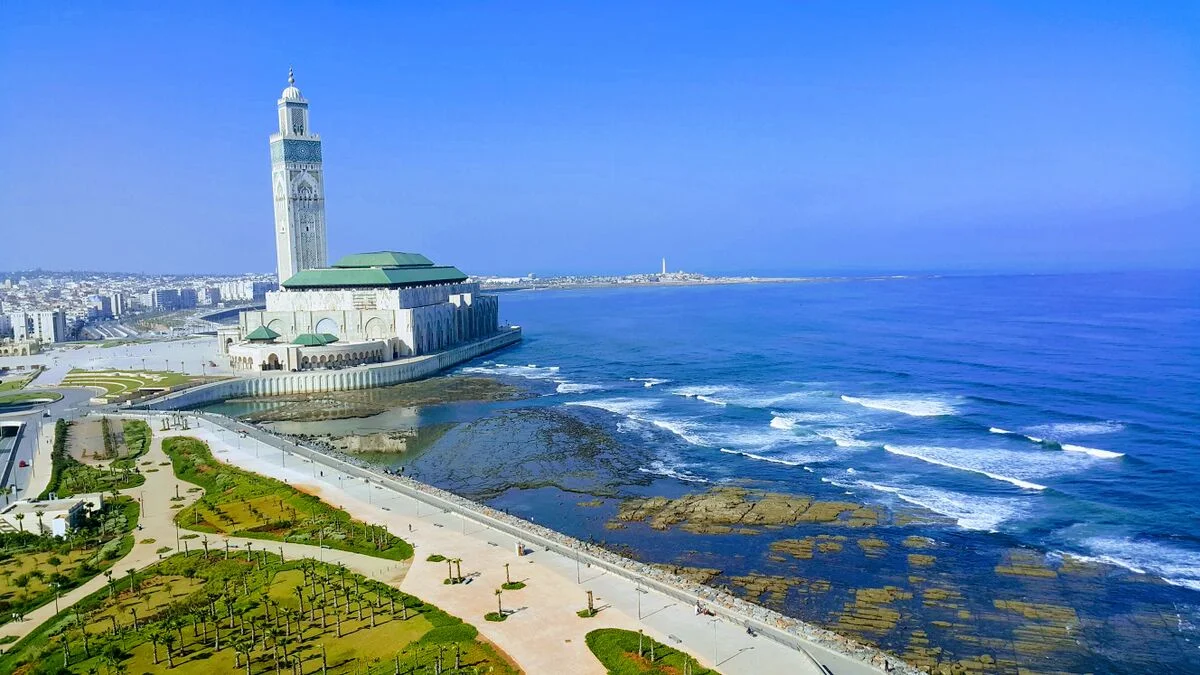
    Do I need a visa for Morocco: the Hassan II Mosque in Casablanca at sunset
    The Hassan II Mosque, one of the first sights for many visitors.

    Land borders with the Spanish cities of Ceuta and Melilla have their own procedures, and many travellers prefer to use the ferry or an airport. If you plan to cross by land, check the latest rules with official sources.

    Multi-Country Trips Combining Morocco

    Many travellers combine Morocco with Spain or Portugal. If you are asking do I need a visa for Morocco on such a trip, remember that you may also need to check rules for each country, including the Schengen area for non-EU visitors. Our 21 days Spain and Morocco and 21 days Portugal Spain Morocco tours show how a route can work.

    Keep your documents organised for each border. A simple folder with passport copies, bookings and insurance makes every crossing easier.
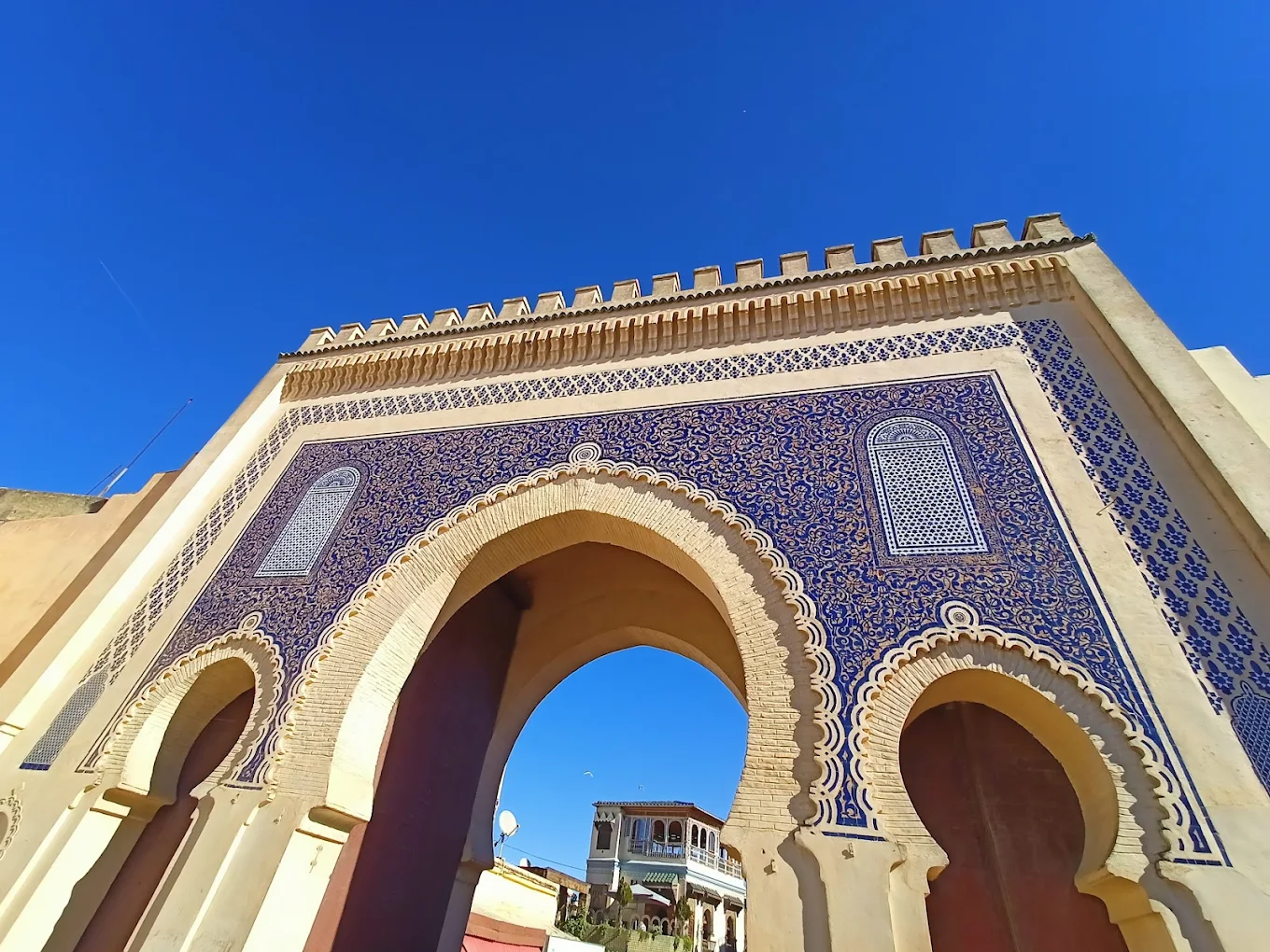
    Do I need a visa for Morocco: the old medina of Fes on a longer trip
    A 90-day stay allows long routes through the imperial cities.

    Do I Need a Visa for Morocco? Answers by Traveller Type

    Different travellers ask do I need a visa for Morocco in different ways, so here are simple answers by situation. They are general, so always confirm the latest rules for your passport.

    Tourists on a short holiday

    If you ask do I need a visa for Morocco for a week or two of sightseeing, the answer for most Western passports is no. You arrive, show your passport, receive the entry stamp and enjoy the trip. Keep your return ticket and hotel details ready in case an officer asks.

    Long-stay visitors and remote workers

    Remote workers often ask do I need a visa for Morocco if they plan to stay for several months. A tourist stay is normally limited to 90 days, and Morocco does not offer a special digital nomad visa. Longer stays need a residence permit, so plan with local advice.

    Business travellers

    Short business meetings are usually possible on the tourist rules for many nationalities, but paid work is different. If you wonder do I need a visa for Morocco for work, ask the Moroccan consulate, because work permits follow separate rules.

    Cruise and ferry passengers

    Cruise guests and ferry passengers also ask do I need a visa for Morocco for a day visit. Many nationalities can join a day trip on the usual rules, but you still need a valid passport. Check with the cruise line or ferry company before you book an excursion.

    Travellers from Africa, Asia and the Middle East

    For these regions, do I need a visa for Morocco has no single answer. Some nationalities are visa-free, some need an e-visa and some need an embassy visa. The rules also changed several times in 2025 and 2026, so rely on the latest official pages and your airline.

    Dual nationals and residents of other countries

    Dual nationals should travel on the passport that matches their visa status and use the same passport for entry and exit. Residents of some third countries can also use special e-visa options. In this case, do I need a visa for Morocco depends on both your passport and your residence permit.

    Honeymooners and groups

    For couples and groups, the answer to do I need a visa for Morocco is the same as for each passport. Check every person, because one traveller with a different passport may need extra time. Collect copies of all passports before you book, and share them with your tour operator.

    Children, Families and Student Groups

    Children need their own passport, and the same validity rules apply. If a child travels with only one parent or with another adult, carry a signed letter from the missing parent and a copy of the birth certificate, as it can help at the border. Airlines often ask for these documents too.

    School groups should check rules for every nationality in the group, because passports may differ. For group planning, read student travel Morocco.

    If Entry Is Refused or Delayed

    After you settle do I need a visa for Morocco, remember that it is rare, but entry can be refused or delayed if documents are wrong, a passport is damaged or an officer has concerns. If this happens, stay calm and polite, ask for the reason and contact your embassy if needed. Do not argue or try to bypass the checks.

    Keep a printed copy of your booking, your itinerary and the contact number of your hotel or tour operator. A clear paper trail helps solve questions quickly.

    Checklist Before You Fly

    Use this short list to answer do I need a visa for Morocco and be ready for the border:

    • Check your nationality on your government’s travel page.
    • Check passport validity (six months is the safe rule) and blank pages.
    • Apply for an e-visa early if you need one.
    • Print your hotel booking and return ticket.
    • Keep a copy of your passport.
    • Read the customs and currency rules.
    • Buy travel insurance.
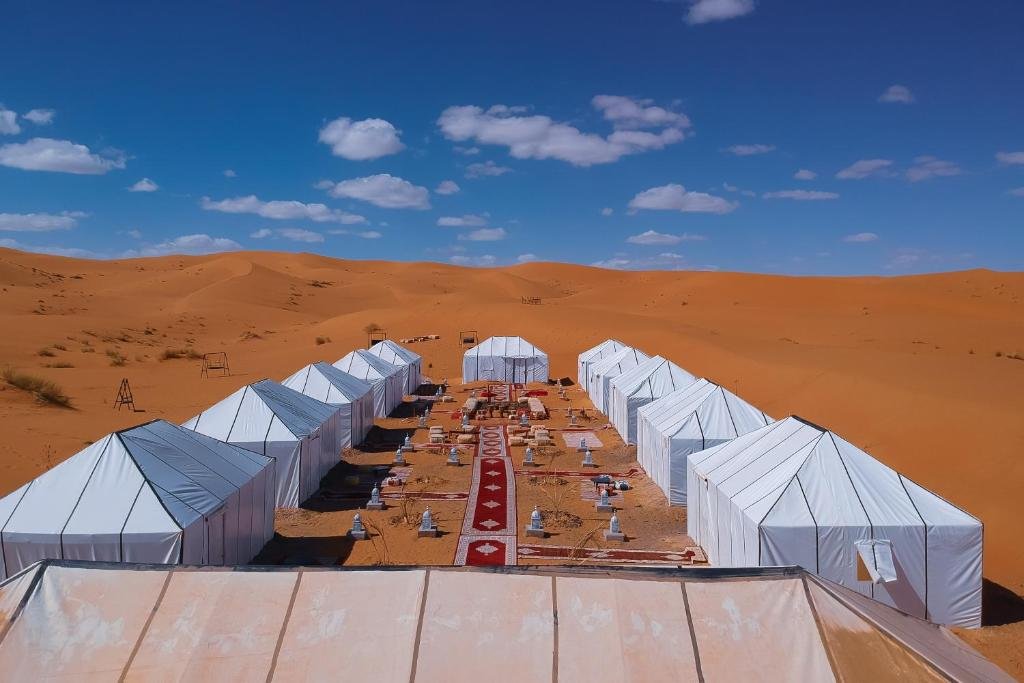
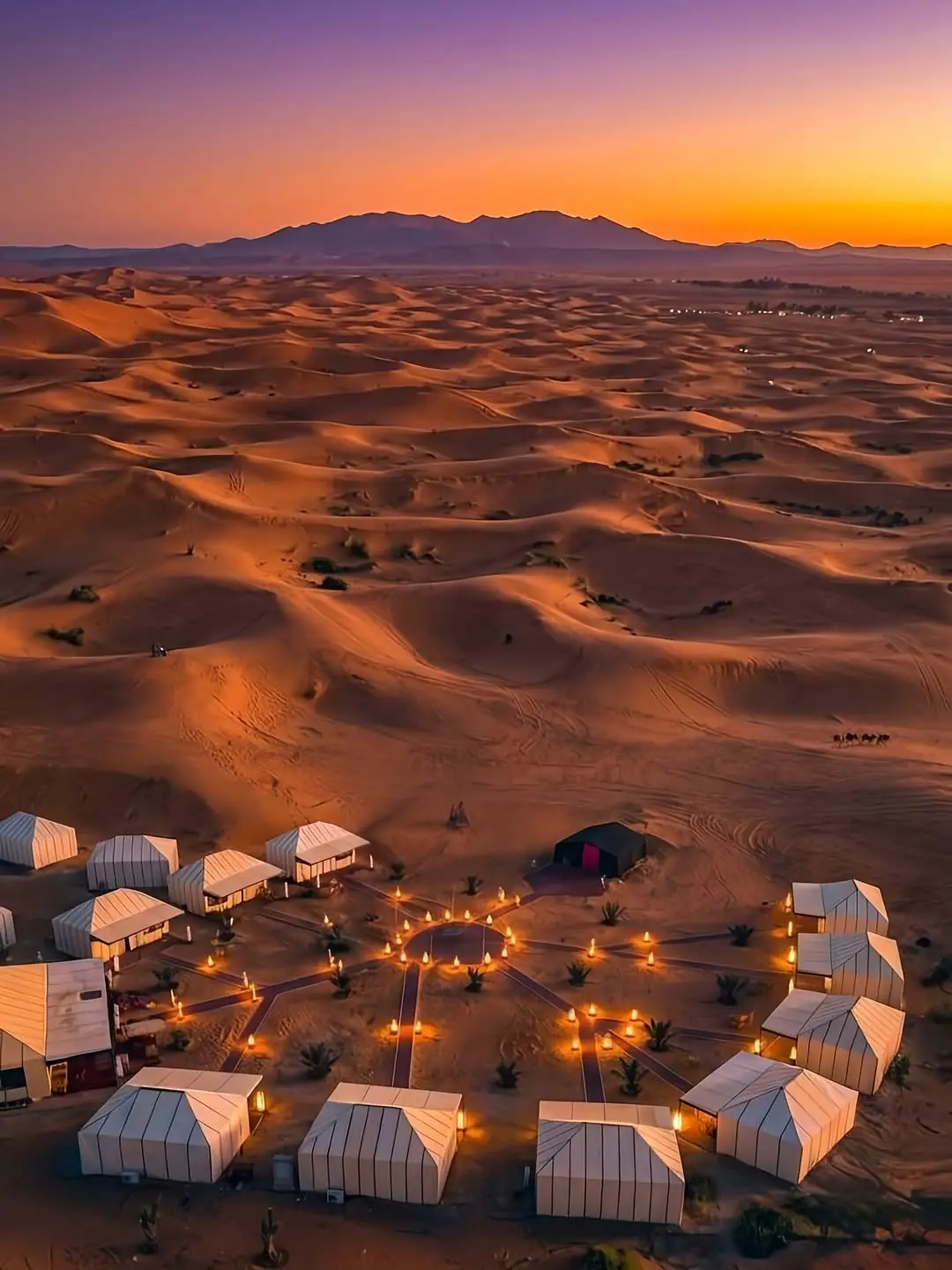
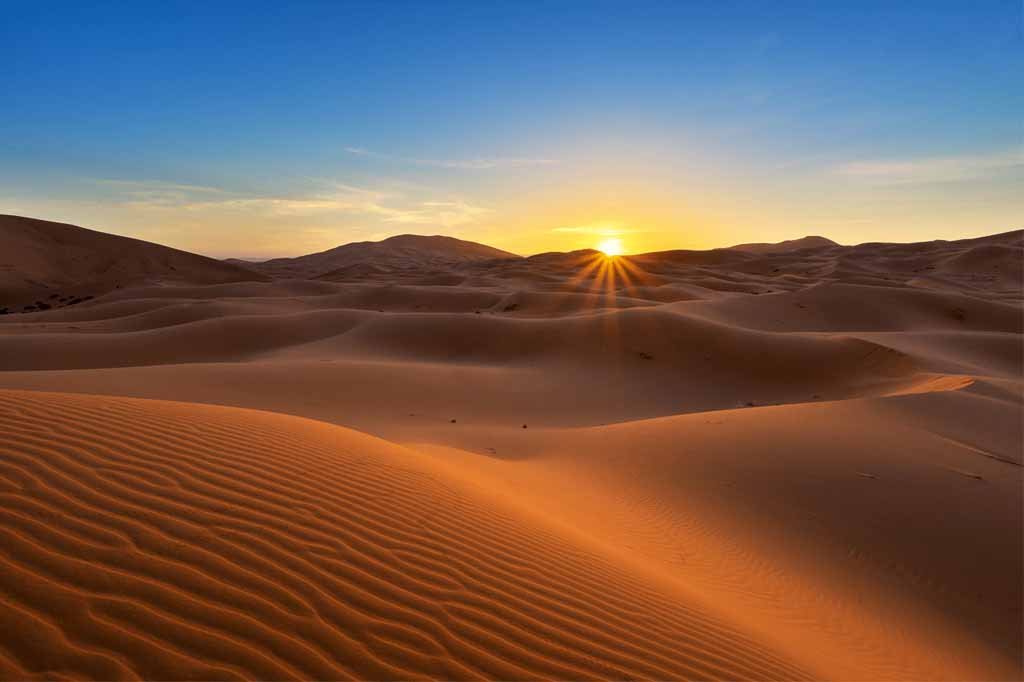
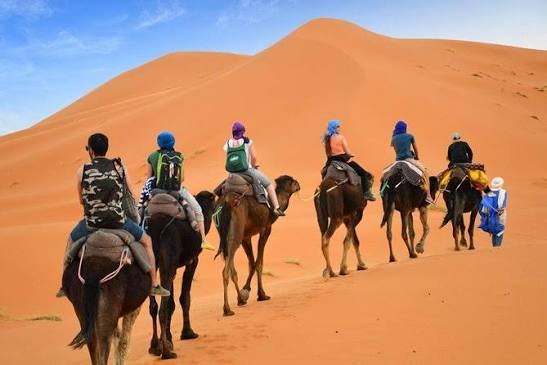
    Do I need a visa for Morocco: ready for the Sahara once your documents are in order
    With the paperwork done, the desert is waiting.

    Your First Day in Morocco

    Once do I need a visa for Morocco is answered and you are through the border, you can change money at the airport or use an ATM. Choose a licensed taxi or a pre-booked transfer, and agree on the arrangement before you leave the airport. A transfer from our team can meet you at arrivals with a sign.

    After a long flight, take it easy. Walk in the old city at sunset, drink a mint tea and sleep well. If you start in Marrakech, read things to do in Marrakech, and learn about the UNESCO medina of Marrakech.

    Mistakes to Avoid

    The biggest mistake with do I need a visa for Morocco is to rely on old information. Another mistake is to check only the visa and forget passport validity. Some travellers also leave the airport without an entry stamp, or apply for an e-visa on an unofficial site.

    A fourth mistake is to book a tight connection and a non-refundable tour before checking the rules. Finally, do not lose the small papers: keep your e-visa, your insurance and your booking in one place.

    Myths About Morocco Visas

    One myth is that everyone needs a visa. In reality, most Western tourists do not. Another myth is that a visa-free stay is unlimited. It is normally 90 days. A third myth is that any online visa site is official. Only use the official government system. A fourth myth is that a tour company can get you a visa on arrival. Visa rules are set by the state, not by the tour operator.

    Local Tips From Our Team

    • Check twice: once at booking and once a week before you fly.
    • Use six months: passport validity is the safest rule.
    • Print everything: your phone may run out of battery.
    • Be polite: a smile helps at every desk.
    • Ask us: we can confirm pick-up and transfers at arrival.

    Travellers often ask us do I need a visa for Morocco just before booking. We always say: check your government’s page first, then write to us with your dates. We will plan the route, the transfers and the right pace. See Morocco itineraries for ideas.

    Final Thoughts: Do I Need a Visa for Morocco?

    For most tourists, do I need a visa for Morocco has an easy answer: no, for up to 90 days, with a valid passport. For others, an e-visa or an embassy visa is the way. Either way, check your own rules, keep your documents safe and arrive with time to spare.

    Once you are in, Morocco is simple to enjoy. Private drivers, clear plans and local help make the road easy. For more travel basics, see Morocco travel and where is Morocco.

    Send us your dates and group size. We will plan the route and the first-day transfer so your arrival is smooth.

    The entry information in this article is general and was checked in November 2026. Visa rules can change at short notice, so always confirm with your government and the Moroccan authorities before you travel.

    Frequently Asked Questions

    Do I need a visa for Morocco as a US citizen?

    Not for tourism up to 90 days. You need a passport valid for the period advised by your government (six months is the safe rule) and at least one blank page.

    Do I need a visa for Morocco as a UK or EU citizen?

    No, for tourism up to 90 days. Check your passport validity and entry stamp.

    How long can I stay in Morocco without a visa?

    Usually up to 90 days for many nationalities, counted from the entry stamp. Some nationalities have shorter stays.

    Can I get a visa on arrival?

    You should not rely on it. If you need a visa, apply in advance through the official e-visa system or a Moroccan embassy.

    Is the e-visa official?

    Yes, if you apply on the official Moroccan government portal. Avoid look-alike websites that add extra fees.

    Do I need a visa for Morocco for a layover?

    Usually not if you stay in the transit area with an onward ticket, but it depends on nationality and layover length. Ask your airline.

    Can your team help with the trip after I arrive?

    Yes. Send your dates and group size on WhatsApp at +212 682 832 176 or through our contact page, and we will plan transfers and tours.

    Plan Your Trip After the Visa Question

    Tell us your dates and group size. We will arrange your airport pick-up, your route and a smooth first day in Morocco.
    Request a Free QuoteWhatsApp Us

  • Private Driver Morocco vs Group Tour: Ultimate Comparison With 10 Best Tips

    Private Driver Morocco vs Group Tour: Ultimate Comparison With 10 Best Tips

    Morocco · Travel Planning · Private or Group?

    Private Driver Morocco vs Group Tour: Ultimate Comparison With 10 Best Tips

    Freedom or company, comfort or budget: how to choose

    The private driver Morocco vs group tour question is one of the first choices every visitor faces. A private driver gives you a car, a guide and a flexible plan for your own group. A group tour gives you a fixed route, a shared vehicle and the company of other travellers. Both work, but they suit different people.

    This guide compares private driver Morocco vs group tour in 10 clear points: flexibility, pace, company, comfort, guiding, stops, safety, families, women and solo travellers, and value. You will also find a decision table, red flags and honest tips, so you can pick the style that fits your trip.

    For ready-made private routes, see our Marrakech to Merzouga desert tours and all Morocco tours.

    Private Driver Morocco vs Group Tour: The Short Answer

    Quick answer: choose a private driver in Morocco if you want flexibility, comfort and a plan built around you, especially for couples, families and small groups. Choose a group tour if you enjoy meeting people, prefer a fixed schedule and want to share the cost of a vehicle.
    Question Private driver Group tour
    Schedule Yours Fixed
    Company Your own group Other travellers
    Comfort High, more space Good, shared
    Best for Families, couples, photographers Solo travellers, social people
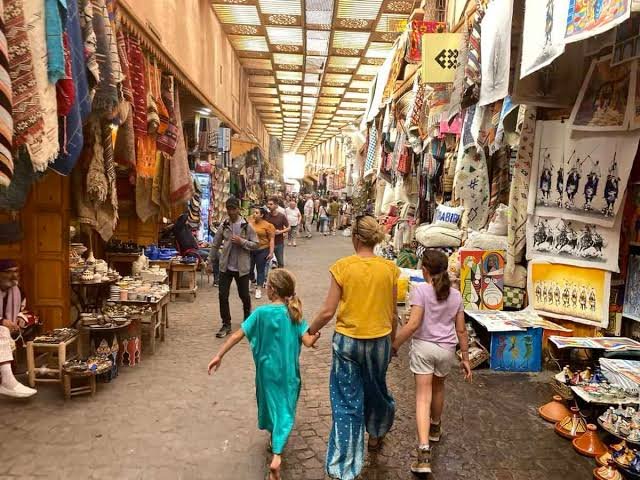
    Private driver Morocco vs group tour: the rooftops and streets of Marrakech
    Both styles start in places like Marrakech, but the day looks very different.

    Why the Private Driver Morocco vs Group Tour Choice Matters

    For private driver Morocco vs group tour, remember that Morocco is a large country with long roads, mountain passes and many small stops. Distances are bigger than they look on a map, so the way you travel shapes your trip. In the private driver Morocco vs group tour decision, you are really choosing between control and company.

    A bad match can spoil a holiday. A fast group tour can feel rushed to a family with small children, and a private car can feel lonely to a solo traveller who wants friends. Understanding the differences before you book avoids disappointment.

    • Time: roads are long, so pace matters.
    • Money: shared costs are lower per person in groups.
    • Experience: private plans can include more local stops.
    • People: group tours add social energy.

    1. Flexibility: Your Plan or a Fixed Plan

    Flexibility is the biggest difference in private driver Morocco vs group tour. With a private driver, you can change the start time, add a village, skip a stop you do not like or stay longer at a view you love. The plan follows you.

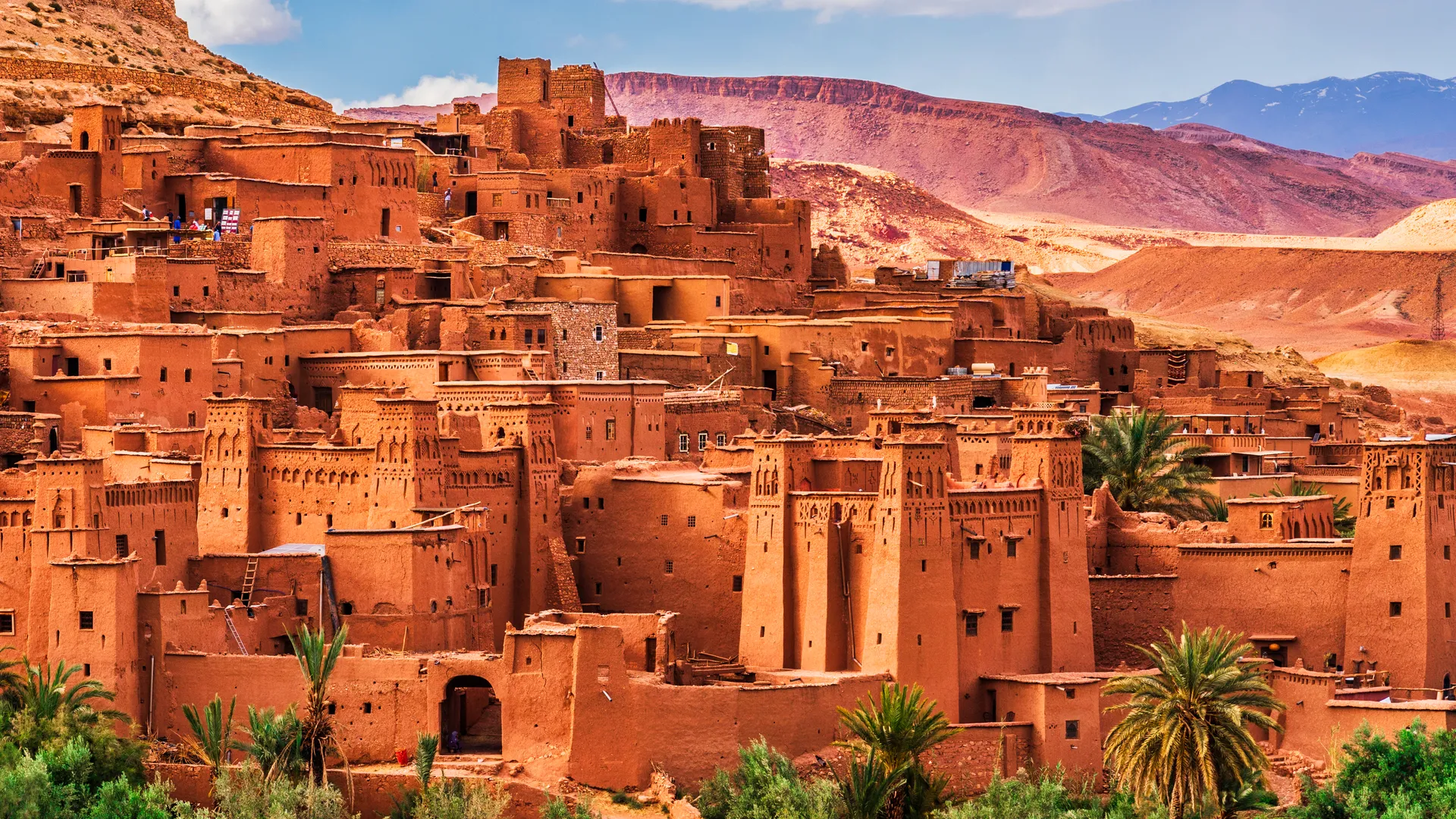
    Private driver Morocco vs group tour: time to explore Ait Benhaddou at your own pace
    At Ait Benhaddou a private plan lets you stay as long as you like.

    A group tour follows a schedule built for many people. Stops are timed, and the group must leave together. That is efficient and fair, but it leaves little room for surprises. If you like order and clear times, this is a benefit.

    2. Pace and Timing of the Day

    In a private driver Morocco vs group tour comparison, pace is a key point. Private trips can start late for a slow breakfast, or early to beat the heat and reach a sunrise. Photographers often prefer this freedom.

    In private driver Morocco vs group tour, group tours usually start early and move steadily, because they must finish a set programme. If you enjoy a full day and do not mind early departures, this suits you. If you prefer to rest, a private plan is calmer.

    Tip: long routes such as Marrakech to Merzouga take two or three days. A private driver lets you split the drive more comfortably. See Marrakech to Merzouga desert tour 3 days.

    3. Company and Group Size

    Group tours are social. You share the vehicle, the meals and the stories with other travellers, and many people make friends. For solo travellers, this is a major advantage in the private driver Morocco vs group tour debate.

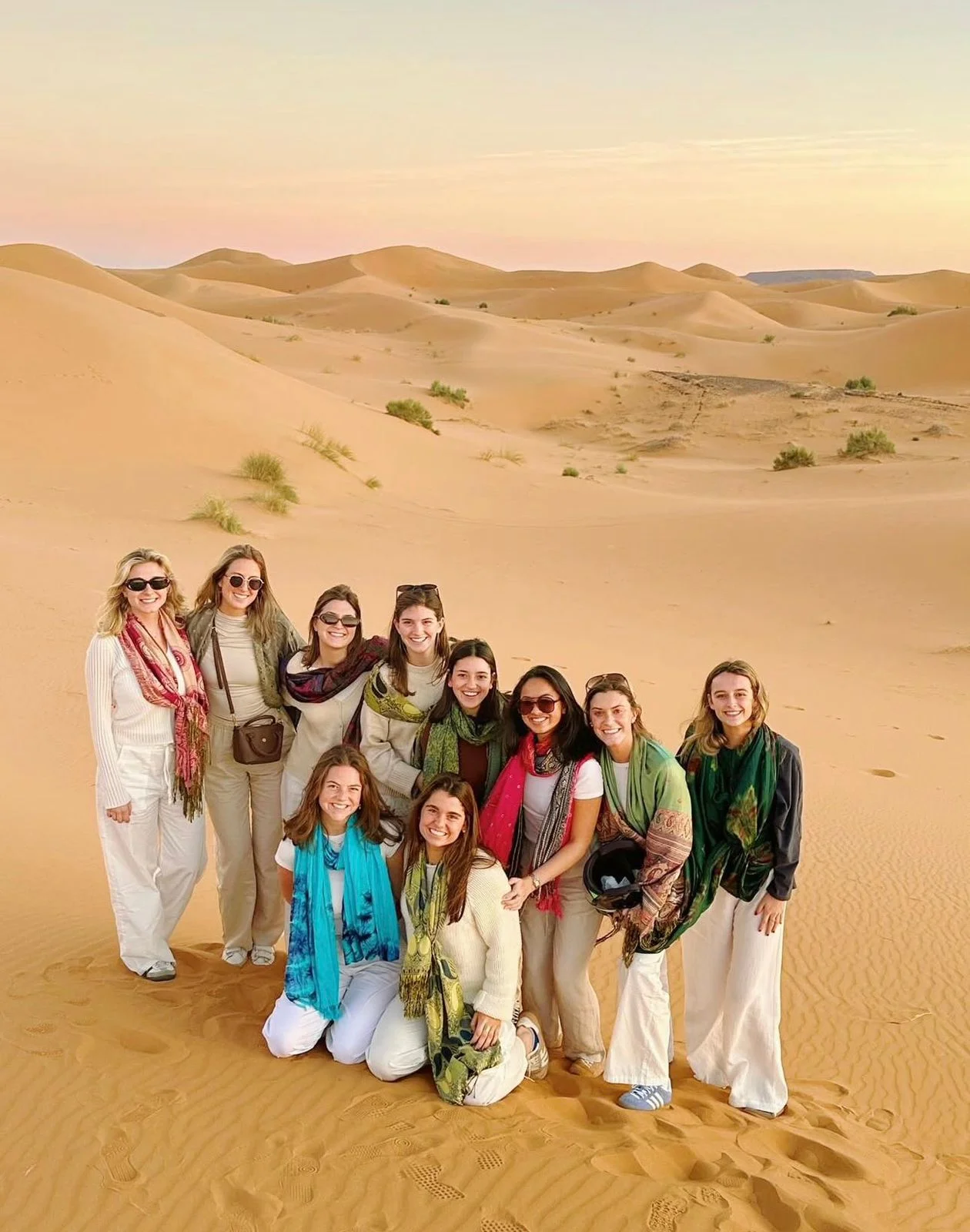
    Private driver Morocco vs group tour: a friendly travel group in Morocco
    A group tour is a social way to see Morocco.

    Private trips are for your own party only. You choose the music, the conversation and the silence. If you travel with a partner, family or friends, that privacy is valuable. The risk of a private trip is that you may miss the social side.

    Group size also matters. A small group of six to eight is very different from a large bus of thirty. Always ask how many people share the vehicle before you book a group tour.

    4. Comfort and Vehicles

    Comfort differs in private driver Morocco vs group tour. A private car or 4×4 carries only your party, so you have space for luggage, a window seat and a cool interior. Seats can be arranged for children, and stops are easy.

    Private driver Morocco vs group tour: a 4x4 vehicle for desert roads
    A 4×4 is common for desert tracks and mountain roads.

    Group tours often use minibuses, which are comfortable but busier. Seat rotation, shared luggage space and fixed stops are normal. Quality depends greatly on the operator, so ask for photos of the vehicle and check recent reviews.

    Private driver Morocco vs group tour: a private tour vehicle on the road
    A well-kept private vehicle makes long roads easier.

    5. Guiding and Local Knowledge

    Private driver Morocco vs group tour also differs in how much you learn. A good private driver-guide speaks to you directly, answers questions and adapts stories to your interests. You can ask about food, history, family life or music and get a personal answer.

    Private driver Morocco vs group tour: a guide explaining the old city of Marrakech
    A private guide can follow your questions, not a script.

    On a group tour, the guide speaks to everyone. Commentary is useful and often entertaining, but it is shared. Some sites also require an official local guide, so ask who does the visit, because a driver is not always a licensed site guide.

    6. Stops, Photos and Detours

    Photos are a strong reason to prefer a private driver in the private driver Morocco vs group tour question. You can stop at a view, wait for the light, or walk into a palm grove. You can visit a market that is not on the standard route.

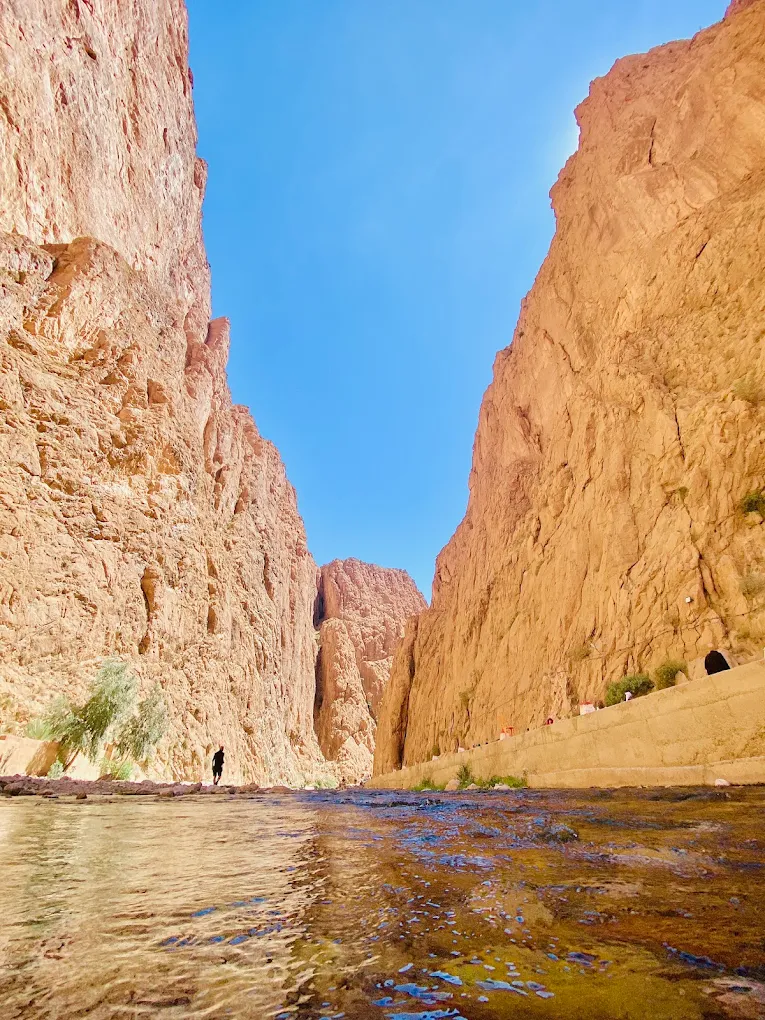
    Private driver Morocco vs group tour: stopping at the Todra gorge for photos
    A private car can stop wherever the view is good.

    In private driver Morocco vs group tour, group tours stop at the main sites only, and time at each is limited. That is fine for first-time visitors who want the highlights. For a deeper experience, private plans allow detours such as villages and viewpoints. See day trip to Ait Benhaddou and Ouarzazate for a typical route.

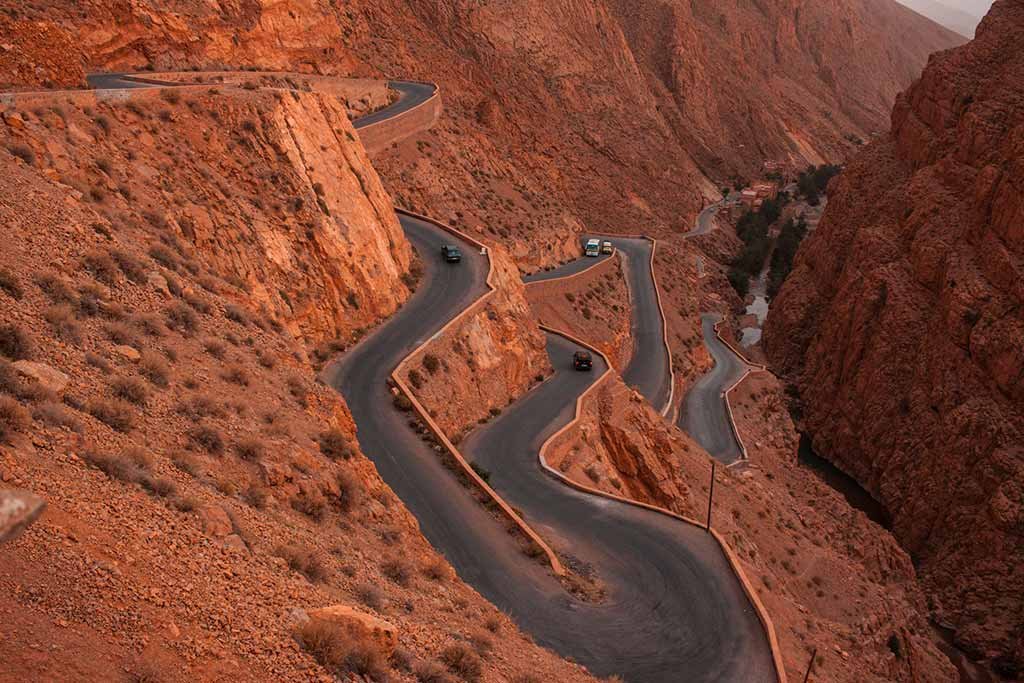
    Private driver Morocco vs group tour: the Dades gorges on a flexible route
    The Dades gorges reward a slow, flexible schedule.

    7. Safety, Roads and Reliability

    Safety matters in both styles of private driver Morocco vs group tour. Mountain roads need an experienced driver, and desert tracks need local knowledge. A good private driver knows the road, the weather and the stops, and can change the plan when conditions change.

    Group operators often have larger fleets, which helps if a vehicle breaks down. Ask about insurance, vehicle age and what happens in an emergency. For general advice, read is Morocco safe to travel.

    • Check: licence, insurance and recent vehicle checks.
    • Avoid: night driving on mountain roads.
    • Ask: who is the backup if the car fails?

    8. Families, Couples and Friends

    Families usually prefer a private driver. Children need breaks, snacks and flexible naps, and parents need space. In private driver Morocco vs group tour, a private car gives that freedom. Seats for children can be arranged in advance.

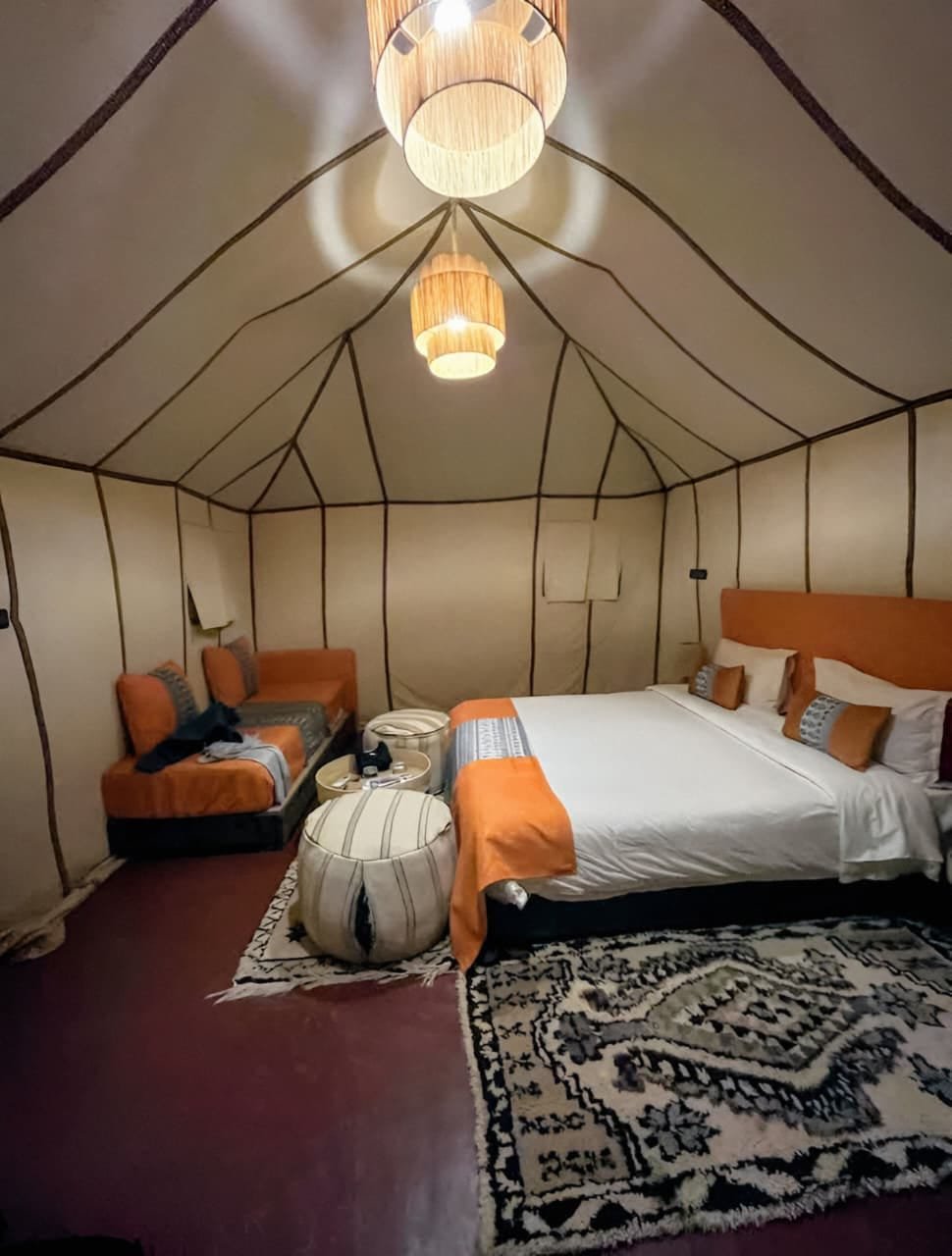
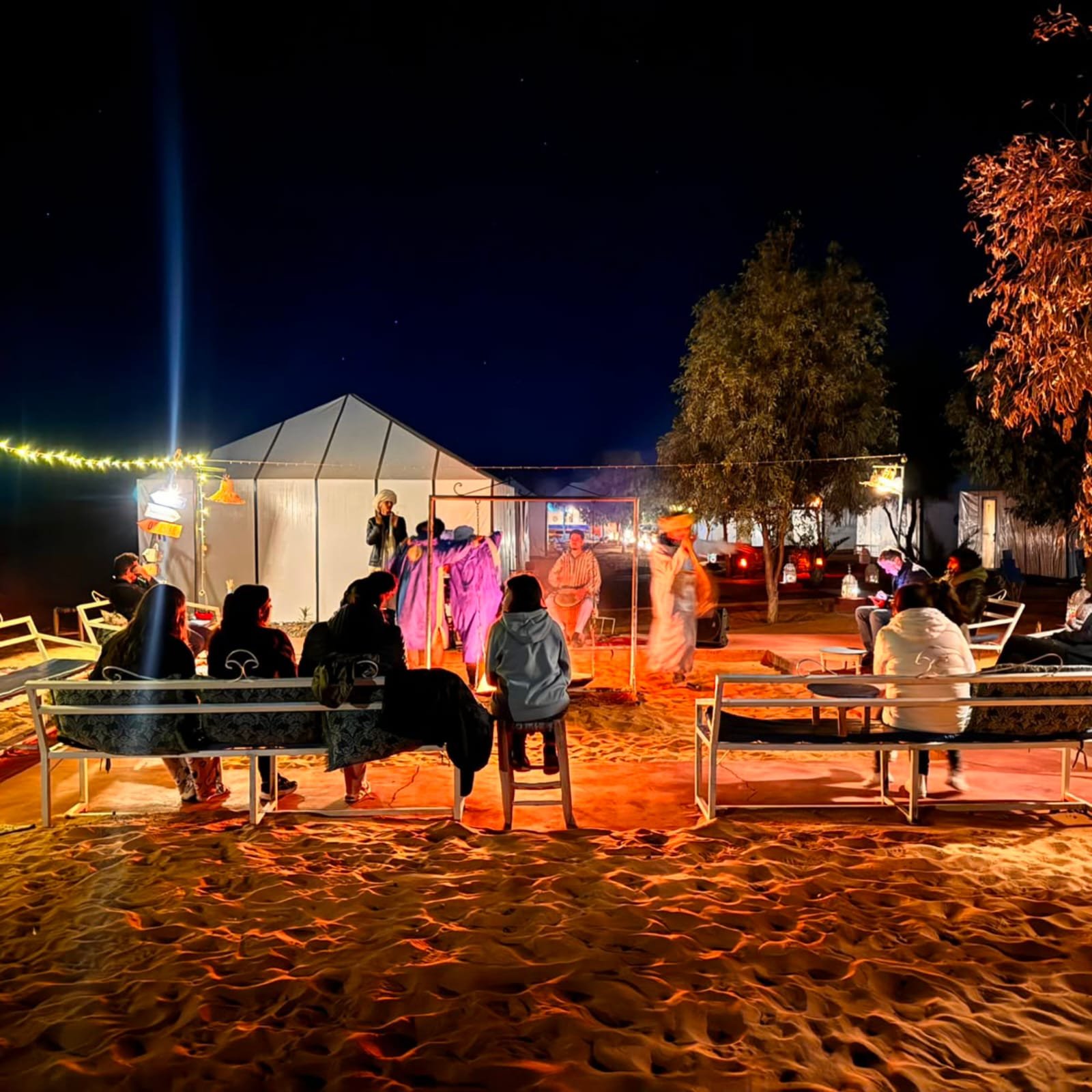
    Private driver Morocco vs group tour: a private desert camp for families and couples
    A private camp suits families and couples.

    Couples enjoy quiet moments and romantic stops. Friends travelling together can also share the cost of a private vehicle, which often makes it competitive with a group tour for four or more people.

    9. Women and Solo Travellers

    Solo travellers often ask about private driver Morocco vs group tour. A group tour is easy and social, and it removes the stress of planning. A private driver can also feel safe and friendly, especially with a reliable operator and clear communication.

    Private driver Morocco vs group tour: a solo traveller exploring Marrakech
    Many solo travellers mix guided days with free time in the city.

    Women travelling alone should choose a trusted operator, share the plan with someone at home and ask for the driver’s name in advance. For city advice, read visiting Marrakech as a woman.

    10. Value for Money

    Value is more than price. In private driver Morocco vs group tour, a group tour spreads the cost of the vehicle across many people, so it can be cheaper for one traveller. A private driver costs more per vehicle, but the price per person drops with a larger party.

    For private driver Morocco vs group tour, think about what you get: time, comfort, flexibility and a custom plan. Ask for a clear written list of what is included, and compare the same route and the same days. A cheap offer that skips stops is not the same product.

    Private Driver Morocco vs Group Tour: Comparison Table

    Use this table to compare the two styles quickly.

    Point Private driver Group tour
    Flexibility High Low
    Pace Your own Set by the group
    Company Your party New people
    Comfort High Medium to good
    Guide attention Personal Shared
    Photos and detours Easy Limited
    Cost per person Lower with 3 or more Lower for solo
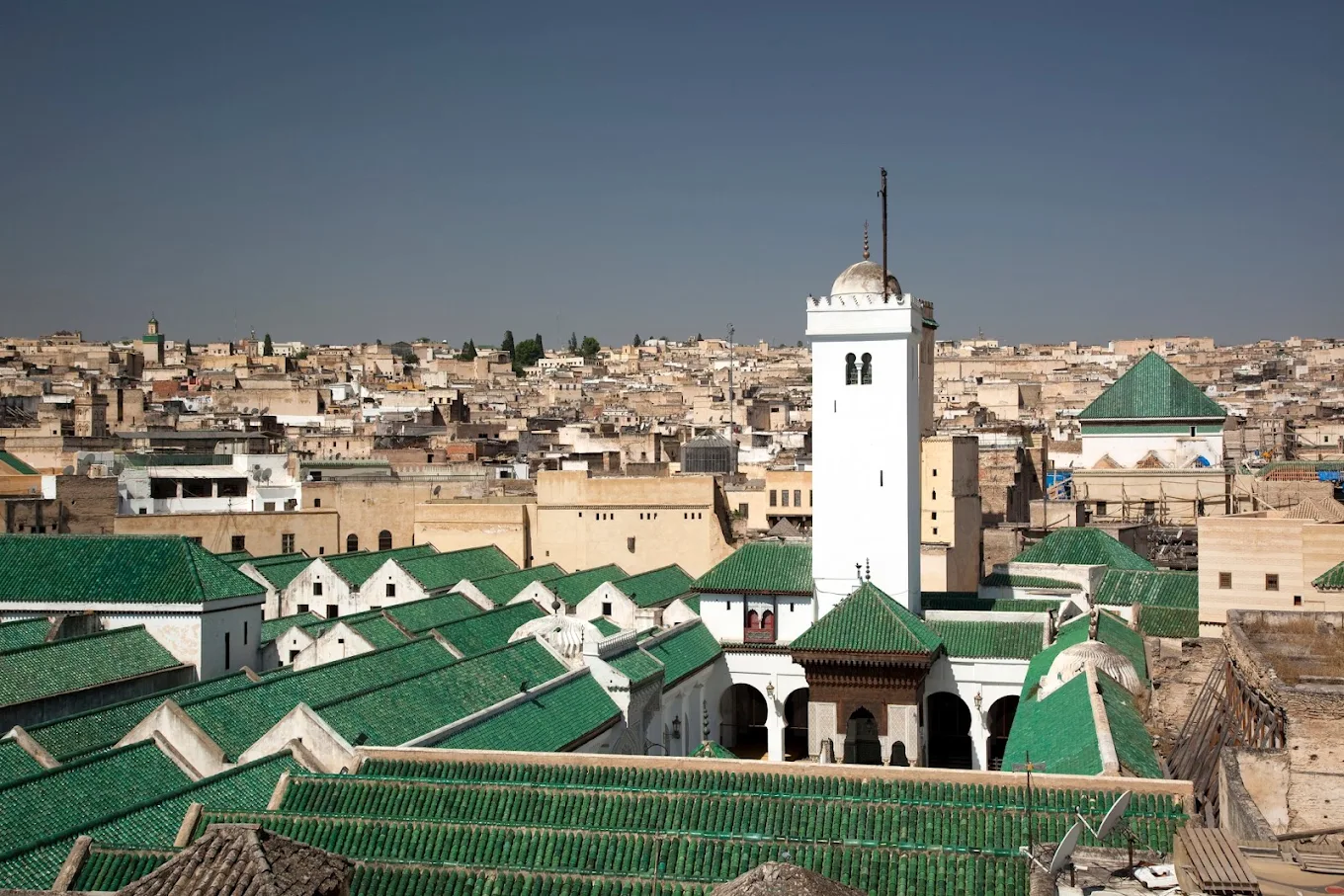
    Private driver Morocco vs group tour: the medina of Fes on a longer route
    Longer routes through the imperial cities benefit from a flexible plan.

    Who Should Choose a Private Driver, and Who a Group Tour?

    Choose a private driver in the private driver Morocco vs group tour decision if you are a family, a couple, a photographer, a small group of friends or a traveller who values comfort and time. It is also a good choice for people with limited mobility or special diets.

    Choose a group tour if you travel alone, enjoy meeting people, want a simple plan and do not mind a fixed schedule. It is also good for travellers on a tight budget who want to see the highlights in a short time.

    Traveller Best choice
    Family with children Private driver
    Couple Private driver
    Solo traveller Group tour or small private
    Photographer Private driver
    Group of 4 to 8 friends Private driver or minibus

    Sample Routes for Each Style

    Popular routes work for both styles of private driver Morocco vs group tour. A private plan can follow the classic Marrakech to Merzouga route in three days, with Ait Benhaddou, the Dades and Todra gorges and a night in the dunes. A group tour usually follows the same road, with set stops.

    For a shorter trip, the 2 days from Marrakech to Merzouga route is possible but long, and the 2 days tour from Marrakech to Zagora is easier. For imperial cities, read Fes to Marrakech desert tours. On the way you pass the UNESCO site of Ait Benhaddou.

    Private driver Morocco vs group tour: reaching the Merzouga dunes after a long road
    The reward at the end of a long road: the Sahara.

    How to Choose a Good Driver or Operator

    Whatever you choose in private driver Morocco vs group tour, the operator matters most. Check recent reviews, ask for the vehicle photos and the driver’s name, and write to the company with questions. A reliable team answers quickly and clearly.

    • Reviews: recent and detailed, not only five stars.
    • Vehicle: clean, insured and air-conditioned.
    • Driver: experienced, calm and polite.
    • Plan: clear route, stops and overnight places.
    • Contact: a direct phone or WhatsApp number.

    Real-Life Examples of Private Driver Morocco vs Group Tour

    Examples make the private driver Morocco vs group tour choice clearer. Imagine a couple on honeymoon. They want quiet sunsets, slow breakfasts and a private tent. A private driver fits them perfectly, because the plan follows their mood and nobody else is waiting.

    Now imagine a family of five with two small children. For this family, private driver Morocco vs group tour is almost an easy decision. They need snack stops, flexible naps and a car with space, and a private vehicle solves all of that without stress.

    A solo traveller in her twenties sees private driver Morocco vs group tour differently. She wants friends, a simple plan and a fair price, so a small group tour is a natural fit. She can still add a private day later if she wants more freedom.

    A group of four friends often finds that private driver Morocco vs group tour is closer in price than expected. Splitting one vehicle four ways makes a private route affordable, and the friends can choose music, stops and timing together.

    Senior travellers usually value comfort and clear communication. In private driver Morocco vs group tour, they often choose private, because a driver can slow the pace, avoid long walks and wait patiently at each site. A guide can also help with steps and heat.

    Photographers are another clear case. For them, private driver Morocco vs group tour is mostly a question of light. A private car can reach a viewpoint at sunrise and stay until the colours change, while a group schedule rarely allows that.

    Whatever your profile, the best answer to private driver Morocco vs group tour is the one that matches your priorities. Write to us, and we will explain both options in simple terms and recommend what suits you.

    Red Flags to Avoid

    Some warning signs appear in both private driver Morocco vs group tour offers. Be careful with very low offers, vague itineraries, pressure to pay at once and drivers who change the plan without reason. Another warning is a company that does not answer questions before booking.

    Also avoid unofficial guides who approach you in the street and promise very cheap trips. Book through a clear, contactable operator, and keep a written confirmation.

    The Hybrid Option: Private Driver With Group Moments

    You do not have to choose only one style. Many travellers use a private driver for the road and join small group activities, such as a cooking class, a camel trek or a camp evening. This blend gives freedom and social contact.

    In private driver Morocco vs group tour, the hybrid plan works well for solo travellers who want flexibility and company, and for friends who like both quiet time and a lively camp. Ask your operator if they can combine the two.

    Private driver Morocco vs group tour: a shared camel ride at sunrise in the Sahara
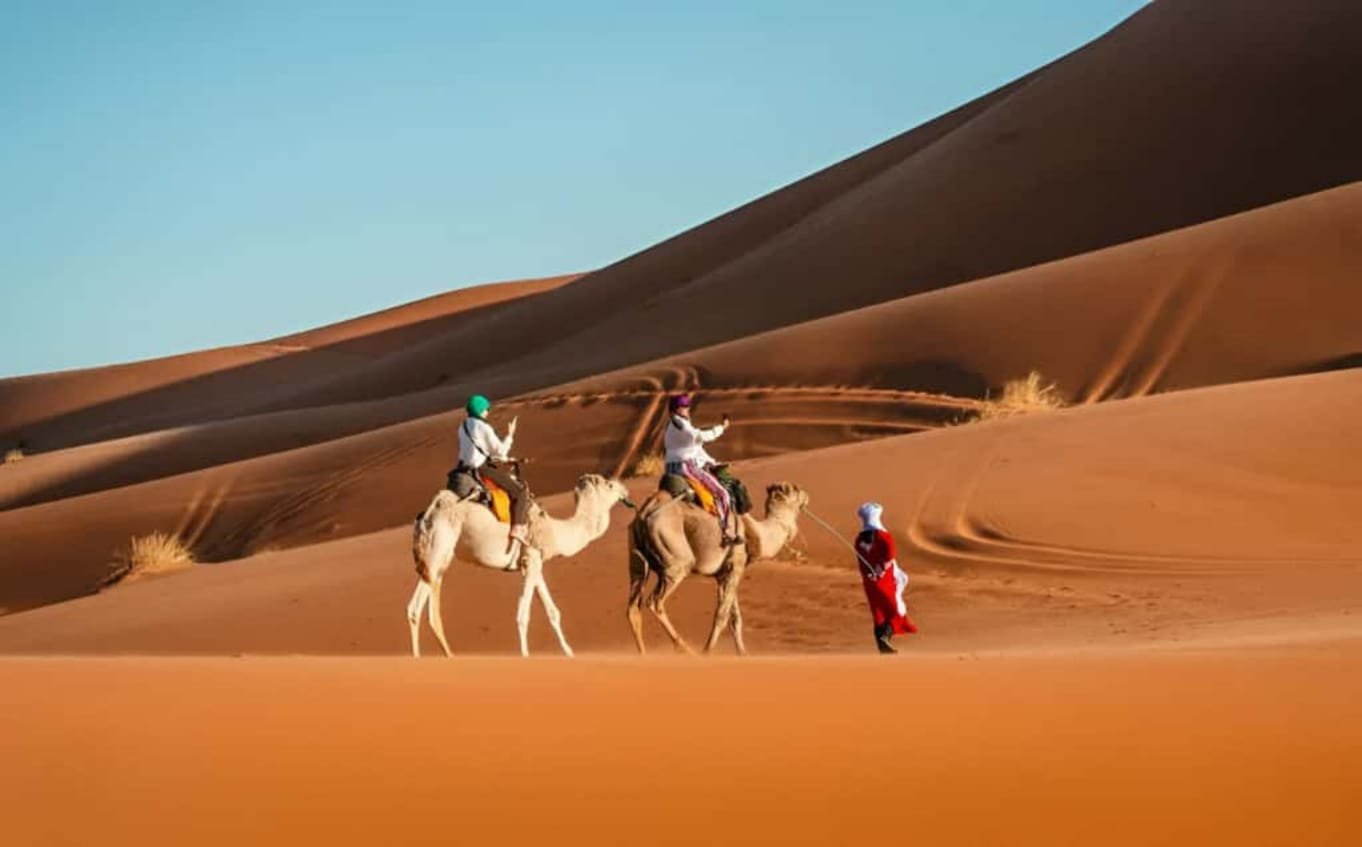
    A camel ride is a good shared moment on any plan.

    Season and Booking

    Spring and autumn are busy, so book both private drivers and group tours early. In quiet months you have more choice and may find a better camp. Weather also matters: winter roads can be icy in the Atlas, and summer heat is strong in the south.

    Group tours depart on set dates, so your dates must match. Private trips start when you choose, which is useful if your flights are fixed. For planning, see how do you organize a trip to Morocco and how many days in Morocco is enough.

    Tipping, Etiquette and Communication

    In both styles of private driver Morocco vs group tour, tipping is common and appreciated. A small tip for a driver and a guide, given at the end of the trip, is normal if you are happy. Ask your operator what is customary, and keep small notes.

    On private driver Morocco vs group tour days alike, be punctual, polite and clear about your wishes. A short chat each morning helps the driver adjust the day. Learn a few words of Darija, and a smile will do the rest.

    Mistakes to Avoid

    The biggest mistake in private driver Morocco vs group tour is to choose only by price. A low price may hide short stops, a poor vehicle or hidden extras. Another mistake is to pack too much into a short time, because distances are long.

    A third mistake is to expect a group tour to be private, or a private plan to be social. A fourth is to book without a written list of what is included. Finally, do not ignore the season, because roads and heat change the trip.

    Myths About the Two Styles

    One myth in private driver Morocco vs group tour is that private is always too expensive. For three or four people, the price per person can be close to a group tour. Another myth is that group tours are always crowded. Small groups can be friendly and comfortable. A third myth is that drivers cannot guide. Many are experienced and knowledgeable, though official site guides may still be required at some monuments.

    Private driver Morocco vs group tour: a quiet Sahara camp away from the crowds
    A quiet camp, far from the crowds.

    Local Tips From Our Team

    • Define your priorities: time, budget, company or comfort.
    • Ask for a written plan: routes, stops and overnight places.
    • Check the vehicle: photos and age.
    • Plan buffer time: roads are slow.
    • Stay flexible: weather and traffic can change plans.

    Travellers often ask us about private driver Morocco vs group tour on their first trip. We usually suggest a private plan for families and couples and a small group for solo travellers. Write to us on WhatsApp with your dates and group size, and we will recommend the right style. For more routes, see Morocco itineraries.

    Final Thoughts on Private Driver Morocco vs Group Tour

    Private driver Morocco vs group tour has no single winner. A private driver offers freedom, comfort and a plan built around you. A group tour offers company, simplicity and shared cost. The right choice depends on who you are, how you travel and what you want to feel.

    If you are unsure, start with your priorities. If time and comfort come first, choose private. If people and simplicity come first, choose a small group. Whichever you pick, book with a trusted team and keep a written plan.

    Send us your dates, group size and wishes. We will explain your options in plain words and build a plan that fits. Visit Morocco travel for more guides.

    Frequently Asked Questions

    Is a private driver better than a group tour in Morocco?

    It depends. A private driver gives flexibility and comfort, and a group tour gives company and simplicity. Families and couples usually prefer private, and solo travellers often prefer groups.

    Is a private driver more expensive than a group tour?

    For one traveller, usually yes. For three or four people sharing a vehicle, the price per person becomes much closer.

    Is a private driver safe in Morocco?

    Yes, with a reliable operator. Ask for the driver’s name, the vehicle details and a direct contact number.

    Can a private driver also be my guide?

    Many drivers know the road and the culture well. Some sites require an official local guide, so ask who will lead each visit.

    Can I mix both styles?

    Yes. Many travellers use a private driver and join small group activities such as a camel trek or a cooking class.

    When should I book?

    Book weeks ahead in spring and autumn, and a few days ahead in quiet months.

    How can I get a plan?

    Send your dates and group size on WhatsApp at +212 682 832 176 or through our contact page.

    Plan Your Private Driver Morocco Trip

    Tell us your dates and group size. We will recommend the right style and build a clear, flexible plan.

    Request a Free QuoteWhatsApp Us

  • What Is the Best Time to Visit Merzouga? Ultimate 12-Month Guide With Best Tips

    What Is the Best Time to Visit Merzouga? Ultimate 12-Month Guide With Best Tips

    Morocco · Merzouga · Season and Weather Guide

    What Is the Best Time to Visit Merzouga? Ultimate 12-Month Guide With Best Tips

    Heat, cold, wind, stars and crowds, month by month

    What is the best time to visit Merzouga? For most travellers the answer is spring (March to May) and autumn (late September to November). Days are warm, nights are cool, the sky is clear and the dunes are comfortable to climb. Winter is good for clear stars and calm light, and summer is possible only with a careful plan.

    This guide explains what is the best time to visit Merzouga month by month. You will find temperatures, wind and rain, crowds, the best months for camel treks, stars and photos, plus honest tips for summer and winter, so you can choose your dates with confidence.

    When you are ready, see our Merzouga desert tour, and for the dunes read Erg Chebbi.

    What Is the Best Time to Visit Merzouga? The Short Answer

    Quick answer: the best time to visit Merzouga is March to May and late September to November. Temperatures are pleasant, skies are clear and the camp nights are comfortable. December to February is cold at night but beautiful, and June to August is very hot, so ride at sunrise and sunset only.
    Season Months Verdict
    Spring March to May Excellent, sometimes windy
    Summer June to August Very hot, quiet
    Autumn September to November Excellent, clear light
    Winter December to February Cold nights, clear stars
    What is the best time to visit Merzouga: golden Sahara dunes in good light
    Good light on the dunes, the reward of choosing the right season.

    Why the Season Matters in the Sahara

    When you ask what is the best time to visit Merzouga, remember that the desert has big swings. The sand heats fast in the day and cools fast at night. A hot afternoon can become a cold evening within a few hours, and the gap is larger in winter and summer than in spring and autumn.

    Knowing what is the best time to visit Merzouga also changes your plan. In mild months you can ride a camel at midday, walk the dunes and sleep under the stars. In extreme months you must shift activities to the cool hours. A good itinerary respects this rhythm.

    • Comfort: pleasant days and nights in spring and autumn.
    • Light: clear air gives sharper photos in winter and autumn.
    • Crowds: peak months are busier, and summer is quiet.
    • Safety: avoid midday heat and strong wind.

    1. January in Merzouga

    When you ask what is the best time to visit Merzouga, note that January is cold at night, with temperatures that can approach freezing in the dunes, and mild by day. Skies are very clear, the air is crisp, and stars are spectacular. Crowds are small after the holidays, and camps often provide heavy blankets and heaters.

    It is a good month for photographers and for travellers who prefer calm. Bring a warm jacket, a hat and gloves for the evening.

    What is the best time to visit Merzouga: a quiet winter camp among the dunes
    A quiet winter camp, with clear air and cold nights.

    2. February in Merzouga

    February is still cold at night but days start to feel warmer. Occasional rain can bring a short-lived lake near the village, which attracts birds. The dunes are quiet, and the light is soft.

    If you are asking what is the best time to visit Merzouga for peace and stars, February is a strong choice. Pack layers and a scarf.

    What is the best time to visit Merzouga: the seasonal lake after winter rain
    After rain, a shallow lake can appear near the village.

    3. March in Merzouga

    In the debate on what is the best time to visit Merzouga, March is one of the best months. Days are warm, nights are cool and the desert is calm. Wind can start in late March, but it is usually moderate. Tour demand rises, so book camps ahead.

    Whatever you decide on what is the best time to visit Merzouga, the air in March is clear, and sunsets are strong. It is an excellent time for camel treks, quad rides and a night in the camp.

    What is the best time to visit Merzouga: sunrise over the dunes in March
    March sunrise, calm and golden.

    4. April in Merzouga

    Another answer to what is the best time to visit Merzouga is April, which is warm and bright. Daytime temperatures are comfortable for walking, and nights are mild enough for a tent. Spring winds sometimes bring dust, so a scarf and sunglasses help.

    If you plan what is the best time to visit Merzouga around holidays, remember that April is a very popular month, especially during school holidays. Reserve early for luxury tents and private cars.

    What is the best time to visit Merzouga: a spring sunset on the dunes
    Spring sunsets are warm and long.

    5. May in Merzouga

    On what is the best time to visit Merzouga, May marks the end of the comfortable season. Days become hot, but evenings are still pleasant. Plan camel rides for late afternoon and keep midday for rest in an air-conditioned room or a shaded tent.

    Crowds begin to thin. For those who want warmth without extreme heat, early May is a good compromise.

    What is the best time to visit Merzouga: a luxury camp with shade for warm months
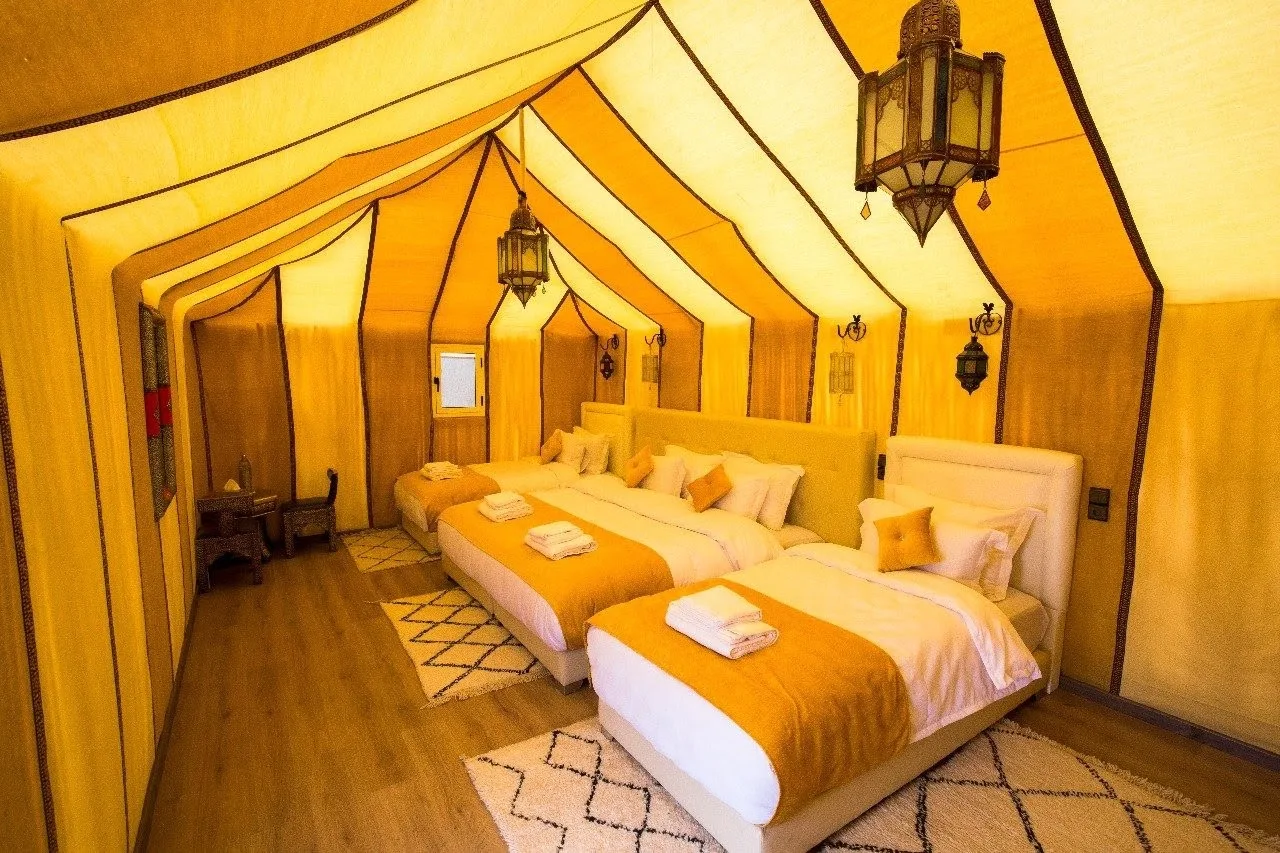
    A luxury camp with shade is a good choice for warm months.

    6. June in Merzouga

    For what is the best time to visit Merzouga, June is a harder choice: it is hot, with strong sun during the day. The dunes can be too hot to walk on barefoot in the afternoon. Sunrise and sunset are the best moments, and many guests choose a camp with a pool or a cool room.

    Few travellers come, so prices are often lower and the dunes are quiet. Drink water often and wear a hat.

    7. July in Merzouga

    July is the hottest month, and midday can be very harsh. If you must travel now, plan an early start, a long rest in the afternoon and a camel ride just before sunset. Nights are warm, so tents can feel hot without a fan.

    For summer, what is the best time to visit Merzouga is a matter of taste: the desert is empty and silent, which some travellers love. Ask your guide about shade, water and a camp with good airflow.

    What is the best time to visit Merzouga: the empty dunes of the summer season
    In summer the dunes are empty and silent.

    8. August in Merzouga

    August is also very hot. Local life slows down, and many activities move to the evening. Occasional storms can bring sudden wind and dust, so stay flexible.

    It can still be a memorable month with the right plan: sleep in the camp, wake before dawn and spend the middle of the day in a cool place.

    What is the best time to visit Merzouga: a luxury desert camp at sunset
    A good camp makes warm months much easier.

    9. September in Merzouga

    September is still warm, especially early in the month, but evenings improve. By the end of the month the heat eases and the season begins. It is a good time for travellers who want warmth and fewer people.

    Occasional storms can happen, so keep a flexible plan. Dunes look dramatic after rain.

    What is the best time to visit Merzouga: early autumn sunrise on the Sahara
    Early autumn light is soft and warm.

    10. October in Merzouga

    October is excellent. Days are pleasant, nights are comfortable and the light is soft. It is one of the best answers to what is the best time to visit Merzouga, because the weather is stable and the camps are lively.

    It is busy in school holiday weeks, so book camps and drivers in advance.

    What is the best time to visit Merzouga: an autumn camel ride at sunrise
    Autumn sunrise on the dunes, with a camel caravan.

    11. November in Merzouga

    Many guides answer what is the best time to visit Merzouga with November, a favourite month. Days are mild, nights are cooler and the sky is clear. The dunes are comfortable for climbing, and sunsets are golden. Bring a warm layer for the camp evening.

    For what is the best time to visit Merzouga in a calm period, November has good availability, and it suits travellers who want a balance between warmth and quiet.

    What is the best time to visit Merzouga: travellers on the dunes in November
    November is mild and clear, ideal for walking the dunes.

    12. December in Merzouga

    December has cold nights and bright days. Around the end-of-year holidays, the village is busy and camps fill. The stars are spectacular, and the air is very clear.

    If December is your answer to what is the best time to visit Merzouga, bring warm clothes, because desert nights can feel much colder than the day suggests. A hot tea by the fire is part of the magic.

    What is the best time to visit Merzouga: a traveller wearing a desert scarf
    A scarf is useful in every season, for wind, sun and cold.

    Month-by-Month Table

    Use this table to compare what is the best time to visit Merzouga for your dates. The notes are general, and weather varies from year to year.

    Month Days Nights Verdict
    January Mild Very cold Good, quiet
    February Mild Cold Good, quiet
    March Warm Cool Excellent
    April Warm Mild Excellent
    May Hot Mild Good
    June Very hot Warm Hard
    July Extreme Warm Hard
    August Extreme Warm Hard
    September Hot Mild Good
    October Warm Cool Excellent
    November Mild Cold Excellent
    December Mild Very cold Good
    What is the best time to visit Merzouga: a private luxury tent for cold winter nights
    A private tent with warm blankets suits winter nights.

    Best Time to Visit Merzouga by Activity

    Your activity can change what is the best time to visit Merzouga for you. A camel trek and a night in camp are good in most months. Quads and sandboarding are best in cooler hours. Photography prefers clear winter and autumn light.

    Activity Best months Best hour
    Camel trek March to May, October, November Late afternoon
    Camp night Most months Sunset to sunrise
    Quad and sandboarding Spring and autumn Sunrise or sunset
    Photography Autumn and winter Golden hours
    Stargazing Winter and autumn After dark

    For ideas, read what to do in Merzouga and quad biking and sandboarding in Merzouga.

    Wind, Sand and Rain

    For what is the best time to visit Merzouga, remember that rain is rare, but when it comes it can be sudden. Storms are more likely in autumn and spring, and they may close roads or fill dry river beds for a short time. Wind is more common in spring and summer, and it can lift sand into the air.

    When the wind rises, your guide may move the ride, shorten the walk or change the camp. A scarf, sunglasses and a calm attitude are the best tools. Never ignore a guide who suggests waiting.

    What is the best time to visit Merzouga: an overnight desert camp in calm weather
    Calm evenings are common in autumn and winter.

    Stars, the Moon and the Night Sky

    The Sahara has some of the clearest skies in Morocco. If stars matter most, choose a night around the new moon, when the sky is darkest. A full moon is also beautiful, because it lights the dunes in silver, but it hides the faintest stars.

    Winter nights are the clearest and the coldest. Spring and autumn are a good balance, with clear skies and a warm blanket. See 2 nights in Merzouga desert for a longer stay.

    Crowds, Holidays and Booking

    Busy periods include school holidays in Europe, the end-of-year break and some national holidays. In those weeks, good camps, drivers and quads are booked early, so reserve ahead. Quiet periods offer more flexibility and often a calmer camp.

    Ramadan also changes the rhythm of local life, and the dates move earlier each year. Visits are still possible, but shops and restaurants may keep different hours, and some local guides prefer a lighter schedule. Ask about it when you plan.

    Visiting in Summer

    If your only free dates are in summer, you can still enjoy the desert. Choose a camp with air conditioning or a pool, start early, rest at midday and ride at sunset. Drink water constantly and avoid walking on hot sand.

    • Timing: sunrise and after 5 pm only.
    • Camp: shade, fans or air conditioning.
    • Clothing: light, long and loose.
    • Water: more than you think you need.

    Visiting in Winter

    Winter is excellent for clarity but cold. Nights in the dunes can be near freezing, and tents may feel chilly. A good camp gives thick blankets, and some offer heating. Wear thermal layers, a hat and gloves for the evening.

    Days are sunny and mild, so you can still walk, ride and photograph. Many travellers say winter is the most peaceful time to see the Sahara.

    What is the best time to visit Merzouga: Erg Chebbi dunes in clear winter light
    Clear air in cooler months gives sharp, golden dunes.

    What to Pack for Each Season

    Packing depends on what is the best time to visit Merzouga for your dates. In every season, bring a scarf, sunglasses, sun cream and closed shoes. Add a warm jacket in winter, a thin layer in spring and autumn, and a hat and light long sleeves in summer.

    Season Pack
    Winter Thermal layers, jacket, hat, gloves
    Spring Light layers, scarf, wind jacket
    Summer Loose clothes, hat, water bottle
    Autumn Layers for cool evenings

    Planning the Route to Merzouga

    The road to Merzouga is long, and the season changes it. In winter, the Atlas passes may have snow, and in summer the road is hot. From Marrakech you cross the High Atlas and pass the UNESCO site of Ait Benhaddou, then continue through the Dades and Todra region.

    What is the best time to visit Merzouga: a traveller on the dunes in good weather
    Good weather makes the long road worth it.

    For routes, see Marrakech to Merzouga desert tour 3 days, 2 days from Marrakech to Merzouga and Marrakech to Merzouga desert tours. A third day is always better than a rushed second one.

    What is the best time to visit Merzouga: Ait Benhaddou on the road south
    Ait Benhaddou, the classic stop on the road to the dunes.
    What is the best time to visit Merzouga: the Todra gorge on the way to the Sahara
    The Todra gorge is greener and cooler in spring.

    Mistakes to Avoid

    The biggest mistake is to ignore the season. Many visitors ask what is the best time to visit Merzouga only after they book, then discover a very hot week or a cold night. Another mistake is to pack only summer clothes in winter, because desert nights are cold.

    A third mistake is to plan a very short stay in extreme heat. A fourth is to skip booking in busy weeks. Finally, do not cross the desert without water or a local guide.

    Myths About the Season

    One myth is that the Sahara is always hot. In winter it is cold at night, and frost is possible. Another myth is that summer is impossible. It is difficult but not impossible with a good plan. A third myth is that rain ruins the trip. A short storm can leave a lake, birds and dramatic skies.

    Local Tips From Our Team

    • Choose shoulder months: March, April, October and November.
    • Book early: good camps fill in school holidays.
    • Layer up: days and nights differ a lot.
    • Ask the guide: he knows the wind and the road.
    • Stay flexible: weather can change plans.

    Travellers often ask what is the best time to visit Merzouga for a first trip. We usually say late October or April. If you are unsure, send us your dates and we reply with an honest answer. For planning, see how do you organize a trip to Morocco.

    How to Choose Your Dates: What Is the Best Time to Visit Merzouga for You?

    Only you can decide what is the best time to visit Merzouga for your trip, but a few questions make it easy. First, how much heat or cold can you enjoy? Second, how important are crowds, prices and availability? Third, do you want stars, photos, activities or simply rest?

    If comfort comes first, choose April or October. If silence and stars matter most, choose January, February or December and pack warm clothes. If your dates are fixed in summer, accept the heat, choose a camp with shade and enjoy the quiet dunes at sunrise and sunset.

    Many travellers ask what is the best time to visit Merzouga when they travel with children. Spring and autumn are the easiest, because the heat is lower and the nights are mild. Families who go in winter should bring warm sleeping layers, and families who go in summer should plan short activities.

    Couples often ask what is the best time to visit Merzouga for a romantic trip. Late autumn and early spring offer warm days, golden sunsets and cosy fires, and the camps are not too crowded. Honeymooners usually prefer a private luxury tent and a quiet sunset ride.

    Photographers also ask what is the best time to visit Merzouga for pictures. Autumn and winter give the cleanest air, and spring gives dramatic skies. Plan to be on the dunes at sunrise and in the last hour before sunset, when shadows shape the sand.

    If you still cannot choose, write to us with your dates, group and wishes. We will explain what is the best time to visit Merzouga in your case, suggest the right camp and build a simple private plan. See also 2 days camel trekking in Merzouga for a calm overnight option.

    Final Thoughts: What Is the Best Time to Visit Merzouga?

    So, what is the best time to visit Merzouga? Spring and autumn win for comfort, winter wins for stars and silence, and summer works with early starts and a cool camp. The right month is the one that fits your dates, your budget of time and your tolerance for heat or cold.

    Whatever you choose, plan with a trusted local team, respect the desert and enjoy the sunset. For more ideas, see Morocco itineraries and is Morocco safe to travel.

    Send us your dates and group size. We will recommend the best route, camp and timing for your trip.

    Frequently Asked Questions

    What is the best time to visit Merzouga?

    March to May and late September to November. Days are warm, nights are cool and the skies are clear.

    Is Merzouga too hot in summer?

    It can be very hot from June to August. Plan activities for sunrise and sunset, and choose a camp with shade or air conditioning.

    Is it cold in Merzouga in winter?

    Nights can be near freezing, while days are mild and sunny. Bring warm layers, a hat and gloves.

    When are the best stars?

    Clear winter nights around the new moon give the darkest sky, and autumn and spring are also excellent.

    Does it rain in Merzouga?

    Rarely, but storms can occur, especially in autumn and spring. A short rain can create a temporary lake.

    When should I book?

    Book weeks ahead for spring, autumn and holiday periods, and a few days ahead in quiet months.

    How can I plan my dates?

    Send your dates and group size on WhatsApp at +212 682 832 176 or through our contact page.

    Plan the Best Time to Visit Merzouga

    Tell us your dates and group size. We will recommend the right season, route and camp for your trip.

    Request a Free QuoteWhatsApp Us

  • Quad Biking and Sandboarding in Merzouga: Ultimate Guide to 10 Best Experiences

    Quad Biking and Sandboarding in Merzouga: Ultimate Guide to 10 Best Experiences

    Morocco · Merzouga · Erg Chebbi Adventure

    Quad Biking and Sandboarding in Merzouga: Ultimate Guide to 10 Best Experiences

    Engines, dunes, village tea and a board down the Sahara

    Quad biking and sandboarding in Merzouga is the most exciting way to meet the Erg Chebbi dunes. You ride a quad bike across hard desert tracks, stop in a Berber village, drink tea in a nomad tent, then climb a dune and slide down it on a board. It is fun, it is easy to learn and it fits into a single afternoon.

    This guide explains quad biking and sandboarding in Merzouga step by step. You will find the 10 best experiences, how long each ride lasts, the safety rules, what to wear, the best season and how to combine the activity with a camel trek or a desert camp, so you can plan with confidence.

    For the wider area, read our what to do in Merzouga guide, and for the dunes themselves see Erg Chebbi.

    Quad Biking and Sandboarding in Merzouga: The Short Answer

    Quick answer: quad biking and sandboarding in Merzouga usually takes 2 to 4 hours. You ride a quad across the plain and the foot of the dunes, visit a village or nomad tent, then climb a dune with a sandboard and slide down. Sunset is the best time, and no experience is needed.
    Part What you do Feeling
    Quad ride Tracks, dune edges, village Fast and fun
    Tea stop Nomad tent or Khamlia Calm and cultural
    Sandboarding Climb and slide Playful and tiring
    Sunset Dune top, camp or camels Magical
    Quad biking and sandboarding in Merzouga: golden Erg Chebbi dunes at sunset
    The Erg Chebbi dunes, the playground for quad biking and sandboarding in Merzouga.

    Why Choose Quad Biking and Sandboarding in Merzouga?

    Merzouga has the highest dunes in Morocco, and they rise straight from the plain. That is why quad biking and sandboarding in Merzouga feels so complete: the flat tracks are ideal for engines, and the tall dunes are ideal for boards. In few places can you do both in the same hour.

    The activity also suits many travellers. You do not need to be fit, young or experienced. Guides explain each step, and the pace can be gentle or fast. For a short stay, it is the best way to add energy to a calm camel and camp trip.

    • Two activities in one: engines on the plain, boards on the dune.
    • Local culture: villages, music and tea on the same route.
    • Flexible: a short ride or a long half day.
    • Great photos: dunes, dust trails and long shadows.

    1. Merzouga as Your Base

    Merzouga is a small village at the edge of the Sahara, about 560 km from Marrakech and a short drive from Rissani. It has guesthouses, desert camps, cafes and activity offices, and it is the main starting point for quad biking and sandboarding in Merzouga.

    Most travellers arrive after a long road trip. If you come from the Atlas, read Ouarzazate to Merzouga for the route, or plan a full journey with Marrakech to Merzouga desert tour 3 days.

    Tip: do not book the quad on the arrival afternoon if you are exhausted. Keep it for the next morning or sunset.
    Quad biking and sandboarding in Merzouga: sunrise over the Erg Chebbi dunes
    Sunrise over the dunes, a calm start before the engines.

    2. The Erg Chebbi Dunes

    The dunes of Erg Chebbi are the stage for quad biking and sandboarding in Merzouga. They stretch for about 20 km along the Algerian border region and reach up to roughly 150 m at the highest crests. The sand changes from pale gold at noon to deep orange at sunset.

    Quad biking and sandboarding in Merzouga: the high dunes of Erg Chebbi
    High crests and soft slopes, perfect for boards.

    Quads normally stay on the hard ground and the low edges of the dunes, because the deep soft sand is for walkers, camels and boards. This protects both the machine and the landscape.

    3. Choosing Your Quad

    For quad biking and sandboarding in Merzouga, you can usually choose between a single quad for one rider and a double quad for two. Beginners can ride with a guide in front, and confident riders can follow at their own pace. The machines are automatic or semi-automatic, so you do not need to shift gears.

    Quad biking and sandboarding in Merzouga: a quad bike ready for the dunes
    A quad bike ready for the desert tracks.
    Quad biking and sandboarding in Merzouga: a quad tour in the dunes
    A guided quad tour at the edge of the dunes.

    Ask to see the machine before you start. A good operator keeps quads clean, fuelled and checked, and gives you a helmet. If the equipment looks poor, choose another provider.

    4. Briefing, Helmet and Scarf

    Every ride begins with a short briefing. The guide shows the throttle, the brake, the stop switch and the hand signals. You learn how to turn gently, how to slow on soft sand and how to keep a safe distance behind the next quad.

    For quad biking and sandboarding in Merzouga, wear the helmet, and wrap a scarf around your nose and mouth. Dust is part of the fun, but a scarf and sunglasses keep it out of your eyes and throat. This small step makes quad biking and sandboarding in Merzouga much more comfortable.

    5. The Quad Route Across the Plain

    The classic route starts on the stony plain, follows a track toward the dunes and circles the foot of the sand. You pass dry river beds, small palm groves and wide open views. The guide stops often so that everyone can rest, drink water and take photos.

    Quad biking and sandboarding in Merzouga: riders crossing the desert plain
    Riders crossing the plain toward the dunes.
    Quad biking and sandboarding in Merzouga: a group riding quad bikes in the desert
    Riding in a group, one behind the other.

    Speed is set by the guide, so a group moves together. If you want a calmer ride, say so at the start. For more of the area, read what to see and do in Merzouga.

    6. Khamlia Village and Gnawa Music

    Many routes for quad biking and sandboarding in Merzouga stop in Khamlia, a village known for Gnawa music, with roots in sub-Saharan Africa. Musicians play drums and metal castanets, and the rhythm is hypnotic. A short visit is often possible, and it adds a cultural layer to an active day.

    Quad biking and sandboarding in Merzouga: the village stop at Khamlia
    A village stop gives the ride a human side.

    On quad biking and sandboarding in Merzouga days, be respectful: ask before photographing people, and agree on any tip with your guide before the visit.

    7. A Nomad Tent and Mint Tea

    Another highlight of quad biking and sandboarding in Merzouga is a visit to a nomad family. Their tent stands on the plain, and they receive guests with mint tea and bread. You can learn how they live with little water and few resources, and how the seasons change their routine.

    Nomad life is changing, and many families now live between the desert and the village. A calm tea is a good way to understand that. Listen first and take photos only when invited.

    8. The Lake and the Open Plain

    After rain, a shallow lake sometimes appears near Merzouga and draws birds such as flamingos. Even when it is dry, the cracked white bed makes a striking photo stop. On a quad it is easy to reach, and the guide can tell you whether water is present that week.

    Quad biking and sandboarding in Merzouga: the lake near the quad tracks
    The lake and its birds appear after rain.

    9. Sandboarding on a Real Dune

    Sandboarding is the second half of quad biking and sandboarding in Merzouga. Your guide parks the quads at the base of a dune, gives you a board, waxes it and shows you how to stand or sit. The climb is the hard part, because sand is soft, but the slide down takes only a few seconds.

    Quad biking and sandboarding in Merzouga: a sandboard ready on the dune
    The board is waxed before each run.
    Quad biking and sandboarding in Merzouga: sandboarding on a dune during a quad tour
    A board and a steep slope are all you need.

    Beginners usually sit or lie on the board, which is stable and fun. Confident riders can stand like on a snowboard. Falls are soft, but keep your mouth closed and wear glasses, because sand flies.

    Quad biking and sandboarding in Merzouga: sandboarding down a dune
    Sliding down a dune is over in seconds, and everyone wants a second run.

    10. Sunset and the Desert Camp

    The best finish to quad biking and sandboarding in Merzouga is sunset on the dunes. Climb to a crest, sit in the quiet and watch the sand turn orange. Then ride or walk to a camp, where tea, dinner and music wait. If you want a night in the dunes, read 2 nights in Merzouga desert.

    Quad biking and sandboarding in Merzouga: a camp among the dunes at dusk
    A camp among the dunes at dusk.
    Quad biking and sandboarding in Merzouga: a quad and a board on the sand
    One day, two activities: a quad and a board.

    Many travellers pair the activity with a camel trek, which is slower and quieter. See 2 days camel trekking in Merzouga for that option.

    Durations and Best Timing

    The length of quad biking and sandboarding in Merzouga depends on the route. A short ride lasts about one hour, a classic ride with a village stop lasts about two hours, and a half day includes the lake, a tent and a long sandboarding session.

    Option Time Includes
    Short ride About 1 hour Quad on the plain and dune edge
    Classic About 2 hours Quad, village stop, tea
    Half day 3 to 4 hours Quad, lake, tent, sandboarding
    Sunset combo Late afternoon Quad, board, dune sunset
    Quad biking and sandboarding in Merzouga: a buggy ride near Erg Chebbi at sunset
    A buggy ride near Erg Chebbi in the late light.

    Sunrise is cooler and calmer, and sunset has the best light. Midday is hot in summer, so avoid it.

    Quad, Buggy or Camel?

    Many visitors compare quad biking and sandboarding in Merzouga with other desert activities. A quad gives control and freedom, a buggy is more comfortable and good for groups, and a camel is slow, silent and traditional. Each shows the desert in a different way.

    Quad biking and sandboarding in Merzouga: a dune buggy crossing the Sahara at dawn
    A buggy is a comfortable alternative to a quad.
    Item Quad Buggy Camel
    Feeling Active and free Comfortable and fast Slow and calm
    Best for Solo riders and couples Groups and families Sunset and camp
    Dust High Medium Low

    Our Merzouga desert tour mixes camels, 4×4 and activities, and it is a good choice if you want variety.

    Safety Rules for Quad Biking and Sandboarding in Merzouga

    Safety matters as much as fun. For quad biking and sandboarding in Merzouga, follow these rules:

    • Wear a helmet: always, even on slow tracks.
    • Follow your guide: stay on the marked route.
    • Keep your distance: dust hides the quad in front.
    • Go slowly on soft sand: turn gently and avoid sudden braking.
    • Drink water: heat tires you faster than you think.
    • Respect age limits: children ride with an adult.

    Ask about insurance and what happens if a machine breaks down. A good operator answers clearly. For general travel advice, read is Morocco safe to travel.

    Best Season for Quad Biking and Sandboarding in Merzouga

    Spring and autumn are the best seasons, with warm days and cool evenings. Winter has clear skies but cold mornings and nights, so bring layers. Summer is very hot, so ride at sunrise or late in the day, and drink often.

    Season Conditions Advice
    Spring Mild, sometimes windy Great for all activities
    Summer Very hot Sunrise or late afternoon only
    Autumn Warm and clear Excellent light
    Winter Cold mornings Wear layers and a scarf

    Wind can bring sand and reduce visibility. If a sandstorm is forecast, your guide may shorten or move the ride.

    What to Wear and Bring

    You do not need special equipment for quad biking and sandboarding in Merzouga, but the right clothes help. Wear long trousers, closed shoes, a long-sleeved shirt and a scarf, and bring sunglasses, sun cream and a small bottle of water.

    • Clothing: light layers in neutral colours.
    • Shoes: closed, not sandals.
    • Eyes: sunglasses or goggles.
    • Camera: a strap and a dust cover.
    • Cash: small notes for tips and tea.

    For quad biking and sandboarding in Merzouga, leave jewellery and valuables at your hotel, because sand gets everywhere.

    Combine the Activity With a Desert Tour

    Most travellers add quad biking and sandboarding in Merzouga to a longer trip. A classic plan is a night in a desert camp, a quad and board session on the next morning, and a camel ride at sunset. This gives you both the slow and the fast sides of the Sahara.

    Quad biking and sandboarding in Merzouga combined with a camel ride at sunset
    A camel ride at sunset pairs well with a quad session.

    If you start in Marrakech, our 2 days from Marrakech to Merzouga and Marrakech to Merzouga desert tours show how to fit the activity into a full itinerary. On the way you pass the UNESCO site of Ait Benhaddou.

    Respect the Desert and Its People

    Quad biking and sandboarding in Merzouga: a quiet desert camp among the dunes
    A quiet camp, far from the engines.

    The dunes are fragile. Responsible quad biking and sandboarding in Merzouga means staying on tracks, taking your rubbish with you and not chasing wildlife. It also means paying fairly, listening to local guides and asking before photographing people.

    Noise carries far in the desert, so avoid riding near camps at night. A respectful traveller is welcomed everywhere, and local families are proud to share their home.

    Mistakes to Avoid

    The biggest mistake with quad biking and sandboarding in Merzouga is to choose the cheapest offer without checking the equipment. Another is to ride at noon in summer, to skip water or to wear sandals. Many first-timers also underestimate how tiring the dune climb is.

    A fourth mistake is to expect to ride deep into the highest dunes. For safety and for the environment, quads stay on hard ground. Finally, do not forget to confirm the start time, the duration and what is included before you go.

    Families, Couples and Groups

    Quad biking and sandboarding in Merzouga works for many travellers. Couples enjoy a double quad and a sunset slide, friends turn sandboarding into a friendly race, and families can choose a calm route with a buggy or a double quad. Children usually ride with an adult.

    Ask about minimum ages and about helmets in children’s sizes. If someone does not want to ride, they can watch from a dune or join the tea stop.

    Myths About the Activity

    Some people think quad biking and sandboarding in Merzouga is only for experts. In truth, a guide leads every ride and the quads are easy to control. Another myth is that sandboarding is like snowboarding. It is easier, because falls are soft, but the climb is harder. A third myth is that the activity damages the desert. With rules and respect, the impact is small.

    Local Tips From Our Team

    • Choose sunset: better light and cooler air.
    • Wax the board: a good wax doubles the speed.
    • Climb in your own steps: follow the firm sand along the ridge.
    • Ask your guide: he knows the safest and most beautiful route.
    • Keep it simple: bring only what you need.

    Travellers often ask when to book quad biking and sandboarding in Merzouga. In spring and autumn, ask a day ahead, and in quiet months you can arrange it on arrival. Write to us on WhatsApp with your dates and we will reply with a clear plan.

    Planning Your Quad Biking and Sandboarding in Merzouga Session

    A little planning makes quad biking and sandboarding in Merzouga smoother. Decide first how much time you have, then choose between a short ride, a classic ride or a half day. Tell the guide about your experience, any health limits and whether you prefer speed or calm.

    When you compare offers for quad biking and sandboarding in Merzouga, check these points one by one:

    • Equipment: clean quads, working brakes and real helmets.
    • Guide: a local who knows the tracks and speaks your language.
    • Group size: small groups are safer and more fun.
    • Boards: waxed sandboards in good shape for everyone.
    • Terms: a clear list of what is included and what is not.

    Many guests book quad biking and sandboarding in Merzouga on the day after arrival, once they have rested. Others add it before a camel trek and a camp night. Both orders work, but the light and the temperature matter more than the sequence. In summer, choose sunrise or the last hours of daylight.

    Think about photos too. Quad biking and sandboarding in Merzouga is very photogenic, but sand is hard on cameras. Use a strap, a dust cover and a clean cloth, and keep spare memory space. A phone in a zip bag is often enough.

    Groups can share the cost of a guide, so quad biking and sandboarding in Merzouga is easy to organise with friends or family. Couples often prefer a private guide and a quiet sunset on the dunes. Whatever your style, we adapt the plan to you.

    If you travel between several cities, the activity fits many routes. After the dunes, you can continue to the gorges, to Ouarzazate or to Fes. See all Morocco tours for ideas, and write to us on WhatsApp to build a simple private plan.

    Final Thoughts on Quad Biking and Sandboarding in Merzouga

    Quad biking and sandboarding in Merzouga is fast, funny and unforgettable. You ride across the plain, meet local people, drink tea in the desert and slide down a dune at sunset. It adds energy to any Sahara trip and creates stories you will tell for years.

    Choose a trusted guide, wear the right gear, respect the desert and enjoy every moment. For more ideas, see Morocco itineraries and how do you organize a trip to Morocco.

    Send us your dates and group size. We will build a private plan with the right route, safe equipment and the best light.

    Frequently Asked Questions

    Is quad biking and sandboarding in Merzouga suitable for beginners?

    Yes. A guide gives a briefing and leads the ride, and the machines are easy to control. Sandboarding is also beginner friendly.

    How long does the activity last?

    A short ride takes about one hour, a classic ride about two hours and a half day three to four hours.

    Do I need a driving licence?

    Rules vary by operator, so ask when you book. Many offer a guided ride with a short briefing.

    When is the best time of day?

    Sunset has the best light, and sunrise is cooler. Avoid midday heat in summer.

    Can children join?

    Children usually ride with an adult on a double quad or in a buggy. Ask about age limits and helmet sizes.

    What should I wear?

    Long trousers, closed shoes, a scarf, sunglasses and sun cream. Bring a warm layer in winter.

    How can I book?

    Send your dates and group size on WhatsApp at +212 682 832 176 or through our contact page.

    Book Your Quad Biking and Sandboarding in Merzouga

    Tell us your dates and group size. We will arrange a safe, fun and well-guided desert adventure.

    Request a Free QuoteWhatsApp Us

  • 2 Days Zagora Desert Tour From Marrakech: Ultimate Guide to 10 Best Stops

    2 Days Zagora Desert Tour From Marrakech: Ultimate Guide to 10 Best Stops

    Morocco · Private Desert Tour · 2 Days, 1 Night in the Sahara

    2 Days Zagora Desert Tour From Marrakech: Ultimate Guide to 10 Best Stops

    High Atlas, Ait Benhaddou, the Draa valley and a night among the dunes of Zagora

    The 2 days Zagora desert tour from Marrakech is the easiest way to sleep in the Sahara without a very long drive. You cross the High Atlas by the Tizi n’Tichka pass, visit the kasbah of Ait Benhaddou, follow the palm-lined Draa valley to Zagora, ride a camel at sunset and spend the night in a desert camp.

    This guide explains the 2 days Zagora desert tour from Marrakech stop by stop. You will find the day-by-day route, driving times, the 10 best stops, camps, the best season, what to pack and honest advice on how it compares with Merzouga, so you can choose with confidence.

    For the ready-made trip, see our 2 days tour from Marrakech to Zagora, and for a longer Sahara option read Marrakech to Merzouga desert tours.

    2 Days Zagora Desert Tour From Marrakech: The Short Answer

    Quick answer: the 2 days Zagora desert tour from Marrakech covers about 350 km each way. Day 1 crosses the Atlas, visits Ait Benhaddou and follows the Draa valley to Zagora for a camel trek and a camp night. Day 2 returns to Marrakech, usually in the evening.
    Day Route Night
    Day 1 Marrakech, Tizi n’Tichka, Ait Benhaddou, Ouarzazate, Agdz, Zagora Desert camp
    Day 2 Sunrise, Draa valley, Ouarzazate, Tizi n’Tichka, Marrakech Back in Marrakech
    2 days Zagora desert tour from Marrakech: sand dunes near Zagora in the Sahara
    The dunes near Zagora, the goal of the 2 days Zagora desert tour from Marrakech.

    Why Choose a 2 Days Zagora Desert Tour From Marrakech?

    Zagora is closer than Merzouga, so the 2 days Zagora desert tour from Marrakech is more realistic for a short trip. The drive is about 350 km, compared with about 560 km to Merzouga, which saves around two or three hours each way. That extra time means a calmer day and less fatigue.

    The route is also very scenic. You see snow on the Atlas in winter, a UNESCO kasbah, a film town and one of the longest palm valleys in Morocco. It is a good first desert trip for travellers who want a real night in the Sahara without a three-day plan.
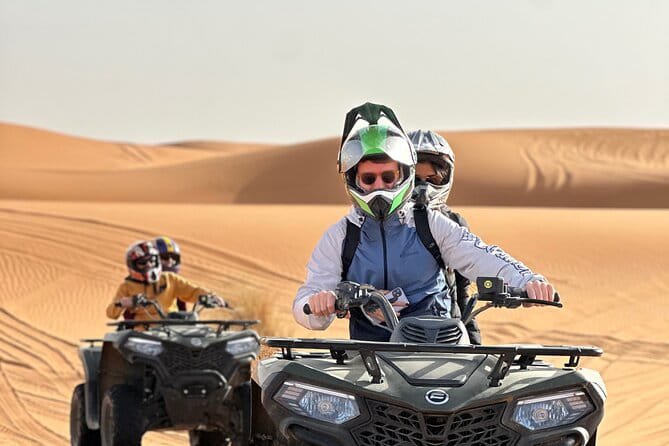
    • Shorter drive: about 350 km each way.
    • Real Sahara night: camel trek, camp, music and stars.
    • Great scenery: pass, kasbah, palm valley.
    • Private and flexible: your own driver-guide and schedule.

    1. Leaving Marrakech Early

    The 2 days Zagora desert tour from Marrakech starts with a pick-up at your hotel or riad, usually at about 7:00 or 8:00. An early start is essential, because day 1 includes a long mountain road, a visit to Ait Benhaddou and the drive to Zagora before sunset. Breakfast is taken before leaving.

    The first hour crosses the Haouz plain, with olive trees, red earth and the snow-topped Atlas ahead. If you want to see the city first, read things to do in Marrakech and plan a day there after the trip.

    Tip: keep a small bag for the camp night and leave the big luggage in the boot or at your hotel.

    2. Tizi n’Tichka: The High Atlas Pass

    The first highlight of the 2 days Zagora desert tour from Marrakech is the Tizi n’Tichka pass, at about 2,260 m. The road climbs through hairpin bends, red valleys and small Berber villages, with views that change at every curve. In winter you may see snow, and in spring the slopes turn green.

    Drivers usually stop at a viewpoint for photos and a mint tea. It is a good time to ask your guide about Berber life, argan and the old caravan routes that crossed these mountains.

    3. Ait Benhaddou: The Kasbah of Films

    Ait Benhaddou is the most famous stop on the 2 days Zagora desert tour from Marrakech. This fortified earthen village on the old caravan route is a UNESCO World Heritage site, and many films were shot among its towers and walls. The river is crossed on stones or a small bridge.

    2 days Zagora desert tour from Marrakech: the kasbah of Ait Benhaddou
    Ait Benhaddou, the first big stop on the road south.

    On the 2 days Zagora desert tour from Marrakech, walk to the top for a wide view over the valley and the palm groves. Your guide explains how the village was built and how families lived here. A visit takes about one hour. For more, read day trip to Ait Benhaddou and Ouarzazate.

    4. Ouarzazate: The Door of the Desert

    After Ait Benhaddou, the 2 days Zagora desert tour from Marrakech continues to Ouarzazate, a quiet city known for film studios and a large kasbah. Lunch is usually taken here, and the air becomes drier. The landscape changes from mountains to rocky plains.

    2 days Zagora desert tour from Marrakech: the road through the Ouarzazate plain
    The road from Ouarzazate runs south into drier land.

    If you want to explore the film studios or the Taourirt kasbah, ask your guide in advance. Both are short stops. The next stage is the Draa valley, which is one of the best parts of the trip.

    5. Agdz and the Draa Valley

    The Draa valley is the longest river valley in Morocco, and a highlight of the 2 days Zagora desert tour from Marrakech. From Ouarzazate, the road passes the Tizi n’Tinififft pass and then descends to Agdz, where the palm groves begin. Date palms, mud villages and old kasbahs line the road for many kilometres.

    The valley is green, even in the dry season, because water from the Atlas feeds the oases. Your driver can stop for a short walk through a palm grove, where you can see small fields, irrigation channels and families at work.

    2 days Zagora desert tour from Marrakech: earthen kasbah architecture in southern Morocco
    Earthen kasbahs are common in the valleys of the south.

    6. Tamegroute: Pottery and the Old Library

    Close to Zagora, the 2 days Zagora desert tour from Marrakech can stop at Tamegroute, a village known for green-glazed pottery and for an old Koranic library with ancient manuscripts. Many visitors enjoy a short stop at a pottery workshop to see how the clay is shaped and fired.

    The village has a calm, traditional feel, and it shows another side of life in the south. If time is short, your guide can skip it, but it is a good cultural addition for travellers who like crafts.

    7. Zagora Town and the Timbuktu Sign

    Zagora is a small oasis town at the edge of the Sahara. On the 2 days Zagora desert tour from Marrakech, you pass the famous sign that says Tombouctou 52 jours, a reminder that caravans once took about 52 days to reach Timbuktu from here. It is a popular photo stop.

    The town has a market, small shops and cafes, and it is a good place to buy a scarf for the dunes. Then the road continues south to the camel point, where the desert begins.

    8. Tinfou Dunes and the Camel Trek

    In the late afternoon, the 2 days Zagora desert tour from Marrakech reaches the dunes near Tinfou, south of Zagora. You meet your camel guide, put on a scarf and climb onto your camel. The ride lasts about an hour and ends at the camp as the sun goes down and the sand turns orange.

    2 days Zagora desert tour from Marrakech: golden dunes of the Sahara at sunset
    Sunset on the dunes, the signature moment of the trip.

    The dunes here are smaller than those of Erg Chebbi, but they are real Saharan sand, with soft shapes and wide skies. If you want the highest dunes, read about the Erg Chebbi option.

    9. Night in the Desert Camp

    The camp is the heart of the 2 days Zagora desert tour from Marrakech. It is hidden among the dunes, with tents, rugs, a dining area and a fire. Dinner is usually a tagine or a similar Berber meal, followed by drums, songs and tea. After that, the stars appear, and the silence is deep.

    2 days Zagora desert tour from Marrakech: a private tent in the desert camp
    A private tent in the dunes.

    On the 2 days Zagora desert tour from Marrakech, tents have beds and blankets, and nights can be cold, so bring a warm layer. Many guests say this night is the best part of the whole tour, because it feels far from everything.

    10. Sunrise and the Return to Marrakech

    Day 2 of the 2 days Zagora desert tour from Marrakech starts with sunrise. Climb a dune or watch from the camp as the sand changes from grey to gold. After breakfast, you ride back to the road and meet your driver for the return.

    The return follows the Draa valley, Agdz, Ouarzazate and the Tizi n’Tichka pass, with stops for lunch and photos. You arrive in Marrakech in the late afternoon or evening, depending on the pace. It is a long day, so plan a quiet evening.

    Tip: do not book an early flight the morning after. Keep the evening and the next morning free.

    2 Days Zagora Desert Tour From Marrakech: Day-by-Day Itinerary

    Day 1: Marrakech to the Zagora Dunes

    Leave Marrakech at about 7:30, cross the Tizi n’Tichka, visit Ait Benhaddou, have lunch in Ouarzazate, and follow the Draa valley through Agdz to Zagora. Take the camel trek at sunset, then enjoy dinner, music and a night in the camp. The drive is about 350 km.

    Day 2: Sunrise and the Road Home

    Watch the sunrise, have breakfast and return to Marrakech by the same route, with different light and new photo stops. The drive is again about 350 km, and arrival is usually in the evening.

    Time Plan
    7:30 Pick-up in Marrakech
    10:30 Tizi n’Tichka viewpoint
    12:00 Ait Benhaddou
    14:00 Lunch in Ouarzazate
    17:00 Dunes, camel trek and camp
    Next morning Sunrise, breakfast and return

    Distances and Driving Times

    For the 2 days Zagora desert tour from Marrakech, remember that mountain roads are slower than distances suggest. The numbers below are approximate and change with traffic, weather and stops.

    Section Distance Driving time
    Marrakech to Ait Benhaddou About 180 km About 4 hours
    Ait Benhaddou to Ouarzazate About 30 km About 30 minutes
    Ouarzazate to Zagora About 160 km About 2.5 hours
    Zagora to the dunes About 25 km About 30 minutes

    A private driver-guide makes the trip easier. You can stop for photos, adjust timing and avoid driving after dark.

    2 Days Zagora Desert Tour From Marrakech or Merzouga?

    Many travellers ask whether to choose Zagora or Merzouga. The 2 days Zagora desert tour from Marrakech is shorter and cheaper in time, while Merzouga has higher dunes and a longer drive. Here is a simple comparison.

    Item Zagora Merzouga
    Distance About 350 km About 560 km
    Dunes Smaller High, up to about 150 m
    Best length 2 days 3 days or more
    Feeling Quiet and easy Classic Sahara scenery

    If you only have two days, Zagora is the better choice. If you have three or more, see the Marrakech to Merzouga desert tour 3 days guide. For a very short escape, the day trip from Marrakech to Agafay desert is closer, but Agafay is stony, not sandy.

    Best Season for the 2 Days Zagora Desert Tour From Marrakech

    The best seasons are spring and autumn, when days are warm and nights are cool. Winter is also good, with clear skies, but nights can be very cold, and the Atlas pass may have snow. Summer is hot in Zagora, so plan activities for early morning and evening, and choose a camp with good shade.

    Season What to expect
    Spring Mild days, green palm valleys
    Summer Very hot days, warm nights
    Autumn Soft light and warm days
    Winter Cold nights, clear skies, snow on the pass

    Choosing a Desert Camp

    The camp changes the night more than any other detail of the 2 days Zagora desert tour from Marrakech. Standard camps are simple and friendly, with beds, blankets and shared bathrooms. Luxury camps offer large tents, private bathrooms and better food.

    Ask about the distance from the camel point, the type of bathroom and the dinner setting. Couples often prefer a private tent, and groups of friends often enjoy a standard camp with a big fire.

    2 days Zagora desert tour from Marrakech: tents and rugs of a desert camp
    Tents, rugs and a fire among the dunes.

    What Is Usually Included

    A well-planned 2 days Zagora desert tour from Marrakech normally includes a private vehicle and driver-guide, one night in a desert camp, the camel trek, dinner and breakfast, and hotel pick-up and drop-off in Marrakech. Lunches, drinks, entrance fees and tips are often extra.

    • Included: transport, driver-guide, camp, camel ride, dinner and breakfast.
    • Usually extra: lunches, drinks, entrance fees and tips.
    • Optional: sandboarding, quad rides and a pottery visit.

    Ask for the full list in writing before you confirm. We share clear details on WhatsApp so there are no surprises.

    What to Pack

    You do not need much for the 2 days Zagora desert tour from Marrakech, but layers matter. Bring a warm jacket, comfortable trousers, closed shoes, a scarf, sunglasses, sun cream and a small torch. Keep one overnight bag for the camp.

    • Clothing: layers for hot days and cold nights.
    • Sun protection: hat, sunglasses and cream.
    • Electronics: power bank and a dust cover for your camera.
    • Cash: small notes for tips and snacks.

    Food and Drink on the Road

    The 2 days Zagora desert tour from Marrakech is also a food trip. Expect tagines, couscous, Berber omelettes, fresh bread and mint tea. Vegetarian meals are easy, and allergies can be handled if you tell your guide early. For a safe table, read what not to eat in Morocco.
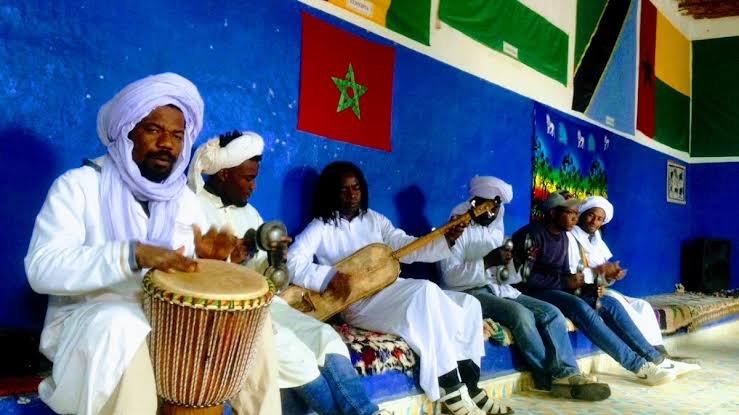
    For the 2 days Zagora desert tour from Marrakech, drink bottled water and carry a litre in the car. If you want to say thank you in the local way, see how do you say thank you in Morocco.
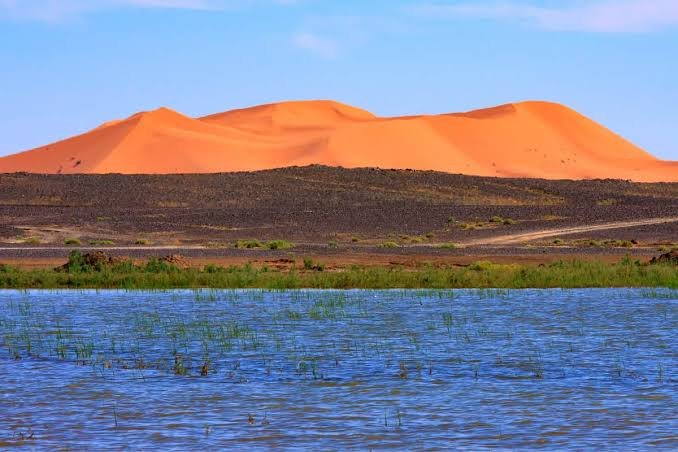
    Make It Longer: 3 Days and Beyond

    If you love the idea of the 2 days Zagora desert tour from Marrakech but want more time, add a day. A third day can include a free morning in the dunes, a visit to Tamegroute and the palm grove of Zagora, or a different return route through Ouarzazate with a night in a kasbah hotel.

    You can also continue to Merzouga, or end in another city such as Agadir or Fes. Our 3 days from Marrakech to Merzouga page and the 2 days from Marrakech to Zagora desert tour page show options.

    Mistakes to Avoid

    The biggest mistake with the 2 days Zagora desert tour from Marrakech is to expect a relaxed trip. It is a road trip, with about 700 km in total, so take breaks and enjoy each stop. Another mistake is to book a flight too soon after returning, or to pack heavy bags for one camp night.

    A third mistake is to expect the dunes of Merzouga. Zagora is quieter and smaller, but still beautiful. Finally, avoid unclear offers that do not list what is included. A good operator is open about every detail.

    Families, Couples and Solo Travellers

    Families can enjoy the 2 days Zagora desert tour from Marrakech with the right plan. Bring snacks and games for the car, choose a comfortable camp and plan a quiet evening on the return day. Children love camels, sand and stars.

    Couples often choose a private tent and a sunset ride, and solo travellers usually feel safe with a private driver-guide. For advice, read is Morocco safe to travel and visiting Marrakech as a woman.

    Myths About the 2 Day Zagora Trip

    Some people believe that the 2 days Zagora desert tour from Marrakech is too short to be worth it. In reality, it gives a true night in the Sahara and several highlights of the south. Another myth is that the desert is always hot, but nights can be very cold. A third is that all tours are the same. Guides, vehicles, camps and honesty make a big difference.

    Local Tips From Our Team

    • Start early: both days include long drives.
    • Choose private: flexibility is worth it.
    • Wear layers: nights are cold.
    • Protect your camera: sand is everywhere.
    • Ask questions: your guide knows the stories of every village.

    Travellers often ask when to book the 2 days Zagora desert tour from Marrakech. In spring and autumn, book early, because good camps fill up. Write to us on WhatsApp with your dates and group size, and we reply with a clear plan.

    Booking and Planning Your 2 Days Zagora Desert Tour From Marrakech

    Good planning makes the 2 days Zagora desert tour from Marrakech smooth. Start by choosing your dates, then confirm the number of travellers, the pick-up place and the type of camp. Tell us about dietary needs, mobility limits and any special occasion, because small details change the experience.

    When you compare offers for the 2 days Zagora desert tour from Marrakech, check these points one by one:

    • Vehicle: a comfortable, air-conditioned car or minibus with a licensed driver.
    • Guide: someone who speaks your language and explains each stop.
    • Camp: real tents in the dunes, not a roadside hotel.
    • Timing: an early departure and enough time for the camel trek.
    • Clear terms: a written list of what is included and what is not.

    Many travellers book the 2 days Zagora desert tour from Marrakech at the start of their trip, then plan the rest around it. Others add it after a few days in the city. Both work well, but the weather and the season matter more than the order. In summer, ask for a camp with strong shade and good ventilation.

    The 2 days Zagora desert tour from Marrakech also fits a longer circuit. You can combine it with Essaouira, Agadir or Fes before or after the desert. See Morocco itineraries for ideas, and ask us to build a private plan if you want something custom.

    If you are travelling with a group, the 2 days Zagora desert tour from Marrakech is easy to share, and a minibus keeps the cost per person low. For couples, a private car and a private tent give a quiet, romantic night. Whatever you choose, write to us on WhatsApp and we will reply with a clear answer and a simple plan.

    Final Thoughts on the 2 Days Zagora Desert Tour From Marrakech

    The 2 days Zagora desert tour from Marrakech is a compact and rewarding journey. You cross the High Atlas, walk through Ait Benhaddou, follow the Draa valley, ride a camel at sunset and sleep in the Sahara. It is a great choice for short holidays and first-time visitors.

    If you want more time, add a day. If you want higher dunes, choose Merzouga. Our team will help you choose the best option and keep the pace comfortable. See Morocco itineraries and how do you organize a trip to Morocco for more ideas.

    Send us your dates, group size and wishes. We will build a clear private plan with the right camp, the right guide and the best light at every stop.

    Frequently Asked Questions

    Is the 2 days Zagora desert tour from Marrakech worth it?

    Yes. It includes the High Atlas, Ait Benhaddou, the Draa valley, a camel ride and a night in the Sahara, with less driving than Merzouga.

    How far is Zagora from Marrakech?

    About 350 km, usually 6 to 7 hours of driving with stops.

    Where do we sleep on the tour?

    In a desert camp near Zagora, in a tent among the dunes.

    Are the dunes as high as Merzouga?

    No. The dunes near Zagora are smaller, but they are real Saharan sand and very beautiful at sunset.

    What should I bring?

    Comfortable clothes, a warm layer for the night, sun protection, a scarf, closed shoes and a small overnight bag.

    How can I book?

    Send your dates and group size on WhatsApp at +212 682 832 176 or through our contact page, and we reply with a clear plan.

    Book Your 2 Days Zagora Desert Tour From Marrakech

    Tell us your dates and group size. We will build a private plan with a driver-guide, comfortable stays and a magical night in the Sahara.

    Request a Free QuoteWhatsApp Us

  • Fes to Marrakech Desert Tours: Ultimate Guide to 10 Best Routes and Stops

    Fes to Marrakech Desert Tours: Ultimate Guide to 10 Best Routes and Stops

    Morocco · Private Desert Tours · Fes, Merzouga and Marrakech

    Fes to Marrakech Desert Tours: Ultimate Guide to 10 Best Routes and Stops

    Middle Atlas cedars, the Sahara dunes, Todra Gorge and Ait Benhaddou on one road

    Fes to Marrakech desert tours are the classic way to cross Morocco from one imperial city to the other. They leave the medina of Fes, climb through the cedar forests of the Middle Atlas, follow the Ziz valley to the Sahara dunes of Merzouga, then pass the gorges and kasbahs of the south before crossing the High Atlas to Marrakech.

    This guide explains Fes to Marrakech desert tours step by step. You will find 10 best stops, the difference between 2, 3, 4 and 5 day plans, driving times, camps, seasons, packing advice and honest tips from our local team, so you can choose the right route with confidence.

    For ready-made trips, see the tour pages 2 days tour from Fes to Marrakech and 3 days desert tour from Fes to Marrakech, or open all Morocco tours.

    Fes to Marrakech Desert Tours: The Short Answer

    Quick answer: Fes to Marrakech desert tours take 2 to 5 days, with a night in the Sahara at Merzouga. The 3 day plan is the best balance, covering about 1,070 km with stops in the Middle Atlas, the dunes, Todra Gorge, the Dades valley and Ait Benhaddou.
    Tour Best for Pace
    2 days Travellers with very little time Fast, mostly driving
    3 days Most travellers Balanced
    4 days Photographers and families Relaxed
    5 days Slow travel and extra stops Very relaxed
    Fes to Marrakech desert tours: the old medina of Fes where the journey begins
    The old city of Fes, the starting point of Fes to Marrakech desert tours.

    Why Travel From Fes to Marrakech Through the Desert?

    Many travellers need to go from Fes to Marrakech anyway, and Fes to Marrakech desert tours turn a long transfer into a highlight. Instead of a direct drive of about eight hours, you take a longer path through three landscapes: forest, desert and mountains. The journey becomes the best part of the trip.

    This route is also efficient. You move from north to south without repeating a road, and you end in Marrakech with a fresh city to explore. It suits travellers who combine the imperial cities, the Sahara and the Atlas in one plan.

    • One-way journey: no return drive to Fes.
    • Three worlds: cedar forest, dunes and kasbah valleys.
    • Private and flexible: your own driver-guide and schedule.
    • Easy planning: pick-up in Fes, drop-off in Marrakech.

    1. Leaving Fes Early

    Fes to Marrakech desert tours begin with a pick-up at your riad or hotel, usually at about 7:00 or 8:00. An early start matters, because day 1 is long. Before leaving, take a last look at the medina, which is a UNESCO World Heritage site, and keep a small bag in the car.

    If you have a free day before the tour, read things to do in Fes and plan the tanneries, the Al Quaraouiyine area and the blue gate. Leaving Fes in the morning light is a lovely start.

    Fes to Marrakech desert tours: rooftops and minarets of the Fes medina
    Rooftops of the Fes medina before the road south.

    2. Ifrane and Azrou: The Cedar Forest

    The first scenic stop on Fes to Marrakech desert tours is the Middle Atlas. Ifrane looks like an alpine town, with steep roofs, clean streets and parks, and it is often called the Switzerland of Morocco. In winter it can be covered in snow.
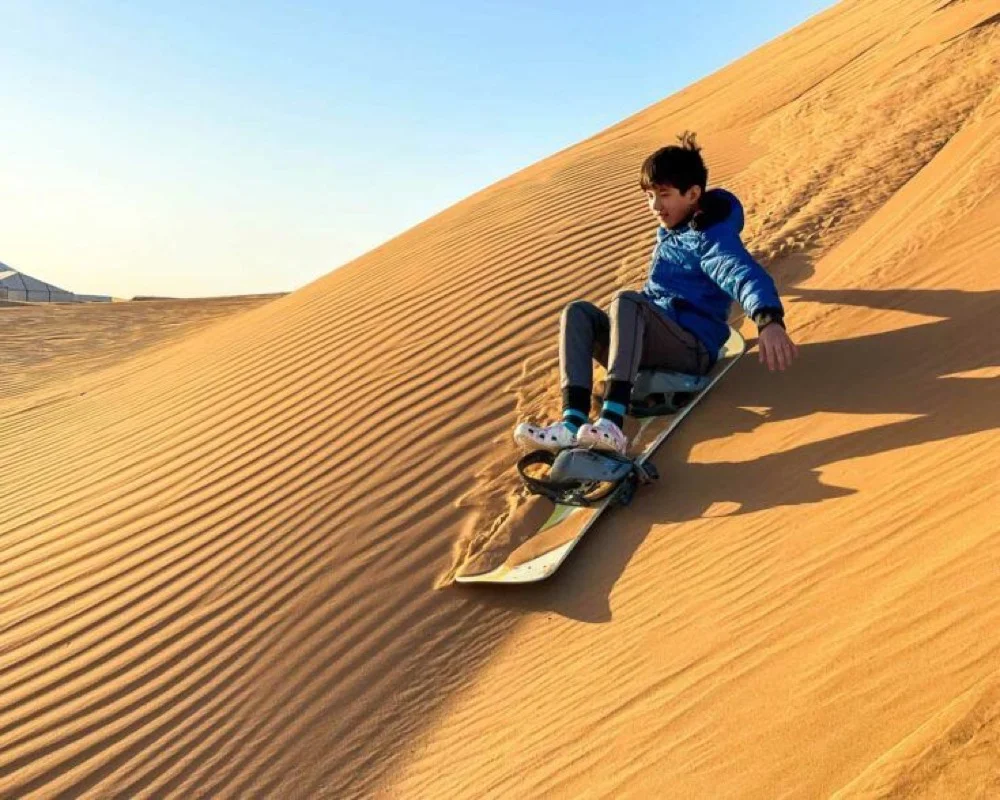
    Near Azrou, the cedar forest is home to Barbary macaques, a rare monkey species that often comes close to the road. Stop for photos and a short walk, but do not feed the animals. The air is fresh, and the forest is a big change from the medina.

    Fes to Marrakech desert tours: the Middle Atlas mountains between Fes and Midelt
    The Middle Atlas, the green start of the journey.

    3. Midelt and the Ziz Valley

    After the forest, Fes to Marrakech desert tours cross the high plateau to Midelt, a mining and apple town at the foot of the High Atlas. Lunch is often taken here. Then the road enters the Ziz gorges and the Ziz valley, with red cliffs, a long palm oasis and mud villages.

    The Ziz valley is one of the most beautiful parts of the day. Your driver can stop at a viewpoint over the palm grove, and you can see how water channels feed small fields. The air becomes warmer and drier as you go south.

    4. Erfoud, Rissani and the Gate of the Desert

    Next, Fes to Marrakech desert tours reach Erfoud, known for fossils, dates and marble full of ancient sea creatures. A short stop at a workshop shows how the stone is cut and polished. The town is also the starting point for many desert 4×4 excursions.

    Rissani, a little further, is a historic caravan town with a lively market on some days and the tomb of the founder of the Alaouite dynasty. The first dunes of Erg Chebbi now appear on the horizon, and the road becomes straight and flat.

    5. The Merzouga Dunes

    The great reward of Fes to Marrakech desert tours is Erg Chebbi, near Merzouga. The dunes rise up to about 150 metres, and the sand shifts from yellow to orange and red as the day goes on. The area is calm, with small villages, camps and palm trees at the edge of the sand.

    Fes to Marrakech desert tours: the Erg Chebbi dunes at sunset near Merzouga
    Erg Chebbi at sunset, the goal of the first long day.

    For more detail on the dunes, read Erg Chebbi and the Merzouga desert tour guide.

    6. Camel Trek and Desert Camp

    Every one of the Fes to Marrakech desert tours includes a camel trek and a night in the dunes. In the late afternoon, you ride for about an hour and a half into the sand sea as the light turns gold. The camp is hidden among the dunes, with tents, rugs, a dining tent and a fire.

    On Fes to Marrakech desert tours, dinner is a tagine or a similar Berber meal, followed by drums, songs and tea. After that, the sky fills with stars, and the silence is deep. Many travellers say this is the best night of their holiday.

    Fes to Marrakech desert tours: a camel caravan crossing the Erg Chebbi dunes at sunrise
    A camel caravan across Erg Chebbi.
    Fes to Marrakech desert tours: a camp tent in the Sahara dunes of Merzouga
    A desert camp in the dunes, the night of the trip.

    7. Todra Gorge

    On day 2, Fes to Marrakech desert tours leave the dunes after sunrise and drive west to the Todra Gorge, a canyon where limestone walls rise up to 300 metres. The road runs into the narrowest section, with a stream and palm trees at the bottom.

    On Fes to Marrakech desert tours, it is a good place for a walk, a tea and photos. Climbers come from around the world to try the routes, and you can watch them from the road. Early morning is quieter and cooler, and the light on the rock is beautiful.

    Fes to Marrakech desert tours: the tall rock walls of Todra Gorge
    The walls of Todra Gorge rise up to 300 metres.

    8. Dades Valley and the Road of Kasbahs

    The Dades valley is next on Fes to Marrakech desert tours. The road follows the river past red cliffs, the “Monkey Fingers” rocks and the bends of the Dades gorges. Many plans spend the second night here, in a guesthouse or kasbah hotel, which allows a calm evening.

    From there the route continues through Kelaat M’Gouna, known for its rose fields in spring, and Skoura, with its palm grove and old kasbahs. These stops show the green side of the south before the last mountain crossing.

    Fes to Marrakech desert tours: the Dades Gorges and the winding valley road
    The Dades Gorges, a favourite stop for the second night.
    Fes to Marrakech desert tours: a quiet desert camp scene in the Sahara
    A quiet camp scene on the desert road.

    9. Ait Benhaddou: The Kasbah of Films

    The most famous village on Fes to Marrakech desert tours is Ait Benhaddou. This fortified earthen village on the old caravan route is a UNESCO World Heritage site, and many films were shot among its towers and walls. The river is crossed on stones or a small bridge.

    Walk up to the top for a wide view over the valley and the palm groves. On Fes to Marrakech desert tours, your guide explains how the kasbah was built and how families lived here. For more detail, read day trip to Ait Benhaddou and Ouarzazate.

    Fes to Marrakech desert tours: the earthen kasbah of Ait Benhaddou at golden hour
    Ait Benhaddou glows orange in the late light.

    10. Tizi n’Tichka and Arrival in Marrakech

    The final stage of Fes to Marrakech desert tours crosses the Tizi n’Tichka pass, at about 2,260 m, with winding roads, Berber villages and wide views. In winter you may see snow, and in spring the slopes turn green. Drivers usually stop for photos and mint tea.

    Then the road descends to the Haouz plain, and the lights of Marrakech appear. Arrival is normally in the afternoon or evening, depending on the plan. For your free time in the city, see things to do in Marrakech.

    Fes to Marrakech desert tours: arrival in the Red City of Marrakech
    Marrakech, the end of the road and a perfect place to rest.
    Tip: do not book an early flight on the morning after you arrive. Keep a free evening and a quiet morning.

    Fes to Marrakech Desert Tours: Day-by-Day Itinerary

    Day 1: Fes to Merzouga

    Leave Fes in the morning, cross the Middle Atlas through Ifrane and Azrou, have lunch in Midelt, follow the Ziz valley to Erfoud and reach Merzouga in the late afternoon. The camel trek at sunset leads to the camp, where you have dinner and sleep in a tent. The drive is about 460 km.

    Day 2: Sahara, Todra and Dades

    Watch the sunrise, return to the road, visit the Todra Gorge and continue to the Dades valley or Ouarzazate, depending on the plan. It is a day of kasbahs, canyons and palm valleys, with about 330 km of driving.

    Day 3: Ait Benhaddou to Marrakech

    Visit Ait Benhaddou in the morning light, cross the Tizi n’Tichka and arrive in Marrakech, about 280 km later. This is the lightest day, with time for lunch and photos.

    Day Route Night
    1 Fes, Ifrane, Midelt, Erfoud, Merzouga Desert camp
    2 Todra Gorge, Dades, Skoura or Ouarzazate Guesthouse
    3 Ait Benhaddou, Tizi n’Tichka, Marrakech Marrakech

    2, 3, 4 and 5 Day Fes to Marrakech Desert Tours

    The number of days changes the pace of Fes to Marrakech desert tours more than any other choice. Here is a simple comparison.

    Length What you get Trade-off
    2 days One camp night and the main sights Very long driving days
    3 days Camp night, gorges and kasbahs Still a lot of driving
    4 days Free time in the dunes and shorter drives More days needed
    5 days Slow trip with Draa valley or Zagora Needs a longer holiday

    The 2 day plan is possible but intense, with about 1,050 km. See the page 2 days tour from Fes to Marrakech if you have only a short window. For a more balanced journey, choose 3 days, and for the slowest pace, add a fourth or fifth day. Our 4 days tour from Fes to Merzouga is a good model for a calm plan.

    Distances and Driving Times

    For planning Fes to Marrakech desert tours, remember that distances are long and mountain roads are slow. The figures below are approximate and change with traffic and weather.

    Section Distance Driving time
    Fes to Midelt About 290 km About 4.5 hours
    Midelt to Merzouga About 260 km About 4 hours
    Merzouga to Todra Gorge About 190 km About 3 hours
    Todra to Ait Benhaddou About 270 km About 4.5 hours
    Ait Benhaddou to Marrakech About 180 km About 4 hours

    A private driver-guide makes this easy: you can enjoy the views while someone else handles the road. Read Ouarzazate to Merzouga for the southern section in more depth.

    Best Season for Fes to Marrakech Desert Tours

    Spring and autumn are the best seasons for Fes to Marrakech desert tours, with warm days and cool nights. Winter has clear skies, but nights in the desert are cold, and snow can cover Ifrane and the Atlas pass. Summer is very hot in the south, so plan activities for early morning and evening.

    Season What to expect
    Spring Mild weather, green valleys and roses
    Summer Very hot days in the south, warm nights
    Autumn Soft light and warm days
    Winter Cold nights, clear skies, snow on the passes

    Choosing a Desert Camp

    The camp changes the night more than any other detail of Fes to Marrakech desert tours. Standard camps are simple and friendly, with beds, blankets and shared bathrooms. Luxury camps offer large tents, private bathrooms, good food and a quiet location deep in the dunes.

    Ask about the distance from the camel departure point, the type of bathroom and the dinner setting. Tell us what you prefer, and we will match your group with a camp that fits. Couples often prefer luxury, and students often enjoy standard camps.

    Fes to Marrakech desert tours: a luxury tent in the Merzouga dunes
    A private luxury tent in the dunes.
    Fes to Marrakech desert tours: a desert camp in Merzouga with tents and rugs
    Tents, rugs and a fire among the dunes.

    What Is Usually Included

    Most private Fes to Marrakech desert tours include a vehicle and driver-guide, nights in the desert camp and a guesthouse, the camel trek, breakfast and dinner, and hotel pick-up and drop-off. Lunches, drinks, entrance fees and tips are often extra.

    Ask for the exact list in writing before you confirm. Our team shares a clear plan on WhatsApp, and we adapt the details to your group.

    What to Pack

    You do not need much for Fes to Marrakech desert tours, but you do need layers. Days can be hot, and nights are cold, so bring a warm jacket, comfortable trousers, closed shoes, a scarf, sunglasses, sun cream and a small torch. Keep one small bag for the camp night.

    • Clothing: layers for hot days and cold nights.
    • Sun protection: hat, sunglasses and cream.
    • Electronics: power bank and a cover for your camera.
    • Cash: small notes for tips and snacks.

    Food and Drink on the Road

    Food is a pleasure on Fes to Marrakech desert tours. Expect tagines, couscous, Berber omelettes, fresh bread, soups and mint tea. Vegetarian meals are easy, and allergies can be managed if you tell your guide early. For a safe table, read what not to eat in Morocco.

    Drink bottled water, carry a litre in the car and accept tea when it is offered. For polite thanks along the way, see how do you say thank you in Morocco.
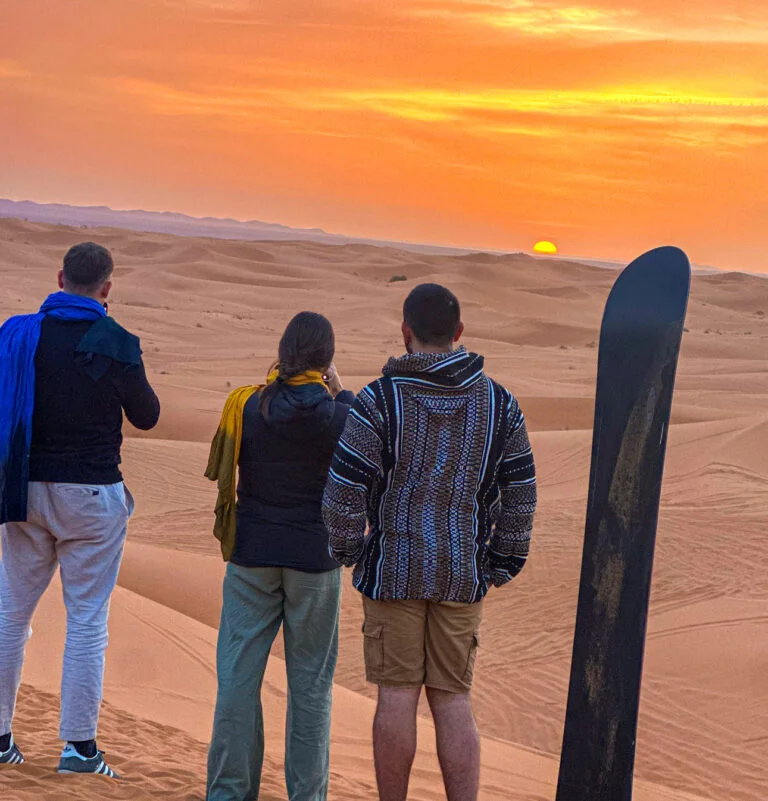
    Fes to Marrakech or Marrakech to Fes?

    Many travellers ask which direction is better for desert tours. Both work, and the sights are the same. Starting in Fes puts the long driving day first and finishes with the easier Ait Benhaddou and Marrakech stretch. Starting in Marrakech does the opposite. Your flights and the rest of your plan should decide.

    If you prefer the other direction, read our guide to Marrakech to Merzouga desert tours or the 3 days tour from Marrakech to Fes. We can also design a loop with a return by another road.

    Mistakes to Avoid

    The biggest mistake with Fes to Marrakech desert tours is to underestimate distances. Fes to Merzouga alone is a full day, and a tour that tries to do too much leaves no time for the dunes. Another mistake is to choose the cheapest offer without checking what is included, or to forget warm clothes.

    A third mistake is to book a tight connection on arrival in Marrakech. Keep some margin, because mountain roads can be slow. Finally, do not rush the camp night. Sunset and sunrise are the reward for the long road.

    Families, Couples and Solo Travellers

    Families can enjoy Fes to Marrakech desert tours with a 4 day plan, snacks, games and a comfortable camp. Children love camels, sand and stars. Couples often choose a private luxury tent and a sunset ride, and solo travellers find that a private driver-guide feels safe and friendly.

    For safety advice, read is Morocco safe to travel, and women travelling alone can see visiting Marrakech as a woman.

    Myths About Desert Tours Between the Two Cities

    One myth is that Fes to Marrakech desert tours are only for adventurous travellers. In reality, the road is comfortable, and the camel ride is easy. Another myth is that the desert is always hot, but nights can be very cold. A third is that all tours are the same. Guides, vehicles, camps and honesty make a big difference.

    Some also think that a 2 day plan is enough. It can be done, but most travellers prefer at least 3 days for a calmer experience.

    Local Tips From Our Team

    • Start early: day 1 is the longest.
    • Choose private: flexibility is worth it.
    • Wear layers: mornings and nights are cold.
    • Keep dust away: protect your camera.
    • Ask questions: your guide knows every village.

    Travellers often ask when to book Fes to Marrakech desert tours. In spring and autumn, book early, because good camps fill up. Write to us on WhatsApp with your dates and group size, and we reply with a clear plan.

    What a Day on the Road Feels Like on Fes to Marrakech Desert Tours

    Numbers and maps explain the route, but not the feeling. On Fes to Marrakech desert tours, the first day begins in the narrow lanes of the medina and ends in a silent sea of sand. In between, the landscape changes every hour, and the temperature, the colours and even the smell of the air change with it.

    Morning: From Stone Lanes to Cedar Forest

    The early hours are cool and green. Fes to Marrakech desert tours leave the city, climb through Ifrane and enter the cedar forest, where the morning mist can still hang between the trees. Guides often stop for a short walk and a coffee, and it is common to see macaques playing near the road.

    Take this time to ask questions about Berber culture, the villages you pass and the way people live on the plateau. A good guide turns the road into a story, and many travellers say these small talks are the best part of the first morning.

    Midday: Plateau, Lunch and Palm Valleys

    By midday, the land is open and dry. Fes to Marrakech desert tours stop in Midelt or Errachidia for lunch, usually a tagine or a grilled plate with salad and bread. After lunch, the Ziz valley appears, with a ribbon of palm trees through red rock. This is one of the best photo moments of the day.

    Afternoon: The First Dunes

    In the late afternoon, the dunes rise on the horizon, and the mood in the car changes. Everyone looks out of the window. Fes to Marrakech desert tours reach the camel point, where the group meets the guides, receives scarves and climbs onto the camels. The ride into the sand begins just as the sun softens.

    Fes to Marrakech desert tours: the rooftops of Fes seen before the long road south
    A last look at the rooftops of Fes before the desert road.

    Night: Fire, Music and Stars

    Dinner is served in the camp, followed by music around the fire. Many guests join the drums or simply listen. Later, the group walks a little away from the light to see the stars. On clear nights, the sky is one of the best you will ever see, and this is why Fes to Marrakech desert tours are remembered long after the trip.

    Why the Day Works

    The day works because it moves from culture to nature to silence. A well-planned version of Fes to Marrakech desert tours keeps enough time for the camel ride, avoids night driving and leaves space for tea breaks. If a plan feels rushed on paper, it will feel rushed on the road, so ask for details before you book.

    Final Thoughts on Fes to Marrakech Desert Tours

    Fes to Marrakech desert tours connect two great cities through cedar forests, palm valleys, golden dunes, deep gorges and ancient kasbahs. They are one of the richest road journeys in Morocco, and a private plan makes them comfortable and memorable.

    If you want a calmer pace, add a day. If you prefer to save time, choose the shorter plan. Our team will help you choose the best option. See Morocco itineraries and how do you organize a trip to Morocco for more ideas.

    Send us your dates, group size and wishes. We will build a clear private plan, with the right camp, the right guide and the best light at every stop.

    Frequently Asked Questions

    How long are Fes to Marrakech desert tours?

    They usually last 2 to 5 days. A 3 day plan is the best balance, and 4 or 5 days are more relaxed.

    How far is it from Fes to Marrakech via Merzouga?

    About 1,050 to 1,070 km, compared with about 525 km on the direct road, so the desert route needs at least 2 days.

    Where do we sleep on the tour?

    One night is in a desert camp in Merzouga. On 3 day plans, the second night is in a guesthouse in the Dades valley, Skoura or Ouarzazate.

    Are the tours private?

    Yes. We organise private tours with a driver-guide, so you can adjust stops and timing for your group.

    When is the best time to go?

    Spring and autumn are best. Winter nights are cold, and summer days are very hot in the south.

    How can I book?

    Send your dates and group size on WhatsApp at +212 682 832 176 or through our contact page, and we reply with a clear plan.

    Book Your Fes to Marrakech Desert Tour

    Tell us your dates and group size. We will build a private plan with a driver-guide, comfortable stays and a magical night in the Sahara.

    Request a Free QuoteWhatsApp Us

  • Marrakech to Merzouga Desert Tours: Ultimate Guide to 10 Best Options and Tips

    Marrakech to Merzouga Desert Tours: Ultimate Guide to 10 Best Options and Tips

    Morocco · Private Desert Tours · 2, 3, 4 and 5 Day Options

    Marrakech to Merzouga Desert Tours: Ultimate Guide to 10 Best Options and Tips

    Compare routes, camps, activities and seasons before you choose your Sahara trip

    Marrakech to Merzouga desert tours are the most popular way to reach the Sahara from the Red City. They cross the High Atlas, pass the kasbahs of Ait Benhaddou and the gorges of Dades and Todra, and end among the golden dunes of Erg Chebbi, where you ride a camel and sleep in a desert camp.

    This guide compares the main Marrakech to Merzouga desert tours so you can choose the right one. You will find 10 best options, the difference between 2, 3, 4 and 5 day plans, private and shared tours, camp styles, activities, seasons and practical tips from our local team.

    For one detailed route, see our guide to the Marrakech to Merzouga desert tour 3 days, and for the ready-made trips, open all Morocco tours.

    Marrakech to Merzouga Desert Tours: The Short Answer

    Quick answer: Marrakech to Merzouga desert tours usually last 2 to 5 days. A 2 day trip is the fastest, a 3 day trip is the best balance, and 4 or 5 days give more time for gorges, villages and the dunes. The one-way distance is about 560 km, and all tours include a camel trek and a night in a desert camp.
    Tour Best for Pace
    2 days Short holidays Fast, mostly driving
    3 days Most travellers Balanced
    4 days Photographers and families Relaxed
    5 days Slow travel and extra activities Very relaxed
    Marrakech to Merzouga desert tours: the Erg Chebbi dunes at sunset
    The dunes of Erg Chebbi at sunset, the goal of every Marrakech to Merzouga desert tour.

    Why Choose Merzouga for Your Desert Trip?

    Many travellers ask why Marrakech to Merzouga desert tours are so popular when other deserts are closer. The answer is the dunes. Erg Chebbi rises to about 150 metres and has the classic orange waves that people imagine when they think of the Sahara. The sand is soft, the colours change through the day and the camps are far from city lights.

    The road is also part of the attraction. You cross the High Atlas, pass film locations, follow rivers and palm valleys and reach a landscape that feels very far from Marrakech. Few journeys in Morocco combine culture, nature and adventure so well.

    • Real dunes: high, golden and easy to reach by camel.
    • Quiet nights: stars, music and silence.
    • Great scenery: gorges, kasbahs and oases on the way.
    • Flexible plans: from 2 to 5 days, private or shared.

    1. The 2 Day Marrakech to Merzouga Desert Tour

    The fastest of the Marrakech to Merzouga desert tours is the 2 day plan. Day 1 crosses the Atlas, visits Ait Benhaddou and continues to Merzouga for a camel trek at sunset and a camp night. Day 2 starts with sunrise and then returns to Marrakech or continues to another city.

    It is intense, with about 560 km each way, and it suits travellers with little time and good stamina. If you choose it, ask for an early start and a good vehicle. The details are in our 2 days from Marrakech to Merzouga tour.

    Tip: the 2 day plan is possible, but it is mostly driving. Choose 3 days if you can.

    2. The 3 Day Marrakech to Merzouga Desert Tour

    For most travellers, the best of the Marrakech to Merzouga desert tours is the 3 day plan. It adds a night in the Dades valley, a visit to the Todra Gorge and a more relaxed rhythm. You still drive a lot on the last day, but the first two days are balanced.

    The usual route is Marrakech, Tizi n’Tichka, Ait Benhaddou, Ouarzazate, Dades on day 1, then Todra, Erfoud and Merzouga on day 2, and the return on day 3. Read the full plan in our Marrakech to Merzouga desert tour 3 days guide, or see the tour page 3 days from Marrakech to Merzouga.

    Marrakech to Merzouga desert tours: the kasbah of Ait Benhaddou on the road south
    Ait Benhaddou, the first big stop on most Marrakech to Merzouga desert tours.

    3. The 4 Day Marrakech to Merzouga Desert Tour

    With four days, Marrakech to Merzouga desert tours become much calmer. You can spend one full day in the Merzouga area, with a sunrise ride, a visit to Khamlia village, a nomad family and a free afternoon in the dunes. Driving days are shorter and more flexible.

    This option is ideal for photographers, families and travellers who want to breathe. It also reduces fatigue and gives time for extra activities such as sandboarding or a quad ride. Our 4 days desert tours from Marrakech page explains the route in detail.

    4. The 5 Day Grand Desert Tour

    If you want the full story, five days is the best length for Marrakech to Merzouga desert tours. You can add the Draa valley, Zagora, a night in Ouarzazate and a visit to the Tinghir palm grove. The pace is slow, and every day has a clear highlight.

    A five day trip also lets you change the return route, for example by going back through Zagora or continuing north to Fes. You see different landscapes instead of repeating the same road. It is a good choice for honeymooners, small groups of friends and anyone who values quality over speed.

    5. One-Way Tours to Fes, Casablanca or Ouarzazate

    Some Marrakech to Merzouga desert tours do not return to Marrakech. You can end in Fes, which is a natural continuation, and see Midelt, Ifrane and the cedar forests on the way. This is a popular plan for travellers who want to see the north next.

    It saves a long drive and makes your itinerary more efficient. See the tour 4 days tour from Fes to Merzouga and 3 days tour from Marrakech to Fes for examples, and ask us to build a one-way route that fits your flights.

    Marrakech to Merzouga desert tours: dunes and open sand in the Sahara
    Open sand and wide skies are the reward of every desert journey.

    6. Private Marrakech to Merzouga Desert Tours

    A private tour gives you your own vehicle and driver-guide. For many travellers, private Marrakech to Merzouga desert tours are the best choice because the schedule is flexible and the group is only your own. You can stop where you like, change lunch places and start earlier or later.

    Private tours are also better for families, couples and small groups, because you control the music, the speed and the length of each visit. They cost more than a shared minibus, but the comfort and freedom are very different. We keep every plan clear and honest, with details written before you confirm.

    7. Luxury Camps in the Dunes

    Camp quality changes the night more than any other part of Marrakech to Merzouga desert tours. Luxury camps offer large tents, real beds, private bathrooms and sometimes heating or air conditioning, with good food and a well-placed location deep in the dunes.

    Marrakech to Merzouga desert tours: a luxury tent in the Merzouga dunes
    A private luxury tent in the dunes.

    They are a good choice for couples, honeymooners, older travellers and anyone who values comfort. If you choose a luxury camp, ask about the distance to the camel departure point, the shower arrangements and the dinner setting.

    8. Standard Camps and Berber Tents

    Standard camps are simpler and more traditional. In many Marrakech to Merzouga desert tours, the camp has comfortable beds, rugs, blankets and shared bathrooms, with a central tent for dinner and music. They are warm, friendly and often more affordable.

    These camps suit young travellers, students and groups who care more about the experience than the facilities. The stars, the drums and the fire are the same as in a luxury camp, and many guests say that a simple tent gave them the best night of the trip.

    Marrakech to Merzouga desert tours: a desert camp in Merzouga at the end of the day
    A camp in Merzouga: tents, rugs and a fire among the dunes.

    9. Quad, Buggy and Sandboarding Add-Ons

    Active travellers can add extras to Marrakech to Merzouga desert tours. Quad bikes and buggies cross the sand and the stony plains, sandboarding slides down the dunes, and a 4×4 trip reaches nomad families and hidden oases. These activities are usually done in the morning or late afternoon.

    Within Marrakech to Merzouga desert tours, choose them if you have energy and a free half day, because they make the trip more playful. Follow safety rules, wear a scarf and goggles, and ask about the equipment before you start. For a longer visit with more activities, see the Merzouga desert tour guide.

    10. Student, Family and Group Tours

    School trips, student groups and families often prefer a special version of Marrakech to Merzouga desert tours. The route is the same, but the plan adds more stops, games and group activities, with simple camps and shared meals. Guides adapt the pace and the explanations to the age of the group.

    If you travel with many people, ask for a larger vehicle and plan the seating, luggage and meal times. For examples, see our 3 days Morocco student tour and 4 days desert students tour pages.

    Comparison of the Main Marrakech to Merzouga Desert Tours

    Option Nights Main benefit Main trade-off
    2 days 1 in the desert Quick Sahara taste Mostly driving
    3 days 1 in Dades, 1 in the desert Best balance Long return day
    4 days 2 in the desert area Free time in the dunes More days away
    5 days 3 or 4 nights Slow, rich journey Needs more holiday
    One-way to Fes 2 to 3 nights Saves a long drive back Needs onward plans

    Use this table as a quick guide, then write to us with your dates. We will adapt the plan to your group, your energy and the season.

    The Route of Marrakech to Merzouga Desert Tours in Detail

    Almost all Marrakech to Merzouga desert tours follow the same classic road, with small differences in stops. The route starts in Marrakech and climbs the Tizi n’Tichka pass, at about 2,260 m, with views of the High Atlas and Berber villages.

    After the pass, the road reaches Ait Benhaddou, a fortified village of earth on the old caravan route, which is a UNESCO World Heritage site. Next come Ouarzazate, Skoura, the Valley of Roses and the Dades valley, where many tours spend the first night.

    The next day passes the Todra Gorge, Tinejdad and Erfoud, and then enters the sand sea of Merzouga. You can read more about the road in Ouarzazate to Merzouga and Erg Chebbi.

    Section Approximate distance
    Marrakech to Ait Benhaddou About 180 km
    Ait Benhaddou to Dades About 220 km
    Dades to Merzouga About 250 km
    Total one way About 560 to 650 km depending on the route

    Best Season for Marrakech to Merzouga Desert Tours

    Spring and autumn are the best seasons for Marrakech to Merzouga desert tours, with warm days and cool nights. Winter has clear skies but cold nights, and snow can fall on the Atlas pass. Summer is very hot in the desert, so plan activities for early morning and evening.

    Season What to expect
    Spring Mild weather, green valleys, flowers and roses
    Summer Very hot days, short activities, warm nights
    Autumn Soft light, warm days and cool nights
    Winter Cold nights, clear skies and snow on the pass

    How to Choose Between Marrakech to Merzouga Desert Tours

    Choosing among Marrakech to Merzouga desert tours is easier with four questions. How many days do you have? How much driving can you accept? What comfort do you want at night? What activities matter most to you?

    • Few days: choose the 2 or 3 day plan.
    • Comfort: choose a luxury camp and a private vehicle.
    • Photography: choose 4 or 5 days with free dune time.
    • Adventure: add quad, buggy or sandboarding.

    Also check the details: who is the guide, what is the vehicle, where is the camp and what is included. A clear answer to each question is a sign of a serious company.

    What Is Usually Included

    Most private Marrakech to Merzouga desert tours include the vehicle and driver-guide, nights in guesthouses and the desert camp, breakfast and dinner, the camel trek and hotel pick-up and drop-off. Lunches, drinks, entrance fees and tips are often extra.

    For Marrakech to Merzouga desert tours, ask for the full list in writing before you confirm. Our team shares clear information on WhatsApp so you know exactly what is covered, and we adjust the details to your group. For food advice on the road, read what not to eat in Morocco.
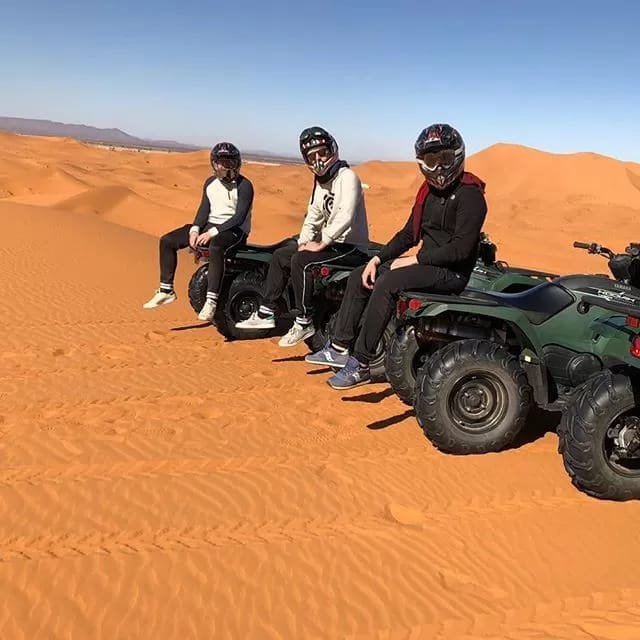
    What to Pack for Marrakech to Merzouga Desert Tours

    Pack light for Marrakech to Merzouga desert tours, but bring layers. Days can be hot and nights cold, so take a warm jacket, comfortable trousers, closed shoes, a scarf, sunglasses, sun cream and a small torch.

    • Overnight bag: toiletries and a change of clothes for the camp.
    • Sun protection: hat, sunglasses and cream.
    • Electronics: power bank and a dust cover for your camera.
    • Cash: small notes for tips and snacks.

    Best Photo Spots on the Way

    Photography is a big part of Marrakech to Merzouga desert tours. The best spots are the Tizi n’Tichka viewpoints, Ait Benhaddou at golden hour, the bends of the Dades valley, the walls of the Todra Gorge and the dunes at sunrise.

    Marrakech to Merzouga desert tours: a sunrise camel ride across the Erg Chebbi dunes
    A sunrise camel ride across the dunes, the best photo of the trip.

    On Marrakech to Merzouga desert tours, shoot early or late for the best light, use a polarising filter if you have one and protect your lens from sand. Ask permission before photographing people, and thank them with a smile.

    Alternatives: Zagora and Agafay

    If Merzouga feels too far, other deserts are closer. Zagora is about 350 km from Marrakech and has smaller dunes, and Agafay is a stony desert only about an hour away. They suit travellers with less time, but the dunes are not as high as in Merzouga.

    See our 2 days tour from Marrakech to Zagora and the day trip from Marrakech to Agafay desert. Many guests choose Merzouga for the real Sahara feeling, and Zagora or Agafay for a shorter break. Compare all of them before you decide.

    Safety, Comfort and Health

    Marrakech to Merzouga desert tours are safe when you travel with an experienced driver and a reliable company. Drink water, protect yourself from the sun, wear sturdy shoes on dunes and follow your guide on the camel ride. For general advice, read is Morocco safe to travel.

    If you get car sick, tell the driver, sit at the front and take breaks. Mountain roads are winding, but a professional driver knows them well. In summer, plan rest stops in the middle of the day, and drink more than you think you need.

    Mistakes to Avoid

    The biggest mistake with Marrakech to Merzouga desert tours is to choose by the lowest offer. Very cheap plans often hide extra costs, crowded vehicles or poor camps. Another mistake is to expect a short drive. The distance is long, and the best tours accept it and plan around it.

    A third mistake is to book a flight the morning after your return. Another is to pack heavy bags for a short camp night. Finally, do not forget warm clothes. The desert night can be surprisingly cold.

    Families, Couples and Solo Travellers

    Families can enjoy Marrakech to Merzouga desert tours with the right plan. Choose a 4 day option, bring games and snacks and ask for a comfortable camp. Children love camels, sand and stars, and many remember the trip for years.

    Couples often choose a private luxury tent and a sunset ride, and solo travellers find that a private driver-guide feels safe and friendly. Women travelling alone can read visiting Marrakech as a woman for more advice.

    Myths About Desert Tours From Marrakech

    One myth is that all Marrakech to Merzouga desert tours are the same. They are not. Guides, vehicles, camps, pace and honesty change the experience a lot. Another myth is that the desert is always hot, but at night it can be very cold. A third is that you need to be fit. Most people enjoy the trip, and the camel ride is easy.

    Some also think that three days is too short. It can be enough for the classic highlights, though more time makes the trip calmer. The best answer depends on your time and your priorities.

    Local Tips From Our Team

    • Book early: good camps fill up in spring and autumn.
    • Start early: long road days work better in the morning.
    • Choose private: flexibility is worth it.
    • Keep a day free: rest in Marrakech after the return.
    • Ask for details: clear plans avoid surprises.

    Travellers often ask whether to book one of the Marrakech to Merzouga desert tours online or on arrival. Booking in advance gives more choice, but we can also help on arrival if space is available. If you want to say thank you in the local way, read how do you say thank you in Morocco.

    A Typical Day in the Desert on Marrakech to Merzouga Desert Tours

    What happens when you finally arrive? Marrakech to Merzouga desert tours follow a simple and beautiful rhythm at the camp. In the late afternoon, you meet your camel guide at the edge of the dunes, wrap a scarf around your head and climb onto your camel. The ride lasts about an hour and a half and ends at the camp as the sun goes down.

    Sunset, Tea and Dinner

    Most Marrakech to Merzouga desert tours give you time to climb a dune before dinner. The sand is warm, the sky turns orange and pink, and the silence is complete. Back at the camp, mint tea is served, followed by a tagine or couscous, and sometimes a soup and fresh fruit.

    After dinner, the hosts light a fire and play drums. Travellers sit on rugs, sing, clap and listen to Berber songs. Even people who do not like crowds usually enjoy this part, because it feels warm and natural rather than staged.

    Stars and Sleep

    Away from city lights, the stars of the Sahara are bright and close. On clear nights, the Milky Way crosses the sky, and shooting stars are common. Many Marrakech to Merzouga desert tours suggest a short walk away from the fire to see the sky properly. Bring a jacket, because the temperature drops quickly after dark.

    Tents have beds, blankets and rugs. In luxury camps, they also have private bathrooms. Sleep is usually deep, with the silence of the dunes around you, and the call of the morning is gentle.

    Sunrise and Breakfast

    Many travellers say that sunrise is the best moment of Marrakech to Merzouga desert tours. You wake early, climb a dune and watch the light slowly paint the sand. After that, breakfast is served at the camp, with bread, jam, eggs, olives, fruit and tea.

    Then it is time to ride back, meet your driver and start the journey home or to the next city. Keep your camera ready until the last minute, because the morning light on the dunes is soft and golden.

    Marrakech to Merzouga desert tours: a quiet desert scene at the camp
    A quiet morning at the camp, before the road begins again.

    Why This Day Makes the Trip

    The driving days are the price, and the camp day is the reward. That is why serious Marrakech to Merzouga desert tours always protect time for sunset and sunrise, and avoid rushing guests into the car. A calm schedule makes the difference between a tiring trip and a memorable one.

    Final Thoughts on Marrakech to Merzouga Desert Tours

    Marrakech to Merzouga desert tours offer one of the best journeys in Morocco: mountains, kasbahs, gorges, dunes and a night in the Sahara. The best plan depends on your time and style, but for most travellers, three or four days is the sweet spot.

    Whatever you choose, travel with a trusted private driver-guide, pick a good camp and leave a little space in your schedule. For more ideas, see Morocco itineraries and how do you organize a trip to Morocco.
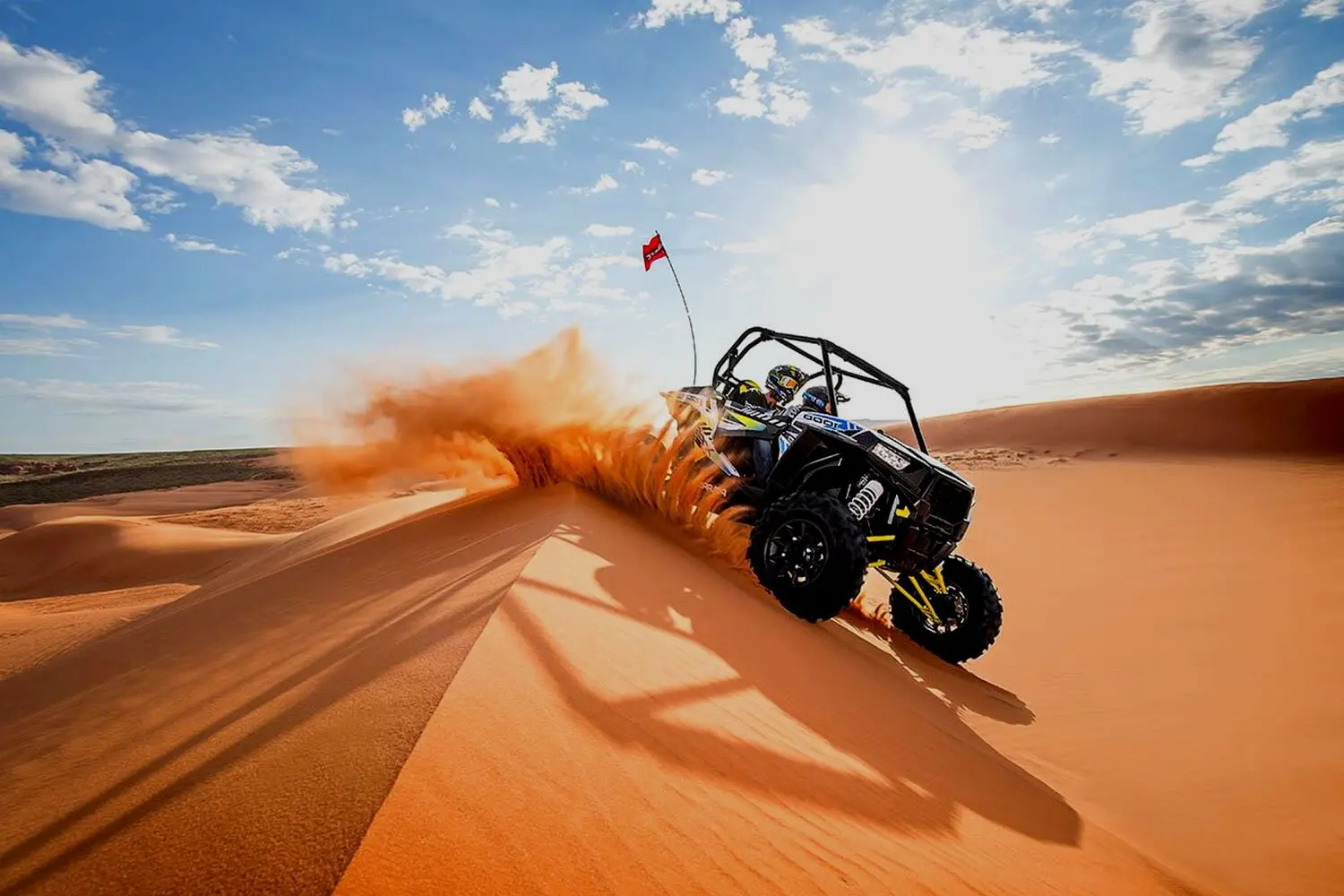
    Send us your dates, group size and wishes. We will recommend the best option, explain every detail and arrange a smooth, comfortable journey from Marrakech to the dunes and back.

    Frequently Asked Questions

    How long are Marrakech to Merzouga desert tours?

    They usually last 2 to 5 days. A 3 day plan is the most popular, and 4 or 5 days are more relaxed.

    How far is Merzouga from Marrakech?

    About 560 km by the main road, usually 9 to 10 hours of driving with stops.

    What is the best Marrakech to Merzouga desert tour?

    For most travellers, the 3 day private tour, with a night in the Dades valley and a night in the desert camp, is the best balance.

    Are the tours private?

    Our tours are private, with your own vehicle and driver-guide, and the plan can be adapted to your group.

    When is the best time to go?

    Spring and autumn are best. Winter nights are cold, and summer days are very hot.

    How can I book?

    Send your dates and group size on WhatsApp at +212 682 832 176 or through our contact page, and we reply with a clear plan.

    Book Your Marrakech to Merzouga Desert Tour

    Tell us your dates and group size. We will build a private plan with a driver-guide, comfortable stays and a magical night in the Sahara.

    Request a Free QuoteWhatsApp Us

  • Marrakech to Merzouga Desert Tour 3 Days: Ultimate Guide to 10 Best Stops

    Marrakech to Merzouga Desert Tour 3 Days: Ultimate Guide to 10 Best Stops

    Morocco · Private Desert Tour · 3 Days, 2 Nights, 1 Night in the Dunes

    Marrakech to Merzouga Desert Tour 3 Days: Ultimate Guide to 10 Best Stops

    High Atlas, Ait Benhaddou, Dades, Todra Gorge and a night under the Saharan stars

    The Marrakech to Merzouga desert tour 3 days is the classic way to meet the Sahara without rushing. You cross the High Atlas, see the earthen kasbah of Ait Benhaddou, follow the Dades valley and the Todra Gorge, ride a camel at sunset and sleep in a camp among the dunes of Erg Chebbi.

    This guide explains the Marrakech to Merzouga desert tour 3 days stop by stop. You will find the day-by-day route, driving times, the 10 best stops, what to pack, the best season and honest advice about what is possible in three days, so you can decide with confidence.

    If you prefer a shorter or longer trip, compare our 2 days from Marrakech to Merzouga and 4 days tour from Fes to Merzouga, and see the ready-made 3 days from Marrakech to Merzouga tour page.

    Marrakech to Merzouga Desert Tour 3 Days: The Short Answer

    Quick answer: the Marrakech to Merzouga desert tour 3 days leaves Marrakech on day 1, sleeps in the Dades valley, reaches Merzouga on day 2 for a camel trek and a desert camp, and returns to Marrakech on day 3. It covers about 1,100 km in total, with a private driver-guide.
    Day Route Night
    Day 1 Marrakech, Tizi n’Tichka, Ait Benhaddou, Ouarzazate, Dades Dades valley
    Day 2 Todra Gorge, Erfoud, Merzouga, camel trek Desert camp
    Day 3 Sunrise, Draa valley, Ouarzazate, Tizi n’Tichka, Marrakech Back in Marrakech
    Marrakech to Merzouga desert tour 3 days: the kasbah of Ait Benhaddou in the High Atlas
    Ait Benhaddou is the first great stop of the Marrakech to Merzouga desert tour 3 days.

    Why Choose a 3 Day Desert Tour From Marrakech?

    Many travellers ask whether a Marrakech to Merzouga desert tour 3 days is enough. It is the shortest plan that includes a real night in the Sahara and some time in the Dades and Todra areas. Two days is possible, but it is mostly driving. Three days adds space for a gorge, a village and a calmer pace.

    It also suits people with limited holidays. You leave and return to the same city, you do not need to plan hotels, and everything is arranged for you. A private vehicle means you can stop for photos, change the timing and travel with your own group.

    • One camp night: sunset, dinner, music and stars.
    • Two long driving days: the road is part of the show.
    • Private and flexible: your own driver-guide and schedule.
    • Round trip: start and finish in Marrakech.

    1. Leaving Marrakech Early

    The Marrakech to Merzouga desert tour 3 days starts at about 7:00 or 8:00, with a pick-up at your riad or hotel. An early start matters, because day 1 has a long mountain road and you want to reach the Dades valley before dark. Breakfast is usually taken before leaving.

    The first hour crosses the Haouz plain, with olive trees, red earth and the snow-topped Atlas ahead. If you have time before the tour, see things to do in Marrakech and plan a day in the city after the trip.

    Tip: keep a small bag in the car for the day, and leave the big luggage in the boot. You sleep in the desert with only what you need.

    2. Tizi n’Tichka: The High Atlas Pass

    The first big highlight of the Marrakech to Merzouga desert tour 3 days is the Tizi n’Tichka pass, at about 2,260 m. The road climbs through hairpin bends, small Berber villages and red valleys, with views that change at every curve. In winter you may see snow, and in spring the slopes turn green.

    On the Marrakech to Merzouga desert tour 3 days, drivers usually stop at a viewpoint for photos and a mint tea. This is a good moment to ask your guide about village life, argan and cedar, and the history of the caravan routes that used this pass for centuries.

    Marrakech to Merzouga desert tour 3 days: the rock walls of Todra Gorge
    Todra Gorge is one of the great scenic stops of the route.

    3. Ait Benhaddou: The Kasbah of Films

    On the Marrakech to Merzouga desert tour 3 days, Ait Benhaddou is the stop that most travellers remember. This fortified village of earth, on the old caravan route to Timbuktu, is a UNESCO World Heritage site. Its towers and walls glow orange in the light, and the river below is crossed on stones or a small bridge.

    Walk up to the top for a wide view over the valley and the palm groves. Your guide explains how the kasbah was built, how families lived here and why many films were shot in its streets. A visit usually takes about one hour, and early or late light gives the best photos.

    For a deeper look, read day trip to Ait Benhaddou and Ouarzazate.

    4. Ouarzazate, Skoura and the Road of Kasbahs

    After Ait Benhaddou, the Marrakech to Merzouga desert tour 3 days continues to Ouarzazate, the “door of the desert”. You can stop for lunch, see a film studio or a kasbah, and enjoy the open landscape. The air becomes drier, and the mountains turn into rocky plains.

    East of the city the road passes Skoura, with its palm grove and old kasbahs, and the Valley of Roses near Kelaat M’Gouna, where roses bloom in spring. These small stops show the soft side of the south before the dramatic gorges of the next day.

    The road continues in detail in our guide Ouarzazate to Merzouga.

    Marrakech to Merzouga desert tour 3 days: the Dades Gorges and the road through the valley
    The Dades Gorges, where the first night of the trip is usually spent.

    5. Dades Valley and the Monkey Fingers

    The first night of the Marrakech to Merzouga desert tour 3 days is normally in the Dades valley, in a kasbah-style hotel or guesthouse. The red rocks of the “Monkey Fingers” and the winding road known as the “bends of Dades” are the best-known views of the area.

    On the Marrakech to Merzouga desert tour 3 days, arrive before sunset if you can. The cliffs change colour, villages light up and the evening is quiet. Dinner is usually a tagine, with soup, salad and fruit, and the air can be cold at night even in warm months.

    Ask your guide for a short walk along the river, where you pass fields, small houses and local children who greet visitors.

    6. Todra Gorge: Walls of Rock

    On day 2, the Marrakech to Merzouga desert tour 3 days visits the Todra Gorge, a canyon where limestone walls rise up to 300 metres. The road runs into the narrowest section, where the cliffs are only a few metres apart, and a small stream with palm trees makes the scene green and cool.

    It is a good place for a short walk, photos and a tea. Climbers come from around the world to try the routes, and you can watch them from the road. Early morning is quieter and cooler.

    Todra is also one of the best spots to learn about Berber village life, with a short visit to a palm grove and a family house, and to see how water channels feed small gardens.

    7. Erfoud and the Road to the Dunes

    From Todra, the Marrakech to Merzouga desert tour 3 days drives across the flat stony plains of the south, past Tinejdad and Erfoud. The landscape opens, the horizon is wide and small oases appear, with date palms and mud villages.

    Erfoud is known for fossils and dates, and many travellers stop at a workshop to see marble with ancient sea creatures. Lunch is normally taken in Erfoud or Rissani, the old caravan town with a busy market on certain days.

    Then the first line of orange dunes appears on the horizon. This is Erg Chebbi, and you are almost in Merzouga. For more detail on the dunes, read our Erg Chebbi guide.

    8. Camel Trek and Desert Camp

    The heart of the Marrakech to Merzouga desert tour 3 days is the camel trek at sunset. In the late afternoon you meet your camel guide, climb onto your camel and ride into the dunes for about one hour and a half, with the light turning gold and then red.

    The camp is hidden among the dunes, with tents, rugs, a dining area and a quiet fire at night. Dinner is usually a tagine or a similar Berber meal, followed by drums, songs and tea. After that, the sky fills with stars, and the silence is deep.

    Marrakech to Merzouga desert tour 3 days: a camel caravan crossing the Merzouga dunes
    A camel trek at sunset is the signature moment of the trip.

    To explore the experience in more detail, see the Merzouga desert tour guide.

    9. Sunrise on Erg Chebbi

    The next morning, the Marrakech to Merzouga desert tour 3 days offers a quiet reward: sunrise. Climb a nearby dune before breakfast, or watch from the camp as the sand changes from grey to orange. It is cold at first and warm within minutes.

    After breakfast, you ride back to the edge of the dunes, shake the sand from your clothes and meet your driver. Some travellers use this moment to walk barefoot on the sand and take photos with the camels.

    Marrakech to Merzouga desert tour 3 days: a traveller on the dunes of Merzouga at sunrise
    Sunrise on Erg Chebbi is worth the early wake-up.

    10. The Return Through the Draa Valley

    Day 3 of the Marrakech to Merzouga desert tour 3 days is a long drive back, usually through Alnif, Tazzarine, Nekob, the Draa valley and Ouarzazate, then over the Tizi n’Tichka to Marrakech. It is about 560 km, so the vehicle needs an early departure and regular breaks.

    The Draa valley is the longest river valley in Morocco, lined with palm trees and kasbahs. Your driver can stop for a short walk or photos. Arrival in Marrakech is usually in the evening, depending on stops and traffic.

    Tip: do not book an early flight on the morning after the tour. Keep the evening of day 3 and the next morning free.

    Marrakech to Merzouga Desert Tour 3 Days: Day-by-Day Itinerary

    Day 1: Marrakech to the Dades Valley

    Leave Marrakech in the morning, cross the Tizi n’Tichka, visit Ait Benhaddou, have lunch in Ouarzazate, and continue through Skoura and Kelaat M’Gouna to the Dades valley. Dinner and the night are in a guesthouse or kasbah hotel. The drive is about 400 km, with many stops.

    Day 2: Todra Gorge to the Sahara

    After breakfast, visit the Todra Gorge, then drive through Tinejdad and Erfoud to Merzouga, about 250 km. Take a camel trek at sunset, enjoy dinner and music at the camp and sleep in a tent among the dunes.

    Day 3: Sunrise and the Road Home

    Watch the sunrise, have breakfast and return to Marrakech by the Draa valley and Ouarzazate. It is a long day, but the road is spectacular and the stops are the same as the outward journey in reverse, with new light and different moods.

    Day Driving Main highlights
    1 About 400 km Tizi n’Tichka, Ait Benhaddou, Ouarzazate, Dades
    2 About 250 km Todra Gorge, Erfoud, camel trek, camp
    3 About 560 km Sunrise, Draa valley, Atlas pass

    Distances and Driving Times

    For planning the Marrakech to Merzouga desert tour 3 days, remember that distances are long and mountain roads are slow. The numbers below are approximate and change with traffic, weather and stops.

    Section Distance Driving time
    Marrakech to Ait Benhaddou About 180 km About 4 hours
    Ait Benhaddou to Dades About 220 km About 4 hours
    Dades to Todra Gorge About 65 km About 1.5 hours
    Todra to Merzouga About 190 km About 3 hours
    Merzouga to Marrakech About 560 km About 9 to 10 hours

    This is why the tour is best done with a private driver-guide. You can relax, enjoy the views and let someone else handle the road. Compare our all Morocco tours if you want different durations.

    What Is Usually Included

    A well-planned Marrakech to Merzouga desert tour 3 days normally includes a private vehicle and driver-guide, one night in a guesthouse in the Dades valley, one night in a desert camp, the camel trek, dinner and breakfast on both nights, and hotel pick-up and drop-off in Marrakech.

    • Included: transport, driver-guide, camp night, camel ride, breakfast and dinner.
    • Usually extra: lunches, drinks, entrance fees such as kasbah visits and tips.
    • Optional: sandboarding, quad or buggy rides, a visit to Khamlia village.

    Ask exactly what is included before you confirm any tour. Our team sends a clear list by WhatsApp, with no hidden surprises, and we adapt the plan to your group.

    Best Season for the Marrakech to Merzouga Desert Tour 3 Days

    The best seasons are spring and autumn, when days are warm and nights are cool. Winter is also good for the desert, with clear skies, but nights can be very cold, and the Atlas pass may have snow. Summer is hot, especially in Merzouga, so choose camps with good shade and plan activities for early morning and evening.

    Season What to expect
    Spring Mild days, green valleys, roses at Kelaat M’Gouna
    Summer Very hot days, warm nights, long daylight
    Autumn Soft light, warm days, cool nights
    Winter Cold nights, clear skies, snow on the pass

    What to Pack for 3 Days in the Desert

    You do not need much for the Marrakech to Merzouga desert tour 3 days, but a few items make the trip comfortable. Pack light layers, a warm jacket for the night, a scarf or shesh for the dunes, sunglasses, sun cream and a small torch.

    • Clothing: comfortable trousers, a warm layer and closed shoes.
    • Sun protection: hat, sunglasses and sun cream.
    • Small bag: one overnight bag for the camp, with toiletries.
    • Extras: power bank, cash for tips and a reusable bottle.

    Choosing a Desert Camp

    Camps range from simple to luxurious, and your choice affects the night more than any other detail of the Marrakech to Merzouga desert tour 3 days. Look for clean beds, private bathrooms if you want comfort, good food and a position deep in the dunes, away from the road and the noise.

    Standard camps are comfortable and warm, with rugs, blankets and shared bathrooms. Luxury camps have large tents, private showers and extra services. Tell us what you prefer, and we will match you with a camp that fits your group and your plans.

    Food and Drink on the Road

    The Marrakech to Merzouga desert tour 3 days is also a food trip. You will taste tagines, couscous, Berber omelettes, fresh bread and mint tea. Vegetarian options are easy, and guides can adapt meals for allergies if you tell them in advance. For a safe table, read what not to eat in Morocco.
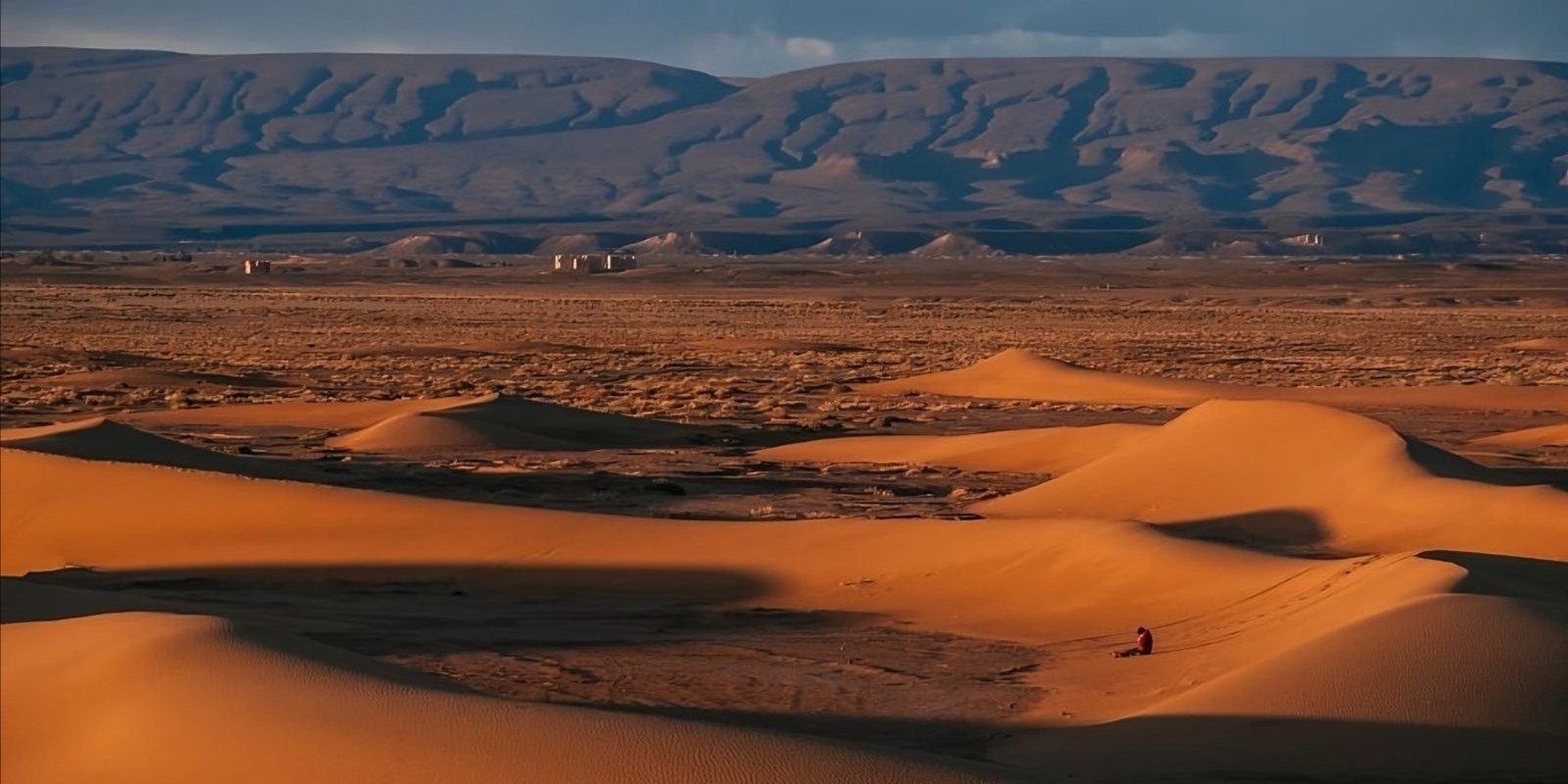
    During the Marrakech to Merzouga desert tour 3 days, drink bottled water, and carry a litre in the car. In the desert, tea is served often, and it is polite to accept at least one glass. If you want to say thank you, learn the guide on how do you say thank you in Morocco.

    2, 3 or 4 Days: Which Length Is Best?

    Many travellers ask how the Marrakech to Merzouga desert tour 3 days compares with other lengths. The answer depends on how much driving you accept and how much you want to see.

    Length Best for Trade-off
    2 days A first taste of the Sahara Mostly driving, little time in the dunes
    3 days Balanced trip with gorges and a camp night Long return drive on day 3
    4 days Slower pace and a full day in the dunes More days away from the city

    If you have the time, a fourth day makes the trip more relaxed and adds space for Khamlia, sandboarding or a second night. See how many days in Morocco is enough to plan your whole holiday.

    Mistakes to Avoid

    The most common mistake on the Marrakech to Merzouga desert tour 3 days is to expect a relaxed trip. It is a road trip, and long hours in the car are part of the plan. Take breaks, drink water and enjoy each stop instead of watching the clock.

    Another mistake is to book a flight too soon after the return. A third is to pack too much, or to forget warm clothes for the night. Finally, avoid unclear offers that do not list what is included. A good operator is open about every detail.

    Families, Couples and Solo Travellers

    Families with children can enjoy the Marrakech to Merzouga desert tour 3 days, but the long drives need patience. Bring games, snacks and music, and choose a camp with comfortable beds. Children usually love the camel ride and the sand, and many remember it for years.

    Couples enjoy the sunset and the private feeling of a small camp. Solo travellers often join a private plan with a driver-guide and feel safe and looked after. For advice, read is Morocco safe to travel.

    Myths About the 3 Day Desert Tour

    Some people believe that the Marrakech to Merzouga desert tour 3 days is too short to be worth it. In reality, it covers the classic highlights and gives a true night in the Sahara. Another myth is that the desert is always hot. At night it can be very cold, especially in winter.

    A third myth is that tours are all the same. Quality varies a lot: the guide, the vehicle, the camp and the pace make the difference. This is why we recommend private tours with clear details and honest communication.

    Local Tips From Our Team

    • Start early: day 1 and day 3 are long.
    • Bring cash: for tips, snacks and small purchases.
    • Wear layers: mornings and nights are cold.
    • Protect your camera: sand gets everywhere.
    • Ask questions: your guide knows the stories of every village.

    Travellers often ask whether to book the Marrakech to Merzouga desert tour 3 days in advance. In high season, yes. Camps and good vehicles fill up, and early booking gives more choice. Write to us on WhatsApp with your dates and group size, and we reply with a clear plan.

    How to Book the Marrakech to Merzouga Desert Tour 3 Days

    Booking the Marrakech to Merzouga desert tour 3 days is simple when you know what to ask. Start with your dates, the number of travellers and the type of camp you want. Then confirm the pick-up place in Marrakech, the vehicle and the language of the guide.

    A good operator will answer the same day and explain the plan clearly. For the Marrakech to Merzouga desert tour 3 days, ask about the hotel in the Dades valley, the distance to the camp from the road, and whether the camel trek is included for everyone in the group. Written confirmation on WhatsApp or email avoids any misunderstanding.

    Questions to Ask Before You Confirm

    • Is the vehicle private, and how many people does it carry?
    • Which camp is used, and is it deep in the dunes?
    • Are dinner and breakfast included on both nights?
    • What time is the pick-up on day 1 and the return on day 3?
    • Can we adjust stops, for example a longer visit to Ait Benhaddou?

    These questions show how serious a company is. We answer them openly for every Marrakech to Merzouga desert tour 3 days, and we adapt the route if you want more time in a place or a lighter schedule.

    Private Tour or Shared Group?

    Some travellers choose a shared group to meet other people, while others prefer privacy. For the Marrakech to Merzouga desert tour 3 days, a private tour gives you control of the timing, the music in the car and the pace of every walk. It is especially useful for families, couples and small groups of friends.

    With a private plan, you can start earlier to beat the heat, stay longer at a viewpoint or stop for a special photo. You can also change lunch places and choose the camp that suits you. Many guests tell us this flexibility is the best part of their Marrakech to Merzouga desert tour 3 days.

    Preparing for the Trip

    A few days before departure, we send a short checklist: what to bring, what to wear and how to prepare for the long drives. Charge your phone and camera, download offline maps and keep a copy of your passport in your bag. Before the Marrakech to Merzouga desert tour 3 days, we also recommend reading what you can bring back from Morocco to plan your souvenirs.

    Remember that the best moments are often simple: a glass of tea in a village, a view from the pass or a quiet minute on top of a dune. The Marrakech to Merzouga desert tour 3 days is built to give you these moments without stress.

    Final Thoughts on the Marrakech to Merzouga Desert Tour 3 Days

    The Marrakech to Merzouga desert tour 3 days is a long and rewarding journey. You cross the High Atlas, walk through Ait Benhaddou, see the Dades and Todra canyons, ride a camel at sunset and wake up in the Sahara. It is a lot to do in three days, and it works best with a private driver who knows the road.

    If you want more time, add a day. If you want less driving, choose a shorter route or a different start. Our team will help you choose the best option and keep the pace comfortable. Explore Morocco itineraries and how do you organize a trip to Morocco for more ideas.

    Send us your dates, your group and your wishes. We will build a clear, private plan, with the right camp, the right guide and the best light at every stop.

    Frequently Asked Questions

    Is the Marrakech to Merzouga desert tour 3 days worth it?

    Yes. It includes the High Atlas, Ait Benhaddou, the Dades valley, Todra Gorge, a camel ride and a night in the Sahara. The drives are long, but the road is part of the experience.

    How long is the drive from Marrakech to Merzouga?

    About 560 km, usually 9 to 10 hours with stops, so the tour splits it into two days on the way out.

    Where do we sleep on the 3 day tour?

    The first night is in a guesthouse or kasbah hotel in the Dades valley, and the second night is in a desert camp in Merzouga.

    What should I bring?

    Comfortable clothes, a warm layer for the night, sun protection, a scarf, closed shoes and a small overnight bag.

    Is it a private tour?

    Yes. We organise private tours with a driver-guide, so you can adjust stops and timing for your group.

    Can I do it in 2 or 4 days instead?

    Yes. We also offer shorter and longer plans. See our 2 day and 4 day tours, or write to us on WhatsApp at +212 682 832 176.

    Book Your Marrakech to Merzouga Desert Tour 3 Days

    Tell us your dates and group size. We will build a private plan with a driver-guide, comfortable stays and a magical night in the Sahara.

    Request a Free QuoteWhatsApp Us

  • Where Is Morocco on the Map? Ultimate Guide to 10 Best Facts and Travel Tips

    Where Is Morocco on the Map? Ultimate Guide to 10 Best Facts and Travel Tips

    Morocco · Geography Guide · Location, Borders and Distances

    Where Is Morocco on the Map? Ultimate Guide to 10 Best Facts and Travel Tips

    North-west Africa, two seas, high mountains and the edge of the Sahara

    Where is Morocco on the map? Morocco is a country in the far north-west of Africa. It touches both the Atlantic Ocean and the Mediterranean Sea, and it is separated from Spain by the narrow Strait of Gibraltar, only about 14 km wide at its narrowest point.

    This guide shows where is Morocco on the map in simple words. You will find the exact position, the neighbouring countries, the coasts, the mountains and the desert, plus distances between the main cities, how to arrive from Europe and how the location shapes the weather and the best trips.

    To see the same question from the Red City, read our where is Marrakech guide, and for a short overview of the whole country, open the existing where is Morocco article.

    Where Is Morocco on the Map: The Short Answer

    Quick answer: where is Morocco on the map? In the north-west corner of Africa, facing Spain across the Strait of Gibraltar, with the Atlantic Ocean to the west, the Mediterranean Sea to the north, Algeria to the east and the Sahara to the south.
    Fact Answer
    Continent Africa (north-west)
    Capital Rabat
    Seas Atlantic Ocean and Mediterranean Sea
    Neighbours Algeria, Western Sahara, and Spain by sea and by two small enclaves
    Highest peak Toubkal, about 4,167 m
    Distance to Spain About 14 km across the Strait
    Where is Morocco on the map: the kasbah of Ait Benhaddou in the south of the country
    Ait Benhaddou, south of the High Atlas, shows how varied the Moroccan landscape is.

    Why the Location of Morocco Matters

    To understand Morocco, you must see where is Morocco on the map. The country is a bridge between Africa and Europe, and between the Arab world and the Atlantic. This position shaped its history, its food, its languages and its trade for thousands of years.

    It also explains the variety of landscapes. In one trip you can walk on Atlantic beaches, climb snowy mountains, cross green valleys and sleep in the desert. Few countries of this size offer so much.

    • Close to Europe: a short flight or a one-hour ferry.
    • Open to the ocean: long Atlantic beaches and surf towns.
    • Mountain backbone: the Rif, Middle Atlas, High Atlas and Anti-Atlas.
    • Desert edge: dunes, oases and kasbahs in the south.

    1. Continent and Hemisphere

    The first answer to where is Morocco on the map is the continent: Africa. More precisely, it lies in North Africa, in the region called the Maghreb, a word that means “the west” in Arabic. It is the western end of the Arab and Amazigh world.

    Where is Morocco on the map in terms of the globe? Morocco is in the northern hemisphere, and mostly in the western part of the Greenwich line, which is why its time zone is close to London. Even so, it is much closer to Spain than most people expect, and on a clear day you can see Europe from the northern coast.

    Our guide to Morocco travel explains how this position affects the seasons, the culture and the best itineraries.

    2. Coordinates and Time Zone

    For readers who like exact numbers, where is Morocco on the map in degrees? The centre of the country is roughly at 32 degrees north and 6 degrees west. That puts it at about the same latitude as the southern United States and the Middle East, which explains the warm, sunny climate.

    Morocco generally follows GMT+1 all year, and it moves back to GMT during the holy month of Ramadan. Check the current clock before booking transfers, because the change can affect pick-up times.

    Item Detail
    Latitude About 28 to 36 degrees north
    Longitude About 1 to 13 degrees west
    Time zone GMT+1 most of the year
    Driving side Right

    3. Neighbouring Countries

    Another way to answer where is Morocco on the map is to name its neighbours. To the east and south-east lies Algeria. To the south lies the territory of Western Sahara, which Morocco administers in large part, and its status is a sensitive political question. Beyond it, further south, is Mauritania.

    To the north, Spain is a sea neighbour, but it also has two small land borders with Morocco at the cities of Ceuta and Melilla, which are Spanish enclaves on the Moroccan coast. Portugal is not far either, across the Atlantic to the north-west.

    Direction Neighbour
    North Mediterranean Sea and Spain
    East Algeria
    South Western Sahara, then Mauritania
    West Atlantic Ocean

    For borders and entry rules, always check the latest government advice before travel. The land border with Algeria is closed to travellers, so most visitors arrive by air or by sea. See is Morocco safe to travel for current safety guidance.

    4. Two Seas and Long Coasts

    Few countries have two coasts like this, and it is one of the best parts of the answer to where is Morocco on the map. The Atlantic coast runs for well over a thousand kilometres, from Tangier in the north to the far south, with the big cities Casablanca, Rabat, Essaouira and Agadir. The Mediterranean coast is shorter and sits along the north, with Tetouan, Al Hoceima and the Rif.

    The Atlantic side has strong waves and winds, which is why Essaouira, Taghazout and Agadir are famous for surfing and kitesurfing. The Mediterranean side is calmer, with small beaches, green hills and the blue town of Chefchaouen not far inland.

    Where is Morocco on the map: the Atlantic beach of Agadir
    The Atlantic coast gives Morocco beaches, surf towns and cool summer breezes.

    If the coast is your goal, read things to do in Agadir and things to do in Tangier, and for a classic day out, Essaouira day trip from Marrakech.

    5. The Atlas Mountains

    When asking where is Morocco on the map, remember that mountains cross the country from south-west to north-east. The High Atlas is the highest range, with Mount Toubkal at about 4,167 m, the highest peak in North Africa. The Middle Atlas has cedar forests and lakes, the Anti-Atlas is dry and rocky, and the Rif rises along the north coast.

    Where is Morocco on the map when you look for snow? In these peaks. These mountains make Morocco colder in winter than many visitors imagine. Snow falls on the High Atlas from late autumn, and the resort of Oukaimeden, near Marrakech, is one of the few ski areas in Africa.

    They also bring water, which feeds valleys, oases and the great gorges of Todra and Dades. A mountain road is always only a few hours from the city, which makes day trips from Marrakech easy.

    Where is Morocco on the map: the Todra Gorge in the High Atlas
    The Todra Gorge cuts through the High Atlas near Tinghir.

    6. The Sahara Desert

    The south-east answers where is Morocco on the map with sand. The Sahara reaches the country near Merzouga, where the Erg Chebbi dunes rise up to about 150 metres, and near Zagora and Mhamid, where the road ends at the edge of the great desert.

    Where is Morocco on the map if you want the desert? In the south-east, and the Moroccan Sahara is not only dunes. It also has stony plains, dry rivers, palm groves and kasbahs built from earth. Most visitors reach it by crossing the High Atlas, which makes the journey part of the adventure.

    For desert plans, see Merzouga desert tour, Erg Chebbi and Ouarzazate to Merzouga.

    Where is Morocco on the map: a traveller in the Sahara dunes near Merzouga
    The Sahara dunes of Merzouga lie in the south-east of the country.

    7. The Main Cities on the Map

    Here is a simple way to picture where is Morocco on the map using cities. Imagine a line down the Atlantic coast, and another across the middle.

    City Position Known for
    Tangier Far north, on the Strait Gateway to Europe
    Rabat North-west Atlantic coast Capital city
    Casablanca Central Atlantic coast Business and the Hassan II Mosque
    Fes North centre, inland Oldest medina
    Marrakech Centre-south, near the High Atlas Souks and palaces
    Essaouira Atlantic coast, west of Marrakech Fortified port
    Agadir South-west Atlantic coast Beach resort
    Merzouga South-east, at the dunes Desert camps

    Our guides to things to do in Marrakech, things to do in Fes, things to do in Casablanca and things to do in Rabat cover each point of the map in depth.

    8. Distance From Europe

    For travellers from Europe, where is Morocco on the map in terms of distance? Very close. Tangier is about 14 km from Spain across the Strait of Gibraltar, and ferries take around one hour from Tarifa and a little more from Algeciras.

    From Approximate flight time
    Madrid About 2 hours
    Paris About 3 hours
    London About 3.5 hours
    Berlin About 4 hours

    Flight times change by route and season, so treat them as a guide. Because Morocco is so close, many travellers combine a long weekend in a city with a few days in the desert or on the coast.

    9. How to Get to Morocco

    Once you know where is Morocco on the map, you can choose the best way to arrive. Most visitors fly into Marrakech, Casablanca, Fes, Tangier, Agadir or Rabat. Low-cost and national airlines connect these airports with many cities in Europe and the Middle East.

    Ferries link Spain with Tangier and the new port of Tanger Med, and some routes carry cars, which is useful for road trips. A high-speed train, the Al Boraq, runs from Tangier to Casablanca. Always check visa and passport rules for your nationality before you fly.

    • By air: the quickest way from most countries.
    • By sea: from southern Spain to Tangier, with or without a car.
    • By train: inside Morocco, from Tangier south to Casablanca and Marrakech.

    For step-by-step planning, read how do you organize a trip to Morocco.

    10. Regions to Visit on the Map

    A good way to finish a lesson on where is Morocco on the map is to split it into regions. Each one gives a different trip and a different taste of the country.

    Region Highlights
    North Tangier, Tetouan, Chefchaouen, the Rif
    Atlantic coast Rabat, Casablanca, Essaouira, Agadir
    Imperial cities Fes, Meknes, Marrakech, Rabat
    High Atlas Imlil, Ourika, Toubkal, Ait Benhaddou
    South and desert Ouarzazate, Dades, Todra, Merzouga, Zagora

    Some of these places are on the UNESCO list, for example the medina of Marrakech, and knowing their position on the map makes route planning much easier.

    Where Is Morocco on the Map in Real Situations?

    Maps become useful when you plan real days. Where is Morocco on the map for someone who has only one week? A good plan runs from the north to the south, or in a loop from Marrakech, because the main cities, mountains and desert are all within a day of driving.

    A Weekend From Europe

    Because Morocco is so close, a weekend in Marrakech or Tangier is easy. You can reach the city in two or three hours, walk through the old town, eat a tagine and return home. For a first visit, we suggest at least four or five days to feel the country.

    A Week of Culture and Nature

    Where is Morocco on the map for a one-week trip? Start in Casablanca or Marrakech, cross the Atlas, spend a night in the desert and return through the Draa valley. This route fits many of the sights in one loop and avoids long transfers.

    Two Weeks Around the Country

    With two weeks you can follow the full map: Tangier, Chefchaouen, Fes, the desert, the Dades valley, Marrakech and Essaouira. Our Morocco itineraries page gives ready-made ideas, and how many days in Morocco is enough helps you choose the length.

    Where is Morocco on the map: a street in Marrakech, the starting point of many routes
    Marrakech is a favourite starting point for loops across the Atlas and the desert.

    Distances Inside Morocco

    Another side of where is Morocco on the map is the distance between places. Morocco is bigger than many travellers expect, and long drives need planning. The numbers below are approximate road distances and change with the route.

    Route Approximate distance
    Marrakech to Casablanca About 240 km
    Casablanca to Rabat About 90 km
    Rabat to Fes About 200 km
    Fes to Chefchaouen About 200 km
    Marrakech to Essaouira About 175 km
    Marrakech to Merzouga About 560 km
    Fes to Merzouga About 460 km

    Where is Morocco on the map when you count hours, not kilometres? Mountain roads are slower than distances suggest, so allow extra time. This is one reason why a private driver is such a good choice for visitors, because you can enjoy the view while someone else handles the road.

    Climate and Seasons by Position

    Where is Morocco on the map also explains the weather. The Atlantic coast is mild, with cool breezes in summer. The north has a Mediterranean climate with wetter winters. The interior around Marrakech is hot in summer and pleasant in spring and autumn, and the mountains are cold in winter.

    Area Best time
    Cities and culture Spring and autumn
    Atlantic coast Late spring to early autumn
    Desert Autumn to spring
    High Atlas hiking Late spring to early autumn
    Skiing Winter months

    Remember that where is Morocco on the map decides your packing list. In summer the desert can be very hot in the day, and nights are cooler. Spring brings green valleys and flowers, while autumn offers soft light and warm evenings.

    Roads, Trains and Flights Inside Morocco

    Understanding where is Morocco on the map helps you choose transport. Highways connect the main Atlantic cities, and the train runs between Tangier, Rabat, Casablanca and Marrakech. Domestic flights link the biggest airports, but most visitors prefer a driver for the Atlas and the desert.

    Private tours are practical because they join the places that public transport does not, such as villages, gorges and desert camps. Our team plans every route with rest stops and photo breaks, and you can compare all Morocco tours before you decide.

    Sample Plans Using the Map

    To turn where is Morocco on the map into a real route, here are three simple plans.

    • 4 days: Marrakech, Ait Benhaddou and Ouarzazate, with a short desert night.
    • 7 days: Casablanca, Rabat, Fes, the desert and Marrakech in one loop.
    • 10 days: the north, the imperial cities, the Atlas, the desert and the Atlantic coast.

    For a very short stay, see what to do in 3 days in Morocco. If you only have a day, a trip to the Agafay desert or Essaouira from Marrakech fits easily.

    History, Borders and the Map

    The map of Morocco is also a story. The country has been a crossroads of Phoenician, Roman, Arab, Amazigh and European influence, and its position at the gate of the Mediterranean made it a strategic prize. Great dynasties built the imperial cities of Fes, Meknes, Marrakech and Rabat, each with its own character.

    From 1912 to 1956 France and Spain held protectorates over parts of the country, and Morocco regained independence in 1956. Today it is a kingdom with a stable tourist industry. When someone asks where is Morocco on the map, the answer includes this long history, which still shapes buildings, food and languages.

    Mistakes to Avoid When Using the Map

    The biggest mistake is to underestimate distances. Marrakech to Merzouga is a full day, and trying to see too many places in a few days leads to tired travellers. Another mistake is to forget the mountains: a short distance on the map can be a long drive on a winding road.

    A third mistake is to assume that every region has the same climate. A warm day in Marrakech can be a cold night in the Atlas. Pack layers, and ask your guide about the weather in each place. Where is Morocco on the map is only the start; planning around it is the real skill.

    Families, Solo Travellers and Groups

    Families can use the map as a game. Where is Morocco on the map for a child? Let them trace the route from the sea to the mountains and then to the desert, and mark each stop with a sticker. It makes long drives more fun and gives them a sense of place.

    Solo travellers should share their route with family and keep key phone numbers. Women travelling alone can read visiting Marrakech as a woman. Groups and school trips can add workshops, markets and a visit to a village for a richer view of the country.

    Myths About the Position of Morocco

    When people ask where is Morocco on the map, some think it is in the Middle East. It is not: it is in North Africa. Others believe the whole country is desert, but most of it is mountains, plains and coast. A last myth is that Morocco is far from Europe, yet it is only a short flight or ferry away.

    Some also believe that all of Morocco is hot. In reality, the Atlas has snow, the coast is breezy and the interior has four distinct seasons. Knowing the map helps you pack well and plan wisely.

    Local Tips From Our Team

    • Start with the map: choose two or three regions, not ten.
    • Allow time for roads: mountain drives take longer than they look.
    • Pack layers: nights in the Atlas and the desert are cool.
    • Mix coast and interior: a beach day balances the city days.
    • Book a private driver: it saves time on the long routes.

    Travellers also ask whether a map app is enough. It helps, but a local driver knows the best stops and shortcuts. For food advice on the way, read what not to eat in Morocco, and for shopping, what you can bring back from Morocco.

    Where Is Morocco on the Map: How to Read It Like a Local

    Many visitors look at a map and see only dots. A local sees roads, passes, rivers and seasons. Where is Morocco on the map when you read it like a local? Start from the coast and move inland in bands: the green coastal plain, the hills, the mountain wall and then the dry south.

    Each band has its own rhythm. The coastal plain is busy, with farms, ports and the biggest cities. The mountain wall is slow and spectacular. South of it, the land opens into valleys of palm trees and then into stone and sand. Where is Morocco on the map if you follow the sun? Always from the cool and green north-west toward the hot and dry south-east.

    Three Lines That Explain the Country

    First, draw a line along the Atlantic coast from Tangier to Agadir. This is the line of ports, beaches and fast roads. Second, draw a line along the Atlas from the south-west to the north-east. This is the line of mountains, snow and villages. Third, draw a line along the southern road from Ouarzazate to Merzouga, the line of kasbahs, gorges and dunes.

    With these three lines, where is Morocco on the map becomes easy to remember, and you can place almost any city in seconds. Marrakech sits between the coast and the mountains. Fes sits inside the northern hills. Merzouga sits at the end of the southern road.

    Using the Map to Choose Your Trip

    If you love beaches, stay close to the first line. If you love hiking and Berber villages, plan around the second. If you dream of dunes and starry nights, follow the third. Where is Morocco on the map for travellers who want all three? In the centre, around Marrakech, which is why so many journeys begin there.

    It also helps to see where the airports are. Marrakech, Casablanca, Fes, Tangier, Agadir and Rabat all have international flights, so you can enter at one city and leave from another. This open-jaw plan saves a full day of driving, and our team can arrange the private transfer in between.

    What the Map Does Not Show

    A map cannot show the smell of cedar in the Middle Atlas, the sound of the call to prayer in a medina or the cold of a desert night. It also does not show how kind people are. When you ask where is Morocco on the map, remember that the best answers come from going there and meeting the people who live along the lines.

    Use the map for planning, then put it away and enjoy the road. A good guide will tell you the story of every village you pass, and every point on the map becomes a place with a face.

    Final Thoughts on Where Is Morocco on the Map

    So, where is Morocco on the map? It is in the north-west corner of Africa, between the Atlantic and the Mediterranean, a short distance from Spain, with mountains in the middle and the Sahara in the south-east. This position gives it beaches, cities, mountains and desert in one compact journey.

    When you are ready, choose your regions, pick the season and let our team arrange the details. We build private routes with comfortable stays, experienced drivers and the best viewpoints along the way.

    If you are undecided, send us your dates and interests. We will suggest the best route for your time, keep the pace gentle and make sure that every point on the map becomes a memory.

    Frequently Asked Questions

    Where is Morocco on the map?

    In the north-west of Africa, with the Atlantic Ocean to the west, the Mediterranean Sea to the north, Algeria to the east and the Sahara to the south.

    Is Morocco in Africa or the Middle East?

    Morocco is in North Africa, in the region called the Maghreb. It is not in the Middle East.

    How far is Morocco from Spain?

    About 14 km across the Strait of Gibraltar at the narrowest point, and about one hour by ferry from Tarifa to Tangier.

    What countries border Morocco?

    Algeria to the east and south-east, the territory of Western Sahara to the south, and Spain by sea and through the enclaves of Ceuta and Melilla.

    How long is the flight to Morocco?

    About 2 hours from Madrid, 3 hours from Paris and 3.5 hours from London. Times vary by route.

    What is the capital of Morocco?

    Rabat. Casablanca is the biggest city and Marrakech is the most visited.

    Plan Your Route Across the Map of Morocco

    Tell us your dates and interests. We will build a smooth plan with a driver-guide, comfortable stays and the best places from the coast to the desert.

    Request a Free QuoteWhatsApp Us

  • How Do You Say Thank You in Morocco? Ultimate Guide to 10 Best Ways and Phrases

    How Do You Say Thank You in Morocco? Ultimate Guide to 10 Best Ways and Phrases

    Morocco · Culture and Language Guide · Manners and Phrases

    How Do You Say Thank You in Morocco? Ultimate Guide to 10 Best Ways and Phrases

    Shukran, tanmirt, merci and the warm words that win every heart

    How do you say thank you in Morocco? The simple answer is “shukran” (pronounced SHOO-kran). It works everywhere, from a taxi in Casablanca to a tent in the Sahara, and people always smile when they hear it. Many also say “merci”, and in Berber villages you may hear “tanmirt”.

    This guide explains how do you say thank you in Morocco in every situation. You will find 10 best ways to say thanks, the replies you will hear, tips for hosts, guides, markets and restaurants, and the manners that go with the words, so that your gratitude feels natural and sincere.

    If you are still planning, our Morocco travel page covers the whole country, and the guide on what language is spoken in Marrakesh explains the languages behind these words.

    How Do You Say Thank You in Morocco: The Short Answer

    Quick answer: how do you say thank you in Morocco? Say “shukran” for thank you and “shukran bzaf” for thank you very much. Use “merci” in French, “tanmirt” in Tamazight, and “Allah ybarek fik” for a warmer blessing.
    Phrase Meaning When to use it
    Shukran Thank you Any situation
    Shukran bzaf Thank you very much Real help or a gift
    Merci Thank you (French) Shops, hotels, cafes
    Tanmirt Thank you (Tamazight) Atlas and Berber families
    Allah ybarek fik God bless you Deep gratitude
    How do you say thank you in Morocco: mint tea, dates and sweets offered to a guest
    A glass of mint tea is often the first place where you say thank you.

    Why Thanks Matter So Much in Morocco

    Hospitality is the soul of Moroccan life. Guests are welcomed with tea, bread and conversation, and gratitude is expected on both sides. That is why the question how do you say thank you in Morocco is more than a language lesson: it is the first step into the culture.

    Thanks in Morocco often include a blessing. People do not only say “thank you”; they wish you health, a long life or God’s protection. Learning even two or three of these phrases shows that you understand the spirit of the country.

    • Simple thanks: shukran and merci.
    • Strong thanks: shukran bzaf.
    • Blessings: Allah ybarek fik, Allah ykhallik.
    • Berber thanks: tanmirt.

    1. Shukran: The Word Everyone Understands

    If you remember one answer to how do you say thank you in Morocco, remember “shukran”. It comes from Arabic and is understood by every Moroccan, in every city and village. You can use it for a glass of water, a direction, a bill or a small favour.

    Say it clearly and warmly, with a nod or a smile. The sound is “SHOO-kran”, with a soft “sh” at the start. A quick “shukran” is polite, and a slower one with eye contact feels sincere.

    Moroccans also use “shukran” to refuse politely. When a seller offers a scarf you do not want, “la, shukran” (no, thank you) is the kindest way to close the conversation.

    Tip: “la, shukran” is the most useful two-word phrase in the souks. Say it with a smile and keep walking.

    2. Shukran Bzaf: Thank You Very Much

    When someone goes beyond what you expected, how do you say thank you in Morocco with more feeling? Add “bzaf”, which means “a lot”. “Shukran bzaf” is thank you very much, and it is perfect for a guide who helped you, a host who cooked for you or a driver who solved a problem.

    The word “bzaf” is also one of the most common words in Moroccan Arabic, and you will hear it in prices, jokes and compliments. Using it correctly makes people laugh with pleasure, because it shows that you listened.

    You can add other small words for warmth. “Shukran bzaf, sahbi” means thank you very much, my friend, and it is common between young people and between travellers and guides who have become friends.

    3. Barak Allahu Fik: A Blessing for Deep Gratitude

    For a deeper answer to how do you say thank you in Morocco, learn the blessing “barak Allahu fik”, often shortened to “Allah ybarek fik” in everyday speech. It means may God bless you, and it is used when someone has done something truly kind.

    The phrase is said to a man as “fik” and to a woman as “fiki”. In practice, many Moroccans use the same form for everyone, and visitors are always forgiven for small mistakes. What matters is the warmth in your voice.

    Use it after a long favour: a driver who waited for you, a family that opened their home, or a guide who stayed late to help. It is not for a quick purchase, but it fits real kindness.

    4. Allah Ykhallik and Other Blessings

    Moroccans have many beautiful ways to thank someone through a wish. For those who ask how do you say thank you in Morocco with poetry, the answer is blessings. When asking how do you say thank you in Morocco in a poetic way, you will meet short phrases that wrap thanks inside a prayer.

    Phrase Meaning Use
    Allah ykhallik May God keep you Thanks for a favour
    Allah yjazik b’khir May God reward you with good Thanks for real help
    Allah ykhelef May God replace it for you Thanks for a gift
    Allah yrhem lwalidin May God bless your parents Warm thanks, often to elders

    You do not need all of them. One or two are enough, and a local friend or guide can tell you which fits each moment. These blessings are part of a long tradition where gratitude and faith are close together.

    5. Hamdullah: Thanks to God

    Another side of how do you say thank you in Morocco is “hamdullah”, which means praise be to God, or thanks to God. It is not said to a person but about a situation: after a meal, after good news or when someone asks how you are.

    If a Moroccan asks “labas?” (how are you?), the classic answer is “labas, hamdullah” (fine, thank God). It is a way of showing gratitude for life itself, and you will hear it many times a day.

    After a meal you may hear “hamdullah” from the table as people finish eating. Visitors can say it too, with a smile, and it will be received with pleasure.

    6. Merci: Thank You in French

    French is widely spoken in Morocco, so “merci” is as common as “shukran” in cities. When someone asks how do you say thank you in Morocco in a hotel, a bank or a modern cafe, “merci” and “merci beaucoup” are perfect.

    Here, how do you say thank you in Morocco is easy to answer in two languages. Many staff in tourism use French, English and Spanish together, and they will answer “merci” with “de rien” or “avec plaisir”. In Casablanca, Rabat and Fes, you will hear French thanks in shops and offices all day.

    It is fine to mix. You can say “merci, shukran” in one breath, and Moroccans will smile because they do the same. For more on the languages of the country, see the guide to what language is spoken in Marrakesh.

    How do you say thank you in Morocco: a steaming plate of Friday couscous shared with guests
    After a shared plate of couscous, thanks are always warm and generous.

    7. Tanmirt: Thank You in Tamazight

    In the Atlas mountains, the Souss valley, the Rif and the desert oases, many families speak Tamazight. For visitors there, how do you say thank you in Morocco in the first language of the country? The word is “tanmirt” (sometimes written “tanmmirt”).

    Say it slowly: tan-MEERT. People are often surprised and touched when a visitor uses a Berber word, because many travellers only use Arabic or French. A single “tanmirt” can turn a polite meeting into a friendship.

    English Tamazight
    Hello Azul
    Thank you Tanmirt
    Thank you very much Tanmirt bzzaf
    Goodbye Ar tufat

    Spellings and forms vary between Tashelhit, Central Atlas Tamazight and Tarifit, so ask your guide which one is used in each village. Our tours through the Atlas and the south give many chances to try it.

    8. Thanking a Host, a Cook or a Family

    When you are invited into a Moroccan home, how do you say thank you in Morocco in the best possible way? Combine words and small gestures. After the meal, say “shukran bzaf” to the hosts, and add “Allah ybarek f’yeddik” to the person who cooked. It means God bless your hands.

    You may also hear “bsaha”, which means to your health. Hosts say it when you eat, and guests can reply “Allah ybarek fik”. It is a warm exchange that repeats during a meal, and it is part of the rhythm of hospitality.

    • Before eating: “bismillah”, said by many families.
    • During the meal: praise the food, with “bnin” (delicious).
    • After the meal: “hamdullah” and “shukran bzaf”.
    • To the cook: “Allah ybarek f’yeddik”.

    It is polite to bring a small gift, such as sweets, fruit or pastries. Compliment the tea, accept a second glass and do not rush to leave. To learn what to enjoy and what to avoid at the table, read what not to eat in Morocco.

    How do you say thank you in Morocco: friends in colourful djellabas in Essaouira
    Friends in djellabas: a hand on the heart and a smile say thank you without words.

    9. Gestures and Body Language

    Words are only half of the answer to how do you say thank you in Morocco. The other half is the body. A hand placed on the heart, a small nod and eye contact show real gratitude, and Moroccans use this gesture many times a day.

    When you accept tea, hold the glass with your right hand and take at least a sip. Refusing everything can look cold, so accept something small and thank the host. A handshake followed by a hand on the heart is common between men and also between mixed groups, depending on the person.

    Women may prefer a smile and a hand on the heart instead of a handshake, and visitors can copy that. When in doubt, wait for the other person to offer their hand, and respond with the same warmth.

    Tip: use your right hand to give, receive and eat. It is a small detail that Moroccans notice and appreciate.

    10. Replies You Will Hear When You Say Thanks

    A full lesson on how do you say thank you in Morocco must include the replies. When someone answers your “shukran”, they may say “la shukran ala wajib”, which means no thanks for a duty. It is a modest way of saying that it was a pleasure and a normal act of kindness.

    Reply Meaning
    La shukran ala wajib No need to thank me, it is my duty
    Mashi mushkil No problem
    Bsaha To your health
    Allah ybarek fik God bless you
    De rien You are welcome (French)

    You can answer a thank you in the same way. “Mashi mushkil” is the easiest, and everyone understands it. Learn it together with “shukran”, and you can handle most small exchanges.

    How Do You Say Thank You in Morocco in Real Situations?

    The best way to understand how do you say thank you in Morocco is to follow a normal day. At breakfast in a riad, you say “shukran” to the staff and “merci” if the manager speaks French. In a taxi, a quick “shukran” at the end is perfect, and a smile is even better.

    In the souks, how do you say thank you in Morocco when you do not want to buy? Use “la, shukran” with a hand on the heart. The seller will understand that you are polite, not rude, and most will answer with a smile or a joke.

    Restaurants and Cafes

    In restaurants, you say “shukran” to the waiter at each service. In a local cafe, a short “shukran” when the coffee arrives is normal. For a special meal, you can add “shukran bzaf, kolshi bnin”, meaning thank you very much, everything was delicious.

    When you leave, thank the owner or the cook if you see them. That small act makes people remember you, and next time they will greet you like an old friend.

    Guides, Drivers and Hotels

    For guides and drivers, how do you say thank you in Morocco beyond words? A sincere “shukran bzaf” at the end of the day, a positive review and a tip according to the quality of service are all part of the answer. Do not forget the small moments, such as thanking a driver at each stop.

    In hotels and riads, thank the cleaning staff, the cook and the night guard. Moroccan hospitality is a chain of people, and all of them appreciate kind words. Our team shares this advice with every traveller before a tour, and you can see all Morocco tours to compare ideas.

    Mosques, Villages and the Desert

    In villages and desert camps, how do you say thank you in Morocco to a family that gives you tea, bread and a bed? Say “shukran bzaf” and “tanmirt”, put your hand on your heart and, if possible, share a small gift. In the desert, a Berber family may serve tagine and tea by the fire, and your thanks will be received with real emotion.

    When you visit historic cities, such as the medina of Marrakesh, which is a UNESCO World Heritage site, thank local guides and shopkeepers in the same warm way. Respect and gratitude go together.

    Taxis, Shops and Pharmacies

    In daily life, how do you say thank you in Morocco in a quick moment? A short “shukran” is enough. For a pharmacist, a baker or a taxi driver, it closes the exchange politely. If someone helps with directions, add “Allah ybarek fik” and continue with a smile.

    When someone gives you a gift or a favour you cannot repay, reply with “Allah ykhelef”. It means that God will return the kindness, and it is a lovely way to express gratitude for something you cannot match.

    Written Thanks, WhatsApp and Messages

    Many travellers organise trips by phone, so how do you say thank you in Morocco in writing? Moroccans write Darija in Latin letters on WhatsApp, and you will see “shukran”, “choukran” or “chokran” with different spellings. All of them are understood, and there is no single correct form.

    You can also send a voice note in simple words, and your guide will enjoy it. A message such as “Shukran bzaf for today, it was a wonderful day” works in any language, and hosts often reply with a heart or a blessing.

    Online reviews are another way to say thanks. A kind review of a guide, a riad or a restaurant helps small businesses more than many travellers imagine, and it is a modern form of gratitude that Moroccans appreciate.

    Message Meaning
    Shukran bzaf Thank you very much
    Allah ybarek fik God bless you
    Merci beaucoup Thank you very much (French)
    Hamdullah Thanks to God

    How Do You Say Thank You in Morocco Across the Regions?

    The country is large, and the answer to how do you say thank you in Morocco has small regional colours. The basic words work everywhere, but local habits change.

    Region Common thanks
    Marrakesh and the centre Shukran, merci, tanmirt in the Atlas
    Casablanca and Rabat Merci, shukran
    Tangier and the north Shukran, gracias, merci
    Fes and Meknes Shukran, merci
    Souss and Agadir Tanmirt, shukran, merci
    Rif mountains Shukran, Tarifit thanks, gracias
    Far south and Sahara Shukran, Hassaniya blessings
    Desert towns near Merzouga Shukran, tanmirt

    In the north, Spanish “gracias” is common because of history and geography. In the Sahara, you may hear Hassaniya Arabic, close to the language of Mauritania. In every region, a smile and a hand on the heart are understood.

    Pronunciation Help for Thank You Phrases

    Pronunciation worries many visitors who ask how do you say thank you in Morocco. The good news is that the main words are easy. “Shukran” sounds like “SHOO-kran”, and the “r” is lightly rolled. “Bzaf” sounds like “b-ZAF”, with a short first sound.

    • Shukran: SHOO-kran.
    • Bzaf: b-ZAF.
    • Hamdullah: ham-doo-LAH.
    • Tanmirt: tan-MEERT.
    • Allah ybarek fik: ah-LAH ee-BAH-rek feek.

    Moroccans do not expect perfection. If you say a word slightly wrong, people will repeat it kindly, and you will learn on the spot. Listening to short videos from Morocco before your trip is the fastest way to improve.

    A Simple Plan to Learn Thank You Phrases

    You do not need months to learn how do you say thank you in Morocco. A short plan is enough to make a real difference to your trip.

    Day Goal
    Days 1 to 2 Learn shukran, la shukran and merci
    Days 3 to 4 Add shukran bzaf and mashi mushkil
    Days 5 to 6 Learn hamdullah and Allah ybarek fik
    Day 7 Practise tanmirt and review aloud

    Ten minutes a day is enough. Repeat the phrases when you walk, record yourself and compare with a native speaker. By the time you land, how do you say thank you in Morocco will feel familiar instead of strange.

    Etiquette: Thanks With Good Manners

    Good manners support the words, and this is part of how do you say thank you in Morocco in a deeper sense. Greet first, speak calmly and say thanks with eye contact. Accept the first glass of tea, and thank the host before you leave.

    Tipping is a common form of thanks in tourism, but it should be a gesture of respect, not a negotiation. Give discreetly, with a smile, and always add “shukran”. We avoid fixed figures here, because the right amount depends on the service and on your own judgement.

    Avoid sensitive topics in public, such as politics and religion, unless your host starts. Ask permission before photographing people, and thank them if they agree. These habits show respect, and respect is the heart of every thank you.

    Mistakes to Avoid When Thanking in Morocco

    The most common mistake is to say nothing. Moroccans give a lot, and silence can feel cold. A quick “shukran” costs nothing and makes every exchange warmer.

    Another mistake is to say “shukran” while walking away without looking at the person. Pause, smile and look at them. A third is to use religious blessings in a casual way, such as with a very quick purchase. Keep “Allah ybarek fik” for sincere moments.

    Finally, do not use “shukran” as a rude way to refuse. Say it with warmth, and add a smile. When people ask how do you say thank you in Morocco, tone is as important as vocabulary.

    The Cultural and Religious Roots of Gratitude

    Understanding the roots of the phrases helps you use them well. Islam places great value on gratitude, and many Moroccan expressions include a mention of God. This is why how do you say thank you in Morocco often leads to blessings, not only to simple thanks.

    Amazigh culture adds its own tradition of generosity, where a guest is a gift to the family. Andalusian and Arab heritage added refined speech, poetry and courtesy, especially in cities such as Fes and Tetouan. French influence added “merci”, which blends easily with Darija.

    Because of these layers, a Moroccan can thank you in three languages in one sentence. That mix is not confusion; it is a sign of a rich and welcoming culture, and it makes the question how do you say thank you in Morocco a pleasure to explore.

    Families, Solo Travellers and Groups

    Families with children can turn how do you say thank you in Morocco into a game. Ask children to say “shukran” every time they receive something, and give a small reward at the end of the day. Children who try Moroccan words are usually greeted with huge smiles.

    Solo travellers often find that a few words open friendships. Women travelling alone can use “la, shukran” firmly and politely to decline offers, and our visiting Marrakech as a woman guide has more advice. For general safety, read is Morocco safe to travel.

    Groups and school trips can practise phrases on the bus, share one new word each day and finish the trip with a thank-you song or a small gift for the guide and driver. These small rituals create strong memories.

    How do you say thank you in Morocco: a traditional tagine shared at a family table
    A tagine at the family table: say bsaha, hamdullah and shukran bzaf.

    Myths About Saying Thanks in Morocco

    When people ask how do you say thank you in Morocco, some believe that only Arabic works. In fact, French, Spanish, English and Tamazight are all used, and any sincere thanks is welcome. Others think religious blessings are only for Muslims, but Moroccans are happy when visitors try them with respect.

    Another myth is that thanks are not needed for paid services. In Morocco, even paid services are exchanged with courtesy, and thanks are always appreciated. A last myth is that you must say everything perfectly. You do not, and your effort is the real gift.

    Local Tips From Our Team

    • Start with shukran: it works everywhere.
    • Add bzaf: it turns thanks into warmth.
    • Hand on heart: a gesture that all Moroccans understand.
    • Say thanks twice: once in words, once in a review or a message.
    • Smile and be patient: gratitude is a conversation, not a test.

    Travellers often ask how many phrases to learn. Five are enough: shukran, shukran bzaf, la shukran, merci and mashi mushkil. With these, how do you say thank you in Morocco will never be a worry. Our team on WhatsApp can also share a short phrase card before your trip. Our what you can bring back from Morocco guide has ideas for thank-you gifts for hosts.

    How Do You Say Thank You in Morocco With a Gift or a Gesture?

    Words are lovely, but many travellers also ask how do you say thank you in Morocco with something in their hands. A small gift is a classic answer, especially when you are invited to a home. Pastries, dates, fruit or a box of sweets are always welcome, and the host will thank you with a blessing in return.

    When you wonder how do you say thank you in Morocco to a guide or driver after several days together, a sincere speech at the end of the trip means a lot. Say “shukran bzaf” in front of the group, mention one moment you loved and add “Allah ybarek fik”. A short, personal sentence is better than a long, formal one.

    Here is a modern answer to how do you say thank you in Morocco: send photos. Many hosts and guides do not see the pictures taken in their villages, and a shared album on WhatsApp is a beautiful form of thanks. It shows that you remember the day and that the people in it were important to you.

    For travellers who want to bring something from home, small items from your own country, such as postcards, tea or sweets, make a personal gift. You can also read what you can bring back from Morocco for ideas to take home. In both directions, the rule is the same: give with a smile and with your right hand.

    In short, how do you say thank you in Morocco in a way that people remember? With words, with a gesture and with a little time. Moroccans measure gratitude by warmth, not by the size of the gift, so any honest effort is enough.

    Final Thoughts on How Do You Say Thank You in Morocco

    So, how do you say thank you in Morocco? Say “shukran” for everyday thanks, “shukran bzaf” for strong thanks, “merci” in French, “tanmirt” in Tamazight and “Allah ybarek fik” for a blessing. Add a hand on the heart and a smile, and your gratitude will be understood anywhere.

    When you are ready to plan your journey, combine the cities with the Atlas, the desert and the coast, and let our team handle the details. See how do you organize a trip to Morocco and Morocco itineraries for ideas, and things to do in Marrakech for the best sights.

    If you are undecided, send us your dates and interests. We will suggest guides who speak your language, plan the best routes and keep the pace gentle from the first transfer to the last farewell, where your final “shukran bzaf” will mean even more.

    Frequently Asked Questions

    How do you say thank you in Morocco?

    Say “shukran” (thank you) or “shukran bzaf” (thank you very much). In French-speaking settings, “merci” is also common, and in Berber areas “tanmirt”.

    How do you say thank you very much in Moroccan Arabic?

    “Shukran bzaf”. The word “bzaf” means a lot, and it is one of the most useful words in Darija.

    How do you say thank you in Berber?

    “Tanmirt” in Tamazight. Forms vary slightly between Tashelhit, Central Atlas Tamazight and Tarifit.

    What do Moroccans say when you thank them?

    Often “la shukran ala wajib” (no need to thank me), “mashi mushkil” (no problem) or a blessing such as “Allah ybarek fik”.

    Is it polite to say shukran to refuse an offer?

    Yes. “La, shukran” (no, thank you) said with a smile is the standard polite way to decline in the souks.

    How can I thank a Moroccan host?

    Say “shukran bzaf”, compliment the food, tell the cook “Allah ybarek f’yeddik” and bring a small gift such as pastries or fruit.

    Plan Your Trip and Meet Morocco’s Warm Welcome

    Tell us your dates, interests and language. We will build a smooth plan with a driver-guide, comfortable stays and the best moments of Morocco, with plenty of chances to say shukran.

    Request a Free QuoteWhatsApp Us