Category: Uncategorized

  • Paquete de Viaje a Marruecos: Guía Definitiva de las 10 Mejores Opciones

    Paquete de Viaje a Marruecos: Guía Definitiva de las 10 Mejores Opciones

    Marruecos · Planificación · Paquetes y tours privados

    Paquete de Viaje a Marruecos: Guía Definitiva de las 10 Mejores Opciones

    Ciudades imperiales, noches en el Sahara, costa y calles azules en un solo plan

    Un paquete de viaje a Marruecos reúne las partes principales de unas vacaciones en un solo plan: transporte, conductor-guía, hoteles o riads, campamentos en el desierto, algunas comidas y las actividades del camino. En lugar de reservar cada cosa por separado, recibes una ruta clara que funciona desde la recogida en el aeropuerto hasta el último traslado.

    Esta guía explica cómo funciona un paquete de viaje a Marruecos, los 10 mejores estilos de paquete, qué suele incluirse, cómo comparar ofertas y cómo evitar errores comunes. Si quieres las ciudades imperiales, el Sahara, la costa atlántica o la ciudad azul, aquí encontrarás la forma adecuada para tu viaje.

    Para ver rutas ya preparadas, consulta todos los tours por Marruecos y nuestros itinerarios por Marruecos.

    Paquete de viaje a Marruecos: la respuesta corta

    Respuesta rápida: un buen paquete de viaje a Marruecos cubre transporte, conductor-guía, alojamiento, una noche en el desierto y los sitios clave en una ruta clara. La mayoría de los viajeros elige de 5 a 10 días, con Marrakech, el Atlas, el Sahara y una ciudad imperial. Un paquete privado ofrece la máxima flexibilidad.
    Duración Ruta típica Ideal para
    3 a 4 días Marrakech, Atlas, campamento en el Sahara Escapadas cortas
    5 a 7 días Marrakech, desierto, Fez Primer viaje
    8 a 10 días Ciudades, desierto, costa Vacaciones clásicas
    12 a 14 días Gran circuito con el norte Viaje sin prisa
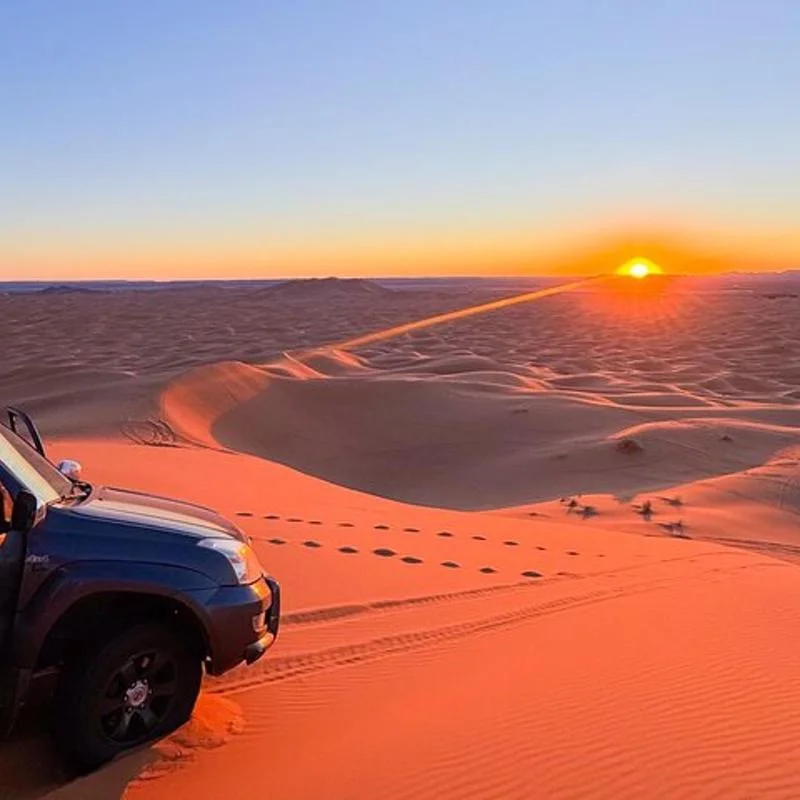
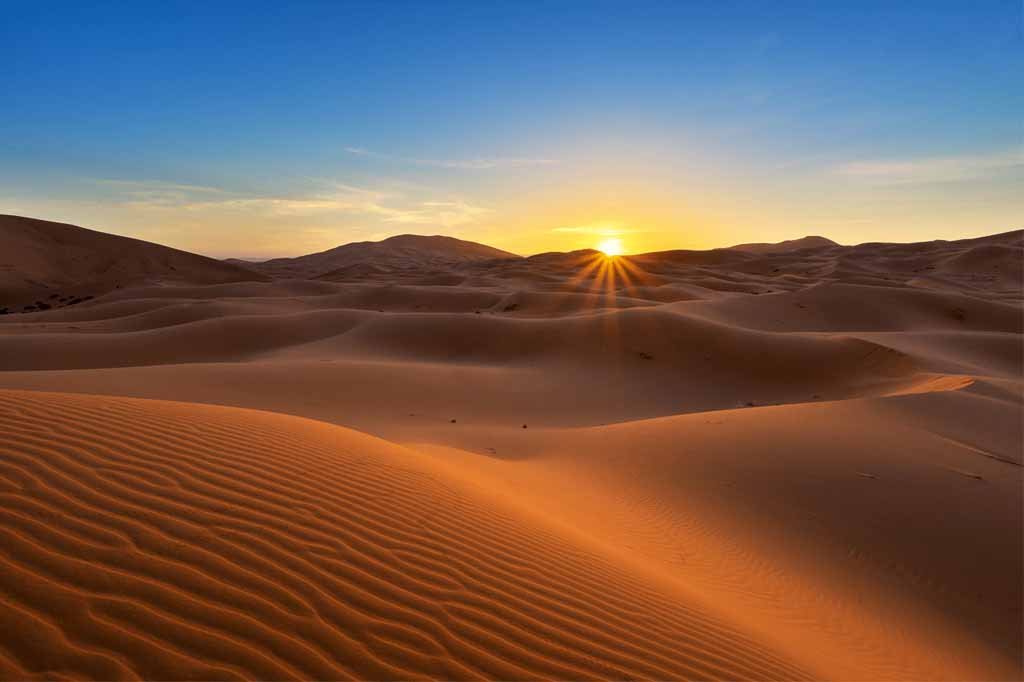
    Paquete de viaje a Marruecos: atardecer sobre las dunas de Erg Chebbi en el Sahara
    Una noche en el Sahara es lo más destacado de la mayoría de los paquetes de viaje a Marruecos.

    ¿Por qué elegir un paquete de viaje a Marruecos?

    Marruecos es un país grande con carreteras largas, así que planificar por tu cuenta lleva tiempo. Un paquete de viaje a Marruecos lo resuelve. Un equipo local organiza la ruta, el conductor, los hoteles y las actividades, y tú solo disfrutas del viaje. Así ahorras esfuerzo y evitas muchos pequeños errores.

    Un paquete también te protege de días perdidos. Las distancias en Marruecos son mayores de lo que parecen, y una ruta bien hecha coloca los trayectos largos en los lugares adecuados. Con un buen paquete de viaje a Marruecos, cada día tiene un objetivo, de Marrakech a las dunas.

    • Tiempo ahorrado: rutas y reservas ya organizadas.
    • Conocimiento local: un guía que conoce carreteras, riads y campamentos.
    • Comodidad: vehículo privado y ritmo tranquilo.
    • Claridad: un solo plan y un solo punto de contacto.

    1. Paquete de ciudades imperiales

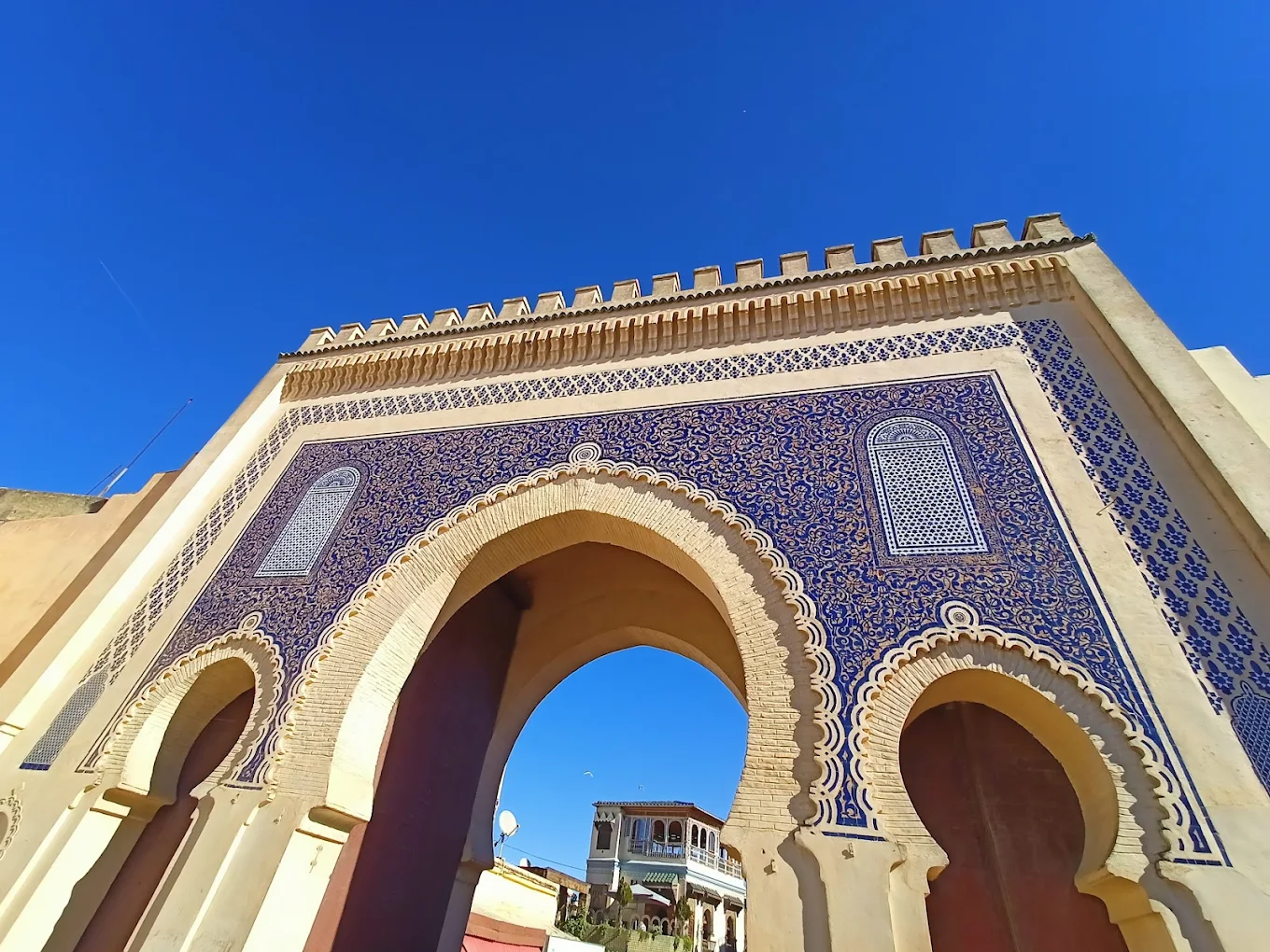
    El paquete de viaje a Marruecos por las ciudades imperiales une Marrakech, Fez, Mequinez y Rabat. Visitas palacios, medinas, jardines y mercados antiguos, y descubres cómo las dinastías dieron forma al país. Fez es lo más destacado para muchos viajeros, con su laberinto de callejones, curtidurías y madrasas.
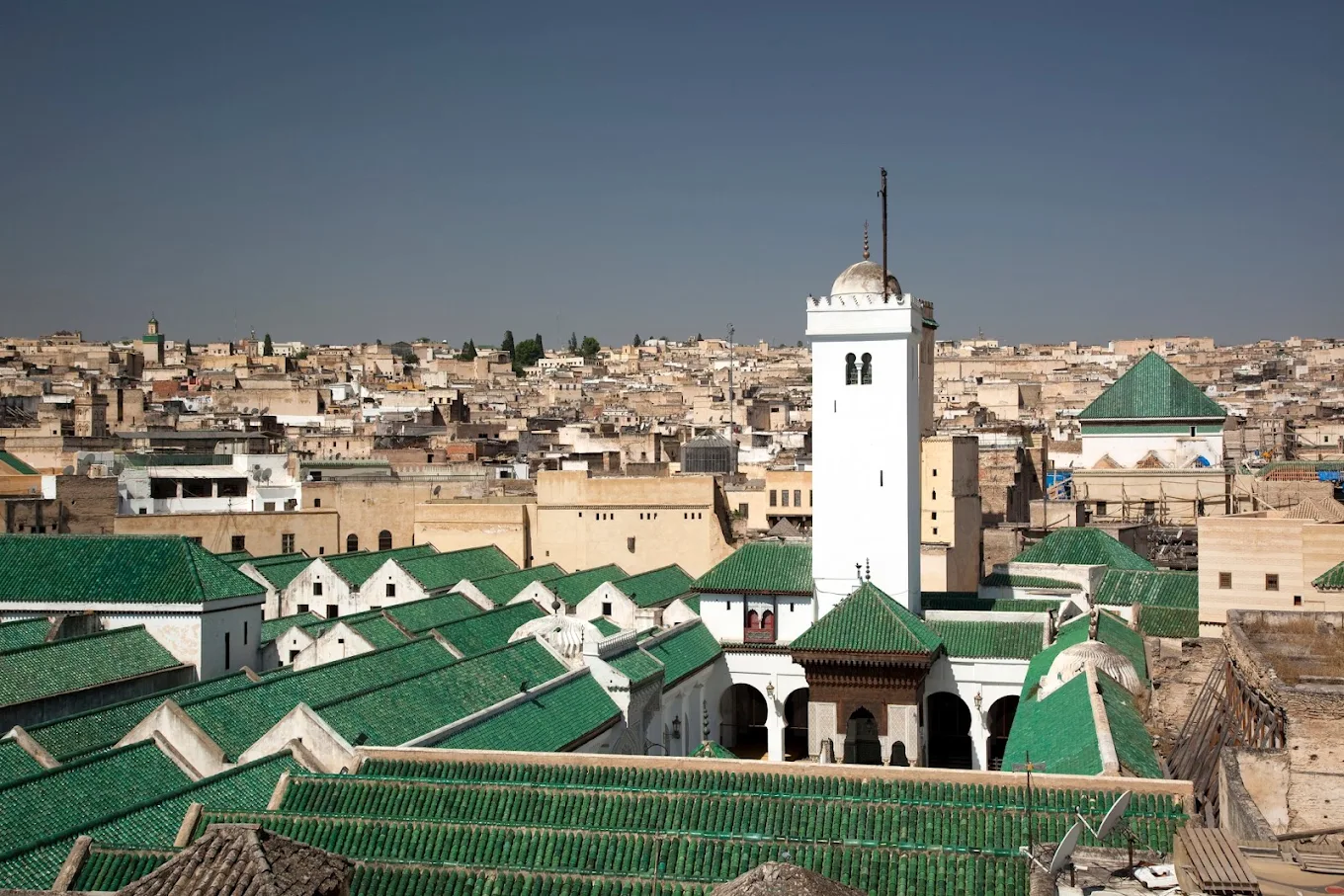
    Paquete de viaje a Marruecos: la medina de Fez en una ruta de ciudades imperiales
    Fez es el corazón de un paquete de ciudades imperiales.

    Este estilo encaja con los amantes de la cultura y los fotógrafos. Lee qué hacer en Fez y qué hacer en Rabat. La medina de Fez es Patrimonio Mundial de la UNESCO.

    2. Paquete del desierto del Sahara

    El desierto es la parte más popular de cualquier paquete de viaje a Marruecos. Cruzas el Alto Atlas, pasas por kasbahs y gargantas, montas en camello al atardecer y duermes en un campamento entre las dunas. Merzouga, con Erg Chebbi, ofrece las dunas más altas, y Zagora está más cerca de Marrakech.
    Paquete de viaje a Marruecos: un viajero en las dunas de Merzouga
    Las dunas de Merzouga, el sello de un paquete de viaje a Marruecos.

    Para ver rutas, consulta tour de 3 días de Marrakech a Merzouga, tour de 2 días de Marrakech a Zagora y tour por el desierto de Merzouga.
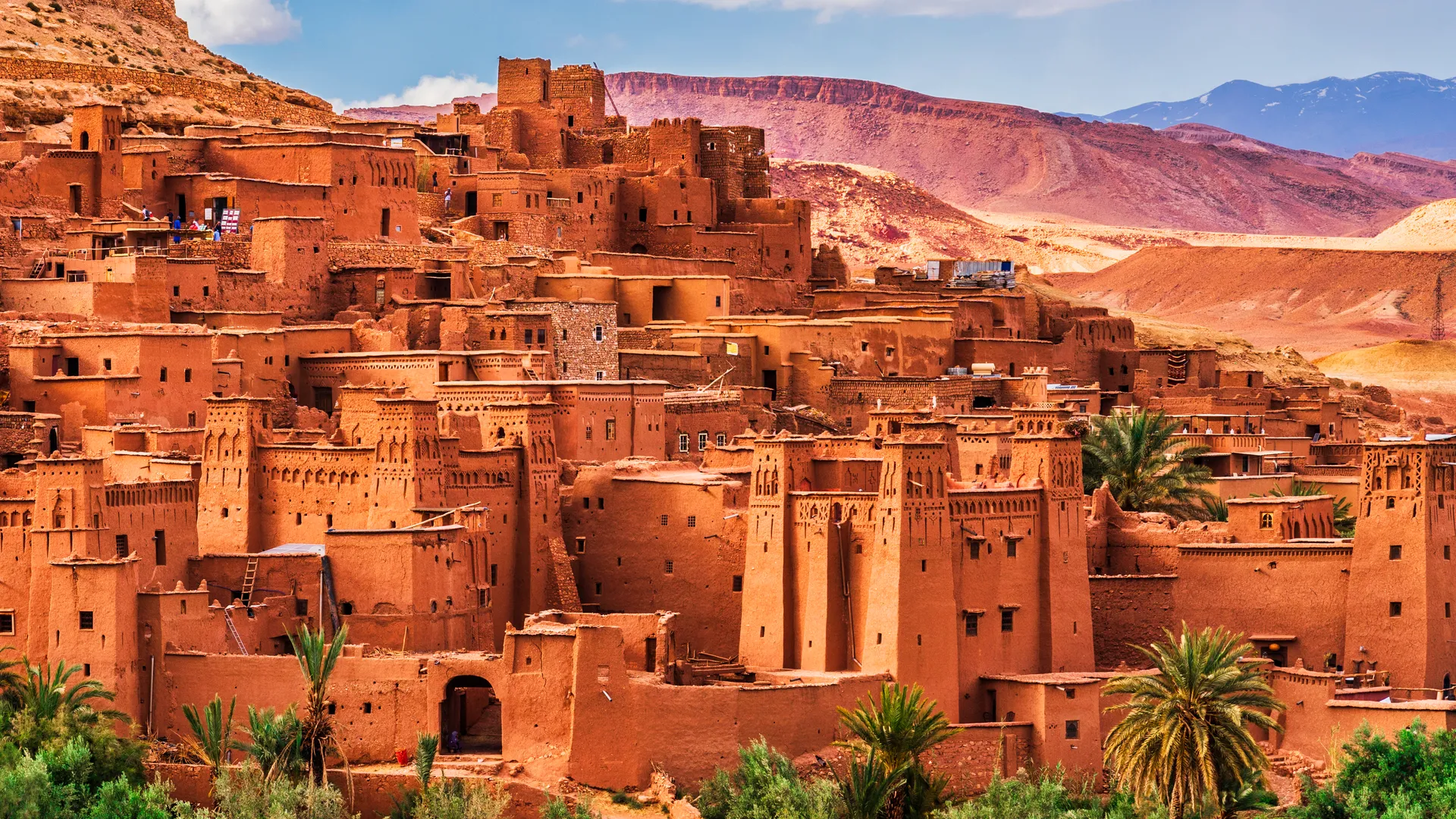
    Paquete de viaje a Marruecos: la kasbah de Ait Benhaddou camino del desierto
    Ait Benhaddou, una parada clásica en la carretera al sur.

    3. Paquete de Marrakech y el Atlas

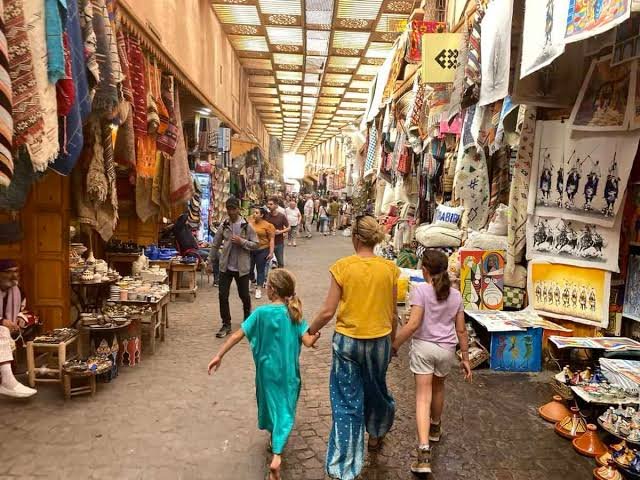
    Un paquete de viaje a Marruecos por Marrakech y el Atlas es perfecto para un viaje corto. Exploras los zocos, los jardines y la plaza Jemaa el-Fna, y luego escapas a las montañas, al desierto de Agafay o a una excursión a Esauira. Es fácil de organizar y muy gratificante.
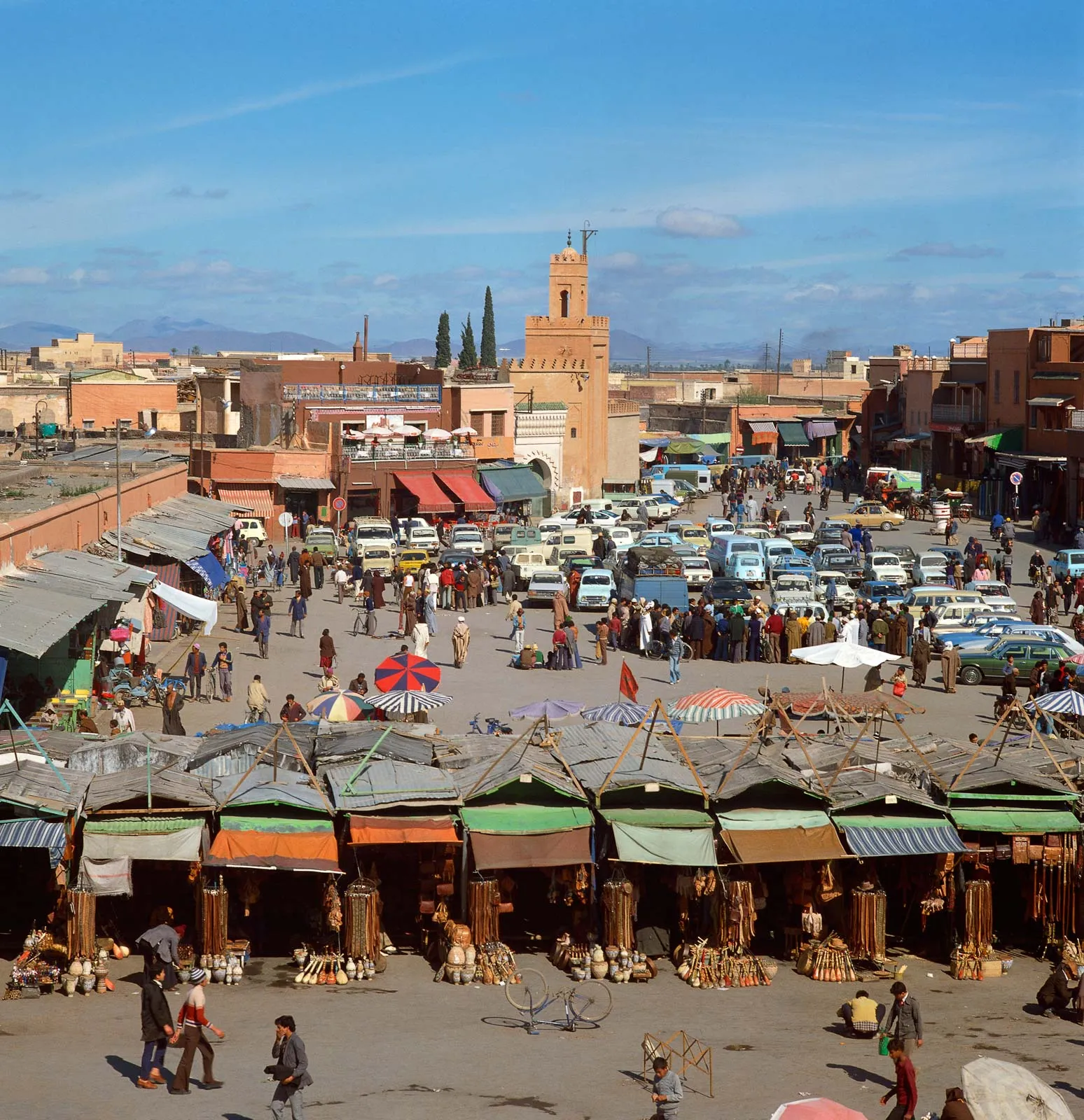
    Paquete de viaje a Marruecos: la Ciudad Roja de Marrakech como base
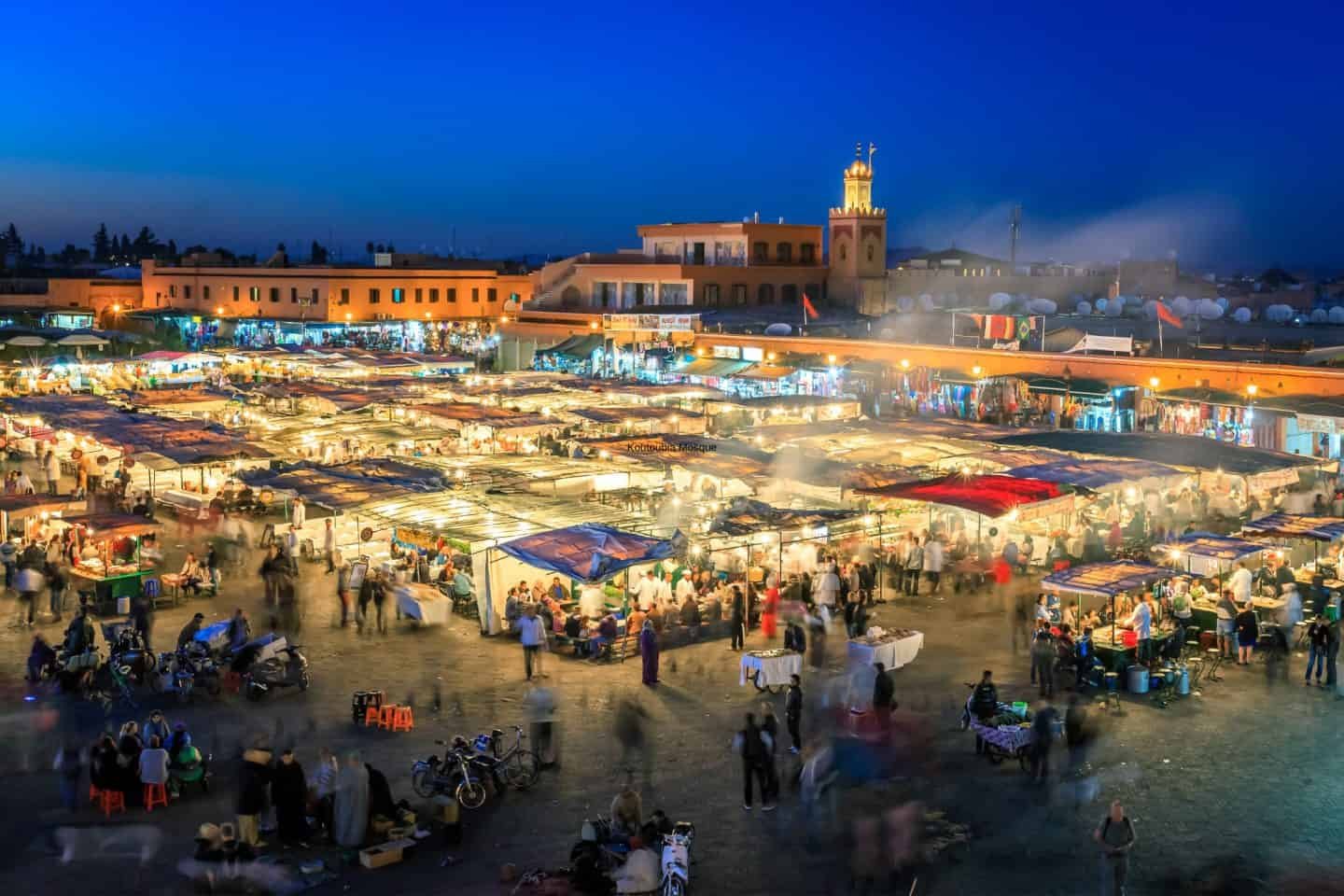
    Marrakech, el inicio habitual de un paquete de viaje a Marruecos.

    Lee qué hacer en Marrakech, excursión de un día a Esauira desde Marrakech y excursión de un día de Marrakech al desierto de Agafay.

    4. Paquete de la costa atlántica

    Si quieres aire de mar, un paquete de viaje a Marruecos por la costa une Esauira, Agadir y a veces Casablanca. El ritmo es tranquilo, con playas, mercados de pescado, pueblos de surf y antiguas murallas. Es un buen equilibrio después de una ruta intensa por el desierto.
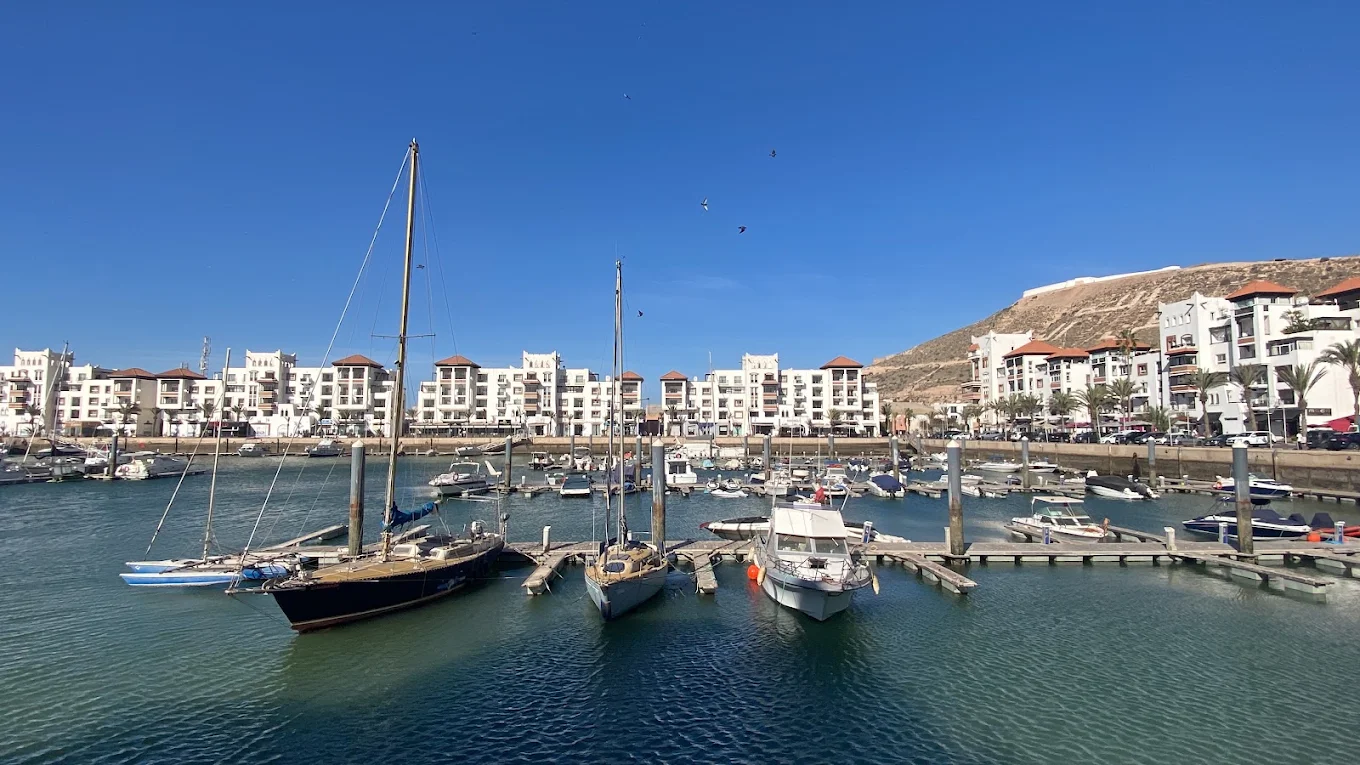
    Paquete de viaje a Marruecos: la bahía de Agadir en la costa atlántica
    La bahía de Agadir, una parada relajada en una ruta costera.

    Consulta qué hacer en Agadir y qué hacer en Casablanca.
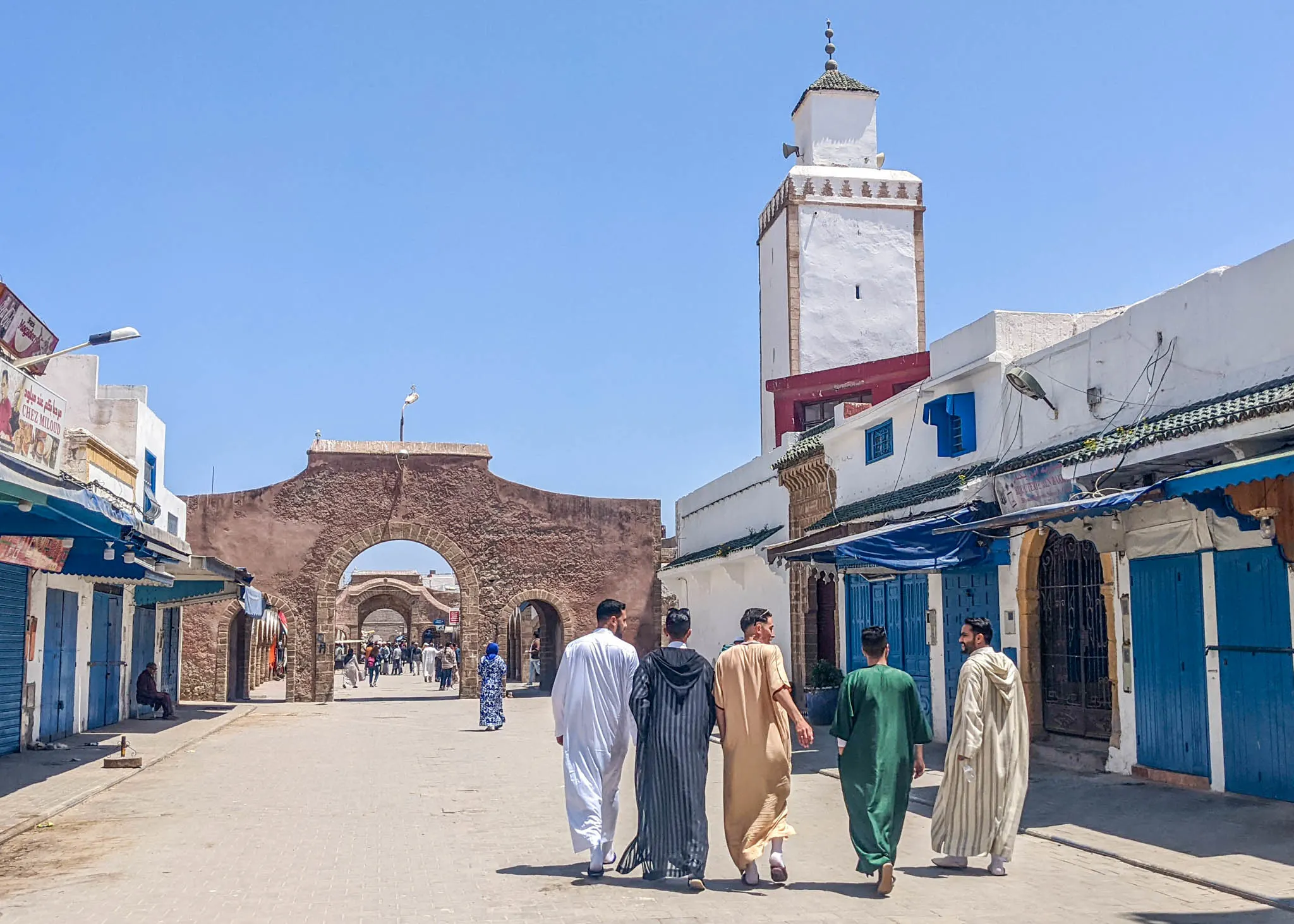
    Paquete de viaje a Marruecos: amigos con chilabas de colores en Esauira
    Esauira tiene un espíritu relajado y creativo.

    5. Paquete de la ciudad azul y el norte

    El norte ofrece un ambiente muy distinto. Un paquete de viaje a Marruecos por el norte visita Tánger, Chefchaouen, Tetuán y a veces las montañas del Rif. Las calles azules de Chefchaouen son uno de los lugares más fotografiados del país.
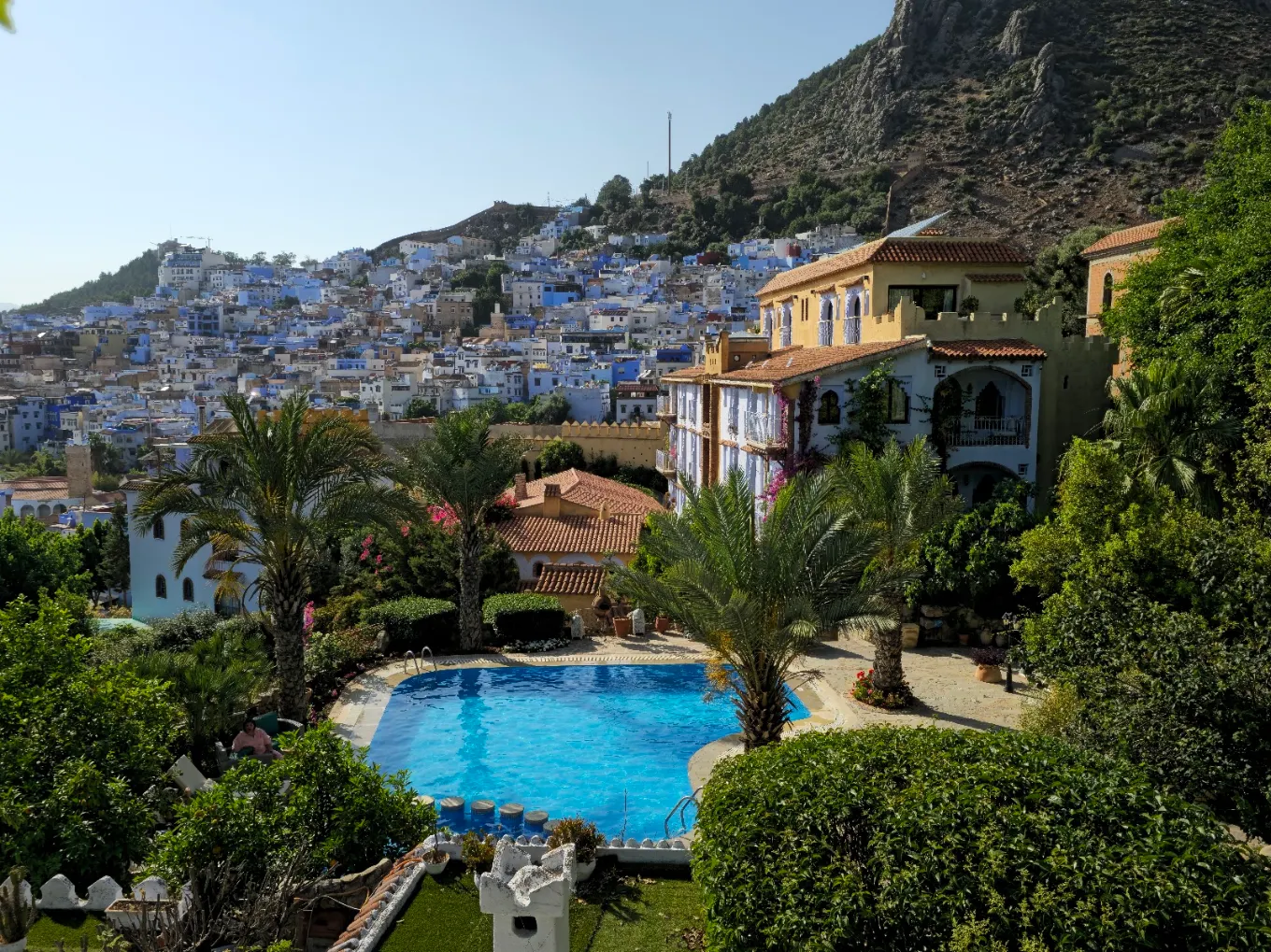
    Paquete de viaje a Marruecos: las calles azules de Chefchaouen
    Las calles azules de Chefchaouen.

    Lee qué hacer en Chefchaouen y qué hacer en Tánger. El norte suele combinarse con Fez y las ciudades imperiales.
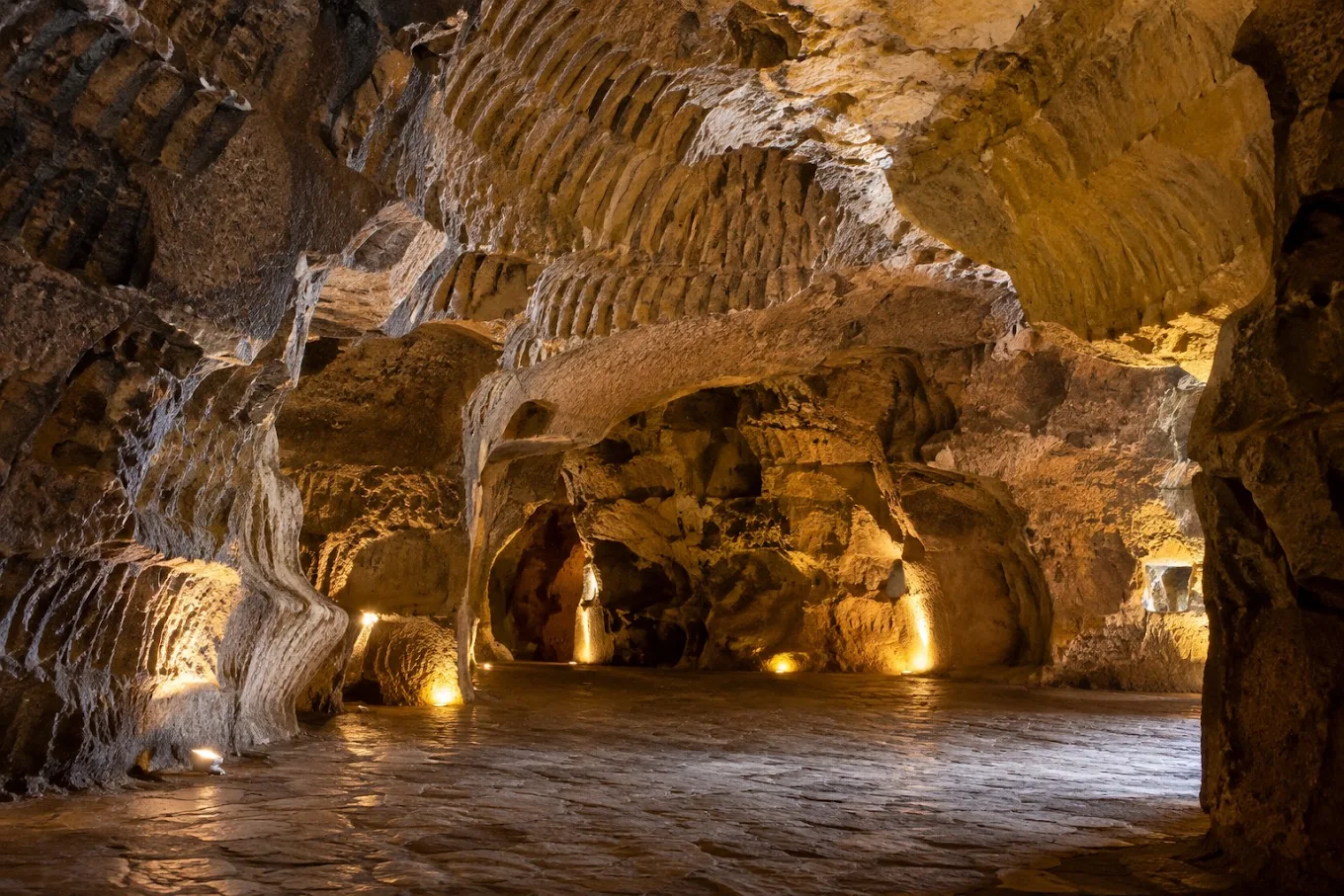
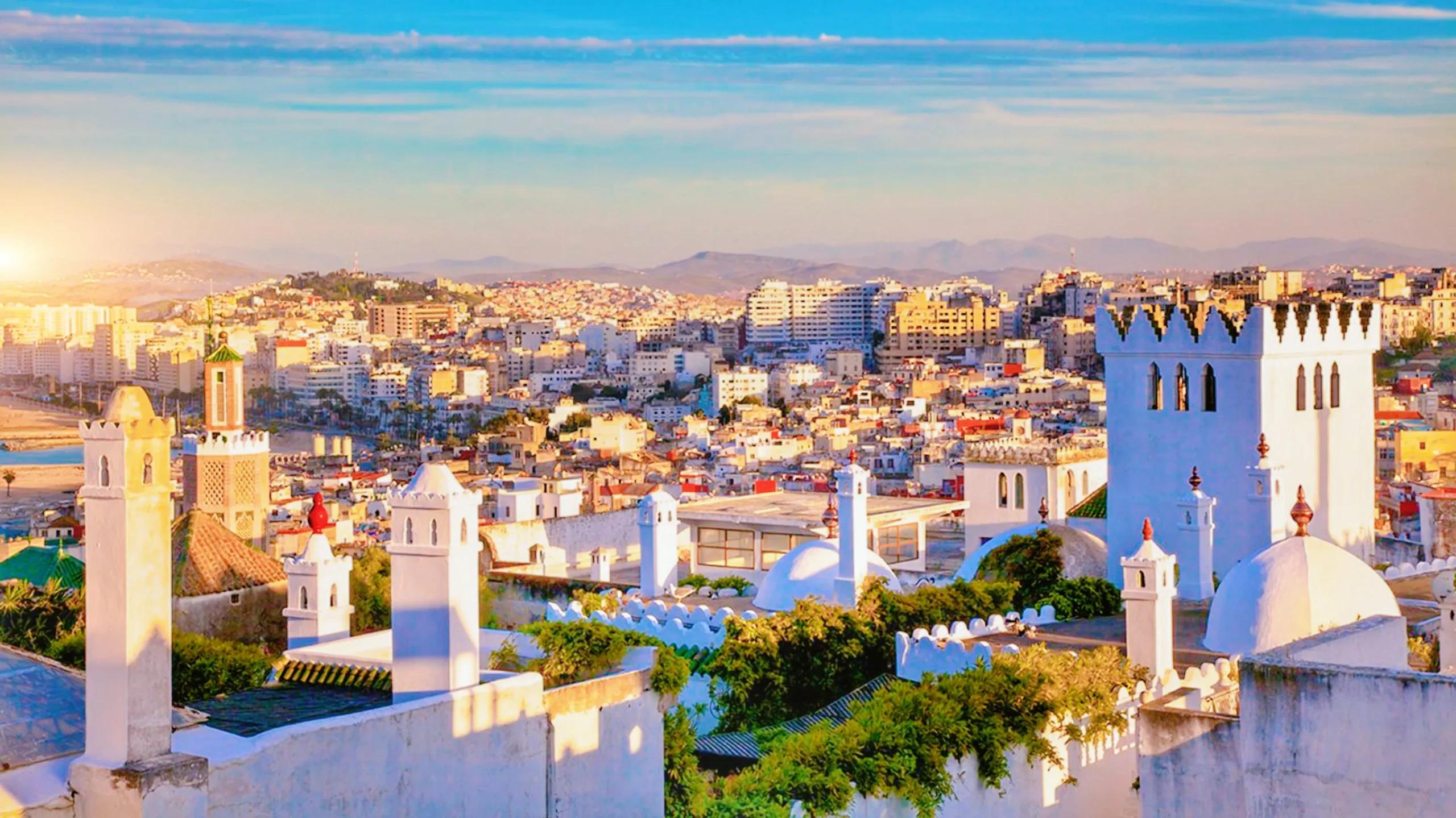
    Paquete de viaje a Marruecos: Tánger en el estrecho de Gibraltar
    Tánger mira a Europa al otro lado del estrecho.

    6. El paquete del gran circuito

    El paquete de viaje a Marruecos de gran circuito es la historia completa: Casablanca o Tánger, Rabat, Fez, el Sahara, el Atlas y Marrakech. Dura de 10 a 14 días y muestra la variedad del país en un solo recorrido. Encaja con viajeros que quieren profundidad y no les importa moverse con frecuencia.
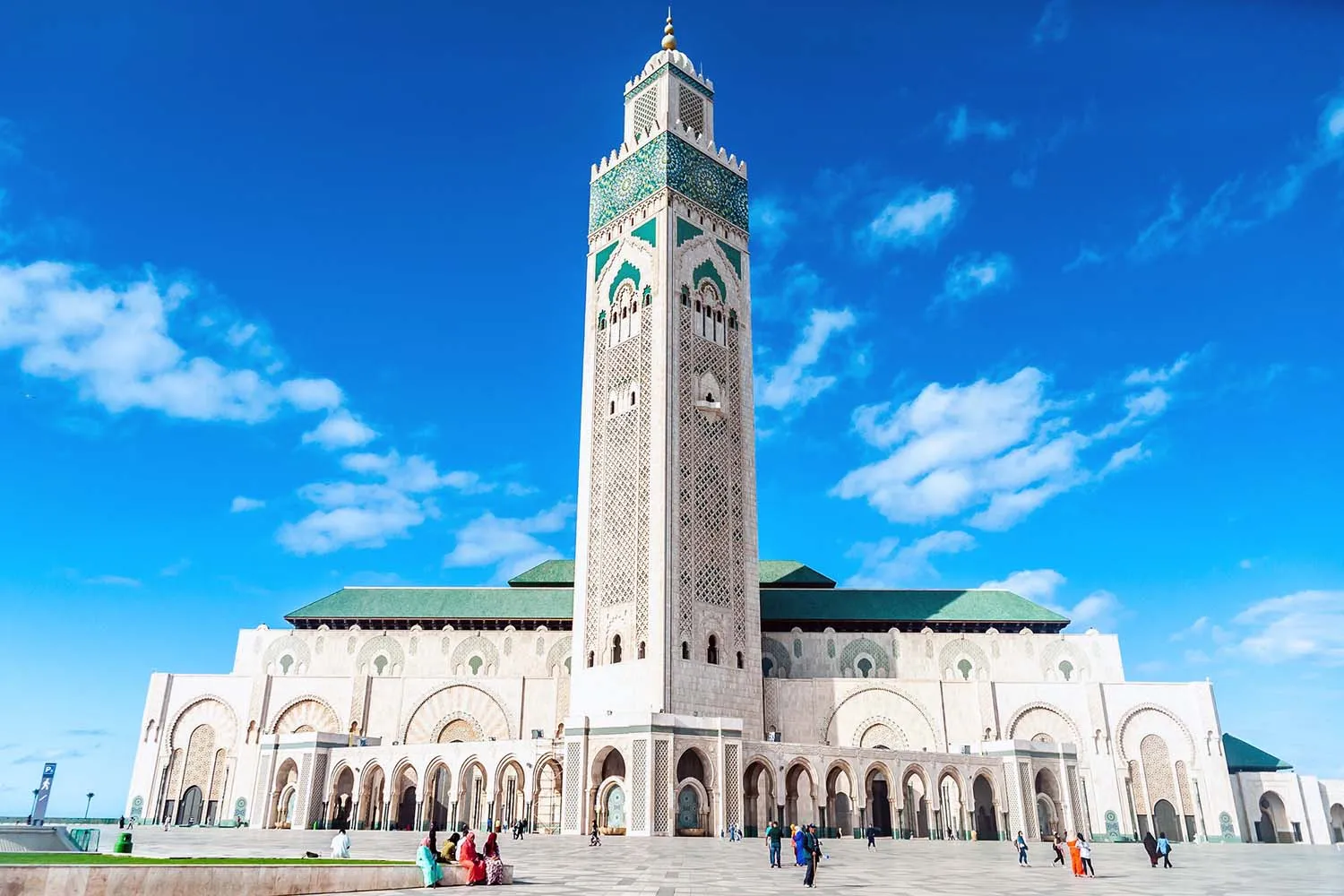
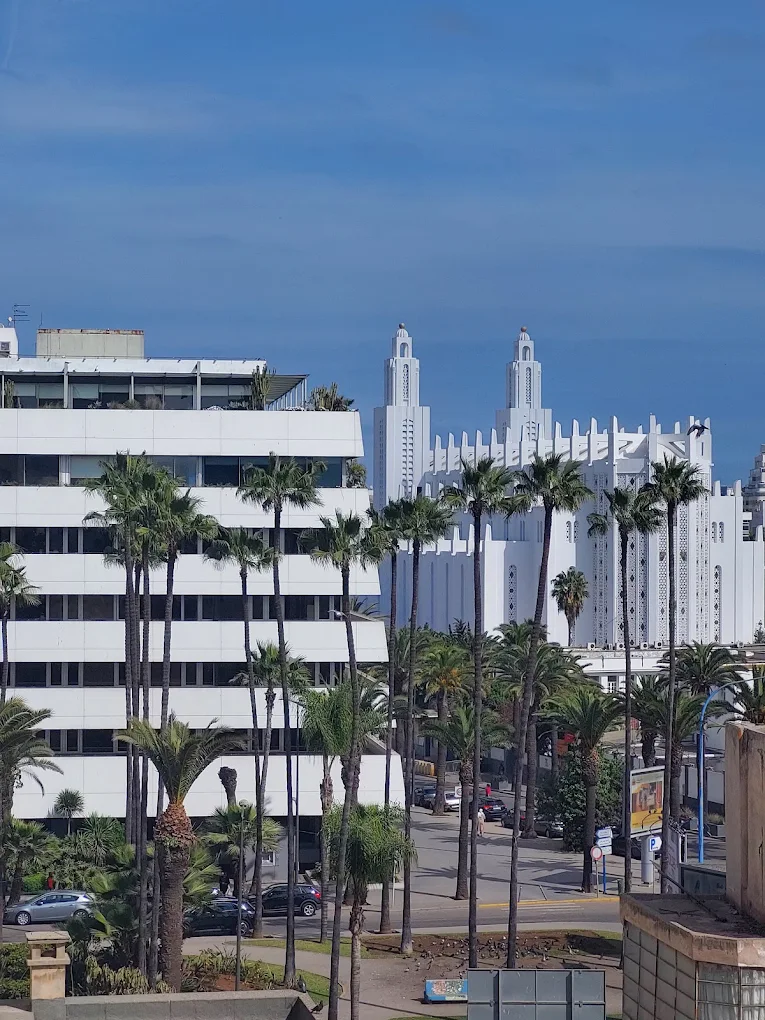
    Paquete de viaje a Marruecos: la costa atlántica de Casablanca en un gran circuito
    Casablanca es un inicio o final habitual del gran circuito.

    Para planificar, lee cuántos días son suficientes en Marruecos. También existen planes más largos, como 21 días por España y Marruecos.

    7. Paquetes familiares

    Las familias necesitan un ritmo más tranquilo. Un paquete de viaje a Marruecos familiar usa trayectos más cortos, un coche privado con espacio, paradas pensadas para niños y un campamento con comodidades. A los niños les encantan los camellos, el sandboard y los colores de los zocos.
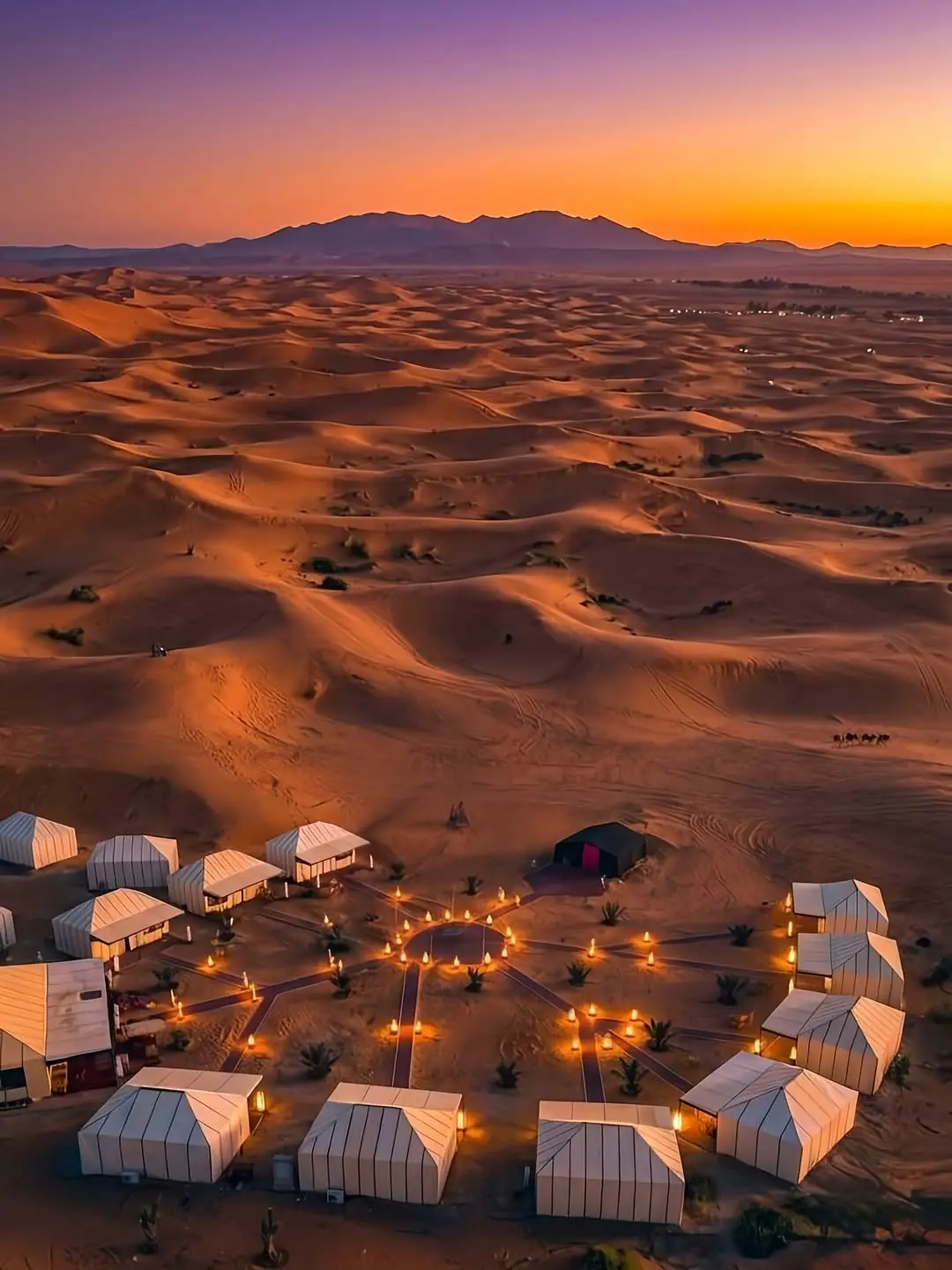
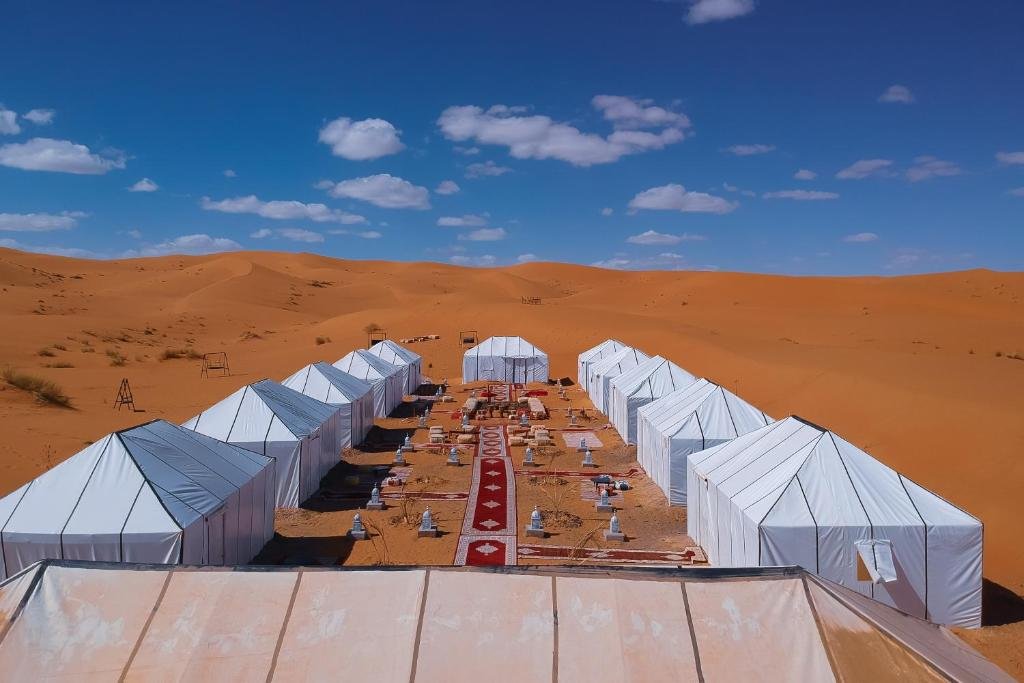
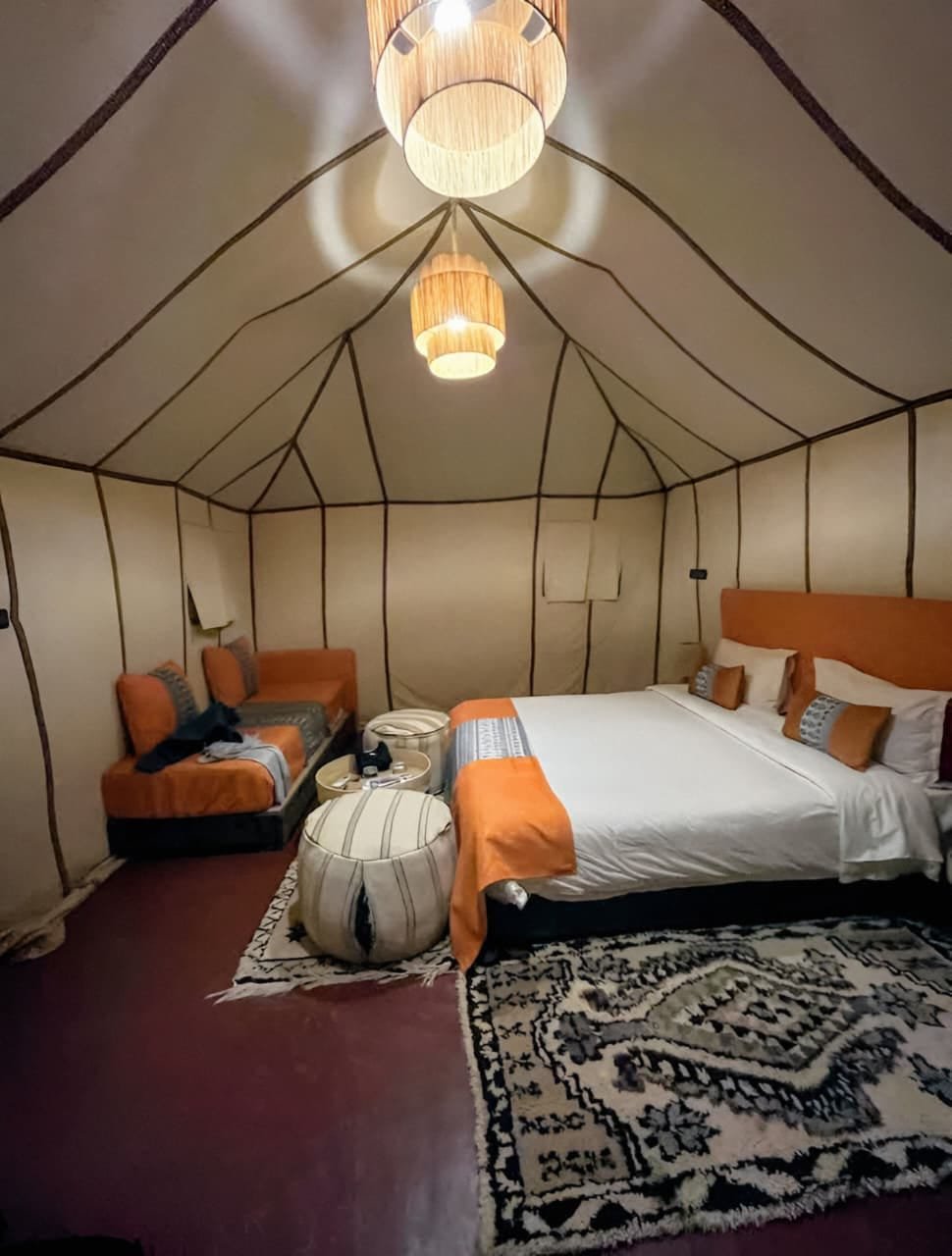
    Paquete de viaje a Marruecos: un campamento cómodo en el desierto para familias
    Un campamento cómodo hace el desierto fácil para las familias.

    Pregunta por asientos para niños, aperitivos y días de descanso. Un paquete privado y flexible suele ser la mejor opción para una familia.

    8. Paquetes para parejas y luna de miel

    Para parejas, un paquete de viaje a Marruecos se centra en el ambiente: un riad con patio, una cena privada, un paseo en camello al atardecer y una tienda de lujo bajo las estrellas. El ritmo es lento, y los detalles importan más que el número de sitios.
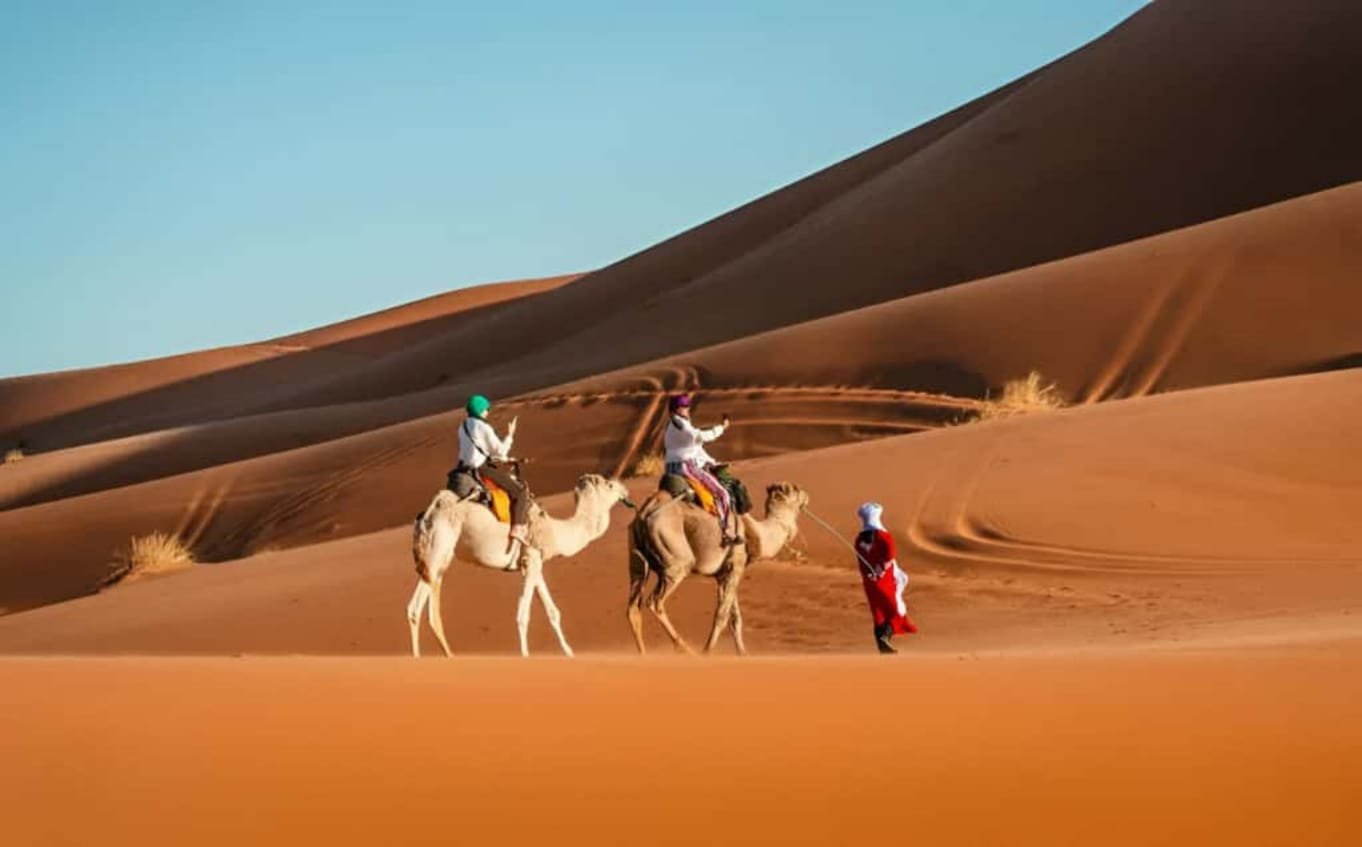
    Paquete de viaje a Marruecos: paseo romántico en camello al amanecer en Merzouga
    El amanecer en las dunas es un momento favorito de las parejas.

    9. Paquetes para estudiantes y grupos

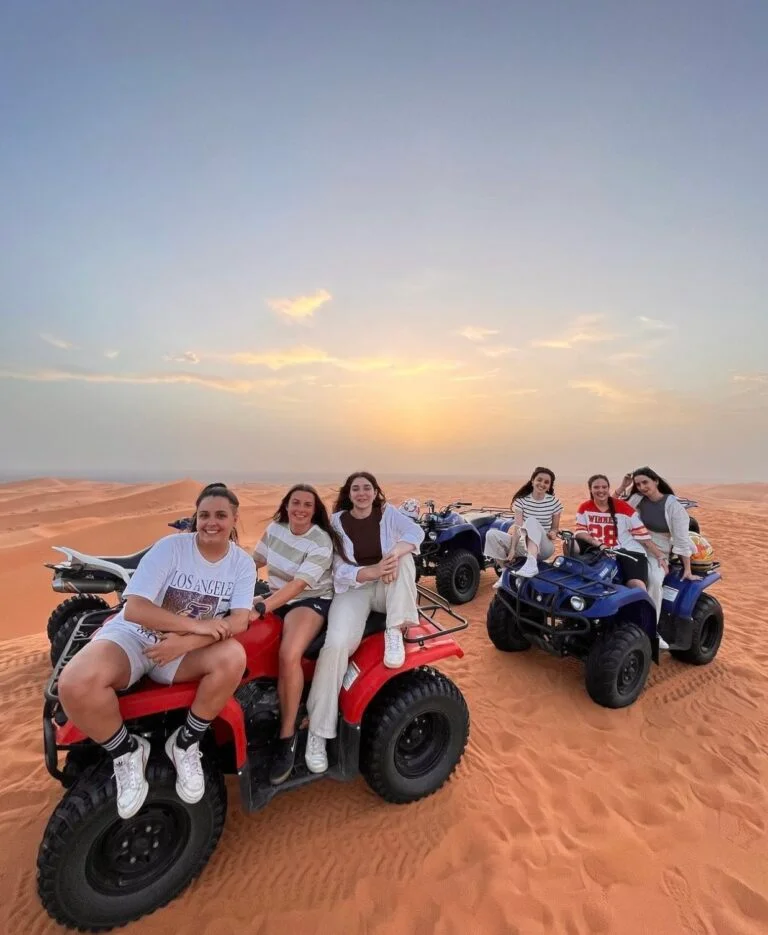
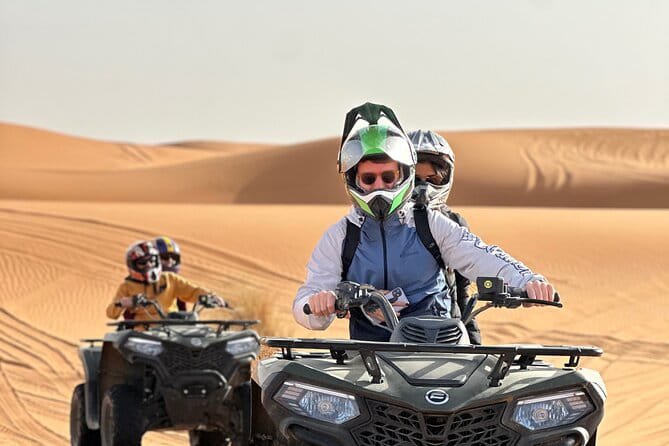
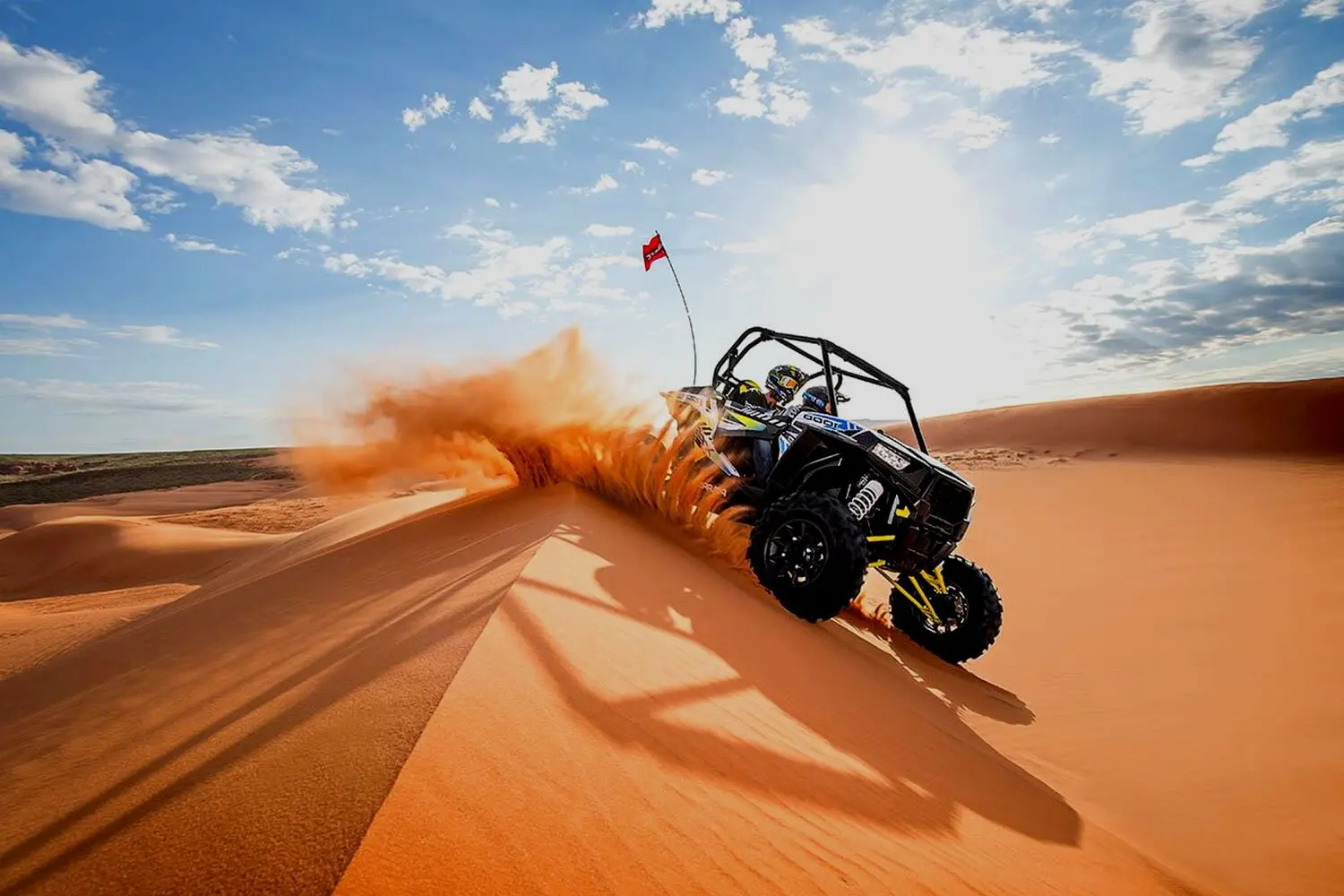
    Colegios, universidades y grupos de amigos suelen elegir un paquete de viaje a Marruecos en grupo. Un vehículo compartido, horarios claros y actividades divertidas hacen que el viaje sea seguro y sociable. Las paradas típicas incluyen Marrakech, el desierto, quads y sandboard.

    Para más detalles, lee viajes de estudiantes a Marruecos y tour estudiantil de 3 días por Marruecos.

    10. Paquete privado a medida

    Un paquete de viaje a Marruecos privado y a medida se construye con tus deseos: fechas, lugares, ritmo y nivel de presupuesto. Eliges las ciudades, el número de noches en el desierto, el tipo de hotel y las actividades. Después, un planificador local lo convierte en una ruta clara.
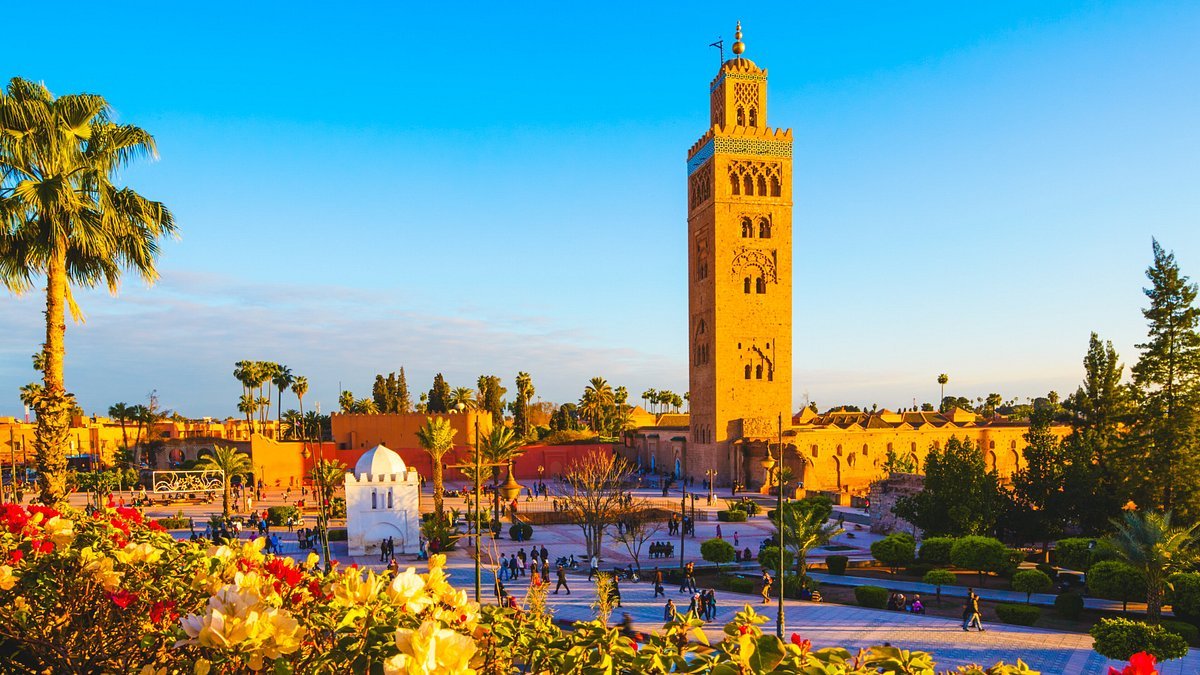
    Paquete de viaje a Marruecos: una ruta privada a medida que empieza en Marrakech
    Un plan a medida suele empezar en Marrakech.

    Es la opción más flexible. Consulta cómo organizar un viaje a Marruecos para ver los pasos y después envíanos tus deseos.

    ¿Cuántos días debe durar un paquete de viaje a Marruecos?

    La duración adecuada depende de tus intereses. Un paquete de viaje a Marruecos corto, de tres o cuatro días, puede darte Marrakech y una noche en el desierto. Siete días cubren un circuito clásico, y diez o más permiten la costa, el norte y noches tranquilas.

    Días Qué puedes ver
    3 Marrakech y Zagora o Agafay
    5 Marrakech, Atlas, Merzouga
    7 Marrakech, Sahara, Fez
    10 Ciudades, desierto, costa
    14 Circuito completo con el norte

    No intentes verlo todo. Un paquete de viaje a Marruecos apresurado parece un tour en autobús, mientras que uno equilibrado parece una aventura.

    ¿Qué incluye normalmente un paquete de viaje a Marruecos?

    Un buen paquete de viaje a Marruecos detalla todo con claridad. Lo habitual es un vehículo privado con combustible y conductor, un guía o conductor-guía, alojamiento en hoteles, riads o campamentos, desayuno y a menudo cena en las noches del desierto, y las actividades principales como el paseo en camello.

    • Normalmente incluido: transporte, conductor-guía, alojamiento, desayuno, paseo en camello.
    • A menudo extra: almuerzos, bebidas, entradas, propinas.
    • Opcional: quads, globo aerostático, clase de cocina.

    Pide la lista por escrito y compara paquetes para los mismos días y el mismo nivel de comodidad. Nosotros enviamos una lista clara por WhatsApp para que no haya sorpresas.

    Cómo comparar paquetes de viaje a Marruecos

    Comparar paquetes de viaje a Marruecos es más fácil con una lista de control. Fíjate en la ruta, las horas de conducción, el tipo de alojamiento, el vehículo, el guía y las opiniones. Una oferta más barata puede saltarse paradas o usar campamentos de menor categoría.

    Qué revisar Por qué importa
    Ruta y horas de conducción Los días largos reducen el disfrute
    Alojamiento Riad, hotel o campamento cambian el ambiente
    Vehículo y conductor Seguridad y comodidad
    Comidas incluidas Evita extras ocultos
    Opiniones Mejor si son recientes y detalladas
    Paquete de viaje a Marruecos: comparar rutas por la ciudad antigua de Marrakech
    Compara la misma ruta y los mismos días.

    ¿Paquete de viaje a Marruecos privado o en grupo?

    Un paquete de viaje a Marruecos privado ofrece flexibilidad, comodidad y un plan hecho a tu medida. Un paquete en grupo ofrece compañía y coste compartido. Las familias y las parejas suelen preferir lo privado, mientras que los viajeros solos a menudo prefieren grupos. Lee nuestra comparación completa en conductor privado en Marruecos o tour en grupo.

    También puedes combinar ambos, con conductor privado y actividades en grupo reducido. Pide a tu planificador la mezcla que mejor te encaje.

    Mejor época para un paquete de viaje a Marruecos

    La primavera y el otoño son las mejores épocas para la mayoría de los paquetes de viaje a Marruecos. Los días son cálidos, las noches frescas y las carreteras están despejadas. El invierno es bueno para el desierto pero frío en la montaña, y el verano es caluroso en el sur, así que conviene planificar la costa y las salidas temprano.
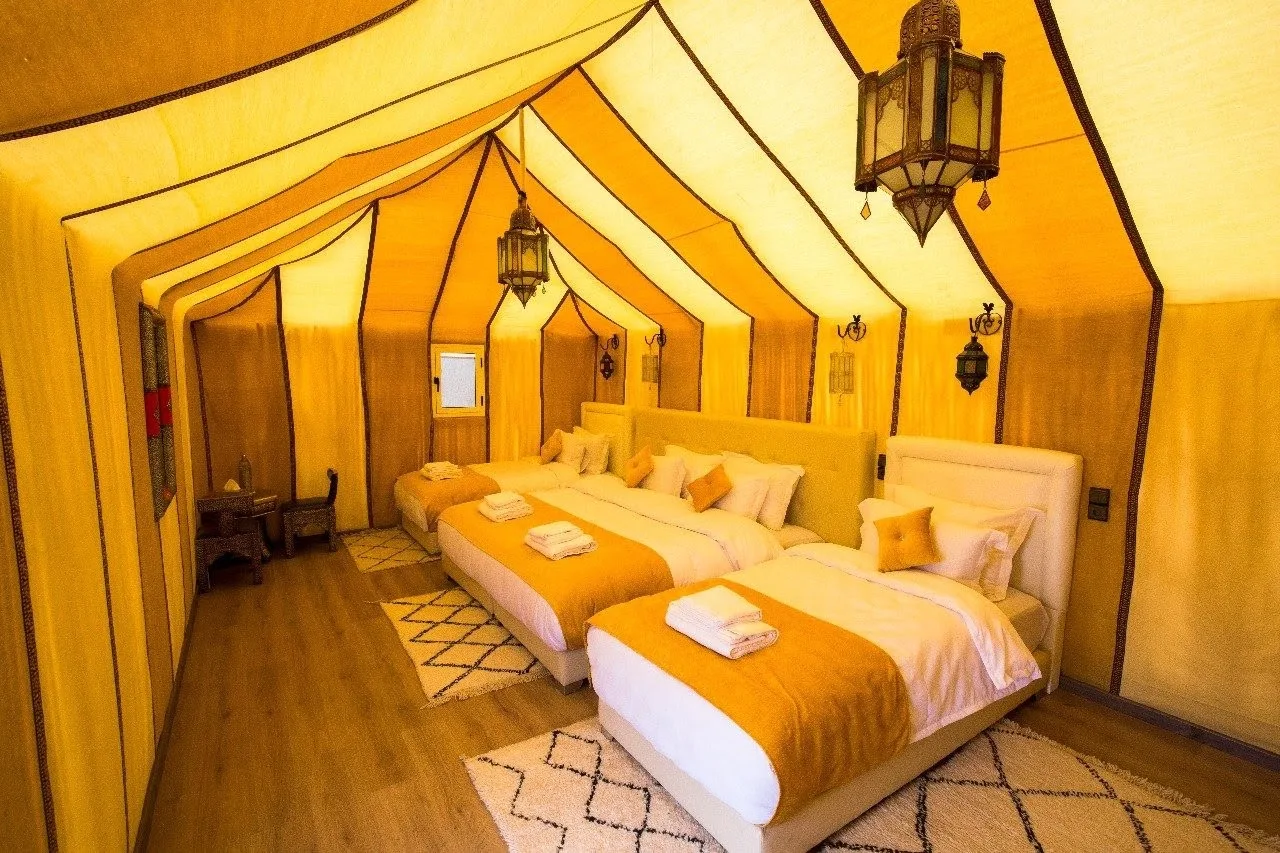
    Paquete de viaje a Marruecos: dunas doradas del Sahara en la mejor época
    La primavera y el otoño dan la mejor luz en las dunas.

    Para elegir la fecha en el desierto, lee cuál es la mejor época para visitar Merzouga.

    Visado, pasaporte y documentos

    Antes de reservar un paquete de viaje a Marruecos, comprueba las normas de entrada. Muchas nacionalidades entran sin visado hasta 90 días, pero importan la validez del pasaporte y otros puntos. Nuestra guía ¿necesito visado para Marruecos? explica lo básico, y la página de tu gobierno tiene las normas más recientes.

    Revisa también el seguro de viaje y las vacunas. Comparte los datos de tu pasaporte con tu planificador solo por canales seguros.

    Qué llevar en la maleta

    Preparar la maleta para un paquete de viaje a Marruecos depende de la estación y de la ruta. Lleva calzado cómodo, capas ligeras, una chaqueta de abrigo para las noches del desierto, un pañuelo, gafas de sol y crema solar. Viste con discreción en ciudades y pueblos.

    • Ropa: capas y mangas largas.
    • Calzado: zapatos cómodos para caminar.
    • Extras: batería externa, botella reutilizable, linterna pequeña.
    • Efectivo: billetes pequeños para propinas y tentempiés.
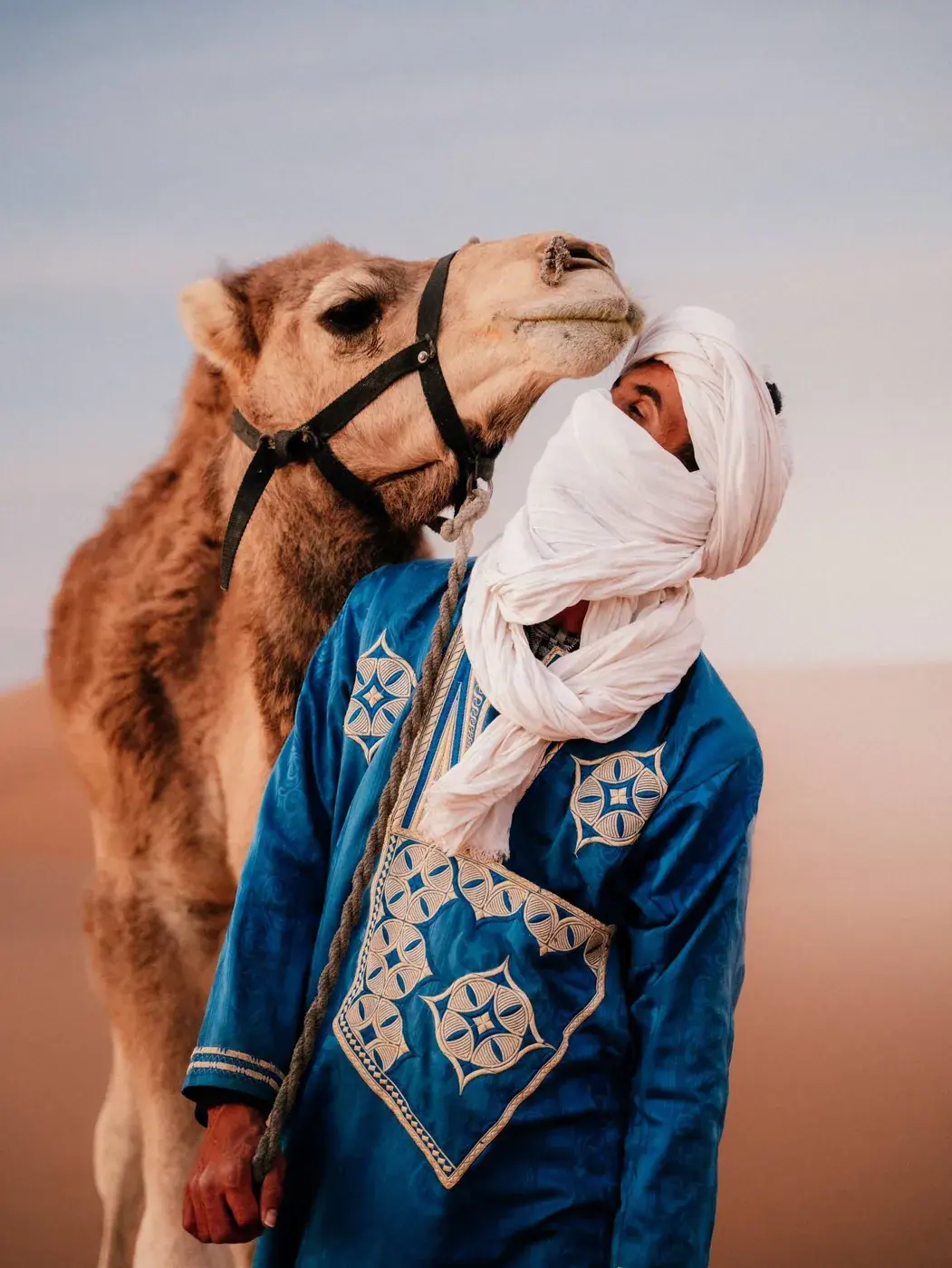
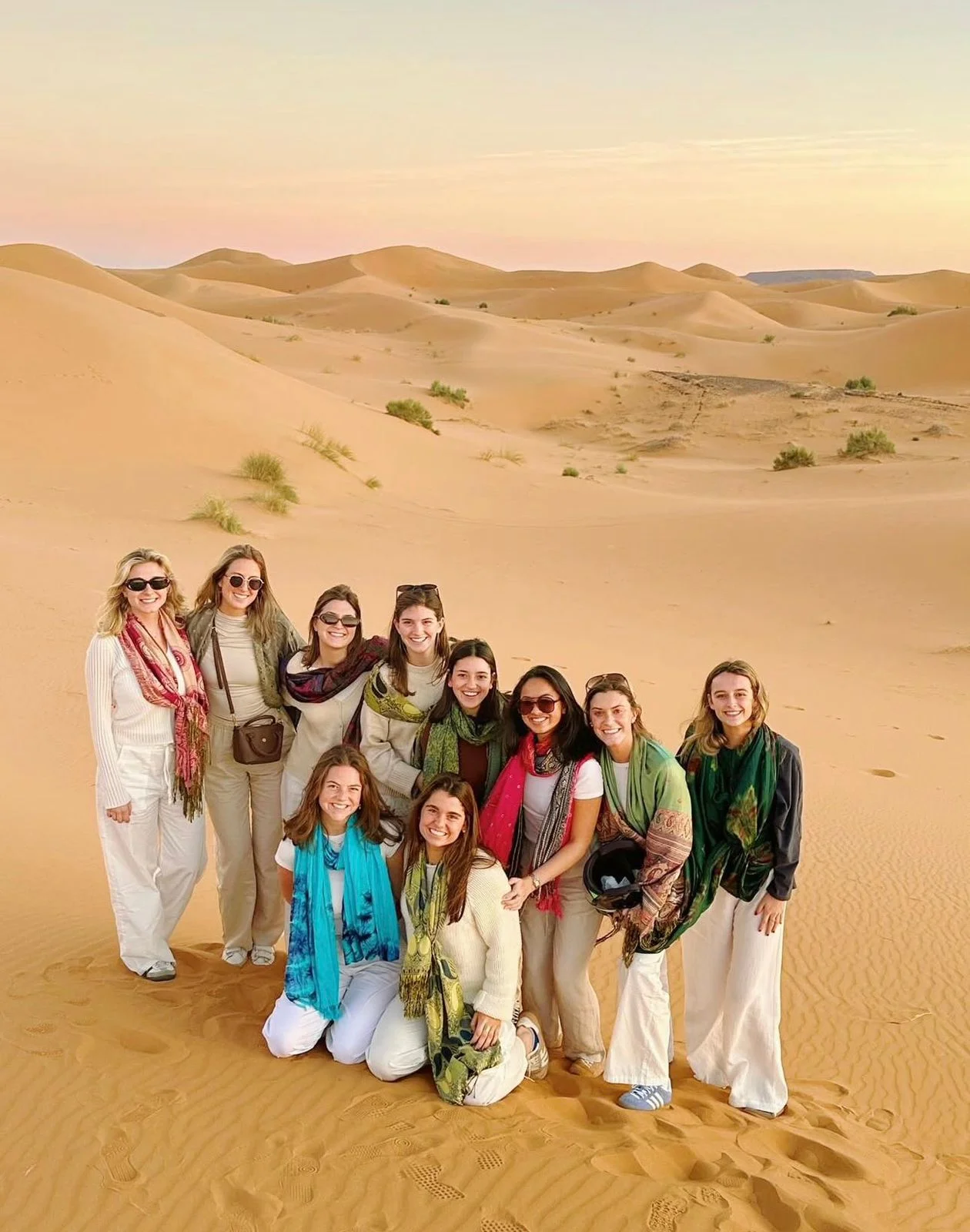
    Paquete de viaje a Marruecos: un pañuelo del desierto en Merzouga
    El pañuelo es el objeto más útil en el desierto.

    Señales de alerta que debes evitar

    Algunas señales de peligro aparecen en los paquetes de viaje a Marruecos. Ten cuidado con ofertas muy bajas, itinerarios vagos, hoteles o campamentos sin nombre y presión para pagar enseguida. Otra señal es un operador que no responde preguntas antes de reservar.

    Evita también ofertas callejeras no oficiales que prometen viajes baratos. Reserva con un equipo claro y localizable, y conserva un plan por escrito.

    Cómo reservar tu paquete de viaje a Marruecos

    Reservar es sencillo. Primero envía tus fechas, el tamaño del grupo y tus deseos. Después recibirás un plan por escrito con la ruta, el alojamiento y lo incluido. Cuando confirmes, recibirás los detalles finales, las horas de recogida y un teléfono de contacto para todo el viaje.
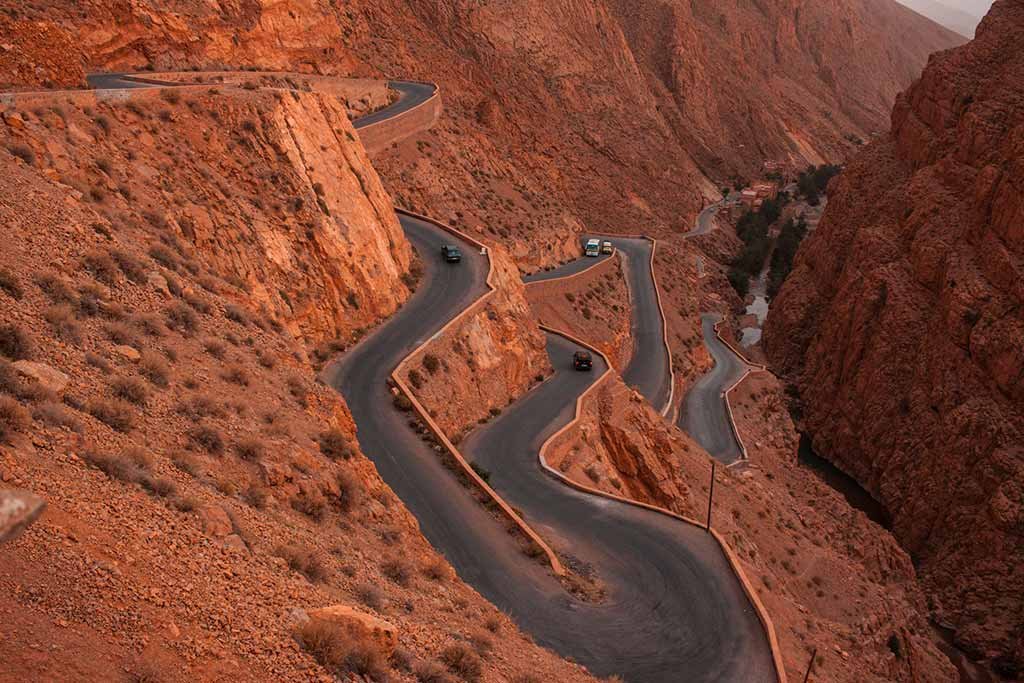
    Paquete de viaje a Marruecos: las gargantas del Dadés en una ruta privada flexible
    Un plan por escrito mantiene las mejores paradas en la ruta.

    Reserva con tiempo para primavera, otoño y fiestas. Si es de última hora, escríbenos igualmente, porque la disponibilidad cambia.

    Errores que debes evitar

    El mayor error con un paquete de viaje a Marruecos es elegir solo por precio. Un precio bajo puede esconder paradas cortas, campamentos pobres o extras ocultos. Otro error es meter demasiado en poco tiempo, porque las carreteras son largas.

    Un tercer error es ignorar la estación. Un cuarto es no contratar seguro de viaje. Por último, no reserves sin una lista escrita de lo que está incluido.

    Mitos sobre los paquetes de viaje a Marruecos

    Un mito es que un paquete significa un autobús lleno. Los paquetes privados usan tu propio vehículo. Otro mito es que los paquetes son siempre caros. Compartir vehículo puede dejar un precio razonable por persona. Un tercer mito es que no se puede cambiar un paquete. Un buen planificador adapta el plan a tus deseos.
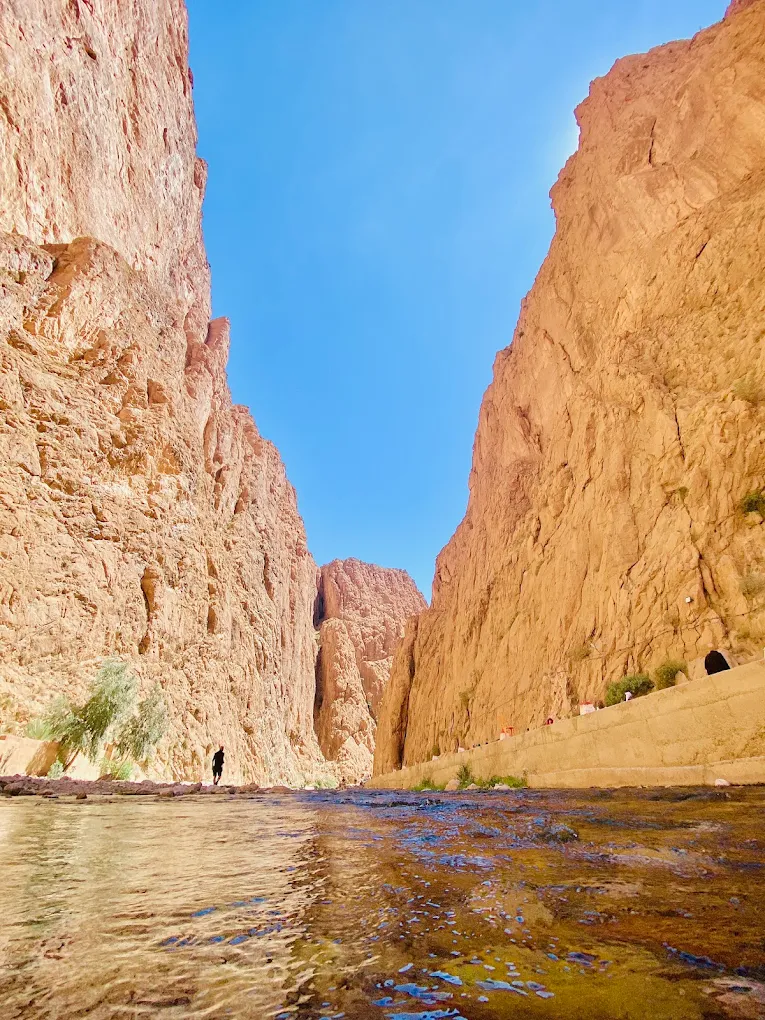
    Paquete de viaje a Marruecos: la garganta del Todra en una ruta flexible por el desierto
    Una ruta flexible puede parar donde la vista es buena.

    Consejos locales de nuestro equipo

    • Empieza por tus prioridades: cultura, desierto, costa o descanso.
    • Limita los cambios de hotel: menos traslados significan más tiempo.
    • Pide un plan por escrito: rutas, noches y servicios incluidos.
    • Deja tiempo de margen: las carreteras son lentas.
    • Sé flexible: el clima puede cambiar los planes.

    Los viajeros nos preguntan a menudo cómo elegir un paquete de viaje a Marruecos. Solemos sugerir empezar por el desierto y una ciudad imperial, y después añadir días. Escríbenos por WhatsApp con tus fechas y construiremos el plan. Para más guías, mira viajar a Marruecos.

    Un paquete de viaje a Marruecos de 7 días de ejemplo

    Una semana es la duración más habitual y muestra cómo es un plan equilibrado. Este ejemplo empieza en Marrakech y termina en Fez, así que nunca repites el mismo camino. Cada día tiene un objetivo principal y tiempo para descansar.

    Día Plan Conducción
    1 Llegada a Marrakech, noche en la medina Traslado corto
    2 Marrakech: lugares de interés, zocos y jardines Ninguna
    3 Alto Atlas, Ait Benhaddou, valle del Dadés Larga
    4 Garganta del Todra y después Merzouga y las dunas Larga
    5 Amanecer, paseo en camello, Midelt y bosque de cedros Larga
    6 Azrou, Ifrane y llegada a Fez Media
    7 Medina de Fez con guía y salida Ninguna

    Tres días tienen trayectos largos, así que colocamos un día de descanso en Marrakech y una salida tardía en Fez. Puedes cambiar el último día por Chefchaouen si te encanta la fotografía. Deja siempre un día flexible para el clima, el cansancio o un lugar donde quieras quedarte más.
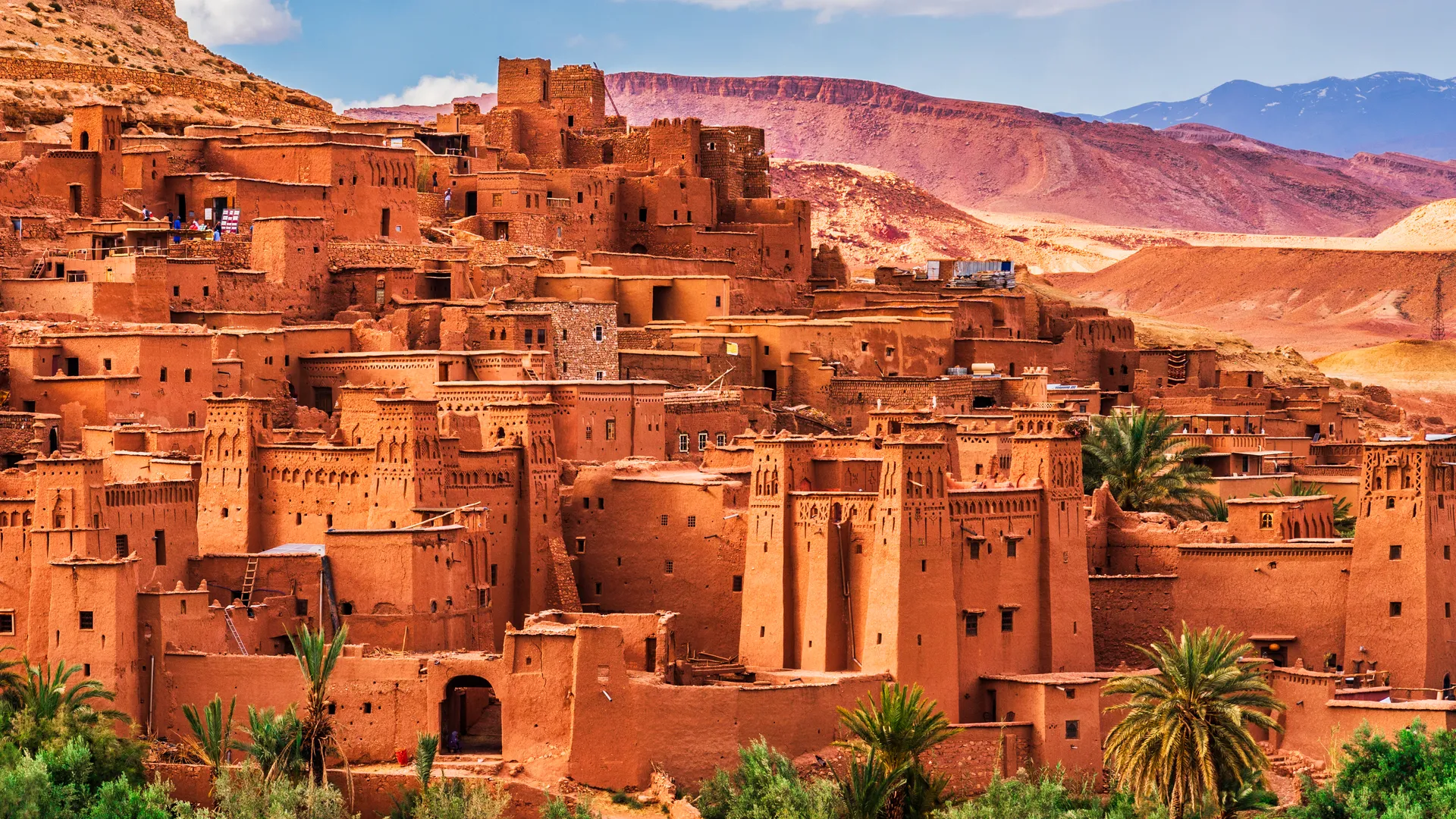
    Ruta de 7 días del paquete de viaje a Marruecos junto a la kasbah de Ait Benhaddou
    El tercer día cruza el Atlas y pasa junto a la antigua kasbah.

    Cultura y etiqueta en el camino

    Los marroquíes son acogedores, y un poco de respeto ayuda mucho. Viste con discreción en las ciudades, pide permiso antes de fotografiar a personas y quítate los zapatos al entrar en una casa. Usa la mano derecha para comer y para dar o recibir objetos.

    Durante el Ramadán, la vida diurna se ralentiza y muchos cafés cierran hasta la puesta de sol. Planifica días más ligeros y disfruta de las noches, cuando las calles cobran vida. Aprende algunas palabras como salam y shukran, porque abren muchas sonrisas.

    • Saludos: el apretón de manos y la mano en el corazón son habituales.
    • Regateo: sé amable, paciente y estate dispuesto a marcharte.
    • Fotos: pregunta siempre, sobre todo en mercados y pueblos.
    • Propinas: pequeñas cantidades son normales para guías y conductores.

    Comida y bebida en tu viaje

    La comida es uno de los puntos fuertes de cualquier viaje. Prueba el tajín, el cuscús los viernes, la pastela, la sopa harira y el pan fresco. El té de menta se sirve en todas partes, y un vaso ofrecido por un anfitrión es señal de amistad.

    Los vegetarianos comen bien, con tajines de verduras, ensaladas y platos de lentejas. Avisa de las alergias pronto para que cada restaurante y campamento pueda preparar tus comidas. Bebe agua embotellada y elige lugares concurridos donde la comida se cocina al momento. Lee qué no comer en Marruecos para unos consejos sencillos de seguridad.

    Reflexiones finales sobre tu paquete de viaje a Marruecos

    Un paquete de viaje a Marruecos convierte un país grande en un viaje claro. Elige el estilo que más te guste: ciudades imperiales, Sahara, costa, el norte, un viaje en familia o un gran circuito. Mantén los días equilibrados, la ruta realista y los detalles por escrito.

    Elijas lo que elijas, planifica con un equipo local de confianza, respeta la vida local y disfruta de los momentos lentos. Para más ideas, lee ¿es seguro viajar a Marruecos?

    Envíanos tus fechas, el tamaño del grupo y tus deseos. Construiremos un plan privado con la ruta, los campamentos y el ritmo adecuados.

    Preguntas frecuentes

    ¿Qué incluye un paquete de viaje a Marruecos?

    Normalmente un vehículo privado con conductor-guía, alojamiento, desayuno, una noche en campamento del desierto y las actividades clave. Almuerzos, bebidas, entradas y propinas suelen ser extra.

    ¿Cuántos días necesito?

    De cinco a siete días cubren un circuito clásico, y diez o más permiten la costa y el norte.

    ¿Es mejor un paquete privado que uno en grupo?

    El privado da flexibilidad y comodidad, y el de grupo da compañía y coste compartido. Muchos viajeros eligen privado en familia o en pareja.

    ¿Cuándo es la mejor época para ir?

    Primavera y otoño para la mayoría de las rutas. El invierno es bueno para el desierto y el verano para la costa.

    ¿Puedo personalizar un paquete?

    Sí. Un buen planificador adapta la ruta, los hoteles y las actividades a tus deseos.

    ¿Necesito visado?

    Muchas nacionalidades pueden entrar sin visado hasta 90 días. Comprueba tus propias normas antes de reservar.

    ¿Cómo puedo reservar?

    Envía tus fechas y el tamaño del grupo por WhatsApp al +212 682 832 176 o a través de nuestra página de contacto.

    Planifica tu paquete de viaje a Marruecos

    Cuéntanos tus fechas, el tamaño del grupo y tus deseos. Construiremos un plan privado con conductor-guía, buenos alojamientos y una noche en el Sahara.
    Pide un presupuesto gratisEscríbenos por WhatsApp

  • Morocco Visa Requirements: Ultimate Guide to 10 Best Entry Tips

    Morocco Visa Requirements: Ultimate Guide to 10 Best Entry Tips

    Morocco · Entry Rules · Travel Documents

    Morocco Visa Requirements: Ultimate Guide to 10 Best Entry Tips

    Passport, stay length, e-visa and border documents explained

    Morocco visa requirements depend mainly on your passport. Citizens of many countries can enter without a visa for tourism and stay up to 90 days, while others must apply for a visa or an electronic visa before they travel. Your passport must also be in good condition and valid long enough.

    This guide explains Morocco visa requirements in simple steps: who needs a visa, passport validity, the e-visa, what to carry at the border, how to extend a stay and how to avoid common mistakes. Rules can change, so always confirm with official sources before you book.

    Planning the rest of your trip? Browse Morocco itineraries and all Morocco tours.

    Important: we are a tour team, not a government office. This page was checked in November 2026, but entry rules change. Please confirm Morocco visa requirements with the Moroccan consulate or your own government’s travel advice before you travel.

    Morocco Visa Requirements: The Short Answer

    Quick answer: many nationalities, including UK citizens, can visit Morocco for tourism without a visa for up to 90 days. You need a passport that is valid beyond your arrival date, in good condition, and a plan to leave. Other nationalities must apply for a visa or an e-visa first.
    Question Short answer
    Visa-free stay Up to 90 days for many nationalities
    Passport validity At least 3 months after arrival, 6 months is safer
    Visa on arrival Do not count on it, check first
    E-visa Available for eligible nationalities, apply online
    Extension Request at a local police station
    Morocco visa requirements: arrival in Casablanca by air
    Many visitors land in Casablanca or Marrakech.

    Who Needs to Check Morocco Visa Requirements?

    Everyone should check Morocco visa requirements and the current Morocco visa requirements list, even if they travelled here before. Rules for each nationality can change, and a short check avoids problems at the airport. A visa-free passport can still be refused when it is damaged or too close to expiry.

    Three groups of travellers are common. The first has visa-free access for up to 90 days. The second needs a visa from a consulate or an e-visa. The third wants to work, study or stay long, and must follow special procedures. This guide focuses on tourists.

    For a shorter answer to a common question, read do I need a visa for Morocco.

    1. Passport Validity and Condition

    Passport rules are the first of the Morocco visa requirements, and the most common reason for problems with Morocco visa requirements. The UK government says your passport must have an expiry date at least three months after your arrival date. Other countries may state longer periods, and many airlines prefer six months. Six months is the safest choice.

    The condition of the passport matters too. Damaged pages, a torn cover or water marks have led to refused entry. If your passport looks worn, renew it before you travel. Read the official UK entry requirements for Morocco for current wording.

    • Check the expiry date at least two months before the trip.
    • Make sure there are two blank pages for stamps.
    • Carry a photocopy and a digital copy of the photo page.
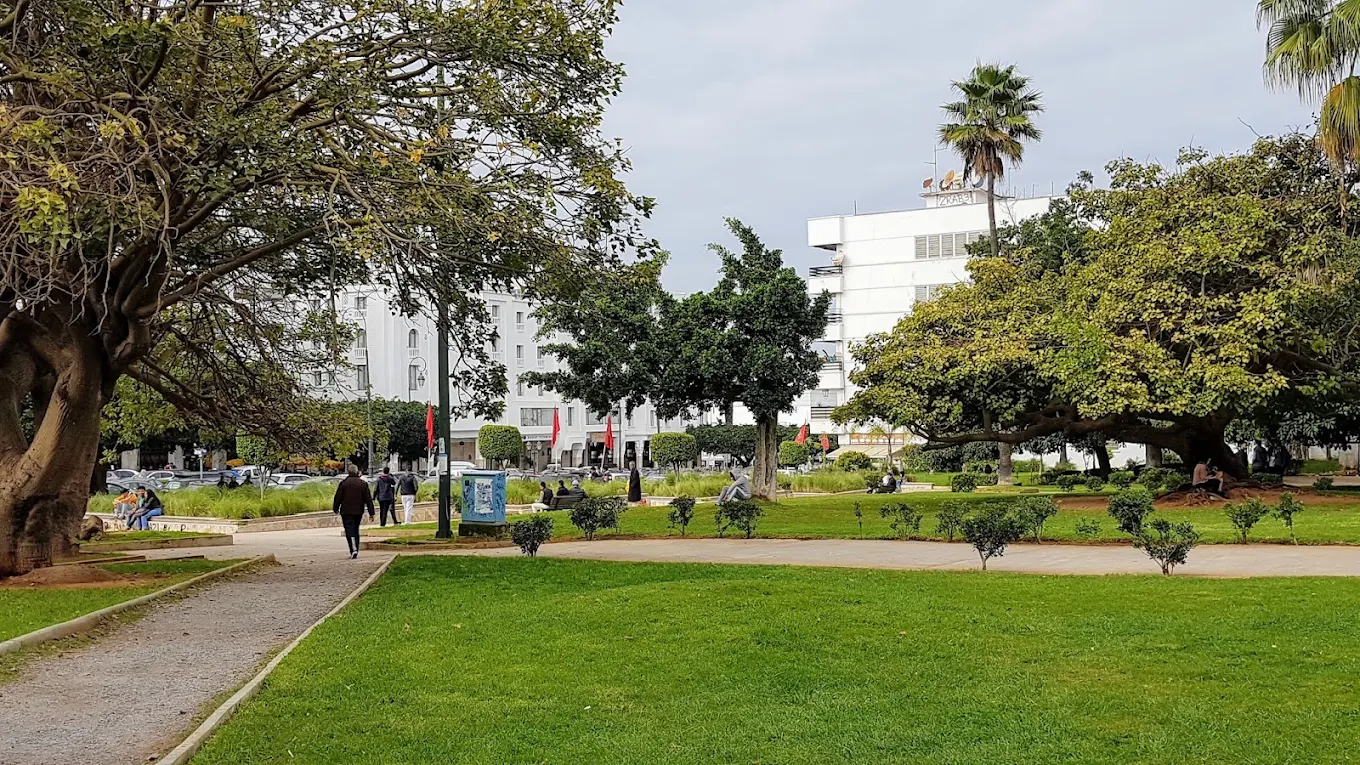
    Morocco visa requirements: Rabat, the capital, where embassies are located
    Embassies and consulates are mainly in Rabat and Casablanca.

    2. The 90-Day Visa-Free Stay

    The most useful of the Morocco visa requirements for tourists is the visa-free stay. Many nationalities can enter for up to 90 days for tourism, and the stamp on arrival shows your permitted stay. Count your days carefully, especially if you travel on a long itinerary.

    Visa-free access under Morocco visa requirements is for tourism only. Work, study and paid activities need other permission. If you plan a longer stay, for example a long remote trip, speak to the consulate first.

    For trip length ideas, read how many days in Morocco is enough. Most visitors spend one to three weeks, far below the limit.

    3. Countries That Need a Visa

    Not all passports are visa-free. Morocco visa requirements list a number of countries whose citizens must apply for a visa before arrival. The process may involve an online form, a passport copy, a photo, proof of accommodation, a return ticket and sometimes a bank statement.

    The exact list is long, and it changes, so we do not copy it here. Use the official Moroccan government portal or your nearest consulate, and ask for a written confirmation. If you travel with a tour team, send your nationality early so we can advise on timing.

    Step What to do
    1 Check your nationality on an official source
    2 Decide the dates of arrival and departure
    3 Prepare passport, photo, ticket and hotel details
    4 Apply at the consulate or online if eligible
    5 Print the approval and keep it with your passport

    4. The Moroccan E-Visa

    The e-visa is a modern part of Morocco visa requirements for eligible nationalities. You apply online, upload documents and pay the fee, then receive approval by email. A short stay, usually up to about 30 days, is typical for tourism, but confirm the current rules on the official portal.

    Use only the official government website. Many copycat sites charge extra and add no value. Apply a few weeks before your trip, and save the approval on your phone and on paper.

    • Check eligibility before you start the form.
    • Use a photo that matches your passport rules.
    • Enter names exactly as written on the passport.
    • Keep the confirmation email.
    Morocco visa requirements and the e-visa for a trip to Marrakech
    An approved e-visa makes arrival in Marrakech simple.

    5. Documents to Carry at the Border

    Even when Morocco visa requirements are simple, officers may ask a few questions, and Morocco visa requirements include having your papers ready. Carry your passport, a return or onward ticket, the address of your first night and a phone number. Some officers also ask about the purpose of your trip.

    • Passport with valid dates.
    • Return or onward ticket.
    • Hotel booking or tour confirmation.
    • Travel insurance details.
    • A local phone number for your host or tour team.

    You will also fill in or receive an arrival form in some cases. Write clearly and use the same address as your booking. Keep the departure stamp area clear, because officers need a space to stamp.

    6. Arriving by Air

    Morocco visa requirements apply at every entry point. Most visitors arrive by air in Marrakech, Casablanca, Fes, Agadir, Tangier or Rabat. At the airport, join the passport queue, show your passport and answer simple questions. The officer stamps your passport, and you collect your bags.

    Airports can be busy in the morning and at holiday times, so allow time for queues. If a driver is meeting you, give them your flight number. Our team monitors flights and waits at the exit when you book a private transfer.

    Morocco visa requirements for flights into Agadir
    Agadir is a popular arrival point for beach trips.

    7. Arriving by Ferry From Spain

    Many travellers cross from Spain to Tangier or Tanger Med by ferry. Passport control happens on board or at the port, and the same Morocco visa requirements apply. Keep your passport handy, and expect checks of luggage and vehicles.

    If you bring your own car, you need the vehicle papers, insurance and a temporary import permit. Do not accept help from strangers at the port. Official staff and your own booking documents are all you need.

    Read things to do in Tangier if you arrive in the north.

    8. Children and Families

    Children follow the same Morocco visa requirements and need their own passports. The UK government notes no special child rules, but travellers from polio-affected countries may need a vaccine certificate. If a child travels with one parent or another adult, carry a letter of consent and birth certificates as a precaution.

    Families should also check seat arrangements on long road trips and carry snacks and entertainment for the car. Our Morocco private tours are flexible for families.

    Morocco visa requirements for students and groups travelling together
    Groups should check every passport before the trip.

    For school and student groups, see student travel Morocco.

    9. Money, Customs and Prohibited Items

    Morocco visa requirements are separate from customs rules, but both matter at arrival. You must declare foreign currency worth 100,000 dirhams or more when you enter or leave, according to the UK government page. The dirham is hard to exchange outside Morocco, so spend or exchange what you do not need before you leave.

    Declare items that may be taxed or restricted, such as drones, professional camera equipment or large amounts of goods. Drugs are illegal. Do not carry packages for strangers.

    For shopping ideas and limits, read what can you bring back from Morocco.

    10. Extensions and Overstays

    If you wish to stay longer than the permitted period, ask for an extension before the stamp expires. The UK government advises that you request an extension at a Moroccan police station. Bring your passport, photos and proof of accommodation.

    Breaking Morocco visa requirements by overstaying can cause fines, delays at the airport and problems on future visits. Count your days from the entry stamp, and set a reminder on your phone. When in doubt, ask your hotel or tour team for help.

    Many travellers solve this by planning a clear route and leaving on time. See our Morocco travel package guide for plans that fit your dates.

    Health, Vaccines and Insurance

    Insurance is not one of the Morocco visa requirements for most visitors, but it is essential. Choose a policy with medical cover, theft protection and activities such as quad biking and camel rides. Ask your doctor or travel clinic about routine vaccines and any advice for your trip.

    Carry regular medicines in their original packs, with a copy of any prescription. Drink bottled water and wash your hands often. For food advice, read what not to eat in Morocco.

    For a wider safety view, read is Morocco safe for tourists.

    Desert and Regional Travel

    Inside Morocco, the Morocco visa requirements do not change when you move between regions. You will see police checkpoints on the road, especially in the south, and drivers may ask to see passports or copies. Keep your passport in your day bag, and a copy in your luggage.

    A trip to the Sahara is easy once you have entered the country. For route ideas, see Marrakech to Merzouga desert tour 3 days and Merzouga desert tour.

    Morocco visa requirements are simple once you reach the Sahara dunes
    Once you are in the country, the desert is a short drive away.

    If you plan to cross into other regions or countries, check land border rules and open crossings first. Some borders are closed, so never assume you can enter or leave overland.

    A Simple Timeline for Your Documents

    When What to do
    3 months before Check passport expiry and renew if needed
    6 to 8 weeks before Check Morocco visa requirements for your nationality
    4 to 6 weeks before Apply for a visa or e-visa if you need one
    2 weeks before Print documents and buy insurance
    1 week before Save digital copies and confirm transfers
    At the airport Passport, ticket, booking, local phone number
    Morocco visa requirements checked early leave time to enjoy the dunes
    Check your documents early and enjoy the trip.

    Mistakes to Avoid

    The most common mistake with Morocco visa requirements is to check the passport date too late. Another is to use unofficial websites for the e-visa and pay extra fees. A third is to forget a return ticket, which officers may ask to see.

    Also avoid planning a stay that is longer than the permitted period without asking for an extension. Do not rely on old forum posts, because rules change. Finally, do not book non-refundable trips before you confirm your document needs.

    Local Tips From Our Team

    • Check twice: once when you book and once before you fly.
    • Use official sources: government websites and consulates.
    • Keep copies: paper and digital.
    • Arrive rested: airport queues can be long.
    • Ask us: our team can share what travellers report at the airport.

    Travellers often write to us about Morocco visa requirements a few days before their flight. We always say the same thing: start early, use official sources and keep your documents together. For more planning help, read how do you organize a trip to Morocco, and visit our Morocco travel page.

    Morocco Visa Requirements by Type of Traveller

    Morocco visa requirements are not the same for every kind of trip. A tourist, a student, a remote worker and a business traveller each have different needs. Use these short notes as a starting point, and confirm every detail with an official source.

    Tourists

    For tourists, Morocco visa requirements are the simplest. Many nationalities enter visa-free for up to 90 days, and others use the e-visa or a consulate visa. Keep your hotel or tour booking and a return ticket ready.

    Students and Volunteers

    Students on a long programme and volunteers usually need documents beyond the tourist rules. Morocco visa requirements for study or unpaid work depend on the school or the organisation, so ask them for written guidance. A short school trip often follows the tourist rules, but check first.

    Remote Workers and Long Stays

    Many visitors dream of a long stay with a laptop. Morocco visa requirements for a stay beyond the visa-free period involve residence procedures, and tourist status does not allow regular work. Speak to the consulate or a local adviser before you plan a long stay.

    Business Travellers

    Short business meetings may fit the visa-free rules for some nationalities, but paid work does not. Morocco visa requirements for business depend on your activity, so ask the consulate and your host company for a letter if needed.

    Morocco visa requirements for long stays and the old medina of Fes
    Fes attracts students and long-stay visitors.

    Common Myths About Morocco Visa Requirements

    Several myths spread online, and they can cause stress. Here are the most common, with short corrections.

    • “Everyone gets a visa on arrival.” This is not safe to assume. Check Morocco visa requirements for your passport before you fly.
    • “A damaged passport is fine.” Officers can refuse entry for damaged documents.
    • “Three months validity is always enough.” Some airlines ask for six months, so follow the strictest rule.
    • “The e-visa website is the same as any visa site.” Use only the official portal, not paid copies.
    • “I can work online without any status.” Tourist status is for tourism, so ask for advice if you plan a long stay.

    Rules change, so do not rely on a post from several years ago. Official government pages and consulates are always better than forums.

    Morocco visa requirements are simple compared with the reward of a desert camp
    A little paperwork leads to a night in a camp like this.

    What If Entry Is Refused?

    Refused entry is rare, but it can happen when documents are missing or damaged. If an officer questions you, stay calm and polite. Show your passport, your booking and your return ticket, and explain the purpose of your visit.

    Ask for the reason in writing if possible, and contact your airline and embassy. Having a local phone number ready helps a lot. Our team can confirm accommodation or transfers by message if an officer asks for proof. Good preparation with Morocco visa requirements makes this situation very unlikely.

    Keep a printed copy of every document in your hand luggage, because phones can run out of battery. Also keep your travel insurance details, since some policies cover problems caused by a refused boarding.

    Final Thoughts on Morocco Visa Requirements

    Morocco visa requirements are simple for many visitors: a valid passport, a short stay of up to 90 days and a plan to leave. For other nationalities, a visa or e-visa adds one step, but it is easy with early planning and official sources.

    Check your passport, confirm your nationality, keep copies of your documents and travel with a trusted local team. Then you can focus on the real reasons you are going: the medinas, the mountains and the dunes. The Rabat medina and many other sites are UNESCO World Heritage places worth your time.

    Send us your dates and group size, and we will build a private route that fits your entry plan.

    Frequently Asked Questions

    What are the main Morocco visa requirements for tourists?

    A passport valid beyond your arrival date, in good condition, and for many nationalities no visa for stays up to 90 days. Others need a visa or e-visa.

    How long should my passport be valid?

    The UK government states at least three months after arrival. Six months is safer and is often requested by airlines.

    Can I get a visa on arrival?

    Do not count on it. Check your nationality in advance and apply before you travel if a visa is needed.

    Is there an e-visa for Morocco?

    Yes, for eligible nationalities. Apply only on the official government portal and keep the approval with your passport.

    Can I extend my stay?

    You can ask for an extension at a local police station before your permitted stay ends.

    Do children need a visa?

    Children follow the same Morocco visa requirements as adults and need their own passport.

    How can I plan my trip with a local team?

    Send your dates and group size on WhatsApp at +212 682 832 176 or through our contact page.

    Plan Your Trip After the Paperwork

    Tell us your dates and wishes. We will build a private route with a driver-guide, great stays and a night in the Sahara.

    Request a Free QuoteWhatsApp Us

  • Morocco Private Tours: Ultimate Guide to 10 Best Routes and Tips

    Morocco Private Tours: Ultimate Guide to 10 Best Routes and Tips

    Morocco · Private Tours · Driver-Guide Trips

    Morocco Private Tours: Ultimate Guide to 10 Best Routes and Tips

    Your own driver, your own pace, your own route

    Morocco private tours give you a vehicle, a driver-guide and a route made only for your group. You decide when to start, where to stop and how long to stay, so the trip follows your rhythm instead of a fixed timetable.

    This guide explains how Morocco private tours work, the 10 best routes, what is included, how to choose a trusted team and how to avoid common mistakes. Whether you want the Sahara, the imperial cities or the blue streets of Chefchaouen, you will find a plan that fits.

    To see ready routes, browse all Morocco tours and our Morocco itineraries.

    Morocco Private Tours: The Short Answer

    Quick answer: Morocco private tours are trips with your own vehicle and driver-guide, planned around your dates and interests. They suit families, couples and small groups who want flexibility, comfort and local knowledge. Most travellers choose 3 to 10 days, with Marrakech, the Sahara and one imperial city.
    Length Typical route Best for
    1 day Agafay, Ourika or Essaouira Short stays
    3 days Marrakech to Merzouga First desert trip
    5 to 7 days Desert, Fes, Marrakech Classic holiday
    10 to 14 days Cities, desert, north, coast Slow travel
    Morocco private tours: a camel caravan crossing the Merzouga dunes
    A night in the dunes is the highlight of many Morocco private tours.

    Why Choose Morocco Private Tours?

    Morocco is large, and the best sights are far apart. Morocco private tours solve this by giving you a car, a driver who knows the roads and a guide who explains what you see. You skip waiting for a group, and you leave when you are ready.

    Private trips also adapt to real life. If you love a village, you can stay longer. If someone feels tired, you can rest. With Morocco private tours, the plan serves you, not the other way round.

    • Flexibility: change stops, start times and meals.
    • Comfort: a clean vehicle with space for luggage.
    • Local knowledge: a guide who explains culture and history.
    • Safety: an experienced driver on long mountain roads.
    • Privacy: your own group, with no strangers.

    Not sure whether to go private? Read private driver Morocco vs group tour for a clear comparison.

    1. Marrakech and Agafay Private Tour

    The easiest of all Morocco private tours is a Marrakech base with day trips. You explore the medina, the Bahia Palace and the gardens, then escape to the Agafay desert for camels and sunset. The medina is a UNESCO World Heritage site.

    Morocco private tours start in Marrakech with the Koutoubia
    Marrakech is the usual start of Morocco private tours.

    Read things to do in Marrakech and day trip from Marrakech to Agafay desert. A private guide helps you avoid crowds and find quiet corners.

    2. Marrakech to Merzouga Private Desert Tour

    This is the most popular of the Morocco private tours. You cross the High Atlas, visit Ait Benhaddou, follow the Dades or Todra gorges, and reach the dunes of Erg Chebbi for a camel ride and a camp night. The classic plan takes three days.

    Morocco private tours stop at the kasbah of Ait Benhaddou
    Ait Benhaddou is a favourite photo stop.

    With a private vehicle you can stop for views, tea and photos. See Marrakech to Merzouga desert tour 3 days and Marrakech to Merzouga desert tours. Ait Benhaddou is a UNESCO site too.

    Morocco private tours road through the Dades gorges
    The Dades gorges on the road south.

    3. Marrakech to Zagora Private Tour

    Zagora is closer to Marrakech, so this is a good choice among Morocco private tours when time is short. You cross the Tizi n Tichka pass, see the Draa valley and sleep in a camp near the dunes of Zagora. Two days are enough, three days are better.

    Read 2 days Zagora desert tour from Marrakech and the tour page 2 days tour from Marrakech to Zagora.

    Morocco private tours pass dramatic gorge scenery
    Private drivers stop wherever the view is good.

    4. Fes to Marrakech Private Desert Tour

    This route links two great cities through the Sahara. You leave Fes, cross the Middle Atlas and the cedar forests, sleep in the dunes of Merzouga, then continue by the gorges and Ait Benhaddou to Marrakech. It is one of the best Morocco private tours for variety.
    Morocco private tours begin in the old medina of Fes
    Fes is a classic starting point for Morocco private tours.

    Read Fes to Marrakech desert tours and 4 days tour from Fes to Merzouga.

    5. Imperial Cities Private Tour

    Among Morocco private tours, the imperial cities route is the best for history. You visit Casablanca or Rabat, Meknes, Volubilis, Fes and Marrakech. Palaces, madrasas, medinas and gardens show how dynasties shaped the country. Fes is a UNESCO World Heritage site.

    Morocco private tours often start at the Hassan II Mosque in Casablanca
    The Hassan II Mosque is a common first stop.

    Read things to do in Casablanca, things to do in Rabat and things to do in Fes.

    6. Chefchaouen and the North

    The north offers a calmer mood. This one of the Morocco private tours links Tangier, Chefchaouen, Tetouan and sometimes Fes. The blue lanes of Chefchaouen are perfect for slow walks and photos, and a private driver makes the mountain roads easy.

    Morocco private tours reach the blue streets of Chefchaouen
    The blue lanes of Chefchaouen.

    Read things to do in Chefchaouen and things to do in Tangier.

    Tangier, the northern gateway for Morocco private tours
    Tangier looks across the strait to Spain.

    7. Atlantic Coast Private Tour

    For sea air, choose a coastal plan. It links Essaouira, Agadir and sometimes Casablanca, with beaches, fish markets and old ramparts. Essaouira is a UNESCO site with a relaxed spirit.

    These Morocco private tours are ideal after a busy desert trip. Read Essaouira day trip from Marrakech and things to do in Agadir.

    Agadir bay on the coast route of Morocco private tours
    The bay of Agadir.

    8. Family Private Tours

    Families need a calmer rhythm. Morocco private tours for families use shorter drives, vehicles with space for car seats on request, kid-friendly stops and camps with comfort. Children enjoy camels, sandboarding and the colours of the souks.

    A comfortable camp for Morocco private tours with children
    A comfortable camp makes the desert easy for families.

    Ask for rest days, snacks and a flexible schedule. Read quad biking and sandboarding in Merzouga for fun activities.

    9. Honeymoon and Couples Private Tours

    Couples often choose Morocco private tours for the atmosphere: a riad with a courtyard, a private dinner, a sunrise camel ride and a luxury tent under the stars. The pace is slow, and the details matter more than the number of sights.

    A luxury tent for Morocco private tours for couples in Merzouga
    A luxury tent in the dunes is a favourite for couples.

    See 1 night in Merzouga luxury camp for ideas.

    10. The Grand Tour

    The grand tour is the longest of all Morocco private tours. It joins Casablanca or Tangier, Rabat, Fes, the Sahara, the Atlas and Marrakech in one loop of 10 to 14 days. It suits travellers who want depth and variety, and who enjoy a moving journey.

    Rabat, a stop on grand Morocco private tours
    Rabat is calm and green.

    For planning, read how many days in Morocco is enough. For a wider view, see Morocco travel package.

    What Is Included in Morocco Private Tours?

    A good plan states every inclusion clearly. Morocco private tours usually include a private vehicle with fuel, a driver or driver-guide, accommodation, breakfast, dinner in desert camps and the camel ride. Entrance fees, lunches, drinks and tips are often extra.

    Usually included Often extra Optional
    Private vehicle and driver Lunches and drinks Quad bikes
    Hotels, riads and camps Entrance fees Hot-air balloon
    Breakfast, camp dinner Tips Cooking class
    Camel ride Insurance Extra guide

    Always ask for the list in writing, and compare offers for the same days and the same level of comfort.

    Vehicles, Drivers and Guides

    The vehicle matters on long roads. Most Morocco private tours use an air-conditioned car or minivan, and a 4×4 for rough tracks. A professional driver knows the mountain passes, the police checks and the best stops.

    Some teams offer a driver who also guides, while others add a licensed city guide in Fes or Marrakech. Ask which one you will have, and which languages the guide speaks. A calm, friendly driver makes the whole trip better.

    Morocco private tours with a driver-guide on the road to the desert
    A local driver knows the best stops on the road south.

    Where You Stay

    Accommodation shapes the feeling of the trip. In cities, Morocco private tours usually use riads or hotels in the medina, and in the desert they use camps with beds, bathrooms or shared facilities. Choose the comfort level that suits your group.

    Standard camps are simple and friendly, and luxury camps have private tents and bathrooms. Ask for photos and exact names before you confirm. Read 2 nights in Merzouga desert if you want more time among the dunes.

    Desert camp for Morocco private tours in Merzouga
    Camp nights are the heart of many Morocco private tours.

    How to Choose a Team for Morocco Private Tours

    Choosing the right team is the most important step. Look for clear itineraries, named hotels and camps, recent reviews, a phone number that answers and a written list of inclusions. A cheap offer with vague details can hide extra costs.

    • Ask questions: a good team answers quickly and clearly.
    • Read reviews: recent and detailed ones are best.
    • Check the vehicle: type, age and insurance.
    • Compare like with like: same days, same comfort.
    • Keep it written: route, nights and inclusions.

    Avoid street offers that promise very cheap trips, and avoid teams that pressure you to pay at once. Good Morocco private tours start with a calm conversation.

    Best Season for Morocco Private Tours

    Spring and autumn are the best seasons for most Morocco private tours. Days are warm, nights are cool and the roads are clear. Winter is good for the desert but cold in the mountains, and summer is hot in the south, so plan early starts and more coastal time.

    Golden dunes in the best season for Morocco private tours
    Spring and autumn give the best light in the dunes.

    For desert timing, read what is the best time to visit Merzouga. For a general view, see best place to visit in Morocco.

    Safety, Visa and Practical Points

    Morocco private tours are a comfortable way to travel, with a professional driver and a local contact. For general advice, read is Morocco safe for tourists. Check entry rules in do I need a visa for Morocco before you book.

    Carry a copy of your passport, buy travel insurance and keep small cash for tips and snacks. Dress modestly in towns, and bring a warm layer for desert nights.

    Mistakes to Avoid

    The biggest mistake with Morocco private tours is to choose only by price. A low offer may hide short stops, weaker camps or extra costs. Another mistake is to pack too much into a short time, because the roads are long.

    A third mistake is to ignore the season. A fourth is to skip a written itinerary. Finally, do not book without asking who your driver will be and what the vehicle is.

    Local Tips From Our Team

    • Start with your priorities: culture, desert, coast or rest.
    • Limit hotel changes: fewer moves mean more time.
    • Keep buffer time: roads can be slow.
    • Stay flexible: weather can change plans.
    • Ask for help: your driver-guide knows the best local places.

    Travellers often ask us how to start planning Morocco private tours. We suggest sending your dates, group size and wishes, then choosing a route together. Our guide how do you organize a trip to Morocco explains each step, and Morocco travel has more ideas.

    A Sample 5-Day Route

    A five-day plan shows how a balanced private route feels. It starts in Marrakech and ends in Fes, so you never repeat the same road. Every day has one main goal, plus time to rest and take photos.

    Day Plan Driving
    1 Marrakech medina, souks and gardens Light
    2 High Atlas, Ait Benhaddou, Dades valley Long
    3 Todra gorge, camel ride, desert camp Long
    4 Sunrise, Midelt, cedar forest, Azrou Long
    5 Fes medina with a licensed guide Short

    Three days involve long drives, so the driver plans coffee breaks, lunch with a view and a few photo stops. If you want a slower trip, add a night in the Dades valley or a rest day in Fes. The plan can also be reversed, from Fes to Marrakech.

    Always keep one flexible hour each day. A village market, a pottery stop or a sudden desert wind can change the schedule, and your driver adapts without stress.

    Sunrise on the dunes during a five-day private route
    Sunrise in the dunes is the reward for an early start.

    Food and Drink on the Road

    Food is a highlight of any journey. Try tagine, couscous, harira soup, grilled meat, fresh bread and mint tea. On long drives, your driver knows clean, friendly places where local families eat, far from tourist traps.

    Vegetarians eat well, with vegetable tagines, lentils and salads. Tell your team about allergies early, so camps and restaurants can prepare your meals. Drink bottled water and carry snacks for the road. Read what not to eat in Morocco for simple advice.

    Tea is a sign of welcome. If a host offers a glass, accept it with thanks. Learn a few Arabic words, and see how do you say thank you in Morocco to start with the most useful one.

    What to Pack for a Private Trip

    Pack light but smart. A soft bag is easier to load than a hard suitcase, and a small daypack holds water, sun cream and a camera. Layers matter, because mornings and desert nights can be cold even when the day is hot.

    • Clothing: long sleeves, light trousers and a warm jacket.
    • Footwear: comfortable shoes for medinas and sandals for camps.
    • Sun: hat, sunglasses, sun cream and a scarf for the wind.
    • Tech: power bank, phone cable and offline maps.
    • Cash: small notes for snacks, tips and parking.
    A traveller with a desert scarf on a private trip in Merzouga
    A scarf is the most useful item in the dunes.

    Leave room in your luggage for souvenirs. For ideas, read what can you bring back from Morocco. Respect local customs, ask before taking photos of people and dress modestly in towns and villages.

    Final Thoughts on Morocco Private Tours

    Morocco private tours turn a big country into a clear, comfortable journey. Choose the style that fits you: the Sahara, the imperial cities, the north, the coast or a grand loop. Keep the days balanced, the route realistic and the details in writing.

    Plan with a trusted local team, respect local life and enjoy the slow moments. Send us your dates, group size and wishes, and we will build a private plan with the right route, camps and pace.

    Frequently Asked Questions

    What are Morocco private tours?

    They are trips with your own vehicle and driver-guide, planned around your dates, interests and pace.

    Are private tours better than group tours?

    Private tours give flexibility and comfort, while group tours give company and shared cost. Many families and couples prefer private.

    What is included in Morocco private tours?

    Usually a private vehicle and driver-guide, accommodation, breakfast, a camp dinner and a camel ride. Lunches, entrance fees and tips are often extra.

    How many days do I need?

    Three days cover the Sahara from Marrakech, seven days cover a classic loop, and ten or more allow the north and the coast.

    Can I customise the route?

    Yes. Dates, stops, hotels and activities can be adapted to your wishes.

    When is the best time to go?

    Spring and autumn for most routes. Winter suits the desert, and summer suits the coast.

    How can I book?

    Send your dates and group size on WhatsApp at +212 682 832 176 or through our contact page.

    Plan Your Morocco Private Tours

    Tell us your dates, group size and wishes. We will build a private plan with a driver-guide, great stays and a night in the Sahara.

    Request a Free QuoteWhatsApp Us

  • Is Morocco Safe for Tourists? Ultimate Guide to 10 Best Safety Tips

    Is Morocco Safe for Tourists? Ultimate Guide to 10 Best Safety Tips

    Morocco · Safety · Travel Advice

    Is Morocco Safe for Tourists? Ultimate Guide to 10 Best Safety Tips

    An honest look at crime, scams, solo travel, roads and the desert

    Is Morocco safe for tourists? For most visitors, yes. Millions of people travel here every year and have trouble-free trips. Like any popular destination, Morocco has some risks, mostly petty theft, pushy sellers and heavy traffic, and a little preparation removes most of them.

    This guide gives a calm, honest answer to the question is Morocco safe for tourists. You will find the real risks, the 10 best safety tips, advice for women and solo travellers, notes on roads and the desert, and a checklist you can use before you go.

    For route ideas, see Morocco itineraries and all Morocco tours.

    Is Morocco Safe for Tourists? The Short Answer

    Quick answer: yes, Morocco is generally safe for tourists, especially in the main cities and on organised routes. The most common problems are pickpocketing, overcharging and fake guides. Serious crime against visitors is uncommon, but official advisories do mention a terrorism risk, so stay aware and check your government’s advice before you go.
    Risk Level for most visitors Main protection
    Petty theft Most common Keep valuables out of sight
    Scams and pressure Common Agree prices first, use licensed guides
    Road accidents Real Avoid night driving, use a professional driver
    Violent crime Uncommon Avoid quiet areas late at night
    Health Low to medium Bottled water, insurance
    Is Morocco safe for tourists: a busy and friendly street in Marrakech
    Most visitors find the medinas lively, friendly and easy to enjoy.

    Why Do People Ask: Is Morocco Safe for Tourists?

    People ask is Morocco safe for tourists because the country feels very different from Europe or North America. The medinas are crowded, the sellers are talkative and the rules are not always obvious. This can feel intense at first, but it is not the same as danger.

    News stories also play a role. A single incident can spread online and make a whole country sound risky. The better approach is to look at official advice, recent traveller reports and the real patterns of problems. Most are small, and most are avoidable.

    Our own team lives here and guides visitors every week. We see the same few issues again and again, and they are described below with simple fixes. For a shorter overview, you can also read is Morocco safe to travel.

    1. Overall Security: What Official Advice Says

    Government travel pages are the best starting point when you ask is Morocco safe for tourists. The UK government travel advice describes the terrorism threat as high, as in many countries, and asks visitors to stay alert in transport hubs, tourist sites and crowded places. You can read the details on the UK foreign travel advice for Morocco.

    Is Morocco safe for tourists in terms of security? Security forces are visible in cities and at tourist sites, and the authorities take safety seriously. Advisories change over time, so check your own government’s page again a few days before you leave.

    Is Morocco safe for tourists: the Hassan II Mosque in Casablanca
    Major sights have a visible security presence.

    2. Petty Theft in Medinas and Beaches

    Is Morocco safe for tourists when it comes to theft? Pickpocketing and bag snatching are the most common problems. They happen in crowded souks, bus stations and on beaches. Thieves look for phones in back pockets, open bags and jewellery that is easy to grab.

    • Phone: keep it in a front pocket or a zipped bag.
    • Bag: wear it across your body, on the side away from the road.
    • Cash: carry only what you need and keep the rest at your hotel.
    • Jewellery: leave valuable pieces at home.
    • Beach: do not leave items alone while you swim.

    If something is stolen, report it to the tourist police and keep the report for your insurance. Do not chase a thief, because your safety matters more than the object.

    Is Morocco safe for tourists: busy medina lanes where you keep your bag close
    In crowded lanes, keep your bag in front of you.

    3. Scams, Fake Guides and Pushy Sellers

    If you ask is Morocco safe for tourists, the honest answer includes scams. They are annoying rather than dangerous, but they can spoil a day. The classic one is the friendly stranger who says the road ahead is closed and offers to show you another way, then asks for money.

    Others include unofficial guides who follow you, taxis that refuse to use the meter, and sellers who swap a good item for a cheaper one. The best defence is calm and polite firmness.

    • Say “la, shukran” (no, thank you) with a smile and keep walking.
    • Use only guides with an official badge, or book through your hotel or tour team.
    • Agree the price before you accept a service, a taxi or a snack.
    • Check goods and change before you leave a shop.
    • Ignore people who say a place is closed, and ask a shopkeeper instead.

    Learn a few local words to build goodwill. Our guide how do you say thank you in Morocco is a good start.

    4. Is Morocco Safe for Tourists Who Are Women or Travelling Solo?

    Many women and solo travellers enjoy Morocco, and many also report unwanted attention. This can include comments, staring or persistent offers. It is usually verbal and rarely becomes physical, but it can be tiring, so it helps to prepare.

    • Dress: loose clothes that cover shoulders and knees are comfortable and attract less attention.
    • Behaviour: a confident walk and no long eye contact help in busy streets.
    • Night: avoid quiet streets alone after dark and use a trusted taxi or your hotel’s driver.
    • Stays: choose well-reviewed riads with a helpful host.
    • Tours: a private driver or small group is a calm way to see the south.

    For practical advice, read visiting Marrakech as a woman. Solo travellers can also meet people on group tours and in friendly guesthouses.

    Is Morocco safe for tourists travelling solo: a calm moment in the Sahara
    Many solo travellers find the desert calm and welcoming.

    5. Roads and Transport

    Is Morocco safe for tourists on the road? Road accidents are one of the biggest real risks for visitors. Mountain roads are narrow, night driving is hard because of animals and unlit vehicles, and some drivers take risks. This is why many travellers prefer a professional driver for long routes.

    • Avoid driving at night, especially in the mountains and the south.
    • Use licensed taxis and agree a fare or insist on the meter.
    • Take the fast train between Casablanca, Rabat, Fes, Marrakech and Tangier.
    • Wear a seat belt in every vehicle, including taxis.
    • If you rent a car, drive slowly and keep your documents with you.

    A local driver knows the road, the police checks and the best stops. Read private driver Morocco vs group tour to compare options.

    6. Desert Safety in Merzouga and Zagora

    People who ask is Morocco safe for tourists often wonder about the Sahara. With an experienced team, a desert trip is safe and very well organised. Camps are close to villages, camels are calm, and guides know the dunes well.

    Is Morocco safe for tourists in the heat of the desert? Respect the sun and the temperature change. Days can be hot and nights can be cold, even in autumn. Drink water often, wear a scarf and sunglasses, and follow your guide’s advice. Never walk far into the dunes alone, especially at night or in a sandstorm.

    Is Morocco safe for tourists: a guided evening in a desert camp near Merzouga
    A guided camp night is safe and easy to enjoy.

    For desert plans, see Merzouga desert tour and what is the best time to visit Merzouga.

    7. Food, Water and Health

    Is Morocco safe for tourists who love food? Food is a highlight, and most visitors eat well. Is Morocco safe for tourists with sensitive stomachs? Stomach upsets are the main health issue. Choose busy restaurants where food is cooked fresh, drink bottled water, and wash your hands often. Peel fruit and be careful with raw salads if your stomach is sensitive.

    See what not to eat in Morocco for simple tips. Bring any regular medicines in their original packs, and add sun cream, rehydration salts and basic first aid to your bag.

    Alcoholic drinks can be risky if they come from unofficial sources, so buy only from licensed venues. Ask your doctor or travel clinic about vaccines before you travel.

    8. Laws and Local Customs

    Is Morocco safe for tourists who follow local rules? Respecting local rules is part of staying safe. Drugs, including cannabis, are illegal, even though you may be offered them in some towns. Penalties can be severe, so always say no. Public displays of affection, drunkenness and revealing clothes can cause offence, especially outside big cities.

    • Ask before photographing people, especially women.
    • Be respectful at mosques and religious sites.
    • During Ramadan, avoid eating and drinking in the street during the day.
    • Do not fly a drone without checking the rules, because permission is usually required.
    • Carry a copy of your passport and keep the original safe.

    Same-sex relations are illegal in Morocco, so LGBTQ+ travellers should be discreet in public and check their government’s advice. Also check entry rules in do I need a visa for Morocco before you book.

    9. Crowds, Festivals and Protests

    Is Morocco safe for tourists during festivals? Large crowds appear during festivals, football matches and holidays. They are usually happy, but crowded places increase the chance of pickpockets. Protests can happen in big cities with little warning, so avoid gatherings and follow local news.

    If you find yourself near a demonstration, walk away calmly and return to your hotel. Do not take photos of police or military sites. In the far south and near some borders, official advice may limit travel, so check regional risks before you plan an unusual route.

    Is Morocco safe for tourists: a quiet craft street in the Fes medina
    Quiet craft streets are safest in daylight.

    10. Help, Insurance and Emergencies

    Is Morocco safe for tourists with insurance? Good insurance is the simplest safety tool. Choose a policy that covers medical care, theft, cancellations and activities such as quad biking and camel rides. Keep a digital copy of your policy and your passport.

    In an emergency, the usual numbers are 19 for the police in cities, 177 for the Royal Gendarmerie in rural areas and 15 for ambulance and civil protection. Please confirm these numbers on your government’s page before you travel. Save your embassy details and the phone number of your hotel or tour team.

    Is Morocco safe for tourists who plan ahead? Yes. Tell someone your plans, share your location with a trusted person, and keep a charged phone. A local contact who answers on WhatsApp is often the fastest help.

    Is Morocco Safe for Tourists City by City?

    The feeling of safety changes with the place. This table gives a simple view from our experience.

    Place What to expect Tip
    Marrakech Very busy, many sellers, some scams Use a guide on day one
    Fes Maze-like medina, helpful but confusing Hire a licensed guide
    Chefchaouen Calm and small, relaxed Watch for cannabis offers
    Essaouira Relaxed, breezy, easy to walk Mind your bag on the beach
    Casablanca and Rabat Modern, big-city habits Use taxis at night
    Merzouga and Zagora Quiet, guided activities Follow your guide in the dunes

    Marrakech is a UNESCO World Heritage site and one of the most visited places in the country. Read things to do in Marrakech and things to do in Fes to plan with confidence.

    Is Morocco safe for tourists in Fes: the old medina rooftops
    The Fes medina is easiest with a licensed guide.

    Does the Season Change Safety?

    Yes, a little. Is Morocco safe for tourists in summer? In summer, heat is the main risk, especially in the south, so drink water and plan early starts. In winter, mountain roads can be icy and the desert is cold at night. Spring and autumn are the most comfortable seasons for travel.

    Our guide best place to visit in Morocco shows which places suit each season.

    Private Driver or Group: Which Feels Safer?

    Is Morocco safe for tourists with a local team? Many visitors feel safest with a local team. A private driver handles roads, parking and stops, and a guide explains customs and prices. A small group adds company and shared cost. The best choice depends on your comfort level, and we explain it in Morocco travel package.

    Whichever you choose, book with a team that has clear reviews, named vehicles and a phone number that answers.

    A Simple Safety Checklist Before You Go

    • Check your government’s travel advice again a few days before departure.
    • Buy travel insurance with medical and theft cover.
    • Save copies of your passport, tickets and insurance.
    • Save your hotel address and a local phone number.
    • Pack a money belt or a zipped cross-body bag.
    • Download offline maps and a translation app.
    • Bring sun protection, a scarf and a warm layer.
    • Tell family where you will be each night.
    Is Morocco safe for tourists on the road south past Ait Benhaddou
    A planned route with a trusted driver keeps long days simple.

    Mistakes to Avoid

    Is Morocco safe for tourists who avoid mistakes? Yes. The most common mistake is to trust a stranger who offers help and then asks for money. Another is to carry too many valuables, or to drive at night. Many visitors also forget insurance, or accept very cheap tours from street sellers.

    Is Morocco safe for tourists who stay polite? Yes. Do not argue loudly with sellers, and do not photograph people without permission. Keep calm, smile and walk away when you feel uncomfortable. A polite “no, thank you” works almost everywhere.

    Local Tips From Our Team

    • Start slowly: spend the first hour in a new medina with a guide.
    • Use your hotel: ask them to book taxis and tours.
    • Keep small cash: it reduces change disputes.
    • Trust your feeling: if a place feels wrong, leave.
    • Ask locals: shopkeepers and hosts are usually very helpful.

    Travellers often ask us is Morocco safe for tourists in the days before their flight. We tell them the same thing: stay aware, respect local customs and travel with a local team, and the trip will be memorable for good reasons. For more planning help, read how do you organize a trip to Morocco.

    Is Morocco Safe for Tourists Like You? Safety by Traveller Type

    The honest answer to is Morocco safe for tourists changes a little with who you are and how you travel. These short notes help you adapt.

    Families With Children

    Is Morocco safe for tourists with children? Yes, and locals are very kind to families. Keep children close in crowded souks, use seat belts and car seats where possible, and plan quiet afternoons in the heat. Choose stays with a pool and a helpful host.

    Couples

    Couples usually feel comfortable. Public affection should stay modest, and a calm manner helps in busy places. A private driver adds comfort on long roads.

    Older Travellers

    Is Morocco safe for tourists who are older or less mobile? It can be, with good planning. Medina lanes are uneven, and desert camps involve sand and steps. Tell your planner about mobility and health needs early so that stays, vehicles and activities fit.

    Groups of Friends and Students

    Groups enjoy quad biking and sandboarding, and guides keep activities safe with helmets and briefings. Read student travel Morocco for planning advice.

    Is Morocco safe for tourists in groups: friends on a guided trip
    Guided group trips keep long days simple.

    What to Do If Something Goes Wrong

    Even when Morocco is safe for tourists, small problems happen. Stay calm and follow a simple order.

    • Theft: go to the nearest police station or tourist police and ask for a written report.
    • Lost passport: contact your embassy or consulate with your passport copy.
    • Illness: ask your hotel for a doctor or pharmacy, and call your insurer early.
    • Taxi dispute: stay calm, pay the agreed fare and ask your hotel for help.
    • Feeling unsafe: enter a cafe or hotel, and call your host or guide.

    Keep a note with the phone numbers of your hotel, your tour team and your embassy. Our team answers on WhatsApp, so travellers on our trips always have a local contact.

    Money, ATMs and Cards

    Money matters are part of the question is Morocco safe for tourists. Use ATMs inside banks or hotels, and cover the keypad when you enter your code. Card fraud is mentioned in official advice, so check your statements and carry a backup card.

    Carry small notes for tips and snacks, because change can be hard to find. Do not show a large roll of cash in a shop. Exchange money at banks, hotels or official offices rather than on the street. Keep receipts for larger purchases, and count your change.

    When you feel unsure about a price, ask your hotel what is normal. A fair price is easy to find with a little patience and a friendly smile. Is Morocco safe for tourists who handle money carefully? In our experience, yes, and money problems are rare.

    Final Thoughts: Is Morocco Safe for Tourists?

    So, is Morocco safe for tourists? For most travellers, yes. The country is welcoming, the routes are well known and serious incidents are rare. The real risks are small and manageable: pickpockets, scams, traffic and heat.

    Is Morocco safe for tourists who prepare well? Prepare, check official advice, choose trusted local help and keep a flexible attitude. You will meet generous people, taste great food and see landscapes you will never forget. Send us your dates and questions, and we will build a safe, comfortable private route.

    Frequently Asked Questions

    Is Morocco safe for tourists in general?

    Yes, for most visitors. The main issues are pickpocketing, scams and road safety. Check your government’s travel advice before you go.

    Is Morocco safe for solo female travellers?

    Many women travel alone and enjoy it, but unwanted attention is common. Dress modestly, avoid quiet streets at night and use trusted transport.

    Is it safe to walk in the medina at night?

    Main streets and squares are busy and usually fine. Quiet lanes are best avoided late at night, and a guide or a hotel escort helps.

    Is the Sahara desert safe?

    Yes, with an experienced team. Follow your guide, drink water and do not wander far alone.

    Can I drink tap water?

    Bottled water is the safer choice for visitors.

    Is it safe to rent a car?

    It can be done, but traffic and mountain roads are demanding. Many visitors prefer a private driver for long distances.

    Should I buy travel insurance?

    Yes. Choose cover for medical care, theft and activities.

    How can I plan a safe trip?

    Send your dates and group size on WhatsApp at +212 682 832 176 or through our contact page.

    Travel Morocco With Confidence

    Tell us your dates and wishes. We will build a private route with a trusted driver-guide, good stays and clear advice.

    Request a Free QuoteWhatsApp Us

  • Best Place to Visit in Morocco: Ultimate Guide to 10 Top Spots

    Best Place to Visit in Morocco: Ultimate Guide to 10 Top Spots

    Morocco · Destinations · Where to Go

    Best Place to Visit in Morocco: Ultimate Guide to 10 Top Spots

    Cities, dunes, mountains and coast: where to go first

    The best place to visit in Morocco depends on what you love. Marrakech is perfect for colour and energy, Fes for history, Merzouga for the Sahara, and Chefchaouen for quiet blue lanes. Every traveller finds a different favourite, and this guide helps you choose yours.

    Below you will find the 10 top spots, a comparison table, advice on seasons and trip length, and simple routes that link the highlights. If you only have a few days, the first three sections will give you the best place to visit in Morocco for a short trip.

    When you are ready to plan, browse all Morocco tours or read our Morocco itineraries.

    The Best Place to Visit in Morocco: Short Answer

    Quick answer: for a first trip, Marrakech and the Merzouga Sahara are the best place to visit in Morocco, because they offer culture, food and a night under the stars. Fes suits history lovers, Chefchaouen suits photographers, and Essaouira suits slow coastal days.
    Place Best for Ideal stay
    Marrakech Souks, gardens, food 2 to 3 days
    Merzouga Dunes, camels, camps 1 to 2 nights
    Fes Medina, crafts, history 2 days
    Chefchaouen Blue lanes, hiking 1 to 2 days
    Essaouira Sea air, relaxed pace 1 to 2 days
    Ait Benhaddou Kasbah, film history Half a day
    Best place to visit in Morocco: the Red City of Marrakech
    Marrakech is often the first stop on any trip.

    How to Choose the Best Place to Visit in Morocco

    Morocco is bigger than most visitors expect. Driving from Marrakech to Merzouga takes about nine hours with stops, and Fes is far from the south. Choosing the best place to visit in Morocco therefore starts with your time, your season and your interests.

    Ask yourself three questions. Do you want culture, nature or rest? How many days do you have? Do you prefer a private driver or a group? Your answers shape the route, and a clear plan is better than a long list.

    • Culture lovers: Fes, Marrakech and Rabat.
    • Nature lovers: the Sahara, the gorges and the Atlas.
    • Relaxation: Essaouira and Agadir.
    • Photography: Chefchaouen, Ait Benhaddou and the dunes.

    1. Marrakech: The Classic Best Place to Visit in Morocco

    Marrakech is the most famous answer to the question of the best place to visit in Morocco. The medina is a maze of souks, riads and small squares, and Jemaa el-Fna turns into an open-air restaurant at night. The medina is a UNESCO World Heritage site.

    Best place to visit in Morocco: Marrakech medina and Koutoubia
    The Koutoubia and the medina of Marrakech.

    Visit the Bahia Palace, the Saadian Tombs, the Majorelle Garden and the Ben Youssef Madrasa. Leave time to get lost in the souks, and drink mint tea on a rooftop. Read things to do in Marrakech for a full list.

    Marrakech is also the best base for day trips, such as the Agafay desert and the Atlas valleys.

    2. Merzouga and the Sahara: A Top Spot for Adventure

    For many travellers, the dunes of Erg Chebbi are the best place to visit in Morocco. You ride a camel at sunset, watch the sky change colour, and sleep in a camp among the sand. Dawn brings another show, with long shadows on the ridges.

    Best place to visit in Morocco: camel caravan on the Merzouga dunes
    A camel caravan on the Erg Chebbi dunes.

    The desert is far from the cities, so plan at least two nights on the road. Our guides explain the route in Marrakech to Merzouga desert tour 3 days and Merzouga desert tour.

    Other fun activities include quad biking, sandboarding and a visit to the Gnawa village of Khamlia. See what to do in Merzouga.

    Sunset in Merzouga, the best place to visit in Morocco for the Sahara
    Sunset in Merzouga.

    3. Fes: The Best Place to Visit in Morocco for History

    If you want depth, Fes is the best place to visit in Morocco. Its medina, Fes el-Bali, is one of the largest car-free urban areas in the world, with madrasas, fountains, workshops and the famous tanneries. It is a UNESCO World Heritage site.

    Best place to visit in Morocco: the old medina of Fes
    The rooftops of the Fes medina.

    Hire a licensed guide for the first day, because the lanes are confusing. Visit the Bou Inania Madrasa, the Al Quaraouiyine area from outside and the pottery workshops. Read things to do in Fes for more.

    Craft and architecture in Fes, a best place to visit in Morocco
    Fes is famous for its craft traditions.

    4. Chefchaouen: The Blue City

    Chefchaouen sits in the Rif mountains and is painted in shades of blue. It is a gentle town, perfect for walking, photos and quiet mornings. Many visitors say it is the best place to visit in Morocco for a calm day after the big cities.

    Best place to visit in Morocco: blue streets of Chefchaouen
    The blue lanes of Chefchaouen.

    Walk to the Spanish Mosque for sunset, and explore the small shops that sell wool and local cheese. Read things to do in Chefchaouen.

    5. Essaouira: Sea Air and Relaxed Streets

    Essaouira is a white and blue port town on the Atlantic coast. The wind keeps it cool, the fish market is lively, and artists fill the small galleries. Its medina is a UNESCO World Heritage site too.

    It is the best place to visit in Morocco if you want a slow pace, grilled fish and a long walk on the ramparts. From Marrakech it is a pleasant day trip, as explained in Essaouira day trip from Marrakech.

    6. Ait Benhaddou: The Kasbah of the Films

    Ait Benhaddou is a fortified village of red clay on the old caravan road. Many films and series were shot here, and the view from the hill is superb. It is a UNESCO World Heritage site.

    Ait Benhaddou, a best place to visit in Morocco for kasbah lovers
    The kasbah of Ait Benhaddou.

    Most desert trips stop here, and a short visit is enough. See day trip to Ait Benhaddou and Ouarzazate if you prefer a one-day plan.

    7. Todra and Dades Gorges

    The gorges are a highlight of the road south. The Todra gorge has tall red walls, while the Dades valley has winding roads and rock shapes. They are the best place to visit in Morocco for walkers and photographers who like dramatic scenery.

    Best place to visit in Morocco: the Todra gorge
    The walls of the Todra gorge.
    Dades gorges on the road to the Sahara
    The Dades gorges.

    8. Agadir and the Atlantic Coast

    Agadir has a wide beach, a modern promenade and a warm climate. It suits families, surfers and anyone who wants a few days of rest. The kasbah on the hill gives a wide view over the bay.

    Agadir bay, a top spot and a best place to visit in Morocco for beaches
    The bay of Agadir.

    Read things to do in Agadir for beaches, souks and day trips.

    9. Casablanca and Rabat

    Casablanca is the economic capital, with the huge Hassan II Mosque on the ocean. Rabat, the political capital, is calmer, with the Kasbah of the Udayas and the Hassan Tower. Rabat is a UNESCO World Heritage site.

    Casablanca, a modern best place to visit in Morocco
    The Hassan II Mosque in Casablanca.

    These cities are not always the best place to visit in Morocco for a short stay, but they are easy to reach and make a great start or end. Read things to do in Casablanca and things to do in Rabat.

    Rabat, the capital city of Morocco
    Rabat is calm and green.

    10. Tangier: The Gateway to Africa

    Tangier looks across the strait to Spain. It has a lively medina, a seafront, cafes with a literary past and the nearby Caves of Hercules. It is a good entry point if you arrive from Europe by ferry.

    Tangier by the sea, a gateway to the best place to visit in Morocco
    Tangier on the strait.

    Read things to do in Tangier for the best sights.

    Best Place to Visit in Morocco by Interest

    Different travellers want different things, so the best place to visit in Morocco changes with your style. Use this table to pick quickly.

    If you love Go to
    Food and markets Marrakech and Fes
    Desert adventures Merzouga and Zagora
    Photography Chefchaouen and Ait Benhaddou
    Beaches Agadir and Essaouira
    History Fes, Rabat and Meknes
    Hiking The gorges and the Atlas

    Families usually enjoy Marrakech, the Agafay desert and the coast. Couples often prefer a riad in Fes and a luxury camp in the dunes. Solo travellers like Chefchaouen and group trips.

    Best Place to Visit in Morocco by Season

    The season changes the answer. Spring and autumn suit almost everywhere. In summer, the south is very hot, so choose the coast, Chefchaouen or the mountains. In winter, the desert is pleasant by day and cold at night, while the Atlas has snow.

    Best place to visit in Morocco in spring: Sahara dunes in soft light
    Spring and autumn give the best light in the dunes.

    For the desert, read what is the best time to visit Merzouga.

    How Many Days Do You Need?

    Three days are enough for Marrakech and a short desert trip. Seven days cover the classic loop, and ten days add Fes and the north. Do not try to see everything. Our guide how many days in Morocco is enough explains how to balance time and distance.

    Days Suggested focus
    3 Marrakech and the Atlas or Zagora
    5 Marrakech, Ait Benhaddou, Merzouga
    7 Marrakech, desert, Fes
    10 Cities, desert, Chefchaouen

    For a short plan, read what to do in 3 days in Morocco.

    Easy Routes That Link the Best Spots

    Good routes avoid driving back over the same road. A classic loop goes from Marrakech to Ait Benhaddou, the gorges and Merzouga, then north to Fes. From Fes you can continue to Chefchaouen and Tangier, or return to Marrakech by the coast.

    Route to the best place to visit in Morocco: the road past Ait Benhaddou
    The road south passes the great kasbah.

    Ready-made options include Fes to Marrakech desert tours and Marrakech to Merzouga desert tours.

    Getting Around Morocco

    Trains are fast between Casablanca, Rabat, Fes, Marrakech and Tangier. Buses cover many other towns. For the desert, the gorges and the mountains, a private driver is the easiest choice, because public transport is limited there.

    A private driver also lets you stop for photos and meals. If you hesitate, read private driver Morocco vs group tour.

    Mistakes to Avoid

    The biggest mistake is to pack too much into a short trip. Another is to ignore the season, for example by planning the south in peak summer. A third is to skip a guide in the Fes medina, where it is easy to get lost.

    Also check entry rules in advance. See do I need a visa for Morocco, and read is Morocco safe to travel for calm, practical advice.

    Local Tips From Our Team

    • Start with Marrakech: it is the easiest arrival point.
    • Keep one night in the desert: it is the most memorable moment.
    • Travel in spring or autumn: the weather is gentle.
    • Dress modestly: it brings smiles and respect.
    • Carry small cash: useful for tips and snacks.

    Travellers often ask us to name the best place to visit in Morocco, and our honest answer is a mix. Combine one city, one desert night and one calm stop, and you will see the real variety of the country. For a complete plan, see our Morocco travel package guide and Morocco travel.

    Best Place to Visit in Morocco for Each Type of Traveller

    The best place to visit in Morocco for a family is not always the best place to visit in Morocco for a couple or a solo traveller. Use these ideas to match the destination to your group.

    Families With Children

    Children enjoy short drives, animals and open space. Marrakech with a camel ride in Agafay, a quiet day in Essaouira and a comfortable desert camp usually work well. Keep days short and add pool time between the long stops.

    Couples and Honeymooners

    Couples often choose a riad in Marrakech or Fes, a private dinner on a rooftop and a luxury tent in the dunes. Chefchaouen adds a gentle, romantic mood. Slow mornings matter more than a long list of sights.

    Solo Travellers

    Solo visitors feel at ease in Marrakech, Essaouira and Chefchaouen, where hostels and small guesthouses make it simple to meet people. A small group tour to the Sahara is a safe and social way to cover the long distances. Read visiting Marrakech as a woman for calm, practical advice.

    Students and Friends

    Groups of friends love quad biking, sandboarding and a night of music in the camp. Our guide student travel Morocco shows how to plan a fun, safe trip, and quad biking and sandboarding in Merzouga lists the best activities.

    Friends enjoying the best place to visit in Morocco together
    Friends and students enjoy the Sahara together.

    Hidden Gems Beyond the Famous Names

    Once you know the main highlights, a few quieter places can make your trip special. The best place to visit in Morocco is sometimes a small town that few tourists reach.

    • Meknes and Volubilis: an imperial city and Roman ruins close to Fes.
    • Zagora: a quieter desert gate, closer to Marrakech than Merzouga.
    • Ourika valley: a green escape in the Atlas for a half day.
    • Taroudant: a walled market town with an easy pace.
    • Khamlia: a village of Gnawa musicians near the dunes.

    For a quieter desert, read 2 days Zagora desert tour from Marrakech. For a longer journey, see Ouarzazate to Merzouga.

    A quiet luxury camp, a best place to visit in Morocco for stargazing
    A quiet camp is a hidden gem of its own.

    How to Plan and Book Your Trip

    Once you pick your favourite spots, planning is simple. First decide your dates and the number of days. Then choose the places that match your interests, and send us your wishes. We will propose a route, with hotels, a driver-guide and a desert night, and explain what is included in clear words.

    Book early for spring, autumn and school holidays, because good riads and camps fill quickly. If you travel at short notice, write to us anyway, because availability changes often. Keep a little buffer in your plan, since roads can be slow and weather can change.

    Read how do you organize a trip to Morocco for a step-by-step checklist. Bring comfortable shoes, light layers, a warm jacket for desert nights, sun cream and a scarf. Learn a few Arabic phrases too, and see how do you say thank you in Morocco to start with the most useful one.

    Whatever you choose, the best place to visit in Morocco is the one that fits your pace, your season and your curiosity. Take your time, talk to local people, and enjoy the tea, the food and the landscapes along the way.

    Final Thoughts on the Best Place to Visit in Morocco

    There is no single best place to visit in Morocco, because each region offers something different. Marrakech gives energy, Fes gives history, Merzouga gives silence, Chefchaouen gives calm, and the coast gives fresh air.

    Choose two or three places that match your interests, give each enough time, and travel with a trusted local team. Send us your dates and wishes, and we will build a private route with the right pace.

    Frequently Asked Questions

    What is the best place to visit in Morocco for a first trip?

    Marrakech combined with a night in the Merzouga Sahara is the most popular first trip. Add Fes if you have a week or more.

    Which city is better, Marrakech or Fes?

    Marrakech is livelier and easier, while Fes is deeper and more traditional. Many travellers visit both.

    Is Chefchaouen worth visiting?

    Yes, especially for photos, hiking and a quiet pace. One or two days are enough.

    What is the best time to visit Morocco?

    Spring and autumn are the best seasons for most places. Winter suits the desert, and summer suits the coast.

    How many days do I need in Morocco?

    Seven days cover the classic loop, and ten days add the north and the coast.

    Can I visit the Sahara from Marrakech?

    Yes. Most travellers take a two or three day trip with a night in a desert camp.

    How can I book a private trip?

    Send your dates and group size on WhatsApp at +212 682 832 176 or through our contact page.

    Plan Your Trip to the Best Place to Visit in Morocco

    Tell us your dates and wishes. We will build a private route with a driver-guide, great stays and a night in the Sahara.

    Request a Free QuoteWhatsApp Us

  • Morocco Travel Package: Ultimate Guide to 10 Best Ways to Plan Your Trip

    Morocco Travel Package: Ultimate Guide to 10 Best Ways to Plan Your Trip

    Morocco · Trip Planning · Packages and Private Tours

    Morocco Travel Package: Ultimate Guide to 10 Best Ways to Plan Your Trip

    Imperial cities, Sahara nights, coast and blue streets in one plan

    A Morocco travel package bundles the main parts of a holiday into one plan: transport, a driver-guide, hotels or riads, desert camps, some meals and the activities along the way. Instead of booking each piece alone, you receive a clear route that works from the first airport pick-up to the last transfer.

    This guide explains how a Morocco travel package works, the 10 best package styles, what is usually included, how to compare offers and how to avoid common mistakes. Whether you want the imperial cities, the Sahara, the Atlantic coast or the blue city, you will find the right shape for your trip.

    To see ready routes, browse all Morocco tours and our Morocco itineraries.

    Morocco Travel Package: The Short Answer

    Quick answer: a good Morocco travel package covers transport, a driver-guide, accommodation, a desert night and key sites on a clear route. Most visitors choose 5 to 10 days, with Marrakech, the Atlas, the Sahara and one imperial city. A private package gives the most flexibility.
    Length Typical route Best for
    3 to 4 days Marrakech, Atlas, Sahara camp Short breaks
    5 to 7 days Marrakech, desert, Fes First visit
    8 to 10 days Cities, desert, coast Classic holiday
    12 to 14 days Grand tour with the north Slow travel
    Morocco travel package: sunset over the Erg Chebbi dunes in the Sahara
    A night in the Sahara is the highlight of most Morocco travel packages.

    Why Choose a Morocco Travel Package?

    Morocco is a large country with long roads, so planning alone takes time. A Morocco travel package solves that. A local team arranges the route, the driver, the hotels and the activities, and you only need to enjoy the trip. This saves effort and avoids many small mistakes.

    A package also protects you from wasted days. Distances in Morocco are bigger than they look, and a well-built route puts the long drives in sensible places. With a good Morocco travel package, every day has a purpose, from Marrakech to the dunes.

    • Time saved: routes and bookings are already organised.
    • Local knowledge: a guide who knows roads, riads and camps.
    • Comfort: a private vehicle and a calm rhythm.
    • Clarity: one plan and one point of contact.

    1. Imperial Cities Package

    The imperial cities Morocco travel package links Marrakech, Fes, Meknes and Rabat. You visit palaces, medinas, gardens and old markets, and learn how dynasties shaped the country. Fes is the highlight for many visitors, with its maze of lanes, tanneries and madrasas.

    Morocco travel package: the medina of Fes on an imperial cities route
    Fes is the heart of an imperial cities package.

    This style suits culture lovers and photographers. Read things to do in Fes and things to do in Rabat. The medina of Fes is a UNESCO World Heritage site.

    2. Sahara Desert Package

    The desert is the most popular part of any Morocco travel package. You cross the High Atlas, pass kasbahs and gorges, ride a camel at sunset and sleep in a camp among the dunes. Merzouga, with Erg Chebbi, offers the tallest dunes, and Zagora is closer to Marrakech.

    Morocco travel package: a traveller on the Merzouga dunes
    The dunes of Merzouga, the signature of a Morocco travel package.

    For routes, see Marrakech to Merzouga desert tour 3 days, 2 days tour from Marrakech to Zagora and Merzouga desert tour.

    Morocco travel package: the kasbah of Ait Benhaddou on the way to the desert
    Ait Benhaddou, a classic stop on the road south.

    3. Marrakech and the Atlas Package

    A Marrakech and Atlas Morocco travel package is perfect for a short trip. You explore the souks, gardens and Jemaa el-Fna, then escape to the mountains, the Agafay desert or a day trip to Essaouira. It is easy to organise and very rewarding.

    Morocco travel package: the Red City of Marrakech as a base
    Marrakech, the usual start of a Morocco travel package.

    Read things to do in Marrakech, Essaouira day trip from Marrakech and day trip from Marrakech to Agafay desert.

    4. Atlantic Coast Package

    If you want sea air, a coastal Morocco travel package links Essaouira, Agadir and sometimes Casablanca. The pace is calm, with beaches, fish markets, surf towns and old ramparts. It is a good balance after a busy desert route.

    Morocco travel package: the bay of Agadir on the Atlantic coast
    The bay of Agadir, a relaxed stop on a coastal route.

    See things to do in Agadir and things to do in Casablanca.

    Morocco travel package: friends in colourful djellabas in Essaouira
    Essaouira has a relaxed, creative spirit.

    5. Blue City and the North Package

    The north offers a very different mood. A northern Morocco travel package visits Tangier, Chefchaouen, Tetouan and sometimes the Rif mountains. The blue streets of Chefchaouen are one of the most photographed places in the country.

    Morocco travel package: the blue streets of Chefchaouen
    The blue streets of Chefchaouen.

    Read things to do in Chefchaouen and things to do in Tangier. The north is often combined with Fes and the imperial cities.

    Morocco travel package: Tangier on the Strait of Gibraltar
    Tangier looks across the strait to Europe.

    6. The Grand Tour Package

    The grand tour Morocco travel package is the full story: Casablanca or Tangier, Rabat, Fes, the Sahara, the Atlas and Marrakech. It takes 10 to 14 days, and it shows the variety of the country in one loop. It suits travellers who want depth, and who do not mind moving often.

    Morocco travel package: the Atlantic coast of Casablanca on a grand tour
    Casablanca is a common start or end of a grand tour.

    For planning, read how many days in Morocco is enough. Longer plans also exist, such as 21 days Spain and Morocco.

    7. Family Packages

    Families need a calmer rhythm. A family Morocco travel package uses shorter drives, a private car with space, kid-friendly stops and a camp with comfort. Children love camels, sandboarding and the colours of the souks.

    Morocco travel package: a comfortable desert camp for families
    A comfortable camp makes the desert easy for families.

    Ask about seats for children, snacks and rest days. A flexible private package is usually the best choice for a family.

    8. Couples and Honeymoon Packages

    For couples, a Morocco travel package focuses on atmosphere: a riad with a courtyard, a private dinner, a sunset camel ride and a luxury desert tent under the stars. The pace is slow, and the details matter more than the number of sights.

    Morocco travel package: a romantic sunrise camel ride in Merzouga
    Sunrise in the dunes is a favourite moment for couples.

    9. Student and Group Packages

    Schools, universities and friend groups often choose a group Morocco travel package. A shared vehicle, clear timing and fun activities keep the trip safe and social. Typical stops include Marrakech, the desert, quad bikes and sandboarding.

    For details, read student travel Morocco and 3 days Morocco student tour.

    10. Custom Private Package

    A custom private Morocco travel package is built from your wishes: dates, places, pace and budget level. You choose the cities, the number of desert nights, the type of hotel and the activities. A local planner then turns that into a clear route.

    Morocco travel package: a custom private route starting in Marrakech
    A custom plan often starts in Marrakech.

    This is the most flexible option. See how do you organize a trip to Morocco for the steps, then send us your wishes.

    How Many Days Should a Morocco Travel Package Be?

    The right length depends on your interests. A short Morocco travel package of three or four days can give you Marrakech and a desert night. Seven days covers a classic loop, and ten or more days allow the coast, the north and slow evenings.

    Days What you can see
    3 Marrakech and Zagora or Agafay
    5 Marrakech, Atlas, Merzouga
    7 Marrakech, Sahara, Fes
    10 Cities, desert, coast
    14 Full loop with the north

    Do not try to see everything. A rushed Morocco travel package feels like a bus tour, while a balanced one feels like a journey.

    What Is Usually Included in a Morocco Travel Package?

    A good Morocco travel package lists everything clearly. Typical inclusions are a private vehicle with fuel and driver, a guide or driver-guide, accommodation in hotels, riads or camps, breakfast and often dinner on desert nights, and the main activities such as the camel ride.

    • Usually included: transport, driver-guide, accommodation, breakfast, camel ride.
    • Often extra: lunches, drinks, entrance fees, tips.
    • Optional: quad bikes, hot-air balloon, cooking class.

    Ask for the list in writing, and compare packages for the same days and the same level of comfort. We share a clear list on WhatsApp so there are no surprises.

    How to Compare Morocco Travel Packages

    Comparing Morocco travel packages is easier with a checklist. Look at the route, the number of driving hours, the type of accommodation, the vehicle, the guide and the reviews. A cheaper offer may skip stops or use lower-grade camps.

    Check Why it matters
    Route and driving hours Long days reduce enjoyment
    Accommodation Riad, hotel or camp changes the mood
    Vehicle and driver Safety and comfort
    Included meals Avoid hidden extras
    Reviews Recent and detailed ones
    Morocco travel package: comparing routes for the old city of Marrakech
    Compare the same route and the same days.

    Private or Group Morocco Travel Package?

    A private Morocco travel package gives flexibility, comfort and a plan built around you. A group package gives company and shared cost. Families and couples usually prefer private, while solo travellers often like groups. Read our full comparison in private driver Morocco vs group tour.

    You can also mix the two, with a private driver and small group activities. Ask your planner for the blend that suits you.

    Best Season for a Morocco Travel Package

    Spring and autumn are the best seasons for most Morocco travel packages. Days are warm, nights are cool and the roads are clear. Winter is good for the desert but cold in the mountains, and summer is hot in the south, so plan the coast and early starts.

    Morocco travel package: golden Sahara dunes in the best season
    Spring and autumn give the best light in the dunes.

    For desert timing, read what is the best time to visit Merzouga.

    Visa, Passport and Documents

    Before you book a Morocco travel package, check entry rules. Many nationalities enter visa-free for up to 90 days, but passport validity and other points matter. Our guide do I need a visa for Morocco explains the basics, and your government’s page has the latest rules.

    Also check travel insurance and vaccines. Share your passport details with your planner only through safe channels.

    What to Pack for Your Trip

    Packing for a Morocco travel package depends on the season and the route. Bring comfortable shoes, light layers, a warm jacket for desert nights, a scarf, sunglasses and sun cream. Dress modestly in cities and towns.

    • Clothing: layers and long sleeves.
    • Footwear: comfortable walking shoes.
    • Extras: power bank, reusable bottle, small torch.
    • Cash: small notes for tips and snacks.
    Morocco travel package: wearing a desert scarf in Merzouga
    A scarf is the most useful item in the desert.

    Red Flags to Avoid

    Some warning signs appear in Morocco travel packages. Be careful with very low offers, vague itineraries, no named hotels or camps, and pressure to pay at once. Another sign is an operator who does not answer questions before booking.

    Also avoid unofficial street offers that promise cheap trips. Book through a clear, contactable team and keep a written plan.

    How to Book Your Morocco Travel Package

    Booking is simple. First send your dates, group size and wishes. Then receive a written plan with the route, accommodation and inclusions. After you confirm, you receive final details, pick-up times and a contact number for the whole trip.

    Morocco travel package: the Dades gorges on a flexible private route
    A written plan keeps the best stops on the route.

    Book early for spring, autumn and holidays. For short notice, write to us anyway, because availability changes.

    Mistakes to Avoid

    The biggest mistake with a Morocco travel package is to choose only by price. A low price may hide short stops, poor camps or hidden extras. Another mistake is to pack too much into a short time, because roads are long.

    A third mistake is to ignore the season. A fourth is to skip travel insurance. Finally, do not book without a written list of what is included.

    Myths About Morocco Travel Packages

    One myth is that a package means a crowded bus. Private packages use your own vehicle. Another myth is that packages are always expensive. Sharing a vehicle can make the price per person reasonable. A third myth is that you cannot change a package. A good planner adapts the plan to your wishes.

    Morocco travel package: the Todra gorge on a flexible desert route
    A flexible route can stop wherever the view is good.

    Local Tips From Our Team

    • Start with your priorities: culture, desert, coast or relaxation.
    • Limit hotel changes: fewer moves mean more time.
    • Ask for a written plan: routes, nights and inclusions.
    • Keep buffer time: roads are slow.
    • Stay flexible: weather can change plans.

    Travellers often ask us how to choose a Morocco travel package. We usually suggest starting with the desert and one imperial city, then adding days. Write to us on WhatsApp with your dates, and we will build the plan. For more guides, see Morocco travel.

    A Sample 7-Day Morocco Travel Package

    A week is the most common length, and it shows how a balanced plan looks. This sample starts in Marrakech and ends in Fes, so you never drive back over the same road. Every day has one main goal, with time to rest.

    Day Plan Driving
    1 Arrive in Marrakech, evening in the medina Short transfer
    2 Marrakech sights, souks and gardens None
    3 Cross the High Atlas, Ait Benhaddou, Dades valley Long
    4 Todra gorge, then Merzouga and the dunes Long
    5 Sunrise, camel ride, then Midelt and the cedar forest Long
    6 Azrou, Ifrane and arrival in Fes Medium
    7 Guided Fes medina and departure None

    Three days have long drives, so we place a rest day in Marrakech and a late start in Fes. You can swap the last day for Chefchaouen if you love photography. Always keep one flexible day for weather, fatigue or a place you want to stay longer.

    Sample 7-day route past the kasbah of Ait Benhaddou in Morocco
    Day three crosses the Atlas and passes the old kasbah.

    Culture and Etiquette on the Road

    Moroccans are welcoming, and a little respect goes a long way. Dress modestly in towns, ask before photographing people and remove shoes when entering a home. Use your right hand to eat and to give or receive items.

    During Ramadan, daytime life slows down, and many cafes close until sunset. Plan lighter days and enjoy the evenings, when streets come alive. Learn a few words such as salam, shukran and la shukran, because they open many smiles.

    • Greetings: a handshake and a hand on the heart are common.
    • Bargaining: be friendly, patient and ready to walk away.
    • Photos: always ask, especially in markets and villages.
    • Tipping: small amounts are normal for guides and drivers.

    Food and Drink on Your Trip

    Food is a highlight of any journey here. Try tagine, couscous on Fridays, pastilla, harira soup and fresh bread. Mint tea is served everywhere, and a glass offered by a host is a sign of friendship.

    Vegetarians eat well, with vegetable tagines, salads and lentil dishes. Tell your guide about allergies early so each restaurant and camp can prepare your meals. Drink bottled water, and choose busy places where food is cooked fresh. Read what not to eat in Morocco for a few simple safety tips.

    Final Thoughts on Your Morocco Travel Package

    A Morocco travel package turns a big country into a clear journey. Choose the style that fits you: imperial cities, Sahara, coast, the north, a family trip or a grand tour. Keep the days balanced, the route realistic and the details in writing.

    Whatever you choose, plan with a trusted local team, respect local life and enjoy the slow moments. For more ideas, read is Morocco safe to travel.

    Send us your dates, group size and wishes. We will build a private plan with the right route, camps and pace.

    Frequently Asked Questions

    What is included in a Morocco travel package?

    Usually a private vehicle and driver-guide, accommodation, breakfast, a desert camp night and key activities. Lunches, drinks, entrance fees and tips are often extra.

    How many days do I need?

    Five to seven days cover a classic loop, and ten or more allow the coast and the north.

    Is a private package better than a group package?

    Private gives flexibility and comfort, and group gives company and shared cost. Many travellers choose private for families and couples.

    When is the best time to go?

    Spring and autumn for most routes. Winter is good for the desert, and summer suits the coast.

    Can I customise a package?

    Yes. A good planner adapts the route, hotels and activities to your wishes.

    Do I need a visa?

    Many nationalities can enter visa-free for up to 90 days. Check your own rules before you book.

    How can I book?

    Send your dates and group size on WhatsApp at +212 682 832 176 or through our contact page.

    Plan Your Morocco Travel Package

    Tell us your dates, group size and wishes. We will build a private plan with a driver-guide, great stays and a night in the Sahara.

    Request a Free QuoteWhatsApp Us

  • Do I Need a Visa for Morocco? Ultimate Guide to 10 Best Entry Tips

    Do I Need a Visa for Morocco? Ultimate Guide to 10 Best Entry Tips

    Morocco · Entry Rules · Passport and Visa Guide

    Do I Need a Visa for Morocco? Ultimate Guide to 10 Best Entry Tips

    Visa-free stays, e-visa, passport rules and a smooth arrival

    Do I need a visa for Morocco? For many travellers, the answer is no. Citizens of about 70 countries, including the USA, Canada, the UK, Australia, New Zealand and EU countries, can normally enter Morocco as tourists without a visa and stay up to 90 days. Other nationalities can usually apply for an online e-visa before they travel.

    This guide explains do I need a visa for Morocco in plain words. You will find who is visa-free, how long you can stay, passport validity, the e-visa, entry stamps, customs, transit and common mistakes, so you can arrive without stress. Rules change, so always confirm with your own government and the official Moroccan sources before you fly.

    When your documents are ready, plan the trip with our how do you organize a trip to Morocco guide and see all Morocco tours.

    Do I Need a Visa for Morocco? The Short Answer

    Quick answer: do I need a visa for Morocco? Most Western tourists do not. About 70 nationalities enter visa-free for up to 90 days, with a valid passport. Others must apply for a visa or an e-visa first. Check your nationality with your government’s travel advice before booking.
    Traveller Visa needed? Usual stay
    USA, Canada, UK, EU, Australia, New Zealand No, for tourism Up to 90 days
    Some other nationalities No, but shorter stay 30 or 60 days
    Nationalities that need a visa Yes, often an e-visa Set by the visa

    This table is a simple guide, not legal advice. Your exact answer to do I need a visa for Morocco depends on your passport, the reason for travel and the date.

    Do I need a visa for Morocco: arriving by sea at the bay of Tangier
    Many visitors arrive by air, and others by ferry through Tangier.

    Why Entry Rules Matter Before You Fly

    Asking do I need a visa for Morocco before you book can save you money and stress. Airlines may refuse to board passengers whose documents do not match the rules, and a wrong assumption can ruin a holiday. A few minutes of checking is enough to avoid most problems.

    For do I need a visa for Morocco, remember that rules also change. In 2025 and 2026, Morocco updated some online pre-authorisation rules for several nationalities, and added or removed visa-free status for a few countries. This is why we recommend checking your government’s travel page close to your departure date.

    • Check early: do not wait for the week before the flight.
    • Use official sources: your own government and Moroccan authorities.
    • Keep copies: a paper copy and a photo of your passport.
    • Plan margin: an e-visa can take several working days.

    1. Visa-Free Countries

    For most tourists, the answer to do I need a visa for Morocco is no. Citizens of about 70 countries can visit without a visa. This includes the USA, Canada, the UK, Australia, New Zealand and the countries of the European Union. Check your nationality, because some passports have special conditions.

    Do I need a visa for Morocco: Tangier on the Strait of Gibraltar
    Tangier, the gateway from Europe, welcomes visa-free visitors from many countries.

    Some nationalities are visa-free for a shorter time, for example 30 or 60 days, and a few need a visa even for tourism. The best way to be sure is to read your government’s travel advice, such as the UK entry requirements page or the US travel advice for Morocco.

    2. Length of Stay: The 90-Day Rule

    On do I need a visa for Morocco, the usual tourist stay is up to 90 days, counted from the entry stamp. For most visitors, that is more than enough. If you ask do I need a visa for Morocco for a long trip, remember that the 90 days apply to tourism, not to work or study.

    Staying longer needs an extension from a local police station, and approval is not guaranteed. Overstaying can lead to fines and problems when you leave, so plan your days with care. Do not assume that leaving and coming back always resets the clock, because border officers decide.

    Do I need a visa for Morocco: a 90-day tourist stay is enough for the cities of Morocco
    Ninety days is plenty for the imperial cities and the desert.

    If you only have a short holiday, our guides on how many days in Morocco is enough and what to do in 3 days in Morocco help you plan.

    3. Passport Validity and Condition

    When you research do I need a visa for Morocco, remember that passport rules are often more important than the visa itself. Government pages give different minimums: some say your passport should be valid for at least three months after arrival, and others say six months. To be safe, carry a passport valid for at least six months after your arrival date.

    You also need a blank page for the entry stamp. A damaged, wet or torn passport can lead to refusal at the border, so check yours well before the trip. Lost or stolen passports cannot be used, of course, and renewing takes time.

    Tip: when you plan do I need a visa for Morocco, check your passport first. A renewal can take longer than a visa application.

    4. The Morocco E-Visa

    If your nationality needs a visa, you can often apply online through the official Access Maroc e-visa system. Processing usually takes a few working days, and an express option exists. An e-visa is normally valid for a limited number of days from the date of issue, and it allows a stay of up to about 30 days.

    Do I need a visa for Morocco: the Atlantic coast of Casablanca, a main entry point
    Casablanca is the main international air gateway.

    If do I need a visa for Morocco ends in yes, you will need a valid passport, a photo, travel details and sometimes proof of accommodation or funds. Apply only through the official site, because look-alike sites charge extra fees. Print the approval and keep it with your passport.

    Some nationalities cannot use the standard e-visa and must apply at a Moroccan embassy or consulate. If this is your case, start early, because embassy processing can be slow.

    5. Online Pre-Authorisation for Some Visa-Exempt Travellers

    Do I need a visa for Morocco if I am visa-exempt? In some cases, you still need a short online pre-authorisation before you travel. It applies to a small number of nationalities, and the list has changed several times in 2025 and 2026.

    This is a good example of why do I need a visa for Morocco should be checked close to your departure. A rule that was true last year may not be true today. When in doubt, ask your airline or the Moroccan consulate and keep the answer in writing.

    Do I need a visa for Morocco: Casablanca streets near the airport route
    Casablanca is where many international trips begin.

    6. Documents to Carry at the Border

    Even when the answer to do I need a visa for Morocco is no, officers may ask simple questions at the border. Have your passport, your accommodation address and your onward or return plan ready. A hotel booking, a tour confirmation or a ticket on your phone is usually enough.

    • Passport: valid and with a blank page.
    • Address: the name and address of your first hotel or riad.
    • Return ticket: or proof of onward travel.
    • E-visa: printed, if you need one.
    • Copy of passport: carry a copy during the trip.

    These points come from common practice and official advice, but officers decide at the border. A calm, polite attitude helps.

    7. The Entry Stamp and Extensions

    Whatever the answer to do I need a visa for Morocco, make sure the officer stamps your passport on entry. The stamp date matters for your 90 days, and some travellers have had trouble when leaving without one. If you are not stamped, ask politely before you leave the desk.

    To extend a stay, go to a central police station before your time ends. Approval depends on the officer, so do not rely on it. The safest plan is to keep your stay within the allowed days.

    Do I need a visa for Morocco: Rabat, the capital where many official offices are located
    Rabat, the capital, is home to many official offices and embassies.

    8. Customs, Money and Prohibited Items

    Customs rules are part of the do I need a visa for Morocco question for many travellers. You must declare large amounts of foreign currency, and official advice mentions a limit of 100,000 dirhams in value. Moroccan dirhams cannot normally be exported in large amounts, so exchange only what you need.

    Drones, large camera equipment and some medicines may need extra care. Declare anything that may be taxed or restricted, and carry prescriptions in the original packaging. Sending passports through the post is illegal, so never mail yours to a hotel or agency.

    For shopping rules on the way home, read what can you bring back from Morocco.

    9. Transit and Layovers

    Do I need a visa for Morocco if I only change planes? Usually, no, if you stay in the international transit area and have a confirmed onward ticket, but the rules depend on nationality and the length of the layover. If you want to leave the airport, you may need an entry or transit visa.

    Ask your airline before you book a long layover. A short city visit between flights is a nice idea, but only if your documents allow it. Never leave the transit area until you know the rules.

    Do I need a visa for Morocco: Marrakech, a popular first stop after landing
    Marrakech is a popular first stop after landing.

    10. Health, Insurance and Vaccines

    On do I need a visa for Morocco, health rules are separate from the visa, but they belong in your checklist. A polio vaccination certificate may be needed if you arrive from a polio-affected country. Beyond that, check recommended vaccines with your doctor or a travel health service.

    Travel insurance is not a visa condition, but it is wise for a desert or mountain trip. Make sure it covers medical care and activities such as camel treks and quad rides. For safety advice, read is Morocco safe to travel.

    Do I Need a Visa for Morocco? Quick Table

    Item What to know
    Visa-free stay Up to 90 days for many nationalities
    Passport Six months of validity is the safe rule
    Blank page At least one, for the entry stamp
    E-visa For nationalities that need a visa, online
    Extension Police station, not guaranteed
    Cash Declare large amounts of foreign currency
    Transit Depends on nationality and layover time

    Airports, Ports and Where You Enter

    For do I need a visa for Morocco, note that most visitors enter by air through Casablanca, Marrakech, Fes, Tangier, Agadir or Rabat, or by ferry from Spain to Tangier and other northern ports. The checks are similar, but queues and speed vary. Give yourself time on busy days.

    Do I need a visa for Morocco: the Hassan II Mosque in Casablanca at sunset
    The Hassan II Mosque, one of the first sights for many visitors.

    Land borders with the Spanish cities of Ceuta and Melilla have their own procedures, and many travellers prefer to use the ferry or an airport. If you plan to cross by land, check the latest rules with official sources.

    Multi-Country Trips Combining Morocco

    Many travellers combine Morocco with Spain or Portugal. If you are asking do I need a visa for Morocco on such a trip, remember that you may also need to check rules for each country, including the Schengen area for non-EU visitors. Our 21 days Spain and Morocco and 21 days Portugal Spain Morocco tours show how a route can work.

    Keep your documents organised for each border. A simple folder with passport copies, bookings and insurance makes every crossing easier.

    Do I need a visa for Morocco: the old medina of Fes on a longer trip
    A 90-day stay allows long routes through the imperial cities.

    Do I Need a Visa for Morocco? Answers by Traveller Type

    Different travellers ask do I need a visa for Morocco in different ways, so here are simple answers by situation. They are general, so always confirm the latest rules for your passport.

    Tourists on a short holiday

    If you ask do I need a visa for Morocco for a week or two of sightseeing, the answer for most Western passports is no. You arrive, show your passport, receive the entry stamp and enjoy the trip. Keep your return ticket and hotel details ready in case an officer asks.

    Long-stay visitors and remote workers

    Remote workers often ask do I need a visa for Morocco if they plan to stay for several months. A tourist stay is normally limited to 90 days, and Morocco does not offer a special digital nomad visa. Longer stays need a residence permit, so plan with local advice.

    Business travellers

    Short business meetings are usually possible on the tourist rules for many nationalities, but paid work is different. If you wonder do I need a visa for Morocco for work, ask the Moroccan consulate, because work permits follow separate rules.

    Cruise and ferry passengers

    Cruise guests and ferry passengers also ask do I need a visa for Morocco for a day visit. Many nationalities can join a day trip on the usual rules, but you still need a valid passport. Check with the cruise line or ferry company before you book an excursion.

    Travellers from Africa, Asia and the Middle East

    For these regions, do I need a visa for Morocco has no single answer. Some nationalities are visa-free, some need an e-visa and some need an embassy visa. The rules also changed several times in 2025 and 2026, so rely on the latest official pages and your airline.

    Dual nationals and residents of other countries

    Dual nationals should travel on the passport that matches their visa status and use the same passport for entry and exit. Residents of some third countries can also use special e-visa options. In this case, do I need a visa for Morocco depends on both your passport and your residence permit.

    Honeymooners and groups

    For couples and groups, the answer to do I need a visa for Morocco is the same as for each passport. Check every person, because one traveller with a different passport may need extra time. Collect copies of all passports before you book, and share them with your tour operator.

    Children, Families and Student Groups

    Children need their own passport, and the same validity rules apply. If a child travels with only one parent or with another adult, carry a signed letter from the missing parent and a copy of the birth certificate, as it can help at the border. Airlines often ask for these documents too.

    School groups should check rules for every nationality in the group, because passports may differ. For group planning, read student travel Morocco.

    If Entry Is Refused or Delayed

    After you settle do I need a visa for Morocco, remember that it is rare, but entry can be refused or delayed if documents are wrong, a passport is damaged or an officer has concerns. If this happens, stay calm and polite, ask for the reason and contact your embassy if needed. Do not argue or try to bypass the checks.

    Keep a printed copy of your booking, your itinerary and the contact number of your hotel or tour operator. A clear paper trail helps solve questions quickly.

    Checklist Before You Fly

    Use this short list to answer do I need a visa for Morocco and be ready for the border:

    • Check your nationality on your government’s travel page.
    • Check passport validity (six months is the safe rule) and blank pages.
    • Apply for an e-visa early if you need one.
    • Print your hotel booking and return ticket.
    • Keep a copy of your passport.
    • Read the customs and currency rules.
    • Buy travel insurance.
    Do I need a visa for Morocco: ready for the Sahara once your documents are in order
    With the paperwork done, the desert is waiting.

    Your First Day in Morocco

    Once do I need a visa for Morocco is answered and you are through the border, you can change money at the airport or use an ATM. Choose a licensed taxi or a pre-booked transfer, and agree on the arrangement before you leave the airport. A transfer from our team can meet you at arrivals with a sign.

    After a long flight, take it easy. Walk in the old city at sunset, drink a mint tea and sleep well. If you start in Marrakech, read things to do in Marrakech, and learn about the UNESCO medina of Marrakech.

    Mistakes to Avoid

    The biggest mistake with do I need a visa for Morocco is to rely on old information. Another mistake is to check only the visa and forget passport validity. Some travellers also leave the airport without an entry stamp, or apply for an e-visa on an unofficial site.

    A fourth mistake is to book a tight connection and a non-refundable tour before checking the rules. Finally, do not lose the small papers: keep your e-visa, your insurance and your booking in one place.

    Myths About Morocco Visas

    One myth is that everyone needs a visa. In reality, most Western tourists do not. Another myth is that a visa-free stay is unlimited. It is normally 90 days. A third myth is that any online visa site is official. Only use the official government system. A fourth myth is that a tour company can get you a visa on arrival. Visa rules are set by the state, not by the tour operator.

    Local Tips From Our Team

    • Check twice: once at booking and once a week before you fly.
    • Use six months: passport validity is the safest rule.
    • Print everything: your phone may run out of battery.
    • Be polite: a smile helps at every desk.
    • Ask us: we can confirm pick-up and transfers at arrival.

    Travellers often ask us do I need a visa for Morocco just before booking. We always say: check your government’s page first, then write to us with your dates. We will plan the route, the transfers and the right pace. See Morocco itineraries for ideas.

    Final Thoughts: Do I Need a Visa for Morocco?

    For most tourists, do I need a visa for Morocco has an easy answer: no, for up to 90 days, with a valid passport. For others, an e-visa or an embassy visa is the way. Either way, check your own rules, keep your documents safe and arrive with time to spare.

    Once you are in, Morocco is simple to enjoy. Private drivers, clear plans and local help make the road easy. For more travel basics, see Morocco travel and where is Morocco.

    Send us your dates and group size. We will plan the route and the first-day transfer so your arrival is smooth.

    The entry information in this article is general and was checked in November 2026. Visa rules can change at short notice, so always confirm with your government and the Moroccan authorities before you travel.

    Frequently Asked Questions

    Do I need a visa for Morocco as a US citizen?

    Not for tourism up to 90 days. You need a passport valid for the period advised by your government (six months is the safe rule) and at least one blank page.

    Do I need a visa for Morocco as a UK or EU citizen?

    No, for tourism up to 90 days. Check your passport validity and entry stamp.

    How long can I stay in Morocco without a visa?

    Usually up to 90 days for many nationalities, counted from the entry stamp. Some nationalities have shorter stays.

    Can I get a visa on arrival?

    You should not rely on it. If you need a visa, apply in advance through the official e-visa system or a Moroccan embassy.

    Is the e-visa official?

    Yes, if you apply on the official Moroccan government portal. Avoid look-alike websites that add extra fees.

    Do I need a visa for Morocco for a layover?

    Usually not if you stay in the transit area with an onward ticket, but it depends on nationality and layover length. Ask your airline.

    Can your team help with the trip after I arrive?

    Yes. Send your dates and group size on WhatsApp at +212 682 832 176 or through our contact page, and we will plan transfers and tours.

    Plan Your Trip After the Visa Question

    Tell us your dates and group size. We will arrange your airport pick-up, your route and a smooth first day in Morocco.

    Request a Free QuoteWhatsApp Us

  • Private Driver Morocco vs Group Tour: Ultimate Comparison With 10 Best Tips

    Private Driver Morocco vs Group Tour: Ultimate Comparison With 10 Best Tips

    Morocco · Travel Planning · Private or Group?

    Private Driver Morocco vs Group Tour: Ultimate Comparison With 10 Best Tips

    Freedom or company, comfort or budget: how to choose

    The private driver Morocco vs group tour question is one of the first choices every visitor faces. A private driver gives you a car, a guide and a flexible plan for your own group. A group tour gives you a fixed route, a shared vehicle and the company of other travellers. Both work, but they suit different people.

    This guide compares private driver Morocco vs group tour in 10 clear points: flexibility, pace, company, comfort, guiding, stops, safety, families, women and solo travellers, and value. You will also find a decision table, red flags and honest tips, so you can pick the style that fits your trip.

    For ready-made private routes, see our Marrakech to Merzouga desert tours and all Morocco tours.

    Private Driver Morocco vs Group Tour: The Short Answer

    Quick answer: choose a private driver in Morocco if you want flexibility, comfort and a plan built around you, especially for couples, families and small groups. Choose a group tour if you enjoy meeting people, prefer a fixed schedule and want to share the cost of a vehicle.
    Question Private driver Group tour
    Schedule Yours Fixed
    Company Your own group Other travellers
    Comfort High, more space Good, shared
    Best for Families, couples, photographers Solo travellers, social people
    Private driver Morocco vs group tour: the rooftops and streets of Marrakech
    Both styles start in places like Marrakech, but the day looks very different.

    Why the Private Driver Morocco vs Group Tour Choice Matters

    For private driver Morocco vs group tour, remember that Morocco is a large country with long roads, mountain passes and many small stops. Distances are bigger than they look on a map, so the way you travel shapes your trip. In the private driver Morocco vs group tour decision, you are really choosing between control and company.

    A bad match can spoil a holiday. A fast group tour can feel rushed to a family with small children, and a private car can feel lonely to a solo traveller who wants friends. Understanding the differences before you book avoids disappointment.

    • Time: roads are long, so pace matters.
    • Money: shared costs are lower per person in groups.
    • Experience: private plans can include more local stops.
    • People: group tours add social energy.

    1. Flexibility: Your Plan or a Fixed Plan

    Flexibility is the biggest difference in private driver Morocco vs group tour. With a private driver, you can change the start time, add a village, skip a stop you do not like or stay longer at a view you love. The plan follows you.

    Private driver Morocco vs group tour: time to explore Ait Benhaddou at your own pace
    At Ait Benhaddou a private plan lets you stay as long as you like.

    A group tour follows a schedule built for many people. Stops are timed, and the group must leave together. That is efficient and fair, but it leaves little room for surprises. If you like order and clear times, this is a benefit.

    2. Pace and Timing of the Day

    In a private driver Morocco vs group tour comparison, pace is a key point. Private trips can start late for a slow breakfast, or early to beat the heat and reach a sunrise. Photographers often prefer this freedom.

    In private driver Morocco vs group tour, group tours usually start early and move steadily, because they must finish a set programme. If you enjoy a full day and do not mind early departures, this suits you. If you prefer to rest, a private plan is calmer.

    Tip: long routes such as Marrakech to Merzouga take two or three days. A private driver lets you split the drive more comfortably. See Marrakech to Merzouga desert tour 3 days.

    3. Company and Group Size

    Group tours are social. You share the vehicle, the meals and the stories with other travellers, and many people make friends. For solo travellers, this is a major advantage in the private driver Morocco vs group tour debate.

    Private driver Morocco vs group tour: a friendly travel group in Morocco
    A group tour is a social way to see Morocco.

    Private trips are for your own party only. You choose the music, the conversation and the silence. If you travel with a partner, family or friends, that privacy is valuable. The risk of a private trip is that you may miss the social side.

    Group size also matters. A small group of six to eight is very different from a large bus of thirty. Always ask how many people share the vehicle before you book a group tour.

    4. Comfort and Vehicles

    Comfort differs in private driver Morocco vs group tour. A private car or 4×4 carries only your party, so you have space for luggage, a window seat and a cool interior. Seats can be arranged for children, and stops are easy.

    Private driver Morocco vs group tour: a 4x4 vehicle for desert roads
    A 4×4 is common for desert tracks and mountain roads.

    Group tours often use minibuses, which are comfortable but busier. Seat rotation, shared luggage space and fixed stops are normal. Quality depends greatly on the operator, so ask for photos of the vehicle and check recent reviews.

    Private driver Morocco vs group tour: a private tour vehicle on the road
    A well-kept private vehicle makes long roads easier.

    5. Guiding and Local Knowledge

    Private driver Morocco vs group tour also differs in how much you learn. A good private driver-guide speaks to you directly, answers questions and adapts stories to your interests. You can ask about food, history, family life or music and get a personal answer.

    Private driver Morocco vs group tour: a guide explaining the old city of Marrakech
    A private guide can follow your questions, not a script.

    On a group tour, the guide speaks to everyone. Commentary is useful and often entertaining, but it is shared. Some sites also require an official local guide, so ask who does the visit, because a driver is not always a licensed site guide.

    6. Stops, Photos and Detours

    Photos are a strong reason to prefer a private driver in the private driver Morocco vs group tour question. You can stop at a view, wait for the light, or walk into a palm grove. You can visit a market that is not on the standard route.

    Private driver Morocco vs group tour: stopping at the Todra gorge for photos
    A private car can stop wherever the view is good.

    In private driver Morocco vs group tour, group tours stop at the main sites only, and time at each is limited. That is fine for first-time visitors who want the highlights. For a deeper experience, private plans allow detours such as villages and viewpoints. See day trip to Ait Benhaddou and Ouarzazate for a typical route.

    Private driver Morocco vs group tour: the Dades gorges on a flexible route
    The Dades gorges reward a slow, flexible schedule.

    7. Safety, Roads and Reliability

    Safety matters in both styles of private driver Morocco vs group tour. Mountain roads need an experienced driver, and desert tracks need local knowledge. A good private driver knows the road, the weather and the stops, and can change the plan when conditions change.

    Group operators often have larger fleets, which helps if a vehicle breaks down. Ask about insurance, vehicle age and what happens in an emergency. For general advice, read is Morocco safe to travel.

    • Check: licence, insurance and recent vehicle checks.
    • Avoid: night driving on mountain roads.
    • Ask: who is the backup if the car fails?

    8. Families, Couples and Friends

    Families usually prefer a private driver. Children need breaks, snacks and flexible naps, and parents need space. In private driver Morocco vs group tour, a private car gives that freedom. Seats for children can be arranged in advance.

    Private driver Morocco vs group tour: a private desert camp for families and couples
    A private camp suits families and couples.

    Couples enjoy quiet moments and romantic stops. Friends travelling together can also share the cost of a private vehicle, which often makes it competitive with a group tour for four or more people.

    9. Women and Solo Travellers

    Solo travellers often ask about private driver Morocco vs group tour. A group tour is easy and social, and it removes the stress of planning. A private driver can also feel safe and friendly, especially with a reliable operator and clear communication.

    Private driver Morocco vs group tour: a solo traveller exploring Marrakech
    Many solo travellers mix guided days with free time in the city.

    Women travelling alone should choose a trusted operator, share the plan with someone at home and ask for the driver’s name in advance. For city advice, read visiting Marrakech as a woman.

    10. Value for Money

    Value is more than price. In private driver Morocco vs group tour, a group tour spreads the cost of the vehicle across many people, so it can be cheaper for one traveller. A private driver costs more per vehicle, but the price per person drops with a larger party.

    For private driver Morocco vs group tour, think about what you get: time, comfort, flexibility and a custom plan. Ask for a clear written list of what is included, and compare the same route and the same days. A cheap offer that skips stops is not the same product.

    Private Driver Morocco vs Group Tour: Comparison Table

    Use this table to compare the two styles quickly.

    Point Private driver Group tour
    Flexibility High Low
    Pace Your own Set by the group
    Company Your party New people
    Comfort High Medium to good
    Guide attention Personal Shared
    Photos and detours Easy Limited
    Cost per person Lower with 3 or more Lower for solo
    Private driver Morocco vs group tour: the medina of Fes on a longer route
    Longer routes through the imperial cities benefit from a flexible plan.

    Who Should Choose a Private Driver, and Who a Group Tour?

    Choose a private driver in the private driver Morocco vs group tour decision if you are a family, a couple, a photographer, a small group of friends or a traveller who values comfort and time. It is also a good choice for people with limited mobility or special diets.

    Choose a group tour if you travel alone, enjoy meeting people, want a simple plan and do not mind a fixed schedule. It is also good for travellers on a tight budget who want to see the highlights in a short time.

    Traveller Best choice
    Family with children Private driver
    Couple Private driver
    Solo traveller Group tour or small private
    Photographer Private driver
    Group of 4 to 8 friends Private driver or minibus

    Sample Routes for Each Style

    Popular routes work for both styles of private driver Morocco vs group tour. A private plan can follow the classic Marrakech to Merzouga route in three days, with Ait Benhaddou, the Dades and Todra gorges and a night in the dunes. A group tour usually follows the same road, with set stops.

    For a shorter trip, the 2 days from Marrakech to Merzouga route is possible but long, and the 2 days tour from Marrakech to Zagora is easier. For imperial cities, read Fes to Marrakech desert tours. On the way you pass the UNESCO site of Ait Benhaddou.

    Private driver Morocco vs group tour: reaching the Merzouga dunes after a long road
    The reward at the end of a long road: the Sahara.

    How to Choose a Good Driver or Operator

    Whatever you choose in private driver Morocco vs group tour, the operator matters most. Check recent reviews, ask for the vehicle photos and the driver’s name, and write to the company with questions. A reliable team answers quickly and clearly.

    • Reviews: recent and detailed, not only five stars.
    • Vehicle: clean, insured and air-conditioned.
    • Driver: experienced, calm and polite.
    • Plan: clear route, stops and overnight places.
    • Contact: a direct phone or WhatsApp number.

    Real-Life Examples of Private Driver Morocco vs Group Tour

    Examples make the private driver Morocco vs group tour choice clearer. Imagine a couple on honeymoon. They want quiet sunsets, slow breakfasts and a private tent. A private driver fits them perfectly, because the plan follows their mood and nobody else is waiting.

    Now imagine a family of five with two small children. For this family, private driver Morocco vs group tour is almost an easy decision. They need snack stops, flexible naps and a car with space, and a private vehicle solves all of that without stress.

    A solo traveller in her twenties sees private driver Morocco vs group tour differently. She wants friends, a simple plan and a fair price, so a small group tour is a natural fit. She can still add a private day later if she wants more freedom.

    A group of four friends often finds that private driver Morocco vs group tour is closer in price than expected. Splitting one vehicle four ways makes a private route affordable, and the friends can choose music, stops and timing together.

    Senior travellers usually value comfort and clear communication. In private driver Morocco vs group tour, they often choose private, because a driver can slow the pace, avoid long walks and wait patiently at each site. A guide can also help with steps and heat.

    Photographers are another clear case. For them, private driver Morocco vs group tour is mostly a question of light. A private car can reach a viewpoint at sunrise and stay until the colours change, while a group schedule rarely allows that.

    Whatever your profile, the best answer to private driver Morocco vs group tour is the one that matches your priorities. Write to us, and we will explain both options in simple terms and recommend what suits you.

    Red Flags to Avoid

    Some warning signs appear in both private driver Morocco vs group tour offers. Be careful with very low offers, vague itineraries, pressure to pay at once and drivers who change the plan without reason. Another warning is a company that does not answer questions before booking.

    Also avoid unofficial guides who approach you in the street and promise very cheap trips. Book through a clear, contactable operator, and keep a written confirmation.

    The Hybrid Option: Private Driver With Group Moments

    You do not have to choose only one style. Many travellers use a private driver for the road and join small group activities, such as a cooking class, a camel trek or a camp evening. This blend gives freedom and social contact.

    In private driver Morocco vs group tour, the hybrid plan works well for solo travellers who want flexibility and company, and for friends who like both quiet time and a lively camp. Ask your operator if they can combine the two.

    Private driver Morocco vs group tour: a shared camel ride at sunrise in the Sahara
    A camel ride is a good shared moment on any plan.

    Season and Booking

    Spring and autumn are busy, so book both private drivers and group tours early. In quiet months you have more choice and may find a better camp. Weather also matters: winter roads can be icy in the Atlas, and summer heat is strong in the south.

    Group tours depart on set dates, so your dates must match. Private trips start when you choose, which is useful if your flights are fixed. For planning, see how do you organize a trip to Morocco and how many days in Morocco is enough.

    Tipping, Etiquette and Communication

    In both styles of private driver Morocco vs group tour, tipping is common and appreciated. A small tip for a driver and a guide, given at the end of the trip, is normal if you are happy. Ask your operator what is customary, and keep small notes.

    On private driver Morocco vs group tour days alike, be punctual, polite and clear about your wishes. A short chat each morning helps the driver adjust the day. Learn a few words of Darija, and a smile will do the rest.

    Mistakes to Avoid

    The biggest mistake in private driver Morocco vs group tour is to choose only by price. A low price may hide short stops, a poor vehicle or hidden extras. Another mistake is to pack too much into a short time, because distances are long.

    A third mistake is to expect a group tour to be private, or a private plan to be social. A fourth is to book without a written list of what is included. Finally, do not ignore the season, because roads and heat change the trip.

    Myths About the Two Styles

    One myth in private driver Morocco vs group tour is that private is always too expensive. For three or four people, the price per person can be close to a group tour. Another myth is that group tours are always crowded. Small groups can be friendly and comfortable. A third myth is that drivers cannot guide. Many are experienced and knowledgeable, though official site guides may still be required at some monuments.

    Private driver Morocco vs group tour: a quiet Sahara camp away from the crowds
    A quiet camp, far from the crowds.

    Local Tips From Our Team

    • Define your priorities: time, budget, company or comfort.
    • Ask for a written plan: routes, stops and overnight places.
    • Check the vehicle: photos and age.
    • Plan buffer time: roads are slow.
    • Stay flexible: weather and traffic can change plans.

    Travellers often ask us about private driver Morocco vs group tour on their first trip. We usually suggest a private plan for families and couples and a small group for solo travellers. Write to us on WhatsApp with your dates and group size, and we will recommend the right style. For more routes, see Morocco itineraries.

    Final Thoughts on Private Driver Morocco vs Group Tour

    Private driver Morocco vs group tour has no single winner. A private driver offers freedom, comfort and a plan built around you. A group tour offers company, simplicity and shared cost. The right choice depends on who you are, how you travel and what you want to feel.

    If you are unsure, start with your priorities. If time and comfort come first, choose private. If people and simplicity come first, choose a small group. Whichever you pick, book with a trusted team and keep a written plan.

    Send us your dates, group size and wishes. We will explain your options in plain words and build a plan that fits. Visit Morocco travel for more guides.

    Frequently Asked Questions

    Is a private driver better than a group tour in Morocco?

    It depends. A private driver gives flexibility and comfort, and a group tour gives company and simplicity. Families and couples usually prefer private, and solo travellers often prefer groups.

    Is a private driver more expensive than a group tour?

    For one traveller, usually yes. For three or four people sharing a vehicle, the price per person becomes much closer.

    Is a private driver safe in Morocco?

    Yes, with a reliable operator. Ask for the driver’s name, the vehicle details and a direct contact number.

    Can a private driver also be my guide?

    Many drivers know the road and the culture well. Some sites require an official local guide, so ask who will lead each visit.

    Can I mix both styles?

    Yes. Many travellers use a private driver and join small group activities such as a camel trek or a cooking class.

    When should I book?

    Book weeks ahead in spring and autumn, and a few days ahead in quiet months.

    How can I get a plan?

    Send your dates and group size on WhatsApp at +212 682 832 176 or through our contact page.

    Plan Your Private Driver Morocco Trip

    Tell us your dates and group size. We will recommend the right style and build a clear, flexible plan.

    Request a Free QuoteWhatsApp Us

  • What Is the Best Time to Visit Merzouga? Ultimate 12-Month Guide With Best Tips

    What Is the Best Time to Visit Merzouga? Ultimate 12-Month Guide With Best Tips

    Morocco · Merzouga · Season and Weather Guide

    What Is the Best Time to Visit Merzouga? Ultimate 12-Month Guide With Best Tips

    Heat, cold, wind, stars and crowds, month by month

    What is the best time to visit Merzouga? For most travellers the answer is spring (March to May) and autumn (late September to November). Days are warm, nights are cool, the sky is clear and the dunes are comfortable to climb. Winter is good for clear stars and calm light, and summer is possible only with a careful plan.

    This guide explains what is the best time to visit Merzouga month by month. You will find temperatures, wind and rain, crowds, the best months for camel treks, stars and photos, plus honest tips for summer and winter, so you can choose your dates with confidence.

    When you are ready, see our Merzouga desert tour, and for the dunes read Erg Chebbi.

    What Is the Best Time to Visit Merzouga? The Short Answer

    Quick answer: the best time to visit Merzouga is March to May and late September to November. Temperatures are pleasant, skies are clear and the camp nights are comfortable. December to February is cold at night but beautiful, and June to August is very hot, so ride at sunrise and sunset only.
    Season Months Verdict
    Spring March to May Excellent, sometimes windy
    Summer June to August Very hot, quiet
    Autumn September to November Excellent, clear light
    Winter December to February Cold nights, clear stars
    What is the best time to visit Merzouga: golden Sahara dunes in good light
    Good light on the dunes, the reward of choosing the right season.

    Why the Season Matters in the Sahara

    When you ask what is the best time to visit Merzouga, remember that the desert has big swings. The sand heats fast in the day and cools fast at night. A hot afternoon can become a cold evening within a few hours, and the gap is larger in winter and summer than in spring and autumn.

    Knowing what is the best time to visit Merzouga also changes your plan. In mild months you can ride a camel at midday, walk the dunes and sleep under the stars. In extreme months you must shift activities to the cool hours. A good itinerary respects this rhythm.

    • Comfort: pleasant days and nights in spring and autumn.
    • Light: clear air gives sharper photos in winter and autumn.
    • Crowds: peak months are busier, and summer is quiet.
    • Safety: avoid midday heat and strong wind.

    1. January in Merzouga

    When you ask what is the best time to visit Merzouga, note that January is cold at night, with temperatures that can approach freezing in the dunes, and mild by day. Skies are very clear, the air is crisp, and stars are spectacular. Crowds are small after the holidays, and camps often provide heavy blankets and heaters.

    It is a good month for photographers and for travellers who prefer calm. Bring a warm jacket, a hat and gloves for the evening.

    What is the best time to visit Merzouga: a quiet winter camp among the dunes
    A quiet winter camp, with clear air and cold nights.

    2. February in Merzouga

    February is still cold at night but days start to feel warmer. Occasional rain can bring a short-lived lake near the village, which attracts birds. The dunes are quiet, and the light is soft.

    If you are asking what is the best time to visit Merzouga for peace and stars, February is a strong choice. Pack layers and a scarf.

    What is the best time to visit Merzouga: the seasonal lake after winter rain
    After rain, a shallow lake can appear near the village.

    3. March in Merzouga

    In the debate on what is the best time to visit Merzouga, March is one of the best months. Days are warm, nights are cool and the desert is calm. Wind can start in late March, but it is usually moderate. Tour demand rises, so book camps ahead.

    Whatever you decide on what is the best time to visit Merzouga, the air in March is clear, and sunsets are strong. It is an excellent time for camel treks, quad rides and a night in the camp.

    What is the best time to visit Merzouga: sunrise over the dunes in March
    March sunrise, calm and golden.

    4. April in Merzouga

    Another answer to what is the best time to visit Merzouga is April, which is warm and bright. Daytime temperatures are comfortable for walking, and nights are mild enough for a tent. Spring winds sometimes bring dust, so a scarf and sunglasses help.

    If you plan what is the best time to visit Merzouga around holidays, remember that April is a very popular month, especially during school holidays. Reserve early for luxury tents and private cars.

    What is the best time to visit Merzouga: a spring sunset on the dunes
    Spring sunsets are warm and long.

    5. May in Merzouga

    On what is the best time to visit Merzouga, May marks the end of the comfortable season. Days become hot, but evenings are still pleasant. Plan camel rides for late afternoon and keep midday for rest in an air-conditioned room or a shaded tent.

    Crowds begin to thin. For those who want warmth without extreme heat, early May is a good compromise.

    What is the best time to visit Merzouga: a luxury camp with shade for warm months
    A luxury camp with shade is a good choice for warm months.

    6. June in Merzouga

    For what is the best time to visit Merzouga, June is a harder choice: it is hot, with strong sun during the day. The dunes can be too hot to walk on barefoot in the afternoon. Sunrise and sunset are the best moments, and many guests choose a camp with a pool or a cool room.

    Few travellers come, so prices are often lower and the dunes are quiet. Drink water often and wear a hat.

    7. July in Merzouga

    July is the hottest month, and midday can be very harsh. If you must travel now, plan an early start, a long rest in the afternoon and a camel ride just before sunset. Nights are warm, so tents can feel hot without a fan.

    For summer, what is the best time to visit Merzouga is a matter of taste: the desert is empty and silent, which some travellers love. Ask your guide about shade, water and a camp with good airflow.

    What is the best time to visit Merzouga: the empty dunes of the summer season
    In summer the dunes are empty and silent.

    8. August in Merzouga

    August is also very hot. Local life slows down, and many activities move to the evening. Occasional storms can bring sudden wind and dust, so stay flexible.

    It can still be a memorable month with the right plan: sleep in the camp, wake before dawn and spend the middle of the day in a cool place.

    What is the best time to visit Merzouga: a luxury desert camp at sunset
    A good camp makes warm months much easier.

    9. September in Merzouga

    September is still warm, especially early in the month, but evenings improve. By the end of the month the heat eases and the season begins. It is a good time for travellers who want warmth and fewer people.

    Occasional storms can happen, so keep a flexible plan. Dunes look dramatic after rain.

    What is the best time to visit Merzouga: early autumn sunrise on the Sahara
    Early autumn light is soft and warm.

    10. October in Merzouga

    October is excellent. Days are pleasant, nights are comfortable and the light is soft. It is one of the best answers to what is the best time to visit Merzouga, because the weather is stable and the camps are lively.

    It is busy in school holiday weeks, so book camps and drivers in advance.

    What is the best time to visit Merzouga: an autumn camel ride at sunrise
    Autumn sunrise on the dunes, with a camel caravan.

    11. November in Merzouga

    Many guides answer what is the best time to visit Merzouga with November, a favourite month. Days are mild, nights are cooler and the sky is clear. The dunes are comfortable for climbing, and sunsets are golden. Bring a warm layer for the camp evening.

    For what is the best time to visit Merzouga in a calm period, November has good availability, and it suits travellers who want a balance between warmth and quiet.

    What is the best time to visit Merzouga: travellers on the dunes in November
    November is mild and clear, ideal for walking the dunes.

    12. December in Merzouga

    December has cold nights and bright days. Around the end-of-year holidays, the village is busy and camps fill. The stars are spectacular, and the air is very clear.

    If December is your answer to what is the best time to visit Merzouga, bring warm clothes, because desert nights can feel much colder than the day suggests. A hot tea by the fire is part of the magic.

    What is the best time to visit Merzouga: a traveller wearing a desert scarf
    A scarf is useful in every season, for wind, sun and cold.

    Month-by-Month Table

    Use this table to compare what is the best time to visit Merzouga for your dates. The notes are general, and weather varies from year to year.

    Month Days Nights Verdict
    January Mild Very cold Good, quiet
    February Mild Cold Good, quiet
    March Warm Cool Excellent
    April Warm Mild Excellent
    May Hot Mild Good
    June Very hot Warm Hard
    July Extreme Warm Hard
    August Extreme Warm Hard
    September Hot Mild Good
    October Warm Cool Excellent
    November Mild Cold Excellent
    December Mild Very cold Good
    What is the best time to visit Merzouga: a private luxury tent for cold winter nights
    A private tent with warm blankets suits winter nights.

    Best Time to Visit Merzouga by Activity

    Your activity can change what is the best time to visit Merzouga for you. A camel trek and a night in camp are good in most months. Quads and sandboarding are best in cooler hours. Photography prefers clear winter and autumn light.

    Activity Best months Best hour
    Camel trek March to May, October, November Late afternoon
    Camp night Most months Sunset to sunrise
    Quad and sandboarding Spring and autumn Sunrise or sunset
    Photography Autumn and winter Golden hours
    Stargazing Winter and autumn After dark

    For ideas, read what to do in Merzouga and quad biking and sandboarding in Merzouga.

    Wind, Sand and Rain

    For what is the best time to visit Merzouga, remember that rain is rare, but when it comes it can be sudden. Storms are more likely in autumn and spring, and they may close roads or fill dry river beds for a short time. Wind is more common in spring and summer, and it can lift sand into the air.

    When the wind rises, your guide may move the ride, shorten the walk or change the camp. A scarf, sunglasses and a calm attitude are the best tools. Never ignore a guide who suggests waiting.

    What is the best time to visit Merzouga: an overnight desert camp in calm weather
    Calm evenings are common in autumn and winter.

    Stars, the Moon and the Night Sky

    The Sahara has some of the clearest skies in Morocco. If stars matter most, choose a night around the new moon, when the sky is darkest. A full moon is also beautiful, because it lights the dunes in silver, but it hides the faintest stars.

    Winter nights are the clearest and the coldest. Spring and autumn are a good balance, with clear skies and a warm blanket. See 2 nights in Merzouga desert for a longer stay.

    Crowds, Holidays and Booking

    Busy periods include school holidays in Europe, the end-of-year break and some national holidays. In those weeks, good camps, drivers and quads are booked early, so reserve ahead. Quiet periods offer more flexibility and often a calmer camp.

    Ramadan also changes the rhythm of local life, and the dates move earlier each year. Visits are still possible, but shops and restaurants may keep different hours, and some local guides prefer a lighter schedule. Ask about it when you plan.

    Visiting in Summer

    If your only free dates are in summer, you can still enjoy the desert. Choose a camp with air conditioning or a pool, start early, rest at midday and ride at sunset. Drink water constantly and avoid walking on hot sand.

    • Timing: sunrise and after 5 pm only.
    • Camp: shade, fans or air conditioning.
    • Clothing: light, long and loose.
    • Water: more than you think you need.

    Visiting in Winter

    Winter is excellent for clarity but cold. Nights in the dunes can be near freezing, and tents may feel chilly. A good camp gives thick blankets, and some offer heating. Wear thermal layers, a hat and gloves for the evening.

    Days are sunny and mild, so you can still walk, ride and photograph. Many travellers say winter is the most peaceful time to see the Sahara.

    What is the best time to visit Merzouga: Erg Chebbi dunes in clear winter light
    Clear air in cooler months gives sharp, golden dunes.

    What to Pack for Each Season

    Packing depends on what is the best time to visit Merzouga for your dates. In every season, bring a scarf, sunglasses, sun cream and closed shoes. Add a warm jacket in winter, a thin layer in spring and autumn, and a hat and light long sleeves in summer.

    Season Pack
    Winter Thermal layers, jacket, hat, gloves
    Spring Light layers, scarf, wind jacket
    Summer Loose clothes, hat, water bottle
    Autumn Layers for cool evenings

    Planning the Route to Merzouga

    The road to Merzouga is long, and the season changes it. In winter, the Atlas passes may have snow, and in summer the road is hot. From Marrakech you cross the High Atlas and pass the UNESCO site of Ait Benhaddou, then continue through the Dades and Todra region.

    What is the best time to visit Merzouga: a traveller on the dunes in good weather
    Good weather makes the long road worth it.

    For routes, see Marrakech to Merzouga desert tour 3 days, 2 days from Marrakech to Merzouga and Marrakech to Merzouga desert tours. A third day is always better than a rushed second one.

    What is the best time to visit Merzouga: Ait Benhaddou on the road south
    Ait Benhaddou, the classic stop on the road to the dunes.
    What is the best time to visit Merzouga: the Todra gorge on the way to the Sahara
    The Todra gorge is greener and cooler in spring.

    Mistakes to Avoid

    The biggest mistake is to ignore the season. Many visitors ask what is the best time to visit Merzouga only after they book, then discover a very hot week or a cold night. Another mistake is to pack only summer clothes in winter, because desert nights are cold.

    A third mistake is to plan a very short stay in extreme heat. A fourth is to skip booking in busy weeks. Finally, do not cross the desert without water or a local guide.

    Myths About the Season

    One myth is that the Sahara is always hot. In winter it is cold at night, and frost is possible. Another myth is that summer is impossible. It is difficult but not impossible with a good plan. A third myth is that rain ruins the trip. A short storm can leave a lake, birds and dramatic skies.

    Local Tips From Our Team

    • Choose shoulder months: March, April, October and November.
    • Book early: good camps fill in school holidays.
    • Layer up: days and nights differ a lot.
    • Ask the guide: he knows the wind and the road.
    • Stay flexible: weather can change plans.

    Travellers often ask what is the best time to visit Merzouga for a first trip. We usually say late October or April. If you are unsure, send us your dates and we reply with an honest answer. For planning, see how do you organize a trip to Morocco.

    How to Choose Your Dates: What Is the Best Time to Visit Merzouga for You?

    Only you can decide what is the best time to visit Merzouga for your trip, but a few questions make it easy. First, how much heat or cold can you enjoy? Second, how important are crowds, prices and availability? Third, do you want stars, photos, activities or simply rest?

    If comfort comes first, choose April or October. If silence and stars matter most, choose January, February or December and pack warm clothes. If your dates are fixed in summer, accept the heat, choose a camp with shade and enjoy the quiet dunes at sunrise and sunset.

    Many travellers ask what is the best time to visit Merzouga when they travel with children. Spring and autumn are the easiest, because the heat is lower and the nights are mild. Families who go in winter should bring warm sleeping layers, and families who go in summer should plan short activities.

    Couples often ask what is the best time to visit Merzouga for a romantic trip. Late autumn and early spring offer warm days, golden sunsets and cosy fires, and the camps are not too crowded. Honeymooners usually prefer a private luxury tent and a quiet sunset ride.

    Photographers also ask what is the best time to visit Merzouga for pictures. Autumn and winter give the cleanest air, and spring gives dramatic skies. Plan to be on the dunes at sunrise and in the last hour before sunset, when shadows shape the sand.

    If you still cannot choose, write to us with your dates, group and wishes. We will explain what is the best time to visit Merzouga in your case, suggest the right camp and build a simple private plan. See also 2 days camel trekking in Merzouga for a calm overnight option.

    Final Thoughts: What Is the Best Time to Visit Merzouga?

    So, what is the best time to visit Merzouga? Spring and autumn win for comfort, winter wins for stars and silence, and summer works with early starts and a cool camp. The right month is the one that fits your dates, your budget of time and your tolerance for heat or cold.

    Whatever you choose, plan with a trusted local team, respect the desert and enjoy the sunset. For more ideas, see Morocco itineraries and is Morocco safe to travel.

    Send us your dates and group size. We will recommend the best route, camp and timing for your trip.

    Frequently Asked Questions

    What is the best time to visit Merzouga?

    March to May and late September to November. Days are warm, nights are cool and the skies are clear.

    Is Merzouga too hot in summer?

    It can be very hot from June to August. Plan activities for sunrise and sunset, and choose a camp with shade or air conditioning.

    Is it cold in Merzouga in winter?

    Nights can be near freezing, while days are mild and sunny. Bring warm layers, a hat and gloves.

    When are the best stars?

    Clear winter nights around the new moon give the darkest sky, and autumn and spring are also excellent.

    Does it rain in Merzouga?

    Rarely, but storms can occur, especially in autumn and spring. A short rain can create a temporary lake.

    When should I book?

    Book weeks ahead for spring, autumn and holiday periods, and a few days ahead in quiet months.

    How can I plan my dates?

    Send your dates and group size on WhatsApp at +212 682 832 176 or through our contact page.

    Plan the Best Time to Visit Merzouga

    Tell us your dates and group size. We will recommend the right season, route and camp for your trip.

    Request a Free QuoteWhatsApp Us

  • Quad Biking and Sandboarding in Merzouga: Ultimate Guide to 10 Best Experiences

    Quad Biking and Sandboarding in Merzouga: Ultimate Guide to 10 Best Experiences

    Morocco · Merzouga · Erg Chebbi Adventure

    Quad Biking and Sandboarding in Merzouga: Ultimate Guide to 10 Best Experiences

    Engines, dunes, village tea and a board down the Sahara

    Quad biking and sandboarding in Merzouga is the most exciting way to meet the Erg Chebbi dunes. You ride a quad bike across hard desert tracks, stop in a Berber village, drink tea in a nomad tent, then climb a dune and slide down it on a board. It is fun, it is easy to learn and it fits into a single afternoon.

    This guide explains quad biking and sandboarding in Merzouga step by step. You will find the 10 best experiences, how long each ride lasts, the safety rules, what to wear, the best season and how to combine the activity with a camel trek or a desert camp, so you can plan with confidence.

    For the wider area, read our what to do in Merzouga guide, and for the dunes themselves see Erg Chebbi.

    Quad Biking and Sandboarding in Merzouga: The Short Answer

    Quick answer: quad biking and sandboarding in Merzouga usually takes 2 to 4 hours. You ride a quad across the plain and the foot of the dunes, visit a village or nomad tent, then climb a dune with a sandboard and slide down. Sunset is the best time, and no experience is needed.
    Part What you do Feeling
    Quad ride Tracks, dune edges, village Fast and fun
    Tea stop Nomad tent or Khamlia Calm and cultural
    Sandboarding Climb and slide Playful and tiring
    Sunset Dune top, camp or camels Magical
    Quad biking and sandboarding in Merzouga: golden Erg Chebbi dunes at sunset
    The Erg Chebbi dunes, the playground for quad biking and sandboarding in Merzouga.

    Why Choose Quad Biking and Sandboarding in Merzouga?

    Merzouga has the highest dunes in Morocco, and they rise straight from the plain. That is why quad biking and sandboarding in Merzouga feels so complete: the flat tracks are ideal for engines, and the tall dunes are ideal for boards. In few places can you do both in the same hour.

    The activity also suits many travellers. You do not need to be fit, young or experienced. Guides explain each step, and the pace can be gentle or fast. For a short stay, it is the best way to add energy to a calm camel and camp trip.

    • Two activities in one: engines on the plain, boards on the dune.
    • Local culture: villages, music and tea on the same route.
    • Flexible: a short ride or a long half day.
    • Great photos: dunes, dust trails and long shadows.

    1. Merzouga as Your Base

    Merzouga is a small village at the edge of the Sahara, about 560 km from Marrakech and a short drive from Rissani. It has guesthouses, desert camps, cafes and activity offices, and it is the main starting point for quad biking and sandboarding in Merzouga.

    Most travellers arrive after a long road trip. If you come from the Atlas, read Ouarzazate to Merzouga for the route, or plan a full journey with Marrakech to Merzouga desert tour 3 days.

    Tip: do not book the quad on the arrival afternoon if you are exhausted. Keep it for the next morning or sunset.
    Quad biking and sandboarding in Merzouga: sunrise over the Erg Chebbi dunes
    Sunrise over the dunes, a calm start before the engines.

    2. The Erg Chebbi Dunes

    The dunes of Erg Chebbi are the stage for quad biking and sandboarding in Merzouga. They stretch for about 20 km along the Algerian border region and reach up to roughly 150 m at the highest crests. The sand changes from pale gold at noon to deep orange at sunset.

    Quad biking and sandboarding in Merzouga: the high dunes of Erg Chebbi
    High crests and soft slopes, perfect for boards.

    Quads normally stay on the hard ground and the low edges of the dunes, because the deep soft sand is for walkers, camels and boards. This protects both the machine and the landscape.

    3. Choosing Your Quad

    For quad biking and sandboarding in Merzouga, you can usually choose between a single quad for one rider and a double quad for two. Beginners can ride with a guide in front, and confident riders can follow at their own pace. The machines are automatic or semi-automatic, so you do not need to shift gears.

    Quad biking and sandboarding in Merzouga: a quad bike ready for the dunes
    A quad bike ready for the desert tracks.
    Quad biking and sandboarding in Merzouga: a quad tour in the dunes
    A guided quad tour at the edge of the dunes.

    Ask to see the machine before you start. A good operator keeps quads clean, fuelled and checked, and gives you a helmet. If the equipment looks poor, choose another provider.

    4. Briefing, Helmet and Scarf

    Every ride begins with a short briefing. The guide shows the throttle, the brake, the stop switch and the hand signals. You learn how to turn gently, how to slow on soft sand and how to keep a safe distance behind the next quad.

    For quad biking and sandboarding in Merzouga, wear the helmet, and wrap a scarf around your nose and mouth. Dust is part of the fun, but a scarf and sunglasses keep it out of your eyes and throat. This small step makes quad biking and sandboarding in Merzouga much more comfortable.

    5. The Quad Route Across the Plain

    The classic route starts on the stony plain, follows a track toward the dunes and circles the foot of the sand. You pass dry river beds, small palm groves and wide open views. The guide stops often so that everyone can rest, drink water and take photos.

    Quad biking and sandboarding in Merzouga: riders crossing the desert plain
    Riders crossing the plain toward the dunes.
    Quad biking and sandboarding in Merzouga: a group riding quad bikes in the desert
    Riding in a group, one behind the other.

    Speed is set by the guide, so a group moves together. If you want a calmer ride, say so at the start. For more of the area, read what to see and do in Merzouga.

    6. Khamlia Village and Gnawa Music

    Many routes for quad biking and sandboarding in Merzouga stop in Khamlia, a village known for Gnawa music, with roots in sub-Saharan Africa. Musicians play drums and metal castanets, and the rhythm is hypnotic. A short visit is often possible, and it adds a cultural layer to an active day.

    Quad biking and sandboarding in Merzouga: the village stop at Khamlia
    A village stop gives the ride a human side.

    On quad biking and sandboarding in Merzouga days, be respectful: ask before photographing people, and agree on any tip with your guide before the visit.

    7. A Nomad Tent and Mint Tea

    Another highlight of quad biking and sandboarding in Merzouga is a visit to a nomad family. Their tent stands on the plain, and they receive guests with mint tea and bread. You can learn how they live with little water and few resources, and how the seasons change their routine.

    Nomad life is changing, and many families now live between the desert and the village. A calm tea is a good way to understand that. Listen first and take photos only when invited.

    8. The Lake and the Open Plain

    After rain, a shallow lake sometimes appears near Merzouga and draws birds such as flamingos. Even when it is dry, the cracked white bed makes a striking photo stop. On a quad it is easy to reach, and the guide can tell you whether water is present that week.

    Quad biking and sandboarding in Merzouga: the lake near the quad tracks
    The lake and its birds appear after rain.

    9. Sandboarding on a Real Dune

    Sandboarding is the second half of quad biking and sandboarding in Merzouga. Your guide parks the quads at the base of a dune, gives you a board, waxes it and shows you how to stand or sit. The climb is the hard part, because sand is soft, but the slide down takes only a few seconds.

    Quad biking and sandboarding in Merzouga: a sandboard ready on the dune
    The board is waxed before each run.
    Quad biking and sandboarding in Merzouga: sandboarding on a dune during a quad tour
    A board and a steep slope are all you need.

    Beginners usually sit or lie on the board, which is stable and fun. Confident riders can stand like on a snowboard. Falls are soft, but keep your mouth closed and wear glasses, because sand flies.

    Quad biking and sandboarding in Merzouga: sandboarding down a dune
    Sliding down a dune is over in seconds, and everyone wants a second run.

    10. Sunset and the Desert Camp

    The best finish to quad biking and sandboarding in Merzouga is sunset on the dunes. Climb to a crest, sit in the quiet and watch the sand turn orange. Then ride or walk to a camp, where tea, dinner and music wait. If you want a night in the dunes, read 2 nights in Merzouga desert.

    Quad biking and sandboarding in Merzouga: a camp among the dunes at dusk
    A camp among the dunes at dusk.
    Quad biking and sandboarding in Merzouga: a quad and a board on the sand
    One day, two activities: a quad and a board.

    Many travellers pair the activity with a camel trek, which is slower and quieter. See 2 days camel trekking in Merzouga for that option.

    Durations and Best Timing

    The length of quad biking and sandboarding in Merzouga depends on the route. A short ride lasts about one hour, a classic ride with a village stop lasts about two hours, and a half day includes the lake, a tent and a long sandboarding session.

    Option Time Includes
    Short ride About 1 hour Quad on the plain and dune edge
    Classic About 2 hours Quad, village stop, tea
    Half day 3 to 4 hours Quad, lake, tent, sandboarding
    Sunset combo Late afternoon Quad, board, dune sunset
    Quad biking and sandboarding in Merzouga: a buggy ride near Erg Chebbi at sunset
    A buggy ride near Erg Chebbi in the late light.

    Sunrise is cooler and calmer, and sunset has the best light. Midday is hot in summer, so avoid it.

    Quad, Buggy or Camel?

    Many visitors compare quad biking and sandboarding in Merzouga with other desert activities. A quad gives control and freedom, a buggy is more comfortable and good for groups, and a camel is slow, silent and traditional. Each shows the desert in a different way.

    Quad biking and sandboarding in Merzouga: a dune buggy crossing the Sahara at dawn
    A buggy is a comfortable alternative to a quad.
    Item Quad Buggy Camel
    Feeling Active and free Comfortable and fast Slow and calm
    Best for Solo riders and couples Groups and families Sunset and camp
    Dust High Medium Low

    Our Merzouga desert tour mixes camels, 4×4 and activities, and it is a good choice if you want variety.

    Safety Rules for Quad Biking and Sandboarding in Merzouga

    Safety matters as much as fun. For quad biking and sandboarding in Merzouga, follow these rules:

    • Wear a helmet: always, even on slow tracks.
    • Follow your guide: stay on the marked route.
    • Keep your distance: dust hides the quad in front.
    • Go slowly on soft sand: turn gently and avoid sudden braking.
    • Drink water: heat tires you faster than you think.
    • Respect age limits: children ride with an adult.

    Ask about insurance and what happens if a machine breaks down. A good operator answers clearly. For general travel advice, read is Morocco safe to travel.

    Best Season for Quad Biking and Sandboarding in Merzouga

    Spring and autumn are the best seasons, with warm days and cool evenings. Winter has clear skies but cold mornings and nights, so bring layers. Summer is very hot, so ride at sunrise or late in the day, and drink often.

    Season Conditions Advice
    Spring Mild, sometimes windy Great for all activities
    Summer Very hot Sunrise or late afternoon only
    Autumn Warm and clear Excellent light
    Winter Cold mornings Wear layers and a scarf

    Wind can bring sand and reduce visibility. If a sandstorm is forecast, your guide may shorten or move the ride.

    What to Wear and Bring

    You do not need special equipment for quad biking and sandboarding in Merzouga, but the right clothes help. Wear long trousers, closed shoes, a long-sleeved shirt and a scarf, and bring sunglasses, sun cream and a small bottle of water.

    • Clothing: light layers in neutral colours.
    • Shoes: closed, not sandals.
    • Eyes: sunglasses or goggles.
    • Camera: a strap and a dust cover.
    • Cash: small notes for tips and tea.

    For quad biking and sandboarding in Merzouga, leave jewellery and valuables at your hotel, because sand gets everywhere.

    Combine the Activity With a Desert Tour

    Most travellers add quad biking and sandboarding in Merzouga to a longer trip. A classic plan is a night in a desert camp, a quad and board session on the next morning, and a camel ride at sunset. This gives you both the slow and the fast sides of the Sahara.

    Quad biking and sandboarding in Merzouga combined with a camel ride at sunset
    A camel ride at sunset pairs well with a quad session.

    If you start in Marrakech, our 2 days from Marrakech to Merzouga and Marrakech to Merzouga desert tours show how to fit the activity into a full itinerary. On the way you pass the UNESCO site of Ait Benhaddou.

    Respect the Desert and Its People

    Quad biking and sandboarding in Merzouga: a quiet desert camp among the dunes
    A quiet camp, far from the engines.

    The dunes are fragile. Responsible quad biking and sandboarding in Merzouga means staying on tracks, taking your rubbish with you and not chasing wildlife. It also means paying fairly, listening to local guides and asking before photographing people.

    Noise carries far in the desert, so avoid riding near camps at night. A respectful traveller is welcomed everywhere, and local families are proud to share their home.

    Mistakes to Avoid

    The biggest mistake with quad biking and sandboarding in Merzouga is to choose the cheapest offer without checking the equipment. Another is to ride at noon in summer, to skip water or to wear sandals. Many first-timers also underestimate how tiring the dune climb is.

    A fourth mistake is to expect to ride deep into the highest dunes. For safety and for the environment, quads stay on hard ground. Finally, do not forget to confirm the start time, the duration and what is included before you go.

    Families, Couples and Groups

    Quad biking and sandboarding in Merzouga works for many travellers. Couples enjoy a double quad and a sunset slide, friends turn sandboarding into a friendly race, and families can choose a calm route with a buggy or a double quad. Children usually ride with an adult.

    Ask about minimum ages and about helmets in children’s sizes. If someone does not want to ride, they can watch from a dune or join the tea stop.

    Myths About the Activity

    Some people think quad biking and sandboarding in Merzouga is only for experts. In truth, a guide leads every ride and the quads are easy to control. Another myth is that sandboarding is like snowboarding. It is easier, because falls are soft, but the climb is harder. A third myth is that the activity damages the desert. With rules and respect, the impact is small.

    Local Tips From Our Team

    • Choose sunset: better light and cooler air.
    • Wax the board: a good wax doubles the speed.
    • Climb in your own steps: follow the firm sand along the ridge.
    • Ask your guide: he knows the safest and most beautiful route.
    • Keep it simple: bring only what you need.

    Travellers often ask when to book quad biking and sandboarding in Merzouga. In spring and autumn, ask a day ahead, and in quiet months you can arrange it on arrival. Write to us on WhatsApp with your dates and we will reply with a clear plan.

    Planning Your Quad Biking and Sandboarding in Merzouga Session

    A little planning makes quad biking and sandboarding in Merzouga smoother. Decide first how much time you have, then choose between a short ride, a classic ride or a half day. Tell the guide about your experience, any health limits and whether you prefer speed or calm.

    When you compare offers for quad biking and sandboarding in Merzouga, check these points one by one:

    • Equipment: clean quads, working brakes and real helmets.
    • Guide: a local who knows the tracks and speaks your language.
    • Group size: small groups are safer and more fun.
    • Boards: waxed sandboards in good shape for everyone.
    • Terms: a clear list of what is included and what is not.

    Many guests book quad biking and sandboarding in Merzouga on the day after arrival, once they have rested. Others add it before a camel trek and a camp night. Both orders work, but the light and the temperature matter more than the sequence. In summer, choose sunrise or the last hours of daylight.

    Think about photos too. Quad biking and sandboarding in Merzouga is very photogenic, but sand is hard on cameras. Use a strap, a dust cover and a clean cloth, and keep spare memory space. A phone in a zip bag is often enough.

    Groups can share the cost of a guide, so quad biking and sandboarding in Merzouga is easy to organise with friends or family. Couples often prefer a private guide and a quiet sunset on the dunes. Whatever your style, we adapt the plan to you.

    If you travel between several cities, the activity fits many routes. After the dunes, you can continue to the gorges, to Ouarzazate or to Fes. See all Morocco tours for ideas, and write to us on WhatsApp to build a simple private plan.

    Final Thoughts on Quad Biking and Sandboarding in Merzouga

    Quad biking and sandboarding in Merzouga is fast, funny and unforgettable. You ride across the plain, meet local people, drink tea in the desert and slide down a dune at sunset. It adds energy to any Sahara trip and creates stories you will tell for years.

    Choose a trusted guide, wear the right gear, respect the desert and enjoy every moment. For more ideas, see Morocco itineraries and how do you organize a trip to Morocco.

    Send us your dates and group size. We will build a private plan with the right route, safe equipment and the best light.

    Frequently Asked Questions

    Is quad biking and sandboarding in Merzouga suitable for beginners?

    Yes. A guide gives a briefing and leads the ride, and the machines are easy to control. Sandboarding is also beginner friendly.

    How long does the activity last?

    A short ride takes about one hour, a classic ride about two hours and a half day three to four hours.

    Do I need a driving licence?

    Rules vary by operator, so ask when you book. Many offer a guided ride with a short briefing.

    When is the best time of day?

    Sunset has the best light, and sunrise is cooler. Avoid midday heat in summer.

    Can children join?

    Children usually ride with an adult on a double quad or in a buggy. Ask about age limits and helmet sizes.

    What should I wear?

    Long trousers, closed shoes, a scarf, sunglasses and sun cream. Bring a warm layer in winter.

    How can I book?

    Send your dates and group size on WhatsApp at +212 682 832 176 or through our contact page.

    Book Your Quad Biking and Sandboarding in Merzouga

    Tell us your dates and group size. We will arrange a safe, fun and well-guided desert adventure.

    Request a Free QuoteWhatsApp Us