Category: Uncategorized

  • What Is a Traditional Dish in Marrakech? Ultimate Guide to 10 Best Dishes

    What Is a Traditional Dish in Marrakech? Ultimate Guide to 10 Best Dishes

    Moroccan Food · Marrakech · Updated 2026

    What Is a Traditional Dish in Marrakech? Ultimate Guide to 10 Best Dishes

    Tangia, tagine, couscous, mechoui and the flavours that make the Red City taste unforgettable

    What is a traditional dish in Marrakech? The most local answer is tangia, a slow-cooked meat stew made in a clay jar and often cooked in the warm ashes of a hammam furnace. But the full answer is bigger. Marrakech is also famous for tagines, seven-vegetable couscous, mechoui roasted lamb, pastilla, harira soup and a table of salads and sweets served with mint tea.

    This guide explains what is a traditional dish in Marrakech in ten clear parts. For each dish you will find what it is, how it is cooked, when locals eat it and where to try it. The page is written for curious travellers who want to eat well, order with confidence and understand the culture behind the plate.

    If you are still planning the wider trip, start with our guide to what is Marrakech most famous for, then come back to choose your meals.

    What Is a Traditional Dish in Marrakech? The Short Answer

    Quick answer: the most traditional dish of Marrakech is tangia, meat slow-cooked in a clay jar with spices, preserved lemon and a little oil. Alongside it, visitors should try tagine, Friday couscous, mechoui lamb, pastilla and harira. Finish with mint tea and sweets.
    Dish What it is When locals eat it
    Tangia Meat slow-cooked in a clay jar Weekends and gatherings
    Tagine Stew cooked in a conical clay pot Lunch, all year
    Couscous Steamed semolina with vegetables and meat Fridays
    Mechoui Slow-roasted lamb Feasts and celebrations
    Pastilla Sweet and savoury pie Weddings and special meals
    Harira Tomato, lentil and chickpea soup Ramadan evenings
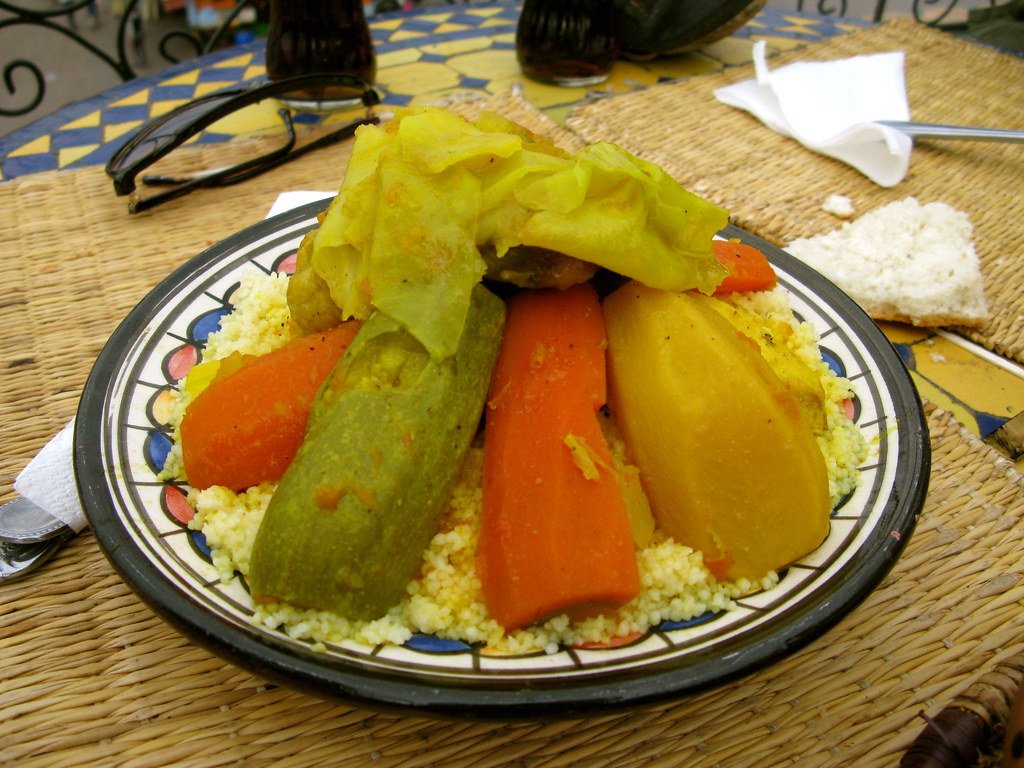
    Moroccan couscous platter, a classic answer to what is a traditional dish in Marrakech
    Couscous is the dish many families share on Fridays.

    1. Tangia: The Dish That Belongs to Marrakech

    When visitors ask what is a traditional dish in Marrakech, local cooks often answer tangia. The name comes from the tall, rounded clay jar in which the meal is cooked. Pieces of beef or lamb are placed in the jar with garlic, cumin, saffron, preserved lemon, olive oil and a little water, then the opening is sealed with paper and string.

    Traditionally men prepared the jar at home and took it to the neighbourhood hammam, where it was buried in the hot ashes of the furnace and left for several hours. The result is meat so tender that it falls apart, with a deep, smoky and lemony flavour. Many restaurants in the medina now serve tangia, and some cook it the old way.

    • Taste: rich, soft, spiced and slightly smoky.
    • Eat with: fresh bread, used to scoop the meat.
    • Best for: a long, relaxed lunch.
    Tip: tangia is not the same as tagine. Ask for “tangia marrakchia” when you want the clay-jar dish.

    2. Tagine: The Classic Everyone Knows

    Tagine is both a dish and the pot it is cooked in. The conical lid traps steam, which returns to the stew and keeps everything moist. Classic versions include chicken with preserved lemon and olives, lamb with prunes and almonds, beef with vegetables, and kefta with eggs in tomato sauce.

    In answer to what is a traditional dish in Marrakech, tagine is the safest first choice for visitors, because the flavours are gentle and the choices are many. Look for a pot that arrives bubbling, with vegetables that are soft but not mushy and a sauce thick enough to dip bread in.
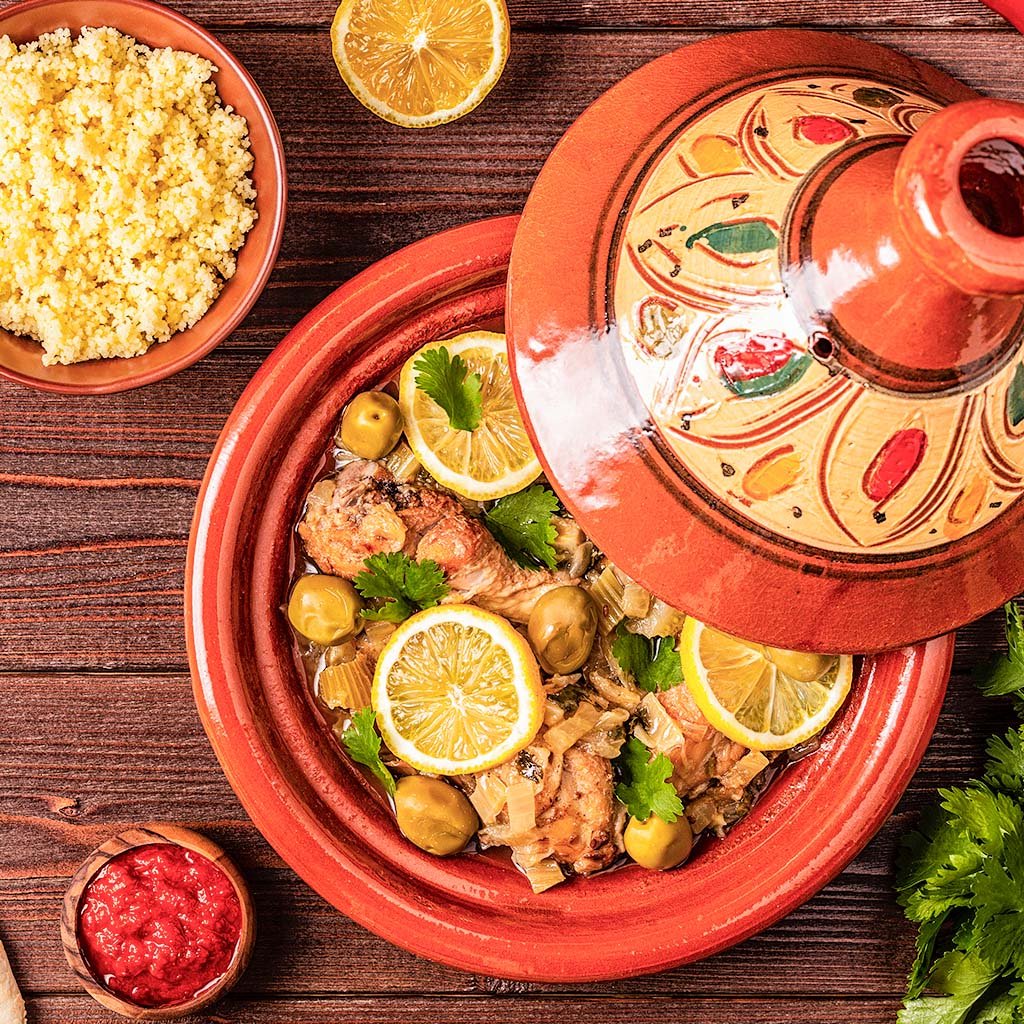
    Moroccan tagine served in a clay pot in Marrakech
    A tagine arrives at the table in its clay pot.
    Tagine type Main flavours
    Chicken, lemon and olives Fresh, salty, citrus
    Lamb with prunes Sweet, soft, almond topping
    Beef with vegetables Hearty and savoury
    Kefta and eggs Tomato, cumin, comfort
    Vegetable tagine Light and fragrant

    3. Couscous: The Friday Meal

    Friday is couscous day in Morocco. After the noon prayer, families gather around a large dish of steamed semolina topped with seven vegetables, such as carrot, turnip, courgette, pumpkin and cabbage, plus lamb, beef or chicken, chickpeas and a ladle of broth. Often a sweet topping of caramelised onions and raisins is added.

    Because it is a family meal, couscous is not always on restaurant menus every day, so ask in advance. If you wonder what is a traditional dish in Marrakech for a special lunch, a Friday couscous in a riad or a local restaurant is a wonderful answer.
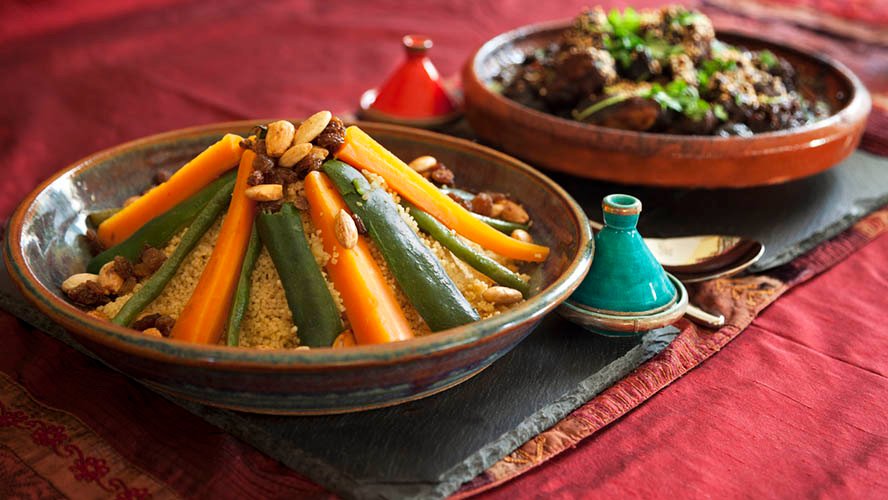
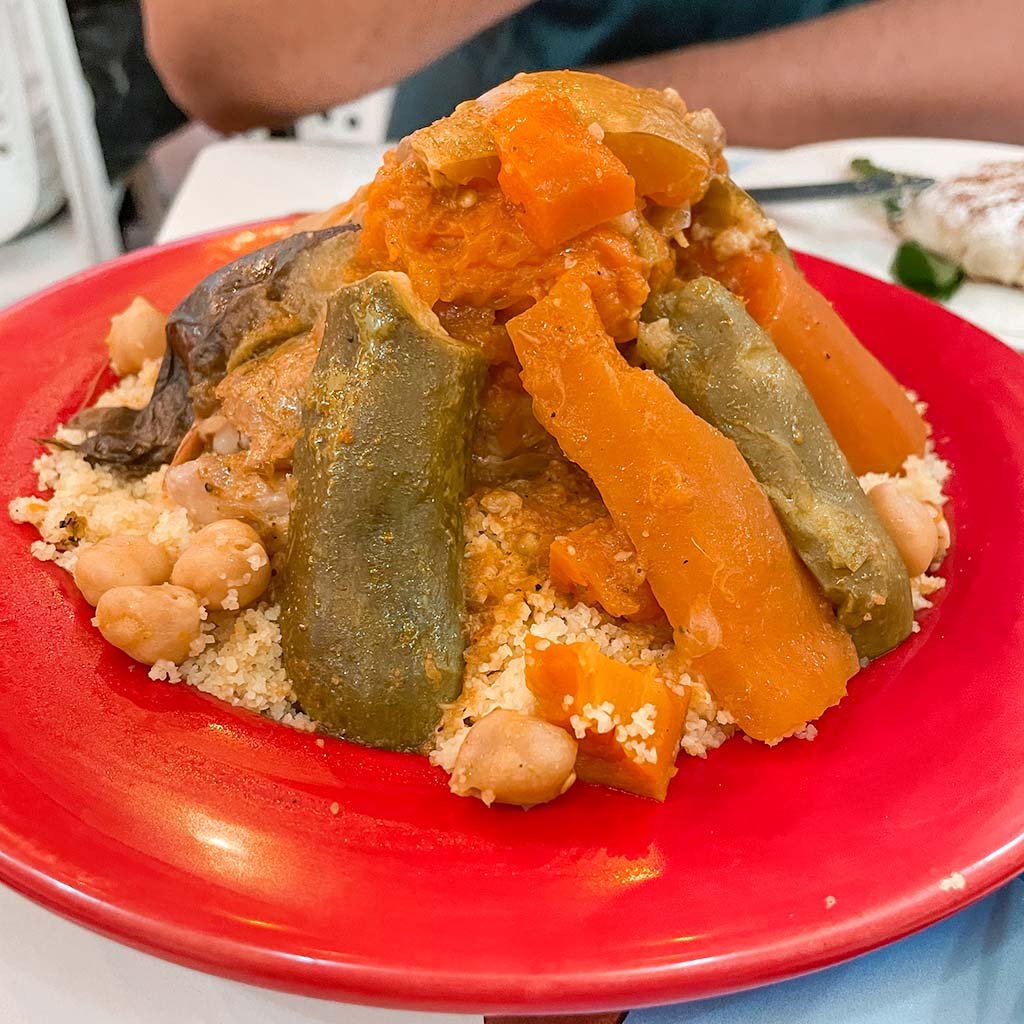
    Steaming plate of Moroccan couscous with vegetables
    Seven-vegetable couscous is served on Fridays.
    Traditional Moroccan couscous with meat and vegetables
    The semolina is steamed several times until it is light.

    4. Mechoui: Slow-Roasted Lamb

    Mechoui is a whole lamb or a large cut roasted slowly until the meat is soft and the skin crisp. In Marrakech you will see it in a small lane near the main square, where vendors pull meat from clay ovens and serve it by weight with bread, salt and cumin. It is a simple, delicious and very local meal.

    In family life, mechoui belongs to feasts and celebrations. Understanding this helps answer what is a traditional dish in Marrakech for big occasions: tangia for gatherings, mechoui for celebrations and couscous for Fridays.

    5. Pastilla: Sweet Meets Savoury

    Pastilla, also called bastilla, is a thin, flaky pie dusted with cinnamon and sugar. The classic filling is pigeon or chicken with almonds, onions, eggs and spices, and the contrast between sweet and savoury is its charm. Some restaurants also make a seafood version.

    It is usually served as a starter or for special meals. If you like new flavours, pastilla is a perfect example of what is a traditional dish in Marrakech for guests, because it shows the refined side of Moroccan cooking.

    6. Harira and Other Soups

    Harira is a thick soup of tomatoes, lentils, chickpeas, herbs and sometimes small pieces of meat. During Ramadan it is the soup that breaks the fast, served with dates and sweets. The rest of the year you can find it at small cafés and market stalls.

    Other soups include bissara, made from dried broad beans and olive oil, popular on cool mornings, and chorba, a light soup with vermicelli. Both answer what is a traditional dish in Marrakech for travellers who want a simple, warm and affordable meal.

    7. Street Food on Jemaa el-Fna

    As evening falls, the great square fills with food stalls. You can eat grilled sausages, skewers, fried fish, sheep head, snail soup, salads and olives at long shared tables. The atmosphere is lively and the smells are strong. It is a unique experience, and the UNESCO listed medina around it is part of the story.

    Choose stalls that are busy and clean, check the prices on the displayed menu, and share a few dishes. If you want a quieter meal, choose a rooftop restaurant overlooking the square and watch the show from above. Either way, the square is a living answer to what is a traditional dish in Marrakech.
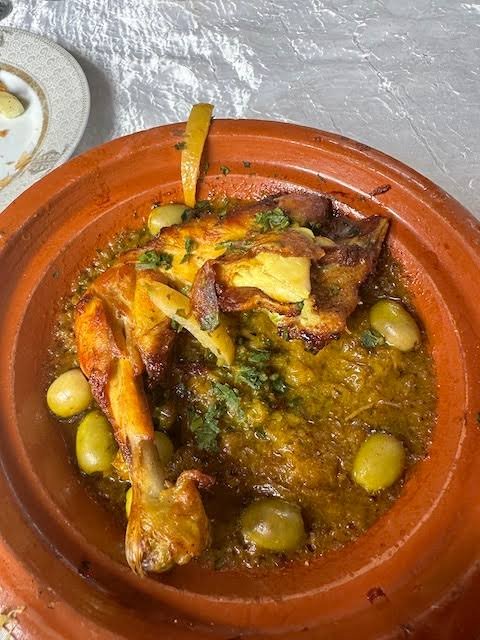
    Tajine dish prepared in Marrakech
    Clay pots keep stews hot and juicy at the table.

    8. Moroccan Salads and Starters

    A traditional meal often begins with a spread of small cooked salads. Zaalouk is a smoky mix of aubergine and tomato, taktouka combines peppers and tomatoes, and there are salads of carrots, beetroot, lentils and chickpeas. Bread, olives and a little harissa complete the table.

    These starters are vegetarian, light and full of flavour, and they show that what is a traditional dish in Marrakech is not always meat. Order a selection to share and scoop each one with bread.

    9. Sweets and Pastries

    Moroccan sweets are rich with almonds, sesame, honey and orange blossom water. Look for chebakia, fried sesame pastries soaked in honey, ghriba, soft almond biscuits, and sellou, a mix of toasted flour, almonds and sesame. Sfenj, a light fried doughnut, is a popular breakfast treat.

    Pastry shops in the new town and small stalls in the medina sell boxes you can take away. A box of sweets is also a good gift if a local family invites you home, and it completes your answer to what is a traditional dish in Marrakech with something sweet.
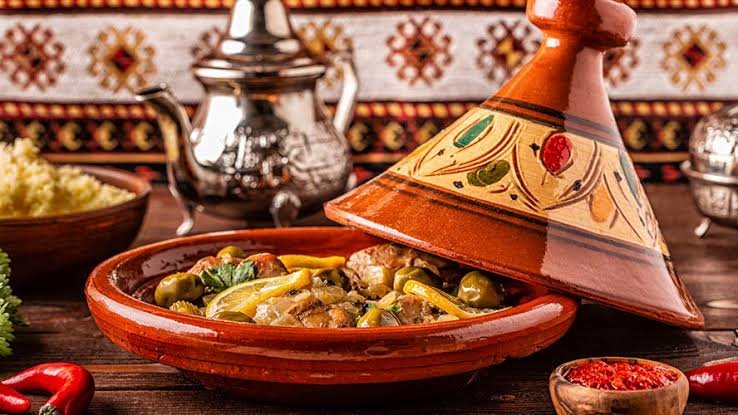
    Moroccan tagine meal in Marrakech, a traditional dish
    Meals end with fruit, sweets and mint tea.

    10. Mint Tea: The Drink of Welcome

    Mint tea, often called Moroccan whisky as a joke, is the drink of hospitality. Green tea, fresh mint and sugar are brewed in a silver teapot and poured from a height to make foam. Accepting a glass is a sign of friendship, and a second glass is polite.

    Together with fresh orange juice from the square, mint tea is a simple pleasure that belongs in any answer to what is a traditional dish in Marrakech, because no meal is complete without it.

    Where to Eat Traditional Food

    You can eat well in several places. Riads often serve home-style dinners with set menus, small family restaurants in the medina cook tagines and tangia, rooftop restaurants offer views, and the stalls on the square give the street-food experience. In the new town, modern restaurants mix traditional and contemporary dishes.

    Place Best for
    Riad dinner Home-style cooking in a calm courtyard
    Medina family restaurant Tangia and tagine
    Jemaa el-Fna stalls Street food and atmosphere
    Rooftop restaurant Sunset views and salads
    Local café Harira, bissara and pastries

    For more ideas, read Marrakech tourism and our Marrakech travel itineraries, which show how to build meals into your days.

    How to Eat Like a Local

    Moroccan meals are shared. A big dish arrives in the middle, and everyone eats from their own side with bread or a spoon. Wash your hands before and after, use your right hand, break bread rather than cutting it, and take the meat the host offers with a smile.

    Do not rush. A meal in Marrakech is a social event, and conversation is part of it. Learning this rhythm will make what is a traditional dish in Marrakech more than a question about food: it becomes a way to meet people.

    Vegetarian and Special Diets

    Vegetarian travellers can eat very well. Vegetable tagines, couscous with vegetables, salads, bissara, lentil soup and fresh bread are available almost everywhere. Say clearly that you do not eat meat, because stews and soups are sometimes cooked with meat broth.

    Halal food is the norm, and pork and alcohol are not served in most small restaurants. If you have allergies, especially to nuts, tell your host in advance, since almonds and sesame are common. With a little care, what is a traditional dish in Marrakech has an answer for every diet.

    Cooking Classes and Market Visits

    A cooking class is a fun way to learn. Most start with a visit to the market to choose vegetables, spices and bread, then continue in a riad kitchen where you prepare salads, a tagine and a sweet dish. You eat your meal at the end and often receive the recipes.

    Classes teach you what is a traditional dish in Marrakech by doing, and they make a great family or couple activity. Ask your riad to book one, and choose a small group for a more personal experience. For other ideas, see shopping in Marrakech for the spice and pottery stalls.

    Breakfast and Daily Rhythm of Eating

    To understand what is a traditional dish in Marrakech, follow a local day. Breakfast is bread with olive oil, jam, cheese or eggs, with mint tea or coffee, and sometimes msemen, a flaky pan-fried bread, or baghrir, a spongy pancake with honey. Lunch is the main meal, often a tagine or couscous, and dinner is lighter, with soup, salads or leftovers.

    Visitors often eat dinner later than locals expect, so plan your main meal at lunch if you want the freshest traditional dishes. Many small restaurants cook one or two dishes in the morning and run out by the afternoon. This rhythm shapes what is a traditional dish in Marrakech at each hour of the day.

    Food During Ramadan and Feasts

    Ramadan changes the food calendar. At sunset the fast is broken with dates, milk, harira, boiled eggs, chebakia and fresh juice, and later a larger dinner follows. If you visit in this month, what is a traditional dish in Marrakech becomes even more social, because families share the table and invite guests.

    During the great feast of the sacrifice, families cook lamb in many ways, including mechoui and tagine with dried fruit. At the end of Ramadan, sweets and tea fill the table. Our guide to travel to Morocco 2027 explains how these dates move each year.

    How Marrakech Cooking Differs From Other Cities

    Every region has its signature. Fes is known for pastilla and refined sauces, Casablanca for seafood, Essaouira for grilled fish and the south for dates and desert breads. Marrakech sits in the middle, with tangia, mechoui and rich tagines that suit a city of traders and travellers.

    That is why the question what is a traditional dish in Marrakech has a special answer: tangia and the street grills of the square. Other cities share many dishes, but these two feel truly local, and they are the best reason to eat slowly in the Red City.

    City Known for
    Marrakech Tangia, mechoui, tagine with prunes
    Fes Pastilla and refined sauces
    Essaouira Grilled fresh fish
    Casablanca Seafood and modern cafés
    Merzouga Berber pizza and desert bread

    Hospitality and Eating in a Local Home

    If you are invited to a Moroccan home, accept with joy. Remove your shoes, greet the family, and wait to be shown where to sit. The host will bring tea, then a big dish, and will often place the best pieces in front of you. Eat what you can, praise the cook and say “bessaha” for good health.

    Bring a small gift such as pastries or fruit, and do not refuse tea. These gestures show respect and make the meal warm. Many travellers say that the memory of one home meal is the best answer to what is a traditional dish in Marrakech, because it adds people to the taste.

    Final Thoughts on What Is a Traditional Dish in Marrakech

    So, what is a traditional dish in Marrakech? Tangia is the local star, tagine is the classic, couscous is the Friday ritual, mechoui is the feast, pastilla is the refined treat and harira is the comfort of Ramadan. Add salads, sweets and mint tea, and you have a full table.

    The best way to learn what is a traditional dish in Marrakech is to eat with curiosity. Share plates, ask what is cooked that day, join a market tour and sit longer than planned. Our team can book riad dinners, cooking classes and a driver-guide, so you can focus on the flavours.

    When you are ready, send us your dates. We will suggest what is a traditional dish in Marrakech for your tastes, link it with the best day trips and keep the pace relaxed from arrival to farewell. See all Morocco tours for ready routes.

    Mistakes to Avoid

    The most common mistake is to eat only at tourist restaurants with long menus. A short menu with fresh dishes is usually better. Another mistake is to order too much, because portions are generous and meant to be shared. A third is to drink tap water, so choose bottled water and avoid ice if your stomach is sensitive.

    Also avoid agreeing to a meal without checking the price, and ignore anyone who pulls you into a restaurant in the lanes. Walk, compare and choose calmly. For general advice, read is Morocco safe to travel.

    Finally, do not treat what is a traditional dish in Marrakech as a single answer. Try tangia one day, couscous on Friday, mechoui at the stalls and pastilla at a riad dinner, and let your own favourite appear.

    Frequently Asked Questions

    What is a traditional dish in Marrakech?

    Tangia is the most local dish: meat slow-cooked in a clay jar with spices and preserved lemon. Tagine, couscous and mechoui are also classic.

    What is the difference between tangia and tagine?

    Tangia is cooked in a tall clay jar, often in hammam ashes, while tagine is cooked in a conical clay pot over low heat.

    What do Moroccans eat on Friday?

    Couscous is the traditional Friday meal, usually with seven vegetables and meat or chicken.

    Is Moroccan food spicy?

    It is flavourful rather than hot. Spices such as cumin, ginger, saffron and cinnamon are common, and chilli paste is served on the side.

    Can vegetarians eat well in Marrakech?

    Yes. Vegetable tagines, couscous, salads and soups are widely available, but ask about the broth.

    How can I plan a food trip around what is a traditional dish in Marrakech?

    Send your dates and tastes on WhatsApp at +212 682 832 176 or through our contact page, and we will reply with a private plan.

    Taste What Is a Traditional Dish in Marrakech With Us

    Tell us your dates, tastes and pace. We will plan riad dinners, a cooking class and the best local meals with a driver-guide.
    Request a Free QuoteWhatsApp Us

  • What to See and Do in Tangier: Ultimate Guide to the Best Sights

    What to See and Do in Tangier: Ultimate Guide to the Best Sights

    Northern Morocco · City Guide · Updated 2026

    What to See and Do in Tangier: Ultimate Guide to the Best Sights

    The white city where the Atlantic meets the Mediterranean, with a medina, cafés and caves to explore

    What to see and do in Tangier is a question with a rich answer. This port city at the north-western tip of Africa has a hilltop Kasbah, a lively medina, famous literary cafés, wild Atlantic beaches, a lighthouse at Cap Spartel and the legendary Caves of Hercules. On a clear day you can even see Spain across the Strait of Gibraltar.

    This guide explains what to see and do in Tangier in clear, practical steps. You will find the main sights, the best neighbourhoods, local food, easy day trips, sample plans for one, two and three days, and honest tips on safety, timing and etiquette. It is written for travellers who want to enjoy the city at a relaxed pace and feel its mix of Moroccan, Spanish, French and international history.

    If you are still building a bigger route, read our Morocco travel guide first, then come back here to plan the northern chapter of your trip.

    What to See and Do in Tangier: The Short Answer

    Quick answer: the top things are the Kasbah and its museum, the medina with the Petit Socco, a sunset tea at Café Hafa, the Cap Spartel lighthouse and the Caves of Hercules. Add a beach afternoon, a seafood dinner and, if you have time, a day trip to Asilah or Chefchaouen. Two days is the sweet spot.
    Sight Why go Time needed
    Kasbah and museum Views, palace, history 1.5 hours
    Medina and Petit Socco Lanes, shops, cafés 2 hours
    Café Hafa Sea view and mint tea 1 hour
    Cap Spartel Lighthouse and two seas 1 hour
    Caves of Hercules Sea-facing cave 45 minutes
    American Legation Unique museum 1 hour
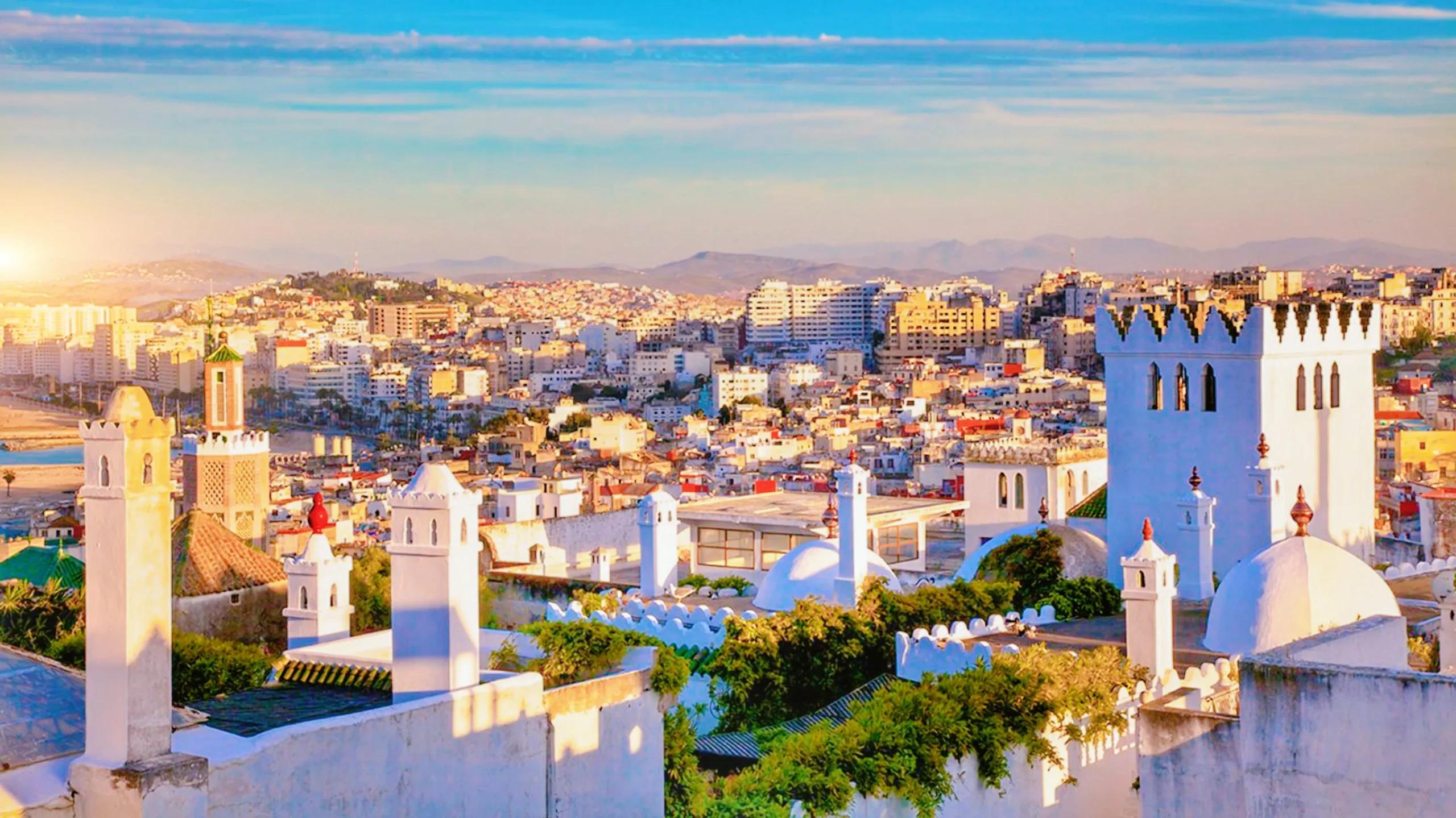
    Tangier seafront, a highlight of what to see and do in Tangier
    Tangier sits on the Strait of Gibraltar, where two seas meet.

    Why Tangier Deserves Your Time

    Tangier has been a crossroads for centuries. Phoenicians, Romans, Portuguese, Spanish, British and French have all left traces, and from 1923 to 1956 the city was an international zone governed by several powers. That unusual history shaped a cosmopolitan atmosphere that writers, painters and musicians loved, and it is still easy to feel today.

    The traveller Ibn Battuta was born here in the fourteenth century, and artists such as Matisse painted its light. Today the city is clean, modern at the edges and old at the centre, with a new port, a high-speed train and a fresh seafront. When people ask what to see and do in Tangier, the honest answer is: a bit of everything, at a gentle pace.

    • Setting: hills, cliffs and two seas.
    • Mood: relaxed, creative and welcoming.
    • Best for: culture, food, views and short breaks.
    • Easy to combine with: Chefchaouen, Asilah and Tetouan.

    The Kasbah: First Stop in What to See and Do in Tangier

    The Kasbah crowns the old town, and it is the best place to start. Enter through Bab el Assa, climb the quiet lanes with their white walls and blue doors, and reach the Place de la Kasbah, a square with sweeping sea views. From the viewing terrace you see the harbour, the bay and, on a clear day, the coast of Spain.

    The old sultan’s palace, Dar el Makhzen, is now the Kasbah Museum. Its rooms, courtyards and gardens show carved wood, painted ceilings and mosaics, and the collection covers the history of northern Morocco from prehistoric times to the Islamic period. The garden is a calm place to rest before the next walk.

    Arrive in the morning for softer light and fewer visitors. The lanes are steep but short, and the reward is the best panorama in the city.

    Tip: walk down through the medina after the Kasbah, instead of taking a taxi. It is the easiest way to see the old town in one smooth loop.

    The Medina and Its Souks

    The medina of Tangier is smaller and calmer than the ones in Fes or Marrakech, which makes it ideal for first-time visitors. Lanes wind between spice sellers, leather shops, tailors, cafés and small family workshops. You can wander without stress and still get lost in a pleasant way.

    The heart of the old town is the Petit Socco, a tiny square that was once the centre of the international city. Cafés line the square, and watching life from a terrace with mint tea is one of the classic things to do. Nearby is the Grand Socco, the large square between the old and new towns, where farmers, shoppers and taxi drivers meet every day.

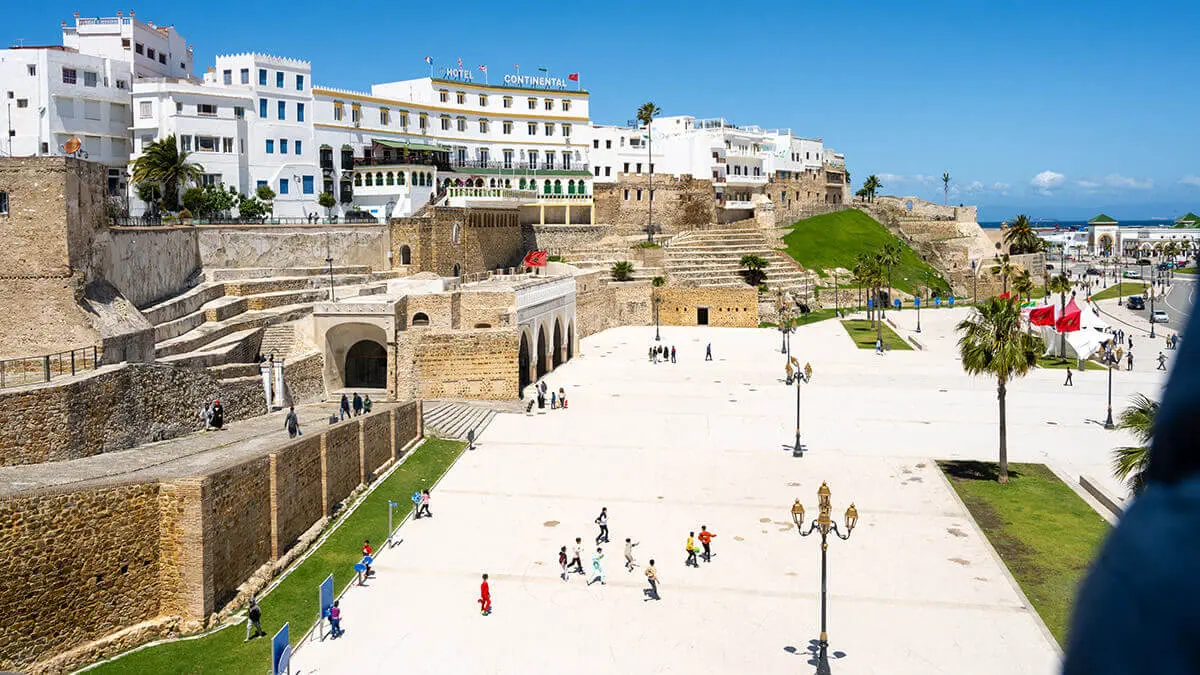
    Old town view, part of what to see and do in Tangier
    The old town is compact and easy to explore on foot.

    Look for the Mendoubia Gardens near the Grand Socco, with its old trees, and the Great Mosque, which you can admire from outside. Shopping here is relaxed: ask politely, smile and compare. For bargaining skills, our shopping in Marrakech guide works just as well in Tangier.

    Cap Spartel and the Caves of Hercules

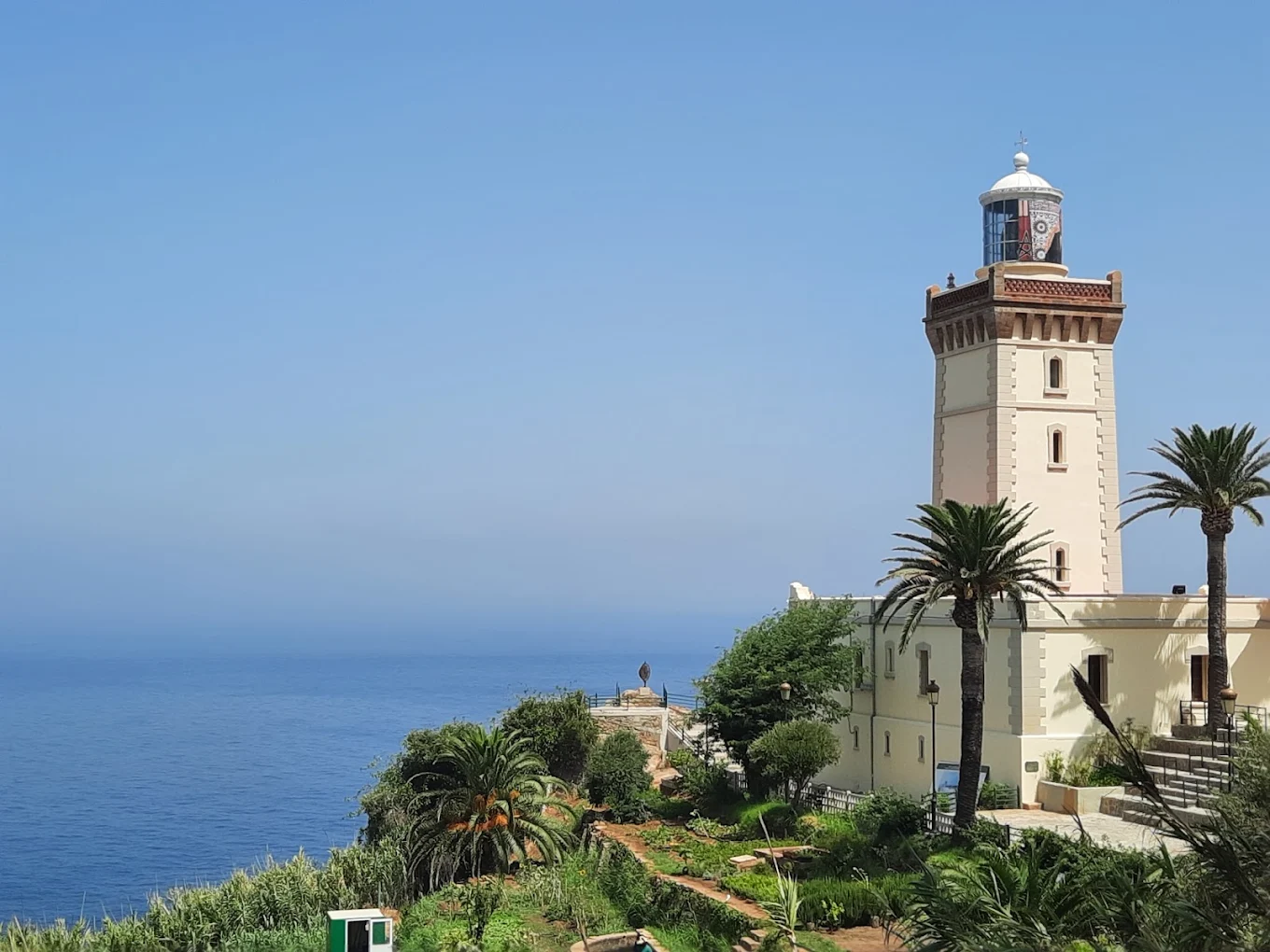
    West of the city, the road follows the coast to Cap Spartel, the north-western tip of Africa. A lighthouse stands on the headland, and a short walk leads to viewpoints where the Atlantic meets the Mediterranean. The sea looks different on each side, and on a clear evening the light is superb.

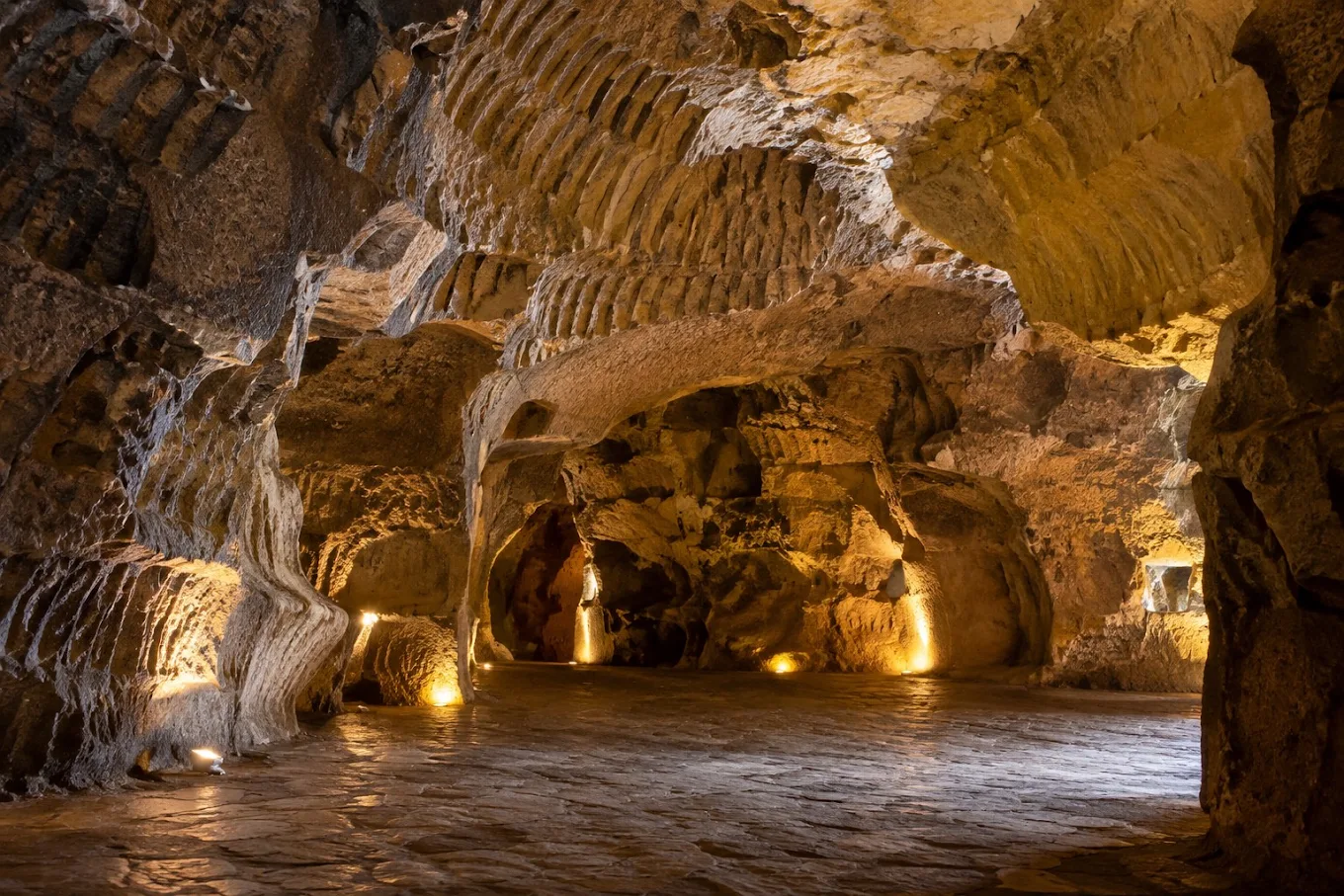
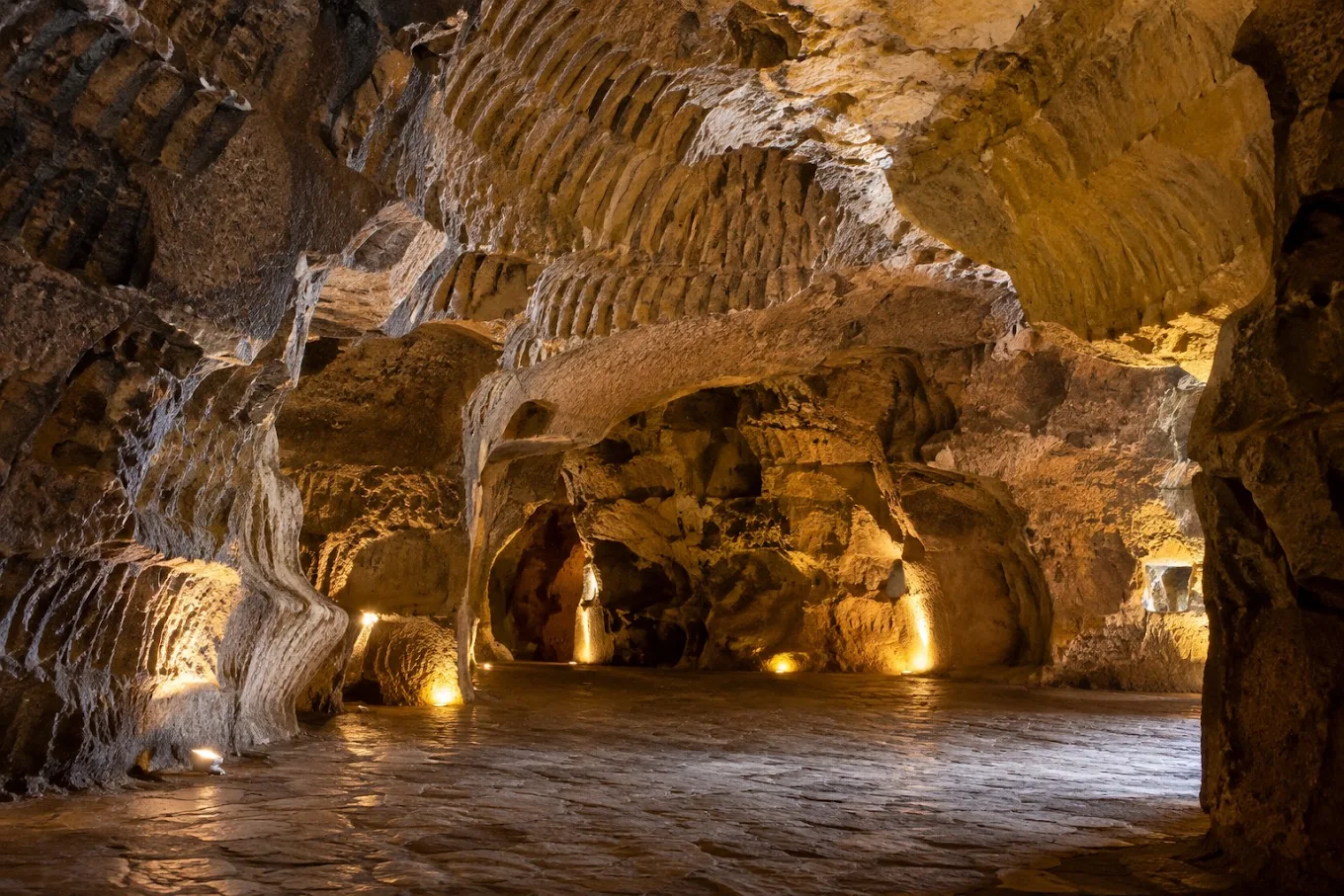
    A few minutes further, the Caves of Hercules open to the sea. According to legend, the hero rested here while he performed his labours. The cave mouth has a natural opening shaped like a map of Africa, and waves roll in below. It is a short visit, but it is one of the most photographed sights of the region.

    Atlantic coast near Cap Spartel, a top choice for what to see and do in Tangier
    The coast west of the city is wild, green and open.
    Stop What you see Best time
    Cap Spartel Lighthouse, two seas Late afternoon
    Caves of Hercules Sea-facing cave Morning
    Achakar beach Wide Atlantic sand Warm days
    Cape viewpoints Sunset horizon Golden hour

    Cafés and Literary Tangier

    Few cities are as linked to writers as Tangier. Paul Bowles, William Burroughs, Tennessee Williams and many others lived or stayed here, and the cafés they loved are still open. Part of what to see and do in Tangier is simply to sit where they sat.

    Café Hafa, built into the cliff in 1921, is the most famous. Its terraces step down toward the sea, and the mint tea tastes better with that view. Café Central in the Petit Socco and Café de Paris near the Grand Socco carry the same old-world atmosphere. Go slowly, order a glass of tea and watch the street.

    • Café Hafa: sunset tea on cliff terraces.
    • Café Central: people-watching in the Petit Socco.
    • Café de Paris: a classic of the international era.
    • Gallery cafés: small modern spots in the new town.

    Museums and Cultural Stops

    The American Legation Museum is unique. Morocco was one of the first countries to recognise the United States, and this building in the medina is the only American historic landmark outside the country. Rooms hold maps, paintings and documents, and the staff are friendly and knowledgeable.

    The Cinémathèque de Tanger, in the old Cinema Rif building, shows classic and independent films and has a pleasant café. The Kasbah Museum covers regional history, and small galleries in the new town show contemporary Moroccan art. Together they show that what to see and do in Tangier includes culture as well as scenery.

    Beaches and the Corniche

    The city has a long sandy bay, and the modern corniche makes a pleasant walk with cafés, palm trees and sea air. Families gather here in the evening, and in summer the beach is lively. For quieter sand, go west to Achakar or follow the coast toward Cap Spartel, where the Atlantic waves are powerful.

    Swim only where the sea looks calm and ask locals about currents. The Atlantic side can be strong, and the Mediterranean side is gentler. A beach afternoon after a morning of sights is a great way to balance a busy day.

    Food: What to Eat in Tangier

    Because it is a port, Tangier is excellent for seafood. Fresh fish, grilled sardines, calamari and prawns appear at harbour restaurants and small family places. Try a simple plate of fried fish with salad and lemon, and finish with sweet mint tea.

    Dish What it is
    Grilled fish Fresh catch with lemon and spices
    Tagine Slow-cooked stew with vegetables or meat
    Pastilla Sweet and savoury flaky pie
    Harira Tomato and lentil soup
    Churros and coffee A Spanish-style breakfast

    Spanish influence also shows in the bakeries and coffee culture. Ask your hotel for a local recommendation, because small restaurants change often and the best ones are not always on the main street.

    Day Trips From Tangier

    The north has several easy day trips. Asilah, about forty-five minutes south, is a whitewashed seaside town with painted walls, ramparts and a relaxed beach. It is perfect for a slow half day. Tetouan, with its old medina, is a UNESCO World Heritage site and a good contrast to Tangier.

    Chefchaouen, the blue city, is about two hours away in the Rif mountains, and it is a classic follow-up. Read our Chefchaouen blue city guide for ideas, and see the page on Morocco day trips for more options. Some visitors also take a ferry to Spain for a day, but allow plenty of time for border checks.

    What to See and Do in Tangier in 1, 2 and 3 Days

    Here is a simple way to organise your time. The plans are flexible, so you can swap days and keep the sunset moments for clear weather.

    Length Plan
    1 day Kasbah and museum in the morning, medina lunch, Café Hafa at sunset
    2 days Day one as above, day two Cap Spartel, Caves of Hercules, beach and seafood dinner
    3 days Add Asilah or Chefchaouen, a museum visit and a slow café afternoon

    If you travel on to the south, see our 2 weeks in Morocco itinerary and the Morocco itineraries page, which show how to link Tangier with the imperial cities and the desert. For trip length, read how many days in Morocco is enough.

    Getting to Tangier and Getting Around

    Tangier has an international airport with links to Europe, and a major port with ferries to Spain. The high-speed Al Boraq train connects the city with Rabat and Casablanca in a comfortable ride, and conventional trains and buses serve other towns. Road links to Tetouan, Asilah and Chefchaouen are good.

    Inside the city, small taxis are cheap and easy. Agree that the meter is used or confirm the fare before you start, and use a private driver for Cap Spartel and the Caves, because the sights are spread along the coast. The old town is best on foot.

    Best Time to Visit

    Spring and autumn are the best seasons. Days are warm, the light is gentle and the sea is pleasant. Summer is lively and the beach fills with families, while winter can be windy and rainy, although the city remains calm and charming. Pack a light jacket for the evenings, because the breeze from the strait can be cool.

    For the full seasonal picture, read our guide to the travel to Morocco 2027 plan.

    Where to Stay

    The medina and Kasbah area suits travellers who want atmosphere, with small riads and guesthouses in old houses. The new town has modern hotels near the cafés and the train station, and the corniche has beach hotels with sea views. Choose the old town for character and the new town for convenience.

    Book early for spring and summer, ask for a sea-view room if you like sunrise light, and check that your riad has simple luggage access, because some lanes are too narrow for cars.

    Safety and Etiquette

    Tangier is a welcoming city, and most visits are trouble-free. Use common sense: keep your phone and wallet secure in crowds, ignore unofficial guides who insist on leading you, and agree prices before you take a service. Dress comfortably and modestly, especially in the medina and near mosques.

    Ask before photographing people, greet shopkeepers with a smile and accept the offer of tea in a spirit of friendship. For broader advice, see is Morocco safe to travel.

    Mistakes to Avoid

    The most common mistake is to treat the city as a quick ferry stop. Give it at least one night, because the evening mood is its best side. Another is to rush the Kasbah in the heat of midday, instead of visiting in the morning. A third is to forget a jacket in the windy months.

    Also avoid planning every minute. The pleasure of what to see and do in Tangier is its slow rhythm: a tea, a view, a lane, a sunset. Leave gaps, and the city will fill them for you.

    Finally, remember that distances along the coast are short but traffic can be heavy in summer. Start your coastal drive early, plan lunch near the sea and return in time for a quiet dinner in the old town.

    Evenings, Music and Nightlife

    Part of what to see and do in Tangier happens after dark. The corniche fills with families, the cafés around the Grand Socco glow, and small music venues play Andalusian, Gnawa and modern sounds. Dinner is late by European standards, so reserve your table for eight or nine o’clock and enjoy a long, slow meal.

    If you prefer a quiet night, walk through the lit lanes of the Kasbah, take a last tea on a terrace and listen to the call to prayer drifting over the roofs. For many visitors, this calm hour is the highlight of what to see and do in Tangier, because the city feels private and warm.

    Best Photo Spots

    Photographers love the city. The Kasbah terrace gives a wide view of the harbour, the blue doors of the old lanes make a perfect frame, and Cap Spartel is ideal at golden hour. The Caves of Hercules and the cliffs near Achakar offer dramatic sea shots, while the Petit Socco is best for street scenes in soft morning light.

    When you plan what to see and do in Tangier with a camera, remember to ask permission before you photograph people, and keep your lens simple in the narrow lanes. A small bag, a clean cloth for sea spray and an early start give the best results.

    What to Do on a Rainy Day

    Winter showers happen, but they do not ruin a visit. Museums, cafés and the Cinémathèque are perfect shelters, and the covered corners of the medina stay lively. The American Legation, the Kasbah Museum and a long lunch of hot harira and tagine make a cosy plan.

    In other words, what to see and do in Tangier changes with the weather, but it never runs out. Keep a flexible list, and swap outdoor viewpoints for indoor culture when clouds arrive.

    Tangier With Family or as a Couple

    Families enjoy the beach, the corniche playgrounds and the short walks of the old town, while couples enjoy the sunset terraces, the quiet cafés and the intimate riads. Both groups find that what to see and do in Tangier is easy to adjust: slow days for children, romantic dinners for couples and short drives for everyone.

    Travelling with older relatives is also simple, because the new town is flat and taxis are cheap. Use a private driver for the coast, and keep the steep Kasbah lanes for a morning when everyone feels fresh.

    Practical Checklist Before You Go

    • Documents: passport, booking details and travel insurance.
    • Clothing: comfortable shoes, light layers and a wind jacket.
    • Money: small notes for taxis, cafés and tips.
    • Phone: offline map and a local SIM or eSIM.
    • Timing: check ferry, train and flight times a day ahead.

    With this checklist ready, what to see and do in Tangier becomes a relaxed list of pleasures rather than a puzzle of logistics. Our team can handle transfers, drivers and accommodation, so you can enjoy the city and the road.

    Language, Culture and Local Customs

    Arabic and Darija are the main languages, and many people also speak French, Spanish and English. In Tangier, Spanish is especially common, which is a pleasant surprise for visitors from Spain or Latin America. A few words of Arabic, such as “shukran” for thank you, go a long way and make every conversation warmer.

    Understanding local customs makes what to see and do in Tangier far richer. Greet people before asking a question, accept tea when it is offered and avoid public displays of affection. During Ramadan, be discreet when you eat or drink in public, and expect shorter opening hours in the day and lively evenings.

    Friday is the main prayer day, so some shops close at midday. Keep that in mind when you plan what to see and do in Tangier on a Friday, and move your shopping to the morning or the evening.

    Travelling Responsibly in Tangier

    Small choices help the city. Buy from local artisans, eat in family restaurants, take refillable water bottles and keep the beaches clean. Choose small riads and guesthouses, because they bring income to the old town and keep its houses alive.

    Responsible travel also means respecting the sea and the cliffs. Stay on paths near Cap Spartel, do not climb on fragile rocks, and leave the caves as you found them. If everyone follows these simple rules, what to see and do in Tangier will stay beautiful for the next generation of visitors.

    Finally, share your plans with people at your hotel. Staff love to suggest a quiet viewpoint or a tea house that guidebooks miss, and their advice often becomes the best part of what to see and do in Tangier. A friendly question at breakfast can change your whole afternoon.

    How to Mix Sights, Rest and Local Life

    The best way to enjoy what to see and do in Tangier is to mix one big sight per half day with a long break. Visit the Kasbah in the morning, rest over lunch, then walk to a café. This rhythm keeps energy high and lets you notice small things, such as a painted door or a baker pulling bread from the oven.

    Many visitors ask whether they should hire a guide. For the medina, a licensed local guide can explain history and open doors that look closed, while for the coast a driver is more useful. Either way, what to see and do in Tangier works best with a clear start time, a flexible middle and a sunset finish.

    Travellers who arrive by ferry from Spain often have only a few hours. In that case, choose the Kasbah, the Petit Socco and one café, and treat the rest of what to see and do in Tangier as a reason to return. Those who stay longer can add the cape, the caves and a beach day.

    Digital nomads and slow travellers also love the city. Cafés with Wi-Fi, a calm pace and cheap taxis make it a good base for a week, and the surrounding region adds endless ideas. If you stay long, explore a new neighbourhood each day and let what to see and do in Tangier grow beyond the guidebook.

    Last, check opening days before you go. Some museums close on one weekday, and small shops close during prayer on Friday. A short call or a message to your hotel saves time, and it keeps what to see and do in Tangier smooth from the first morning.

    Quick Tips for What to See and Do in Tangier

    Start early, because what to see and do in Tangier is most pleasant in soft morning light, and the best of what to see and do in Tangier is quiet before ten. Wear flat shoes for the Kasbah lanes, carry water and keep a light layer for the sea breeze.

    Book restaurants for dinner, as the best tables fill fast, and ask your hotel to confirm opening days. Plan what to see and do in Tangier around meals, not the other way round, so every walk ends with tea or fresh fish.

    Keep one flexible slot each day, because what to see and do in Tangier is never fixed. A sudden cloud, a long chat or a surprise festival can change what to see and do in Tangier, and the best memories often come from that unplanned hour.

    Use taxis for the coast, walk the old town and take the train for long trips. This simple mix makes what to see and do in Tangier easy, even for first-time visitors.

    Finally, return at sunset to the Kasbah terrace. Seeing the lights come on over the strait is a fitting end to any list of what to see and do in Tangier, and it costs nothing at all.

    For a printable summary, remember the core list: Kasbah, medina, Café Hafa, Cap Spartel, Caves of Hercules and one beach. That short list covers what to see and do in Tangier in a single relaxed weekend, and our team can book every transfer for you.

    Travellers who love detail can ask us for a map with timings. We prepare a personal outline of what to see and do in Tangier, with driving times, opening days and the best hour for each stop.

    Final Thoughts on What to See and Do in Tangier

    Tangier rewards curious travellers. It is a city of views, stories and small moments, and it is easy to love. Whether you stay one night or three, the best of what to see and do in Tangier is the mix of history, sea and people.

    When you plan your wider journey, combine the north with the imperial cities and the Sahara. Our guide to what to see and do in Casablanca shows the next big city on the coast, and our all Morocco tours page lists private routes for every pace.

    One more reminder: leave time for tea. In every list of what to see and do in Tangier, the simple act of sitting, watching and talking to people often becomes the memory you keep. Start with the Kasbah, end with a sunset and let the rest unfold.

    If you are still undecided, send us your dates. We will suggest what to see and do in Tangier for your interests, add the best day trips and keep the pace gentle from the first transfer to the last farewell.

    Frequently Asked Questions

    What to see and do in Tangier in one day?

    Visit the Kasbah and its museum in the morning, walk through the medina and Petit Socco, have lunch, then finish with tea at Café Hafa at sunset.

    How many days do I need in Tangier?

    Two days cover the main sights comfortably, and three days allow a day trip to Asilah or Chefchaouen.

    Is Tangier worth visiting?

    Yes. It offers history, views, food and an easy mood, and it is a great start or end to a Morocco trip.

    Is Tangier safe for tourists?

    Yes, with normal precautions. Keep valuables secure, avoid unofficial guides and agree prices in advance.

    Can I see Spain from Tangier?

    On a clear day, the Spanish coast is visible across the Strait of Gibraltar from the Kasbah and Cap Spartel.

    How do I plan what to see and do in Tangier with a private guide?

    Send your dates and interests on WhatsApp at +212 682 832 176 or through our contact page, and we will reply with a private plan.

    Plan What to See and Do in Tangier With Us

    Tell us your dates, interests and pace. We will build a smooth plan with a driver-guide, comfortable stays and the best moments of Tangier and the north.

    Request a Free QuoteWhatsApp Us

  • What to Do in Merzouga: 12 Best Sahara Activities, Camps and Tips

    What to Do in Merzouga: 12 Best Sahara Activities, Camps and Tips

    Merzouga Desert Guide · Erg Chebbi · Updated 2026

    What to Do in Merzouga: 12 Best Sahara Activities, Camps and Tips

    Camels, dunes, music, nomads and a sky full of stars at the edge of the Sahara

    What to do in Merzouga is the first question of every traveller who reaches the edge of the Sahara. The village sits beside Erg Chebbi, a sea of golden dunes up to 150 metres high, and the choice of activities is wider than most people expect. You can ride a camel at sunset, sleep in a desert camp, slide down a dune on a board, race a quad bike, hear Gnawa music or share tea with a nomad family.

    This guide explains what to do in Merzouga in clear steps: the best activities, how long each one takes, which season suits it, how to combine them in one, two or three days, and the honest details that other websites skip. It is written for first-time visitors, couples, families and friends who want real desert time without a hard expedition.

    If you already know your dates, our 2 nights in Merzouga desert guide and the 2 days camel trekking in Merzouga guide go deeper into a full stay.

    What to Do in Merzouga: The Short Answer

    Quick answer: the best things to do in Merzouga are a sunset camel trek, a night in a desert camp, the sunrise from a high dune, sandboarding, a quad or 4×4 tour, music in Khamlia, tea with nomads, the market of Rissani and a night of stargazing. With two days you can do almost all of them.
    Activity Time needed Best moment
    Camel trek 1.5 to 2 hours Late afternoon
    Sunrise dune climb 1 hour Early morning
    Sandboarding 1 hour Morning or late afternoon
    Quad or buggy 1 to 3 hours Morning
    4×4 tour with Khamlia Half day Morning
    Rissani souk 2 hours Sunday, Tuesday, Thursday
    Stargazing 1 hour After dinner
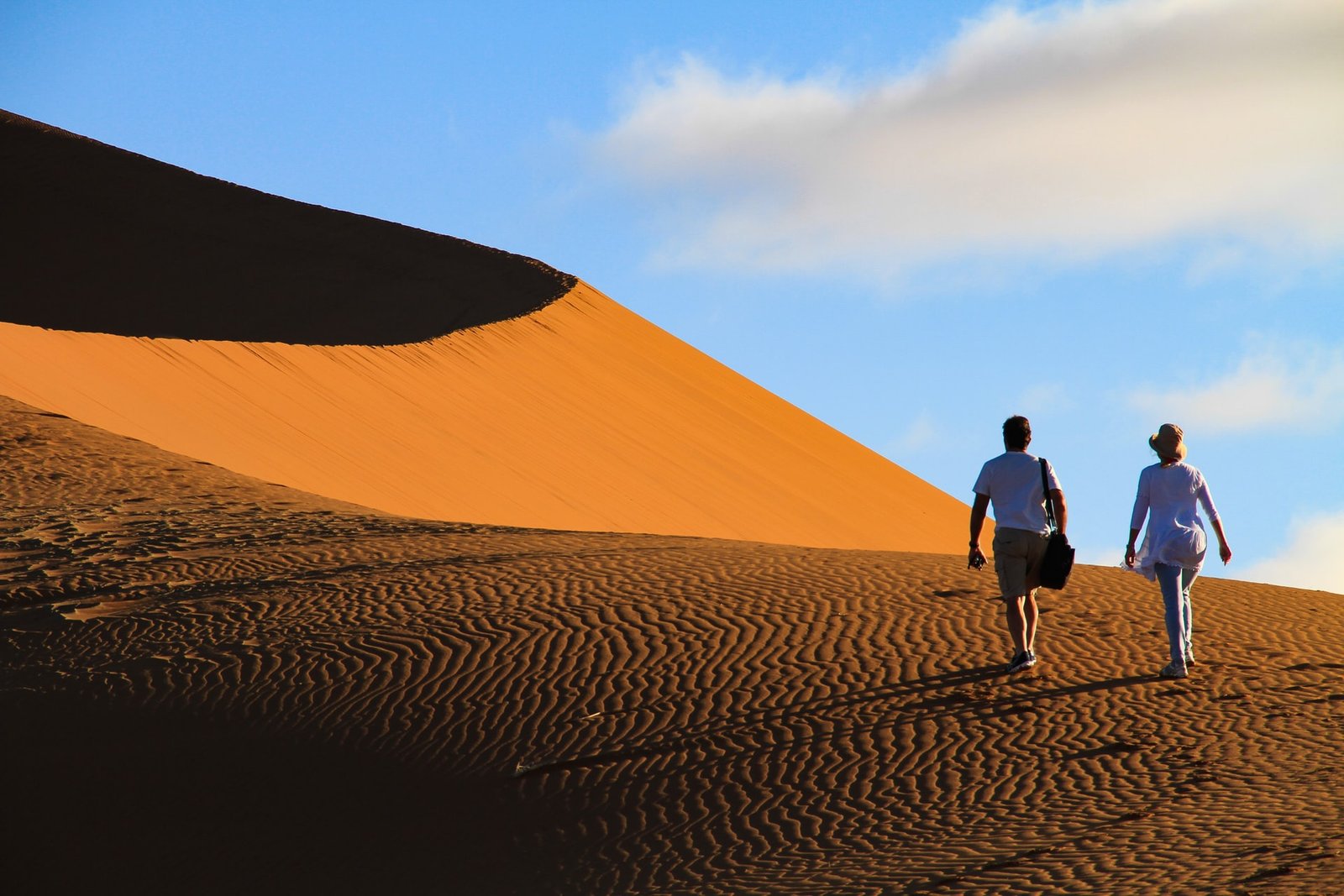
    What to do in Merzouga: walking on the Erg Chebbi dunes
    Walking on the high dunes of Erg Chebbi is free and unforgettable.

    Why Merzouga Is the Best Place for Desert Activities

    Many visitors ask what to do in Merzouga rather than in other Moroccan deserts, and the answer is the dunes themselves. Erg Chebbi is the largest and tallest sand sea in the country, so it gives a real Sahara landscape with deep silence, clean air and wide horizons. The village is small, the camps are close to the sand, and local guides can arrange almost any activity in one phone call.

    The region is also varied. Within an hour you can leave the dunes for palm oases, black stone plains, old kasbahs, a seasonal lake and a fossil quarry. That mix is why what to do in Merzouga never feels repetitive, even on a third day.

    • Real dunes: orange sand waves that change colour with the light.
    • Easy access: camps start only a few minutes from the village.
    • Local culture: Amazigh hosts, Gnawa music and nomad tents.
    • Many levels: calm camel rides or fast quad bikes, you choose.

    Another reason to choose this place is the choice of budget and style. A backpacker can sleep in a simple Berber tent, while a couple can book a luxury tent with a terrace. In both cases, what to do in Merzouga stays the same: the dunes, the camels, the music and the stars are shared by everyone.

    Local guides also make the visit easy. They collect you, carry the luggage, prepare the tea and explain the route, so you only need to enjoy it. Planning what to do in Merzouga with a local team saves time and avoids the usual mistakes of a first visit.

    1. Ride a Camel at Sunset

    If you only do one thing, make it this. A sunset camel trek is the classic answer to what to do in Merzouga, and it works for every age. You meet your guide at a small auberge on the edge of the dunes, drink mint tea, wrap a scarf around your head and climb onto a kneeling dromedary. The caravan walks in a line for about 90 minutes while the sky turns orange, pink and deep red.

    The camels are calm and used to visitors. Mounting is the only awkward moment: lean back as the animal stands up, and hold the saddle handle. After ten minutes the slow rocking feels natural. For more detail, read our guide to the sunset camel ride.

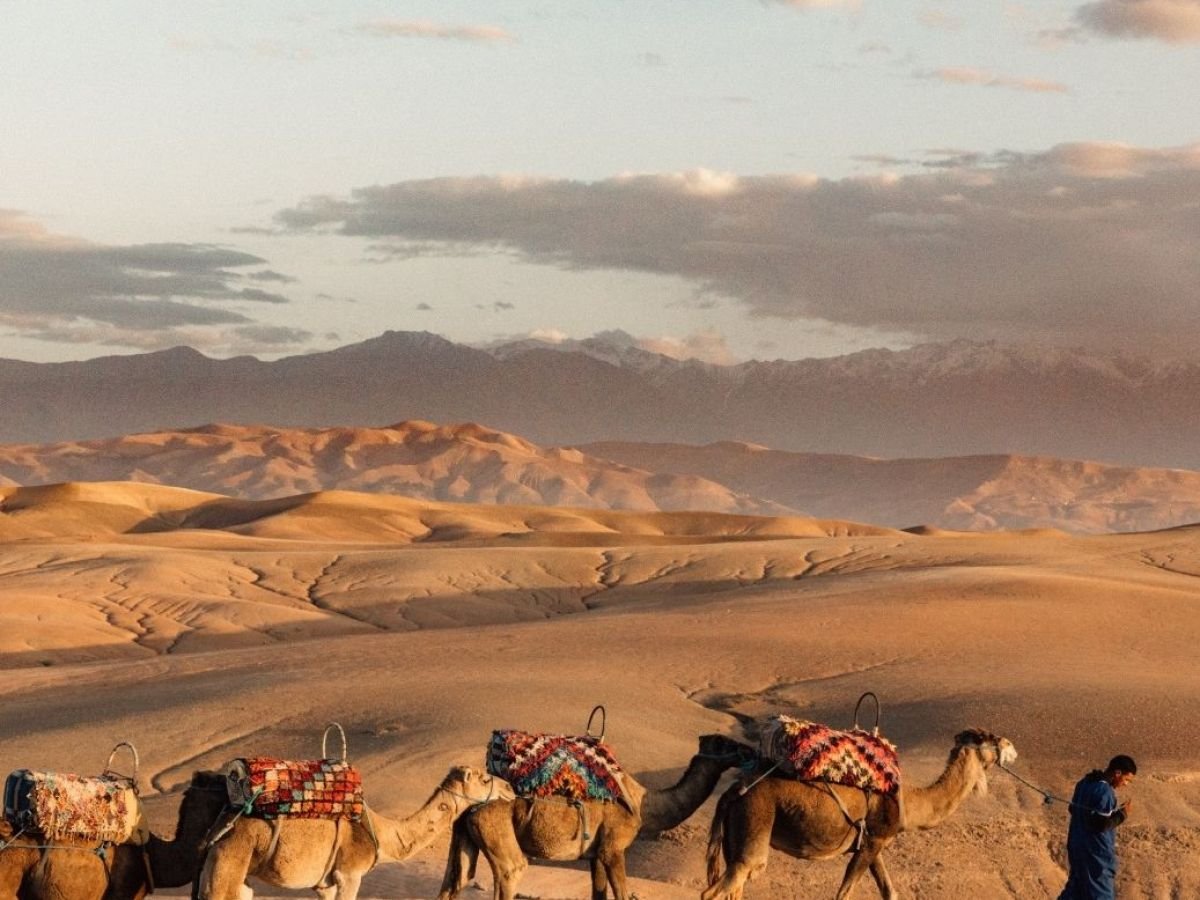
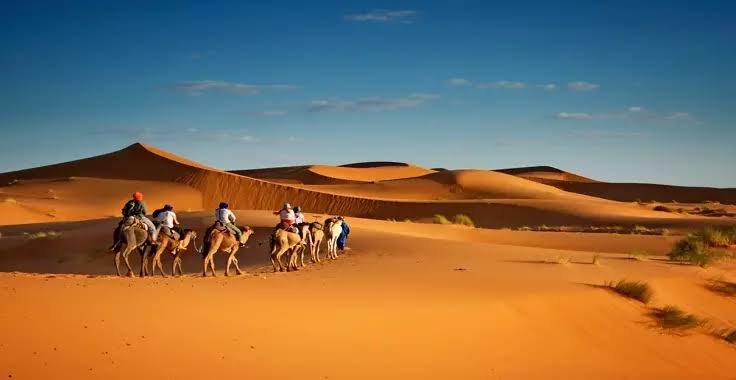
    Camel caravan, the best thing to do in Merzouga at sunset
    A caravan crossing the dunes in the last light of the day.

    2. Watch the Sunrise from a High Dune

    The second great answer to what to do in Merzouga happens before breakfast. Your guide wakes you about 45 minutes before sunrise, and you climb a tall dune on foot, which takes around 20 minutes in soft sand. Wear a warm layer, because dawn is cold even in summer. Then you sit and wait while the dunes change from grey to pink to gold.

    The morning light is gentle, the air is still and there are very few people. Many guests say the sunrise was better than the sunset, because the silence is deeper. You can skip the climb and watch from the camp if you prefer a lazy start.

    3. Sleep in a Desert Camp: What to Do in Merzouga at Night

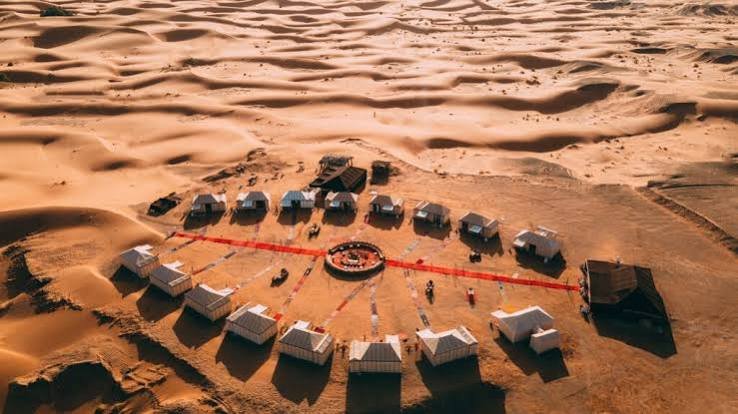
    A night among the dunes turns a visit into a memory, so it belongs on any list of what to do in Merzouga. There are three levels of camp. A traditional Berber tent has thick blankets and a shared toilet block. A comfortable private tent has real beds and its own bathroom. A luxury tent adds a terrace and sometimes a heater or air conditioning for winter nights.

    Dinner is served around 20:00 with soup, a tagine and fruit, followed by drums around the fire. To compare comfort levels, see our guide to the 1 night in Merzouga luxury camp.

    Desert camp, what to do in Merzouga overnight
    A private tent in a camp hidden among the dunes.

    4. Try Sandboarding

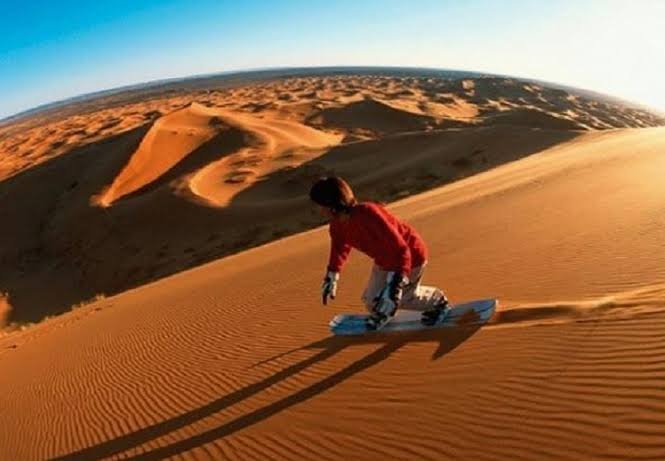
    Sandboarding is the most playful part of what to do in Merzouga. You climb a dune with a wooden board, strap in your feet and slide down on your stomach or standing up. The sand is soft, so falls are harmless, and guides wax the board for speed. Children and adults enjoy it equally, and it needs no skill.

    Plan it for the morning or late afternoon, when the sand is not too hot. Wear a scarf over your mouth and sunglasses, as the sand flies. Each run is short, but the climb back up is real exercise, so bring water. Of everything on this list of what to do in Merzouga, sandboarding is the activity that children remember most.

    5. Race on a Quad Bike or Buggy

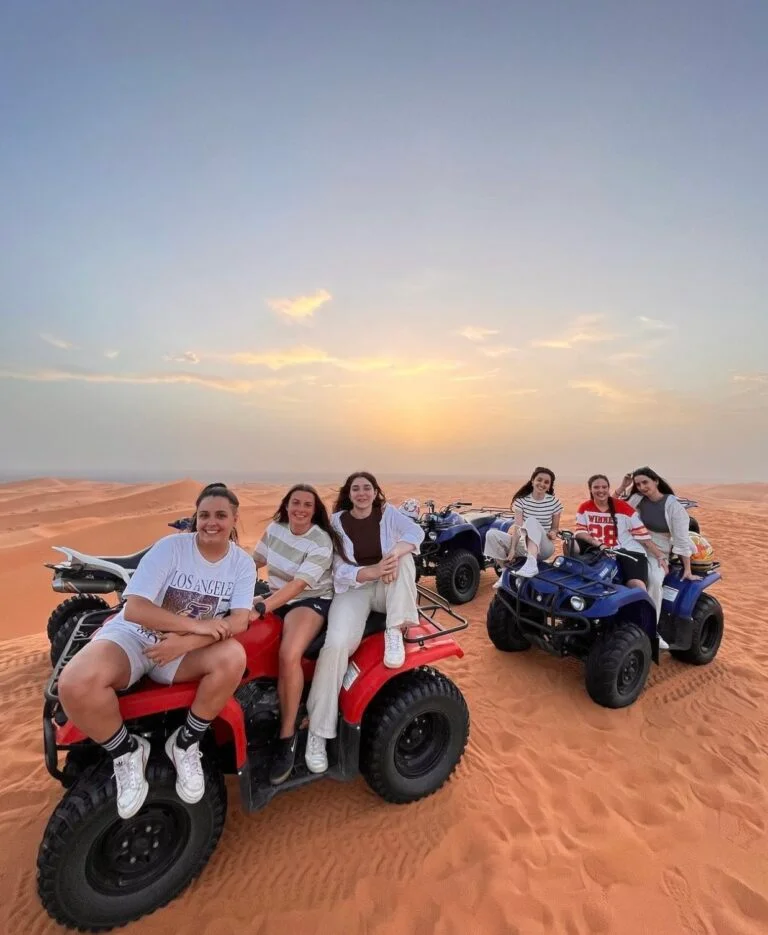
    For travellers who want speed, a quad bike or desert buggy is a very popular answer to what to do in Merzouga. Guides lead a group along tracks between the dunes, stop at viewpoints and let you ride with confidence. A short tour lasts one hour, and longer ones cross the plain to the oasis.

    Quad bikes in the dunes, what to do in Merzouga for adventure
    Quad bikes give a fast and exciting view of the sand sea.

    Engines are loud and leave tracks, so many guests combine one short quad ride with a slow camel trek the next day. Always wear the helmet and scarf provided, and follow your guide on the marked route. Travellers who ask what to do in Merzouga for pure excitement almost always finish on a quad.

    6. Take a 4×4 Desert Tour

    A 4×4 tour is the best choice if you have limited time, or if you cannot ride a camel. In half a day, a driver takes you across the stone plain, to the dunes, to a nomad camp, to Khamlia and to the lake when it holds water. It is a relaxed way to see more, and it suits older travellers and families with small children.

    Ask your driver to stop for photographs, and bring water and a hat. This is one of the most comfortable options for what to do in Merzouga during the hot months, because you stay in the shade of the vehicle between stops.

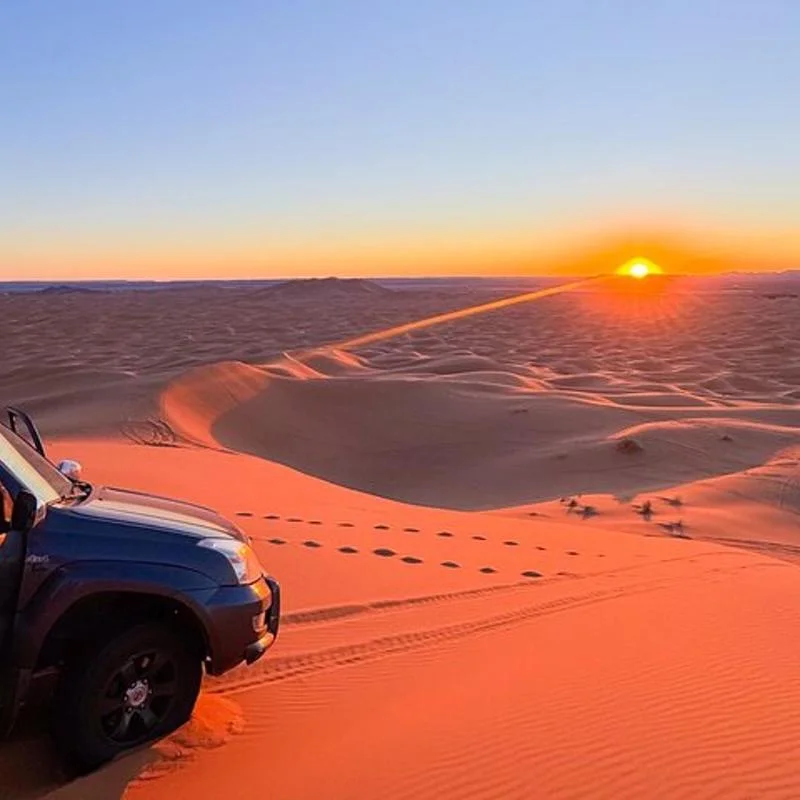
    4x4 tour on the plain, what to do in Merzouga by car
    A 4×4 tour reaches places that are far from the village.

    7. Hear Gnawa Music in Khamlia

    Khamlia is a small village a few kilometres from Merzouga, home to descendants of Sudanese families who brought Gnawa music to Morocco centuries ago. Drums, iron castanets and deep songs create a hypnotic rhythm that is both spiritual and joyful. A short visit to a local band is one of the most human things to do in Merzouga.

    The musicians welcome visitors in their houses, serve tea and often invite guests to try the drums. A small tip is customary, and you should ask before filming. Live music is a lovely answer to what to do in Merzouga in the evening, when the heat has gone.

    8. Have Tea with a Nomad Family

    A few families still live in tents on the plain near the dunes, moving with their goats and camels. Meeting them is a quiet and moving part of what to do in Merzouga. Your guide introduces you, and the family offers tea, bread and sometimes a short demonstration of daily life, such as baking bread in the sand.

    Be polite, accept the tea and ask before you take pictures. Buying a small handmade object is a way to say thank you. Fewer families live this way each year, so the visit is also a window onto a vanishing tradition. This is what to do in Merzouga if you want culture and not only scenery.

    9. Walk the Souk of Rissani

    Rissani is an old market town about 35 minutes from Merzouga, once the capital of the Alaouite dynasty. Its souk is busiest on Sunday, Tuesday and Thursday, and it is a true local market with spices, dates, leather, donkeys and carpets. Add it to your list of what to do in Merzouga if you want to see ordinary Moroccan life.

    Walk slowly, bargain with a smile and try the local specialty called medfouna, a flat bread filled with meat, onion and spices, sometimes called Berber pizza. The nearby ruined ksour and the tomb of Moulay Ali Cherif add history to the visit. History fans will find that what to do in Merzouga also includes the old royal capital of the region.

    10. See Dayet Srji Lake

    After heavy rain, a shallow lake appears near Merzouga, and flamingos, storks and ducks arrive. Dayet Srji is a surprising answer to what to do in Merzouga for bird lovers, because it feels so unlikely in the middle of the Sahara. The lake can be dry for years, so ask your guide or hotel if there is water.

    Even when dry, the white salt flat is a striking place for photographs. Visit in the morning, when the light is soft and the wind is calm.

    11. Discover the Fossils of Erfoud

    The region around Merzouga was a sea 350 million years ago. Near Erfoud, workshops cut and polish black marble with fossil ammonites and orthoceras, and you can see them in tables, sinks and jewellery. A short stop is an unusual part of what to do in Merzouga for curious and family travellers.

    Buy only polished objects from workshops that cut stone locally, and avoid loose fossils taken from protected sites. A small piece makes a lasting souvenir, and it supports a craft that employs many families.

    12. Look at the Stars

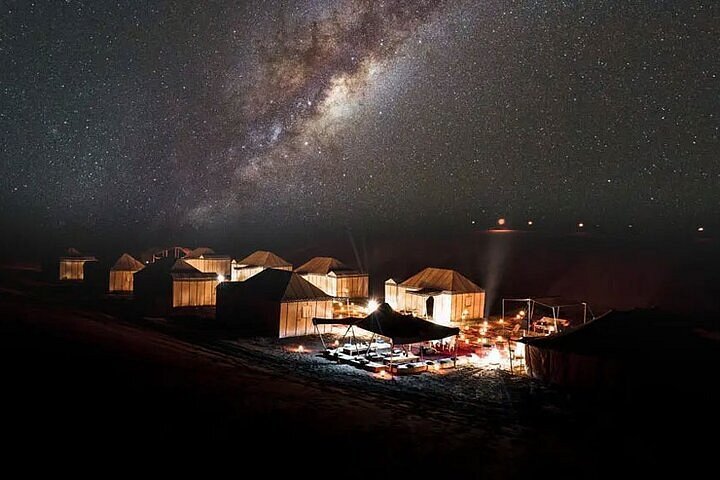
    With no city lights, the Sahara sky is among the clearest in the world. After dinner, walk a few steps from the camp, lie on a blanket and look up. You can see the Milky Way, planets and shooting stars with the naked eye. Stargazing costs nothing, and it is for many guests the best answer to what to do in Merzouga at night.

    For photographs, bring a small tripod and use a long exposure of about 20 seconds. The new moon gives the darkest sky, and the full moon lights the dunes like silver.

    Sand dunes at dusk, what to do in Merzouga at night
    Dusk on the dunes, before the stars appear.

    What to Do in Merzouga in 1, 2 or 3 Days

    The right plan depends on your time. Here is how to organise what to do in Merzouga without rushing.

    Stay Plan
    1 day Arrive by 15:00, sunset camel trek, dinner and drums, one night in camp, sunrise and breakfast
    2 days Day one as above, then sandboarding, a 4×4 tour with Khamlia and a nomad tea, and a second night with stargazing
    3 days Add Rissani, the fossils of Erfoud, the lake and a free afternoon at the pool or the village

    One night is the minimum, but two nights let you relax and see more. If you want a plan with all the details, read the 2 nights in Merzouga desert guide. Our Merzouga activities page lists extra options that can be added to any plan.

    Best Time for What to Do in Merzouga

    The best months are March, April, October and November, when days are warm and nights are mild. From December to February the days are pleasant but nights can be close to freezing, so choose a camp with heavy blankets. May and September are hot but possible. June to August are very hot, and activities move to early morning and late evening.

    Wind matters as much as heat. Spring sandstorms are rare but possible, and your guide will change the plan to keep you safe. Whatever the month, knowing what to do in Merzouga at each hour of the day keeps you out of the midday sun.

    What to Pack for the Desert

    • Clothes: light layers for the day and a warm jacket for the night.
    • Head and face: a scarf, a hat and sunglasses.
    • Shoes: closed shoes for the dunes and sandals for the tent.
    • Small bag: only the essentials for the camp night.
    • Tech: a phone with a dust cover, a power bank and a headlamp.
    • Care: sunscreen, lip balm and wet wipes.
    Tip: leave your large suitcase at the auberge. For most plans of what to do in Merzouga, one small bag is enough.

    Getting to Merzouga

    Merzouga is about eight hours from Fes and nine to ten hours from Marrakech, so most travellers split the journey with a night on the way. A private driver-guide makes the road comfortable and lets you stop at kasbahs, gorges and viewpoints. On the High Atlas route you pass the UNESCO kasbah of Ait Benhaddou, one of the most photographed places in Morocco.

    For a ready route, see our 2 days desert to Merzouga from Fes and the 2 days from Marrakech to Merzouga. For a slower pace, choose the 3 days from Marrakech to Merzouga or the 4 days tour from Fes to Merzouga. You can also browse all Morocco tours.

    Mistakes to Avoid

    The biggest mistake is arriving after dark, because you lose the sunset ride, the heart of what to do in Merzouga. Plan to arrive by 16:00 in winter and 17:00 in summer. Other common errors are wearing sandals on the camel, bringing a large suitcase, forgetting a warm layer in winter and picking a camp only because it is cheap.

    Do not try to do everything in one afternoon. The desert rewards slow travel, and a second night is often the best decision a guest makes. Finally, check the wind and the season before choosing quad bikes or long camel treks. A short list of what to do in Merzouga, chosen in advance, removes most of the stress.

    Berber Hosts and Desert Culture

    Most people in Merzouga are Amazigh, or Berber, and many families have lived near the dunes for generations. Your guides know how to read the wind and find the paths, and they are happy to share stories. Ask questions and listen, because knowledge of culture is part of what to do in Merzouga well.

    Tea is the centre of hospitality. The host pours it from a height to make foam, and it is polite to accept at least three glasses. Dress modestly in villages and ask before photographing people.

    Responsible Travel in the Sahara

    The desert is fragile. Take all litter with you, stay on tracks with vehicles and never buy loose fossils from protected areas. Treat camels kindly, and choose operators who never overload or beat the animals. Camps that use solar power, manage water carefully and employ local staff are the best choice.

    When you book what to do in Merzouga with a local team, your money supports families who live in the region all year, not only in the tourist season.

    Local Tips for Choosing What to Do in Merzouga

    Start with the activity that matters most to you, and add the others around it. If you love photography, give priority to sunrise and sunset, and keep the middle of the day for rest. If you travel with children, choose sandboarding, a short camel ride and a 4×4 tour, and skip the long treks.

    Ask your host to explain what to do in Merzouga on each day, and confirm the time, the meeting point and what is included. Keep the first evening free, because tired guests enjoy the camp more after a good rest. Finally, carry small cash for tips, drinks and the souk, as cards do not work in the dunes.

    Choosing what to do in Merzouga is easier when you remember that the desert is about slowness. One or two great activities each day are better than five rushed ones, and a calm schedule leaves time to watch the light change on the dunes.

    Frequently Asked Questions

    What to do in Merzouga with only one day?

    Arrive by mid-afternoon, ride a camel at sunset, sleep in a camp and watch the sunrise. It is the classic short plan.

    What is the best activity in Merzouga?

    Most guests choose the sunset camel trek followed by a night in camp, because it combines the dunes, the silence and the stars.

    Is Merzouga safe for tourists?

    Yes. Merzouga is a calm village used to visitors. Use licensed local guides, drink enough water and follow the advice of your host.

    Can children do these activities?

    Yes. Children from about six can ride a camel with a handler, and sandboarding and 4×4 tours suit all ages.

    When is the best time for what to do in Merzouga?

    March to May and October to November are the most comfortable months. Winter nights are cold, and summer days are very hot.

    How do I book?

    Send your dates and the number of travellers on WhatsApp at +212 682 832 176 or through our contact page. We reply with a quote made for you.

    Ready to Plan What to Do in Merzouga?

    Tell us your dates, the number of travellers and the activities you like. We will send a clear, personal plan for what to do in Merzouga.

    Request a Free QuoteWhatsApp Us

  • Fes to Middle Atlas Azrou and Ifrane Tour: Best Private Day Trip to the Cedar Forest and Little Switzerland

    Fes to Middle Atlas Azrou and Ifrane Tour: Best Private Day Trip to the Cedar Forest and Little Switzerland

    Private Day Trip · From Fes · Middle Atlas · Updated 2026

    Fes to Middle Atlas Azrou and Ifrane Tour: Best Private Day Trip to the Cedar Forest and Little Switzerland

    Cool mountain air, ancient cedars and wild monkeys, one hour from the medina

    This Fes to Middle Atlas Azrou and Ifrane tour takes you from the busy lanes of Fes into the cool green mountains of the Middle Atlas. In one day you visit the alpine-style town of Ifrane, walk among giant cedar trees where wild monkeys live and explore the Amazigh market town of Azrou.

    A private driver-guide stays with you for the whole Fes to Middle Atlas Azrou and Ifrane tour, a route of about 190 km. The roads are good, the climate is fresh and the pace is slow, so the day suits couples, families and friends who want a break from the heat and the crowds.

    All figures are approximate, and your guide adapts the plan to the season and the weather. For another day from Fes, see our day trip from Fes to Meknes and Volubilis, or for a longer route to the north read the 2 days tour from Fes to Chefchaouen.

    Fes to Middle Atlas Azrou and Ifrane Tour: The Short Answer

    In one line: leave Fes at about 8:30, walk in Ifrane, spend the late morning among the cedar trees and the monkeys, have lunch in Azrou, browse the craft shops and return to Fes by about 17:30.
    Quick answer: this Fes to Middle Atlas Azrou and Ifrane tour covers about 190 km in a private vehicle, with about three hours of driving and six hours at the stops. Message us on WhatsApp for a free quote.
    Time Stop Distance Duration
    8:30 Pick-up in Fes Start Hotel or riad
    9:45 Ifrane town and gardens About 65 km 1 hour 15 minutes
    10:00 Walk in Ifrane Local 1 hour 15 minutes
    11:30 Cedar forest and monkeys About 25 km 1.5 hours
    13:15 Lunch in Azrou About 10 km 1 hour 15 minutes
    14:45 Azrou old town and crafts Local 1 hour
    15:45 Drive back to Fes About 80 km 1 hour 30 minutes
    17:30 Drop-off in Fes End Hotel or riad
    Cedar forest on the Fes to Middle Atlas Azrou and Ifrane tour
    The ancient cedar forest near Azrou.

    Why Choose a Fes to Middle Atlas Azrou and Ifrane Tour?

    Most visitors to Fes stay in the old city and never see the mountains that stand to the south. A Fes to Middle Atlas Azrou and Ifrane tour shows a completely different Morocco: cool forests, stone chalets, lakes and wide meadows where shepherds still graze their flocks.

    It is also an easy day, with fresh air and no heavy walking. In summer the Middle Atlas is several degrees cooler than Fes, and in winter you may even see snow.

    • A cool escape: the mountains are fresh when Fes is hot.
    • Wild monkeys: Barbary macaques live in the cedar forest.
    • Alpine style: Ifrane looks more like a mountain resort than a Moroccan town.
    • No hotel change: you sleep in Fes before and after.

    The Day Hour by Hour

    The secret of a good Fes to Middle Atlas Azrou and Ifrane tour is a morning start. We collect you at about 8:30, so you reach Ifrane in the cool of the morning and walk through its gardens before the day warms up.

    The morning belongs to Ifrane, the middle of the day to the cedar forest and the monkeys, and the afternoon to Azrou and its crafts. Your guide keeps an eye on the time and can shorten or extend a stop, depending on how you feel and on the weather.

    If you travel with children or older relatives, tell us when you book. We then choose easy paths in the forest and add extra rest stops.

    The Road to the Middle Atlas

    You leave Fes on the road south towards Sefrou and Ifrane, across a plain of farms and olive groves. After about 30 minutes the road begins to climb, and the air changes. The fields give way to pine forests, and the villages look more like alpine hamlets.

    Middle Atlas road on the Fes to Middle Atlas Azrou and Ifrane tour
    The Middle Atlas landscape south of Fes.

    The road is paved and well kept on the whole Fes to Middle Atlas Azrou and Ifrane tour, with wide bends and good views. We stop once for a photograph or a coffee. A private vehicle makes these small stops easy, and it is one of the pleasures of a Fes to Middle Atlas Azrou and Ifrane tour.

    Ifrane: Little Switzerland of Morocco

    Ifrane is one of the most unusual towns in Morocco. It was built in the 1930s as a mountain resort, and its steep red roofs, tidy gardens and stone houses look more European than Moroccan. The town is often called the Switzerland of Morocco.

    Middle Atlas mountains on the Fes to Middle Atlas Azrou and Ifrane tour
    The mountains around Ifrane.

    On the Fes to Middle Atlas Azrou and Ifrane tour we walk through the town centre, the park with its fountains and the famous stone lion, a symbol of the town. The air is clean, the streets are quiet and the cafes serve good coffee and pastries. Ifrane is also home to a well-known university, which gives the town a young and lively feel.

    In winter, snow often covers the roofs, and a ski area is open nearby in good years. In spring and autumn the gardens are full of colour, which makes the walk a pleasure for photographers.

    The Cedar Forest and the Monkeys

    The cedar forest is the heart of the Fes to Middle Atlas Azrou and Ifrane tour, and the cedar forests of the Middle Atlas are among the largest in North Africa. Some of the trees are several hundred years old, and their wide branches make a deep shade on the forest floor. The air smells of resin, and the light between the trunks is soft and green.

    The forest is also home to the Barbary macaque, a rare monkey that lives only in the mountains of Morocco and Algeria. The monkeys are used to visitors and often come to the road and the paths, hoping for food.

    Please do not feed them and keep your bags closed, because they can snatch snacks, sunglasses and phones. Your guide explains how to keep a safe distance, and the animals are best enjoyed from a short way off.

    A short walk takes you to a large old cedar that guides call a giant of the forest, with a trunk wider than a car. Many guests say this stop is the highlight of the Fes to Middle Atlas Azrou and Ifrane tour.

    Azrou: The Amazigh Town

    Azrou is a lively market town built around a large rock, and its name comes from the Amazigh word for rock. It is the centre of the Middle Atlas, and farmers from the villages come here to sell their sheep, vegetables, wool and carpets.

    Azrou town on the Fes to Middle Atlas Azrou and Ifrane tour
    Azrou, the Amazigh market town of the Middle Atlas.

    On the Fes to Middle Atlas Azrou and Ifrane tour we stop at a craft cooperative where local artisans make cedar wood carvings, wool carpets and woven blankets. You can watch the work, learn how the patterns are made and buy a few gifts if you like. There is no pressure to buy, and the money goes directly to the families who make the goods.

    The old town has small shops, cafes and a lively daily market. It is a place to see local life, away from the main tourist routes, and many guests enjoy the friendly welcome.

    Lunch in the Mountains

    On the Fes to Middle Atlas Azrou and Ifrane tour, lunch is served in a family restaurant in Azrou, with a view of the hills. You can choose a lamb or chicken tagine, grilled brochettes, a vegetable couscous or a fresh salad, and finish with mint tea. The local trout and cheeses of the region are also worth tasting. Vegetarian dishes are easy to find.

    We eat slowly, because a relaxed lunch is part of the pleasure of the Fes to Middle Atlas Azrou and Ifrane tour. Tell us about any allergy before you travel, and your guide will pass it to the kitchen.

    In the cooler months many restaurants have a fire or a heater, and a hot soup is a welcome start to the meal.

    Amazigh Culture

    The people of the Middle Atlas are largely Amazigh, or Berber, and many families still speak Tamazight at home. Their traditions of farming, sheep herding and weaving go back many centuries, and the carpets of this region are known across Morocco.

    Your guide explains local customs, such as the greeting with the right hand on the heart and the habit of offering tea to guests. If a family invites you for a glass, accept with thanks and take off your shoes at the door. Fes, where you begin and end the day, is a UNESCO listed city.

    The Middle Atlas also has a long tradition of seasonal movement, when shepherds take their flocks up to the high pastures in summer and bring them back in autumn. You may see herds and small stone shelters along the roads.

    Nature and the Seasons

    The Middle Atlas changes with the seasons. Spring brings green meadows and flowers, summer is warm and dry with cool nights, autumn has golden light and winter often brings snow to the higher roads.

    Bird lovers can look for eagles, hoopoes and woodpeckers, and walkers can follow easy forest paths. A small mountain lake lies not far from Ifrane, and your guide can add it to the plan if you like quiet water views.

    Photographers will find soft light in the morning and late afternoon, with misty forest scenes, stone chalets and village lanes.

    A Short History of Ifrane and Azrou

    Ifrane was founded in 1929 by the French protectorate as a cool hill station, and its architecture still shows that origin. Azrou is much older, a market town of the Amazigh tribes that was already an important crossing point on the old trade roads between Fes, Meknes and the south.

    Knowing this makes the Fes to Middle Atlas Azrou and Ifrane tour richer, because the two towns tell two different stories in a single day: one built as a European-style retreat, the other grown naturally around a rock, a spring and a weekly market. Your guide shares these stories along the way.

    The region also has a long royal link. Past rulers used the cedar forests for timber, and the hunting grounds of the plateau were once reserved for the court. Today much of the forest is protected as a national park, which helps keep the macaques and the old trees safe.

    The Fes to Middle Atlas Azrou and Ifrane Tour With Family

    This is one of the best days out for families, because the distances are short, the roads are smooth and children enjoy the monkeys and the open green spaces. The Fes to Middle Atlas Azrou and Ifrane tour needs no early wake-up for a long flight or a hard hike.

    We bring child seats on request, so please tell us the ages of your children when you book. Plan some snacks for the car, a warm jumper for each child and a spare pair of shoes in case the forest floor is wet. We stop whenever young travellers need a break, a toilet or a drink.

    Older travellers also enjoy the day. The walks are flat, benches are easy to find in the Ifrane gardens, and the vehicle can park close to each stop. If you move slowly, we simply shorten the forest path and add more time at the cafe.

    Photography Tips for the Middle Atlas

    The mountains reward patient photographers. Early morning gives soft mist over the cedar trees, and the light in the late afternoon turns the stone of Azrou warm and golden. Bring a zoom lens if you have one, because the monkeys are best photographed from a respectful distance.

    In Ifrane, look for the red roofs against the green hills, the lion statue and the reflections in the park pond. In the forest, use the tall trunks to frame your shots. A good Fes to Middle Atlas Azrou and Ifrane tour leaves time for pictures, and your driver-guide is happy to take photos of the group.

    Please ask before photographing local people, especially in the market, and a smile and a greeting open many doors.

    Private Tour or Group Tour?

    Option Group size Flexibility Best for
    Fes to Middle Atlas Azrou and Ifrane tour, private (this trip) Your own party High Couples, families and friends
    Shared group tour 8 to 16 people Low Solo travellers on a budget
    Self-drive Your own party Medium Confident drivers
    Day trip from Fes to Meknes and Volubilis Your own party High History and ruins

    A private driver-guide costs more than a shared seat, but you choose the pace, the stops and the lunch place, and you never wait for a group. For more ideas, read the Morocco day trips page and browse all Morocco tours.

    Practical Tips for Your Fes to Middle Atlas Azrou and Ifrane Tour

    • Start in the morning: an 8:30 departure gives you the best light.
    • Bring layers: the mountains are cooler than Fes, even in summer.
    • Protect your things: keep bags closed near the monkeys.
    • Carry small cash: for tea, shops and tips.
    • Wear walking shoes: forest paths can be uneven or damp.
    • Tell us about mobility: we choose easier paths when needed.

    An Easy Day, Honestly

    This Fes to Middle Atlas Azrou and Ifrane tour is one of the easiest day trips from Fes, with about three hours of driving in total. The only real effort is the forest walk, and you can stop whenever you like.

    The main drawback is the weather. In winter the road can be wet or snowy, and the forest may be cold, so we check conditions before you travel. If you want a longer day, ask about adding a stop at a lake, or read our 2 weeks in Morocco itinerary.

    Who Is This Day Trip For?

    It suits couples, families with children, friends and nature lovers who are staying in Fes and want a day of fresh air. The Fes to Middle Atlas Azrou and Ifrane tour is best for people who enjoy forests, wildlife and quiet towns.

    It is less suited to travellers who want a big historical site or a desert night. For those, choose another tour from our Morocco day trips list.

    What Is Included and Not Included

    This is what the Fes to Middle Atlas Azrou and Ifrane tour typically covers. We confirm each detail in your personal quote.

    Included

    • Private air-conditioned vehicle with an English-speaking driver-guide.
    • Hotel or riad pick-up and drop-off in Fes.
    • Stops in Ifrane, the cedar forest and Azrou.
    • Fuel, tolls and parking.
    • Bottled water on board.

    Not included

    • Lunch, drinks and snacks.
    • Any local guide fee in the forest, which we can arrange.
    • Shopping, tips and travel insurance.

    Roads and Distances

    Stage Distance Driving time
    Fes to Ifrane About 65 km 1 hour 15 minutes
    Ifrane to the cedar forest About 25 km 35 minutes
    Cedar forest to Azrou About 10 km 15 minutes
    Azrou to Fes About 80 km 1 hour 30 minutes

    The whole Fes to Middle Atlas Azrou and Ifrane tour uses paved roads, with some bends in the mountains. Times and distances are approximate and depend on traffic and the weather, and your guide will confirm the exact route when you book.

    Best Time for a Fes to Middle Atlas Azrou and Ifrane Tour

    For a Fes to Middle Atlas Azrou and Ifrane tour, spring, from March to May, is the best season, because the meadows are green and the temperatures are mild. Autumn, from September to November, is also lovely, with golden light and few crowds.

    Summer is a welcome escape from the heat of Fes, because the mountains are much cooler. In winter you may see snow, but roads can be wet, so bring a warm jacket. The price depends on group size, season and vehicle, so we send a clear quote after you share your date.

    What to Pack

    Pack light for the Fes to Middle Atlas Azrou and Ifrane tour, because you only need a small day bag.

    • Clothes: light layers, a fleece and a rain jacket in winter.
    • Shoes: comfortable walking shoes.
    • Sun care: sunglasses, a hat and sunscreen.
    • Tech: a power bank and a camera.
    • Extras: a water bottle and small cash.
    Tip: bring a warm layer even in summer, because the forest is much cooler than Fes.

    Frequently Asked Questions

    What does the Fes to Middle Atlas Azrou and Ifrane tour include?

    It includes a hotel pick-up, visits to Ifrane, the cedar forest and Azrou, a lunch stop and a return to Fes, with a private vehicle and a driver-guide.
    How far is Ifrane from Fes?

    About 65 km, around one hour and fifteen minutes by road.

    Are the monkeys safe?

    They are wild animals. Keep your distance, do not feed them and keep your bags closed.

    Can we see snow?

    In winter, snow is common around Ifrane and on the higher roads. We check conditions before you travel.

    Is it suitable for children?

    Yes. The walks are short and easy, and children usually love the monkeys.

    How do we book the Fes to Middle Atlas Azrou and Ifrane tour?

    Send your date and the number of travellers on WhatsApp at +212 682 832 176 or through our contact page. We reply with a quote made for you.

    Ready to Plan Your Fes to Middle Atlas Azrou and Ifrane Tour?

    Tell us your date, the number of travellers and your hotel in Fes. We will send a clear, personal quote for your Fes to Middle Atlas Azrou and Ifrane tour.

    Request a Free QuoteWhatsApp Us

  • Aid al-Fitr in Morocco 2027: Dates, Traditions and Travel Tips

    Aid al-Fitr in Morocco 2027: Dates, Traditions and Travel Tips

    Morocco Culture · Holidays · Updated 2026

    Aid al-Fitr in Morocco 2027: Dates, Traditions and Travel Tips

    How the end of Ramadan feels in Morocco, and how to plan a respectful, joyful trip around it

    Aid al-Fitr in Morocco 2027 is expected to fall in the second week of March, right after the holy month of Ramadan. Moroccans call it Aid Seghir, the small feast, and it is one of the warmest days of the year: families gather, children wear new clothes, tables fill with sweets and the whole country slows down to celebrate together.

    This guide explains Aid al-Fitr in Morocco 2027 for travellers. You will find the expected dates, how the moon sighting works, how Moroccans celebrate, what is open and closed, how transport behaves, which cities feel best during the holiday and how to build a trip that respects local life. It is written for visitors who want a meaningful experience, not only a list of sights.

    If you are still choosing your dates, read our travel to Morocco 2027 guide first, then use this page to decide whether to travel before, during or after the holiday.

    Aid al-Fitr in Morocco 2027: The Short Answer

    Quick answer: Aid al-Fitr in Morocco 2027 is expected around 9 or 10 March, after Ramadan starts around 8 February. The holiday lasts about two days, banks and offices close, transport is crowded just before it, and family life takes over. Book early, plan quiet travel days and enjoy the festive mood.
    Question Short answer
    Expected Ramadan start Around 8 February 2027
    Expected Aid al-Fitr Around 9 or 10 March 2027
    Local name Aid Seghir, the small feast
    Length About two public holiday days
    Busiest travel The days before and after the feast
    Weather Mild and green in most regions
    Imperial city gate, a setting for Aid al-Fitr in Morocco 2027
    Imperial cities such as Meknes are peaceful and beautiful during the holiday.

    What Is Aid al-Fitr?

    Aid al-Fitr, often written Eid al-Fitr in English, marks the end of Ramadan, the month in which Muslims fast from dawn to sunset. After 29 or 30 days of fasting, prayer and charity, the feast celebrates the return to normal meals and the strength of community. In Morocco it is called Aid Seghir, while Eid al-Adha is called Aid Kebir, the great feast.

    For visitors, Aid al-Fitr in Morocco 2027 is a chance to see a living tradition. It is not a tourist festival with a stage and a schedule. It is a family celebration, and the best way to experience it is to watch with respect, accept invitations with gratitude and enjoy the quiet, friendly mood in the streets.

    • Meaning: gratitude, forgiveness and generosity after the fast.
    • Mood: calm, warm and centred on the family.
    • Dress: new or best clothes, often a djellaba or caftan.
    • Food: sweets, tea and generous family meals.

    Expected Dates for Aid al-Fitr in Morocco 2027

    Published calendars expect Ramadan 2027 to begin around 8 February and Aid al-Fitr in Morocco 2027 to fall around 9 or 10 March. These are planning dates only. The Islamic calendar follows the moon, so the exact day is confirmed shortly before, and it can differ by one day from other countries.

    Event Expected date What changes for visitors
    Start of Ramadan Around 8 February Quieter days, lively evenings
    Last week of Ramadan Early March Many families travel home
    Aid al-Fitr Around 9 or 10 March Offices closed, family day
    After the feast Mid March Normal life returns

    For a wider view of the year, see our guide to the best month to go to Marrakech, which explains the seasons in detail.

    The Moon Sighting: Why the Date Is Announced Late

    The end of Ramadan depends on the sighting of the new moon. In Morocco, the authorities responsible for religious affairs announce the date on the evening of the 29th day of Ramadan, after observers look for the crescent. If it is seen, the next day is Aid al-Fitr, and if not, Ramadan lasts 30 days.

    This is why a trip that includes Aid al-Fitr in Morocco 2027 needs a little flexibility. Hotels and drivers know the rhythm, and a good local team will adjust the plan on the evening of the announcement. Do not book a rigid plan that depends on one exact day, and keep the first day of the feast light.

    How Moroccans Celebrate Aid al-Fitr

    The celebration begins before the feast. During the last days of Ramadan, families give a small charity called zakat al-fitr to people in need, so that everyone can celebrate. Markets fill with shoppers buying clothes, sweets and gifts, and the streets feel busy and cheerful in the evening.

    On the morning of the feast, men, women and children dress in their best clothes and go to the open-air prayer ground or the mosque for the Aid prayer. After the prayer, people greet each other with warm wishes, visit relatives and neighbours, and share a large family breakfast. Many people say “Aid Mubarak Said”, which means a blessed and happy feast. Visitors can use the same greeting with a smile.

    Historic gate in Rabat, a quiet place for Aid al-Fitr in Morocco 2027
    Rabat, the capital, is calm and graceful during the feast.

    The rest of the day is for family. Children receive small gifts or money, the house is full of guests and tea is served all day. In the evening, many families walk in the streets or in gardens, and some restaurants and cafés reopen to a happy crowd.

    Eid prayer at the Hassan II Mosque during Aid al-Fitr in Morocco 2027
    The Eid prayer gathers thousands in front of the great mosques.
    Family in djellabas walking to prayer on Aid al-Fitr in Morocco 2027
    Families walk to the prayer ground in their best djellabas.

    Food and Sweets During Aid al-Fitr

    Food is central to the feast. After a month of fasting, the first daytime meal is a joyful moment. Tables carry mint tea, almond and sesame pastries, dates, fresh bread, eggs and olive oil, and many homes offer cakes made in the last days of Ramadan.

    Treat What it is
    Ghriba Soft almond or coconut biscuits
    Sellou Toasted flour, almond and sesame mix with honey
    Chebakia Fried sesame pastry in honey syrup
    Mint tea The drink of every welcome
    Dates and milk The classic way to open the day
    Mint tea, dates and Moroccan sweets for Aid al-Fitr in Morocco 2027
    Mint tea, dates and almond sweets fill the table on the feast day.

    If you are invited to a Moroccan home during Aid al-Fitr in Morocco 2027, accept a little of everything, praise the cook and bring a small gift such as pastries or fruit. Tea is served several times, and it is polite to accept at least a glass.

    What Is Open and What Is Closed

    Planning is easier when you know the rhythm of the holiday. Banks, government offices and many small shops close for the main days of the feast. Large hotels, riads, major tourist sites and many restaurants stay open, but family-run places can close for one or two days, and some medina shops open late.

    The first day is the quietest, with empty streets in the morning and a lively mood in the evening. By the second day, more shops and cafés reopen. If you need cash, withdraw it before the holiday, because some bank machines can run low in busy periods.

    • Closed or limited: banks, offices, many small shops and local workshops.
    • Usually open: hotels, riads, big restaurants, airports and main attractions.
    • Plan ahead: cash, lunch bookings and guided visits.
    Tip: ask your riad to recommend an open restaurant for the first day of the feast, and reserve a table. Locals also eat out in the evening, so good places fill quickly.
    Marrakech souks during Aid al-Fitr in Morocco 2027
    Souks open late and close early on the days of the feast.

    Transport and Roads Around Aid al-Fitr

    Transport is the part of Aid al-Fitr in Morocco 2027 that needs the most care. Many Moroccans work in a big city and return to their home town for the feast, so buses, trains and shared taxis are crowded in the last days of Ramadan and again right after the holiday. Roads between Casablanca, Marrakech, Fes and Tangier are busy, and tickets for trains and buses can sell out.

    A private car with a driver-guide avoids most stress, but you should still expect heavier traffic and plan extra time. Do not schedule a long drive on the evening before the feast or on the day of return, and book your flights and rail seats early. For route times, read our guide on how many days in Morocco is enough.

    Period Travel mood
    Last days of Ramadan Very busy, family journeys
    Day of the feast Quiet roads, closed offices
    Day after Calm, shops reopening
    Return weekend Heavy traffic back to cities

    Best Cities to Visit During the Feast

    Every city feels different. Marrakech stays lively for visitors, and its main square comes alive in the evening. Fes is quieter, traditional and beautiful, with local families walking in the old streets. The UNESCO medina of Fes is a good choice if you prefer a calm and cultural mood.

    Chefchaouen is small and friendly, with families strolling along the blue lanes, and the north is green in March. Rabat and Meknes are peaceful, with fewer tourists and open gardens. Essaouira and Agadir are good for fresh sea air if you want a day by the ocean.

    Blue lanes of Chefchaouen during Aid al-Fitr in Morocco 2027
    The blue lanes of Chefchaouen are calm and friendly in spring.

    For Marrakech ideas, see our Marrakech travel itineraries, and for the blue city, read the Chefchaouen blue city guide. If you enjoy souks, our shopping in Marrakech guide explains how to bargain, but expect some workshops to be closed on the feast days.
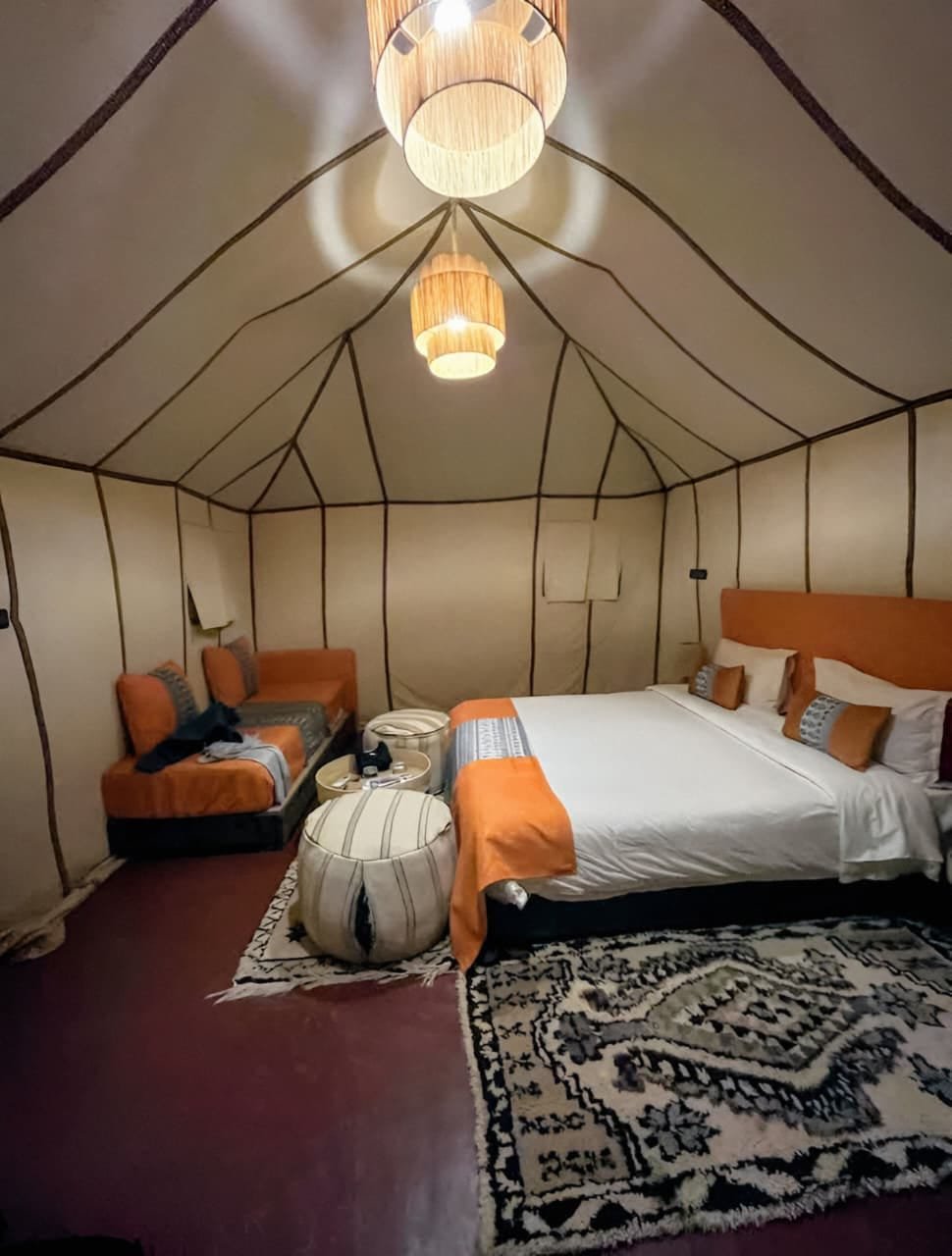
    The Sahara Around Aid al-Fitr

    March is one of the best months for the desert, with warm days and mild nights, so many guests plan a Sahara night as part of Aid al-Fitr in Morocco 2027. Camps usually stay open for visitors, and the local families in Merzouga celebrate with their own traditions, drums and tea. A night in the dunes is a quiet, beautiful way to mark the end of a busy week.

    Book the camp early, because the days around the holiday attract Moroccan families as well as foreign guests. Read about Erg Chebbi and see the 3 days from Marrakech to Merzouga tour for a ready route.

    Agadir coast, a relaxing stop during Aid al-Fitr in Morocco 2027
    The Atlantic coast is a gentle option for a rest day.
    Essaouira port, a peaceful seaside stop for the Aid al-Fitr holiday
    Essaouira is breezy and relaxed in March.

    Being a Good Guest During the Feast

    Respect is the key to enjoying Aid al-Fitr in Morocco 2027. Dress modestly, greet people with a smile and say “Aid Mubarak Said” to hosts, drivers and staff. Do not photograph families or prayer areas without permission, and keep your voice calm near mosques and during the morning prayer.

    Tipping is part of the spirit of the feast, so a small extra tip for your driver, guide and riad staff is warmly appreciated. If you receive an invitation to a home, it is an honour: remove your shoes, accept tea and sweets and thank the family. Avoid asking personal questions about religion, and let your hosts lead the conversation.

    Friends in colourful djellabas in Essaouira on the Aid al-Fitr holiday
    Moroccans dress in their finest djellabas to visit family and friends.

    Sample Plans Around Aid al-Fitr in Morocco 2027

    You can plan a trip before, during or after the feast. Here are three simple options that work well for most travellers.

    Plan Idea
    Before the feast Travel in late February, enjoy calm cities and lively evenings during Ramadan
    During the feast Stay two or three nights in one city, visit gardens, share a family meal and avoid long drives
    After the feast Start in mid March, when everything reopens and the weather is lovely

    If you want a longer route, our 2 weeks in Morocco itinerary and the page on Morocco itineraries show how to combine cities, mountains and desert, and we can shift the order to fit the holiday.

    Weather in March

    March is mild and green in most of Morocco, and the weather is a gift for Aid al-Fitr in Morocco 2027. Days are warm in Marrakech and the south, spring flowers cover the hills, and the Atlas peaks can still carry snow. Nights are cool, and the desert can be cold after sunset, so bring a warm layer. Rain is possible in the north and in the mountains, so a light waterproof jacket is wise.

    Booking Early for the Holiday

    Hotels, riads, flights and drivers fill up faster around Aid al-Fitr in Morocco 2027 because many Moroccan families also travel at this time. Aim to book four to six months ahead if you want a specific riad or desert camp, and ask for flexible conditions in case the date moves by one day.

    We can hold your dates, plan quiet days around the feast and suggest the best places for each moment. Browse all Morocco tours to see ready routes, and read our general Morocco travel guide for the basics.

    What to Pack

    • Modest clothes: shoulders and knees covered, with a scarf for visiting religious areas from outside.
    • Layers: a light jacket for evenings and the desert.
    • Comfort: walking shoes and a small day bag.
    • Small gift: pastries, fruit or a small souvenir from your country for hosts.
    • Cash: small notes for tips, taxis and small shops.

    Mistakes to Avoid

    The most common mistake is to ignore the holiday and plan a long drive on the busiest days. Another is to rely on a train or bus ticket bought at the last minute. A third is to expect every shop and workshop to be open, when many small businesses close for family time.

    Also avoid eating or drinking in public before the feast, because Ramadan is still in effect, and do not assume that the date is fixed until it is announced. Keep your plan flexible, speak kindly and enjoy the slower rhythm. For general safety information, read is Morocco safe to travel.

    Travelling With Family During the Feast

    Aid al-Fitr in Morocco 2027 is a lovely time for families, because children are welcome everywhere and the mood is gentle. Many riads prepare small sweets for young guests, gardens are full of local families, and a slow walk in the evening is a pleasure for all ages. Keep days short, leave time for rest and avoid long drives with small children on the busiest travel days.

    If you travel with teenagers, explain the meaning of the holiday before you arrive. Understanding why Aid al-Fitr in Morocco 2027 matters to local people turns a normal trip into a memory. A short story about Ramadan, the fast and the feast helps everyone greet people with warmth and join the day with respect.

    Photography, Gifts and Small Gestures

    Photography is welcome in public places, but ask before you photograph people, especially women, children and families in festive clothes. During Aid al-Fitr in Morocco 2027, many people are happy to pose after a friendly greeting, and a smile opens most doors. Avoid drones near mosques and prayer grounds.

    Small gifts are a lovely gesture. Pastries, fruit or sweets from your own country are enough for a host, and a small tip for your driver or guide shows gratitude. Children often receive small coins or sweets, and a visitor can join this spirit with a modest present. Keep it simple, give it kindly and never press anyone to accept.

    Why Aid al-Fitr in Morocco 2027 Is Worth Planning Around

    Some travellers avoid holidays, but Aid al-Fitr in Morocco 2027 rewards those who plan well. The cities are calm, the weather is mild, the light is soft and the people are relaxed and generous. You see Morocco as Moroccans live it, not only as a tourist route.

    A good plan has three parts: book your hotels and desert camp early, keep your first holiday day light, and follow the local rhythm. With these three habits, Aid al-Fitr in Morocco 2027 becomes one of the most memorable times to visit. Pair it with a few days in the mountains or the Sahara, and read travel to Morocco 2027 for the full year plan.

    Many guests ask us whether it is better to arrive before or after the feast. Both work. Before the feast, you enjoy the special evening mood of Ramadan. After it, shops, cafés and tours return to full speed. Either way, tell us early, because Aid al-Fitr in Morocco 2027 shifts with the moon and a flexible plan avoids stress.

    Finally, remember that the holiday is about people. A greeting, a shared glass of tea and a patient smile matter more than any sight on your list. Travellers who arrive with this attitude are welcomed warmly, and the memory of Aid al-Fitr in Morocco 2027 often lasts longer than the photos.

    A last practical note for readers who like a clear checklist. Before you confirm Aid al-Fitr in Morocco 2027 in your calendar, check three things: the moon announcement, your transport tickets and your hotel conditions. After that, Aid al-Fitr in Morocco 2027 is simply a matter of packing light, dressing modestly and arriving with an open heart.

    Guides and drivers also tell us that guests who ask questions about Aid al-Fitr in Morocco 2027 receive the warmest welcome. Ask about the prayer, the sweets, the clothes and the family visits, and people will gladly explain. This curiosity, shown with respect, is what turns Aid al-Fitr in Morocco 2027 into a real cultural exchange, and it is why so many visitors return for another season.

    If you are comparing several months, remember that Aid al-Fitr in Morocco 2027 falls in early spring, when the countryside is green and the Atlas is still white. That timing makes Aid al-Fitr in Morocco 2027 one of the most photogenic moments of the year for a calm, authentic trip.

    Frequently Asked Questions

    When is Aid al-Fitr in Morocco 2027?

    It is expected around 9 or 10 March 2027, after Ramadan starts around 8 February. The exact date depends on the moon sighting.

    How many days is the holiday?

    Aid al-Fitr is usually celebrated for two public holiday days in Morocco, with family visits continuing for several days.

    Is it a good time to visit Morocco?

    Yes. The weather is mild and the mood is warm, but plan carefully for crowded transport and closed offices.

    Are tourist sites open during Aid al-Fitr?

    Most major sites, hotels and riads stay open, though some small shops and family-run places close for a day or two.

    What should I say to my hosts?

    You can say “Aid Mubarak Said”, which means a blessed and happy feast. It is always appreciated.

    How do I plan a trip around Aid al-Fitr in Morocco 2027?

    Send your dates and the number of travellers on WhatsApp at +212 682 832 176 or through our contact page. We reply with a private plan.

    Planning Aid al-Fitr in Morocco 2027?

    Tell us your dates, your interests and your pace. We will build a calm, respectful plan around Aid al-Fitr in Morocco 2027, with a driver-guide, riads and a night in the Sahara.

    Request a Free QuoteWhatsApp Us

  • Travel to Morocco 2027: Best Months, Planning Guide and Routes

    Travel to Morocco 2027: Best Months, Planning Guide and Routes

    Morocco Trip Planning · 2027 Guide · Updated 2026

    Travel to Morocco 2027: Best Months, Planning Guide and Routes

    Plan early, choose your season and enjoy a calm, well-built trip next year

    If you want to travel to Morocco 2027, the best moment to start planning is now. Good riads, desert camps and drivers fill up months ahead, especially in spring and autumn, and the calendar for next year has a few important dates, such as Ramadan, that change the feel of a trip.

    This guide explains how to travel to Morocco 2027 with a clear plan. You will find the month-by-month calendar, the expected dates of Ramadan and the Eid holidays, the best routes for 5, 7, 10 and 14 days, what to book early, how to organise the road, and a checklist you can use today. It is written for first-time visitors and for returning travellers who want a new region.

    If you want a wider introduction first, read our Morocco travel guide, then come back here to fix your dates.

    Travel to Morocco 2027: The Short Answer

    Quick answer: to travel to Morocco 2027 at the best time, choose March to May or September to November, avoid the first weeks of Ramadan if you want busy evenings in the cities, book riads and camps four to six months ahead and plan seven to ten days for a first visit. Check entry rules with your government before you pay for anything.
    Question Short answer
    Best months March to May and September to November
    Expected Ramadan Around 8 February to 9 March 2027
    Book ahead Four to six months for spring and autumn
    Ideal length 7 to 10 days
    Best base Marrakech and Fes
    Best extra One or two nights in the Sahara
    Old medina of Fes, a highlight when you travel to Morocco 2027
    The Fes medina is a highlight of any year, and it is calm in the early morning.

    Why Plan Early to Travel to Morocco 2027

    Many visitors wait until a few weeks before the flight, and then find that the best riad or camp is full. Morocco is a small tourism market with a limited number of excellent places, and demand is strong in March, April, October and November. If you decide to travel to Morocco 2027 in spring, booking in November or December gives you the choice.

    Early planning to travel to Morocco 2027 also gives better flights, calmer decisions and time to read. You can choose the length of the trip, compare routes and ask questions without pressure. A good local team can hold your dates, adjust the route and prepare the trip so that you only need to pack.

    • Choice: the best riads and camps are still available.
    • Flexibility: you can change dates if your plans change.
    • Calm: you can read, compare and decide slowly.
    • Comfort: a driver-guide and a route made for you.

    Month-by-Month Calendar to Travel to Morocco 2027

    The table below shows what to expect in each month. It is a guide for general planning, and conditions can vary from year to year.

    Month Weather Good for
    January Cool, snow in the Atlas Quiet cities, skiing, coast
    February Cool, sunny days Almond blossom, Marrakech
    March Mild and green All regions, desert
    April Warm, long days Everything, best light
    May Warm to hot Mountains, north, coast
    June Hot inland Coast, Atlas villages
    July and August Very hot inland Essaouira, Rif, high Atlas
    September Hot, easing Coast, early desert
    October Warm and stable All regions, desert
    November Mild, cool nights Cities, desert, Atlas
    December Cool, cold desert nights City breaks, coast

    For deeper advice on one city, read our guide to the best month to go to Marrakech.

    Ramadan and Eid Dates to Expect in 2027

    Ramadan is the most important date to know when you travel to Morocco 2027. According to the expected calendars published by news sources, Ramadan 2027 is likely to start around 8 February and end around 9 March, with Eid al-Fitr expected around 9 or 10 March. Eid al-Adha is expected in mid-May. The exact days depend on the sighting of the moon, so treat these as planning dates for your plan to travel to Morocco 2027 and confirm closer to the time.

    What does this mean for a visitor? During Ramadan, many people fast from sunrise to sunset. Cities are quieter in the day, some restaurants close or serve discreetly, and the atmosphere changes after sunset, when families gather for the evening meal. Some guests love this special mood, and others prefer a normal rhythm. If you want maximum choice of restaurants and shops, avoid the first weeks of Ramadan and the days around Eid, when transport and hotels can be full with local travellers.

    Tip: if you travel during Ramadan, be discreet when eating and drinking in public in the daytime, dress modestly and plan sightseeing in the morning. Evenings are lively, and many people enjoy sharing iftar.

    Spring 2027: March to May

    Spring is the favourite season for guests who travel to Morocco 2027 for the first time, and many of them return for a second trip. The mountains are green, the days are warm and the desert nights are mild. April is often the best month, with long daylight and soft light for photographs. May starts to be hot in the south, so plan the desert early in the month or stay in the mountains and on the coast.

    If your dates overlap with the end of Ramadan in March, expect a festive atmosphere around Eid, followed by busy domestic travel. Book early for this week, and keep a flexible plan for roads and trains.

    Blue streets of Chefchaouen in spring when you travel to Morocco 2027
    Spring brings flowers and cool air to the blue city.

    Summer 2027: June to August

    Summer is hot inland, with temperatures above 40 degrees in Marrakech and the south, so plan carefully if you travel to Morocco 2027 in July or August. It is still possible to travel to Morocco 2027 in summer if you choose the right places. The Atlantic coast, Essaouira, the Rif mountains and the High Atlas villages stay pleasant, and many local families go to the sea.

    If you must visit the desert in summer, plan early mornings and late evenings, drink a lot of water and stay in a camp with air conditioning. The sunrise and the stars are still wonderful, but the midday hours are for rest.

    Autumn 2027: September to November

    Autumn is the second great season. After the heat of summer, the air becomes gentle, the days are golden and the desert is comfortable again from October. This is a very popular time to travel to Morocco 2027, so book the Sahara and the best riads early. November is excellent for cities, the Atlas and the dunes, with cool nights and clear skies.

    Markets are full of fresh dates, figs and pomegranates, and the light is perfect for photographs. If you can choose, October is a safe and beautiful month for almost any route to travel to Morocco 2027.

    Camels in the Agafay desert near Marrakech when you travel to Morocco 2027
    Autumn light on the stone desert of Agafay near Marrakech.

    Winter 2027: December to February

    Winter is quieter and cooler. Marrakech and the coast are pleasant by day, the High Atlas can be snowy and the desert has bright days and cold nights. If you travel to Morocco 2027 in January or February, pack warm layers and choose a camp with heavy blankets or a heater.

    Winter is also the best time for good deals on riads and for quiet visits to the main sights. Agadir and the south-west coast are mild, which makes winter a smart choice to travel to Morocco 2027 with fewer crowds, and the almond trees start to bloom in February in some valleys of the Atlas.

    Best Routes to Travel to Morocco 2027

    A route should match your time, your interests and your energy. Here are four proven plans for guests who travel to Morocco 2027 and want a clear structure.

    Length Route Style
    5 days Marrakech, Ait Benhaddou, Sahara, back Fast, highlights
    7 days Marrakech, Atlas, Merzouga, Fes Classic first trip
    10 days Casablanca, Fes, Chefchaouen, Sahara, Marrakech Balanced
    14 days North, imperial cities, desert, coast Relaxed and complete

    For full plans, see our Morocco itineraries and the 2 weeks in Morocco itinerary. If you are not sure about the length, how many days in Morocco is enough gives a simple rule to decide.

    Marrakech is the best base for the first days. Our Marrakech travel itineraries and the Marrakech tourism guide show how to organise two to four days in the red city, and the UNESCO-listed medina deserves a full day.

    The Sahara in 2027

    For many people who travel to Morocco 2027, the Sahara is the main reason to come. The big dunes near Merzouga are the most famous, and the dunes of Zagora are closer to Marrakech. The best months for the desert are March, April, October and November, and the experience is similar every year: a camel ride at sunset, dinner and music in a camp, and a sunrise on the sand.

    Plan at least two days for the Sahara, because the roads are long, and give it priority when you travel to Morocco 2027 in a short trip. Read our guides to Erg Chebbi and what to do in Merzouga, and see the 3 days from Marrakech to Merzouga tour for a ready route.

    Sunrise over the Sahara dunes when you travel to Morocco 2027
    A desert sunrise is the best reward of an early morning.

    What to Book Early

    When you travel to Morocco 2027, not everything needs an early booking, but a few things do. The desert camp is the first, because the best ones have a small number of tents. Riads in Marrakech and Fes are the second, especially small family-run places in the old medina. Flights are the third, and a private driver-guide for the dates you want is the fourth.

    • Four to six months ahead: desert camps, riads and flights for spring and autumn.
    • Two to three months ahead: driver-guide, day trips and special dinners.
    • Last weeks: cooking class, hammam and small activities.

    We hold your dates, suggest the best choices and prepare a clear plan. You can browse all Morocco tours and adjust any route.

    Entry Rules and Documents

    Entry rules for those who travel to Morocco 2027 depend on nationality, and they can change, so check the official website of your government and of the Moroccan authorities before you book. Make sure that your passport is valid for the period required, and keep digital copies of your passport, insurance and bookings. Some airlines ask for proof of onward travel.

    Travel insurance with medical cover is strongly recommended, and it should include the activities you plan, such as the desert and quad bikes. For safety information, read is Morocco safe to travel, which answers the common questions in a calm and honest way.

    Money, Phone and Connectivity

    The currency is the Moroccan dirham, and you can withdraw cash from bank machines in cities. Cards work in hotels and larger shops, but small cash is useful in markets, taxis and villages. A local SIM or an eSIM gives cheap data, and wifi is common in riads and cafés. Download offline maps for the mountains and the desert.

    Before you leave, tell your bank about your dates, and keep one spare card in a different bag. A small money belt or a zipped pocket is enough for crowded markets.

    What to Pack

    • Layers: light clothes for the day and a jacket for the mountains and desert.
    • Modest clothes: shoulders and knees covered in cities and villages.
    • Shoes: comfortable shoes for cobbled streets and closed shoes for dunes.
    • Sun care: hat, sunglasses and sunscreen.
    • Tech: a plug adapter, a power bank and offline maps.
    • Small extras: wet wipes, a scarf and a reusable bottle.
    Tip: pack light. If you travel to Morocco 2027 in spring or autumn, one medium bag and a small day pack are enough, and you can leave the rest at your riad before the desert.

    Families, Couples and Groups

    The plan changes with the group. Families should choose shorter driving days, a pool in the riad and an early Sahara night with a short camel ride. Couples often prefer a luxury tent, a private dinner and a slow day on the coast. Groups of friends can share a vehicle and save time, and solo travellers can join small tours or choose a private driver for flexibility.

    No matter who you are, the best way to travel to Morocco 2027 is to choose a pace that you enjoy. Two nights in each main base are better than one night in many places, and one free afternoon is worth more than another monument.

    Mistakes to Avoid

    The most common mistake is to wait too long to book, and then to accept a camp or a riad that is not the first choice. The second is to ignore Ramadan and Eid dates, and then be surprised by changed opening hours. The third is to plan too many places and spend each day in a car.

    • Do not plan long drives on arrival and departure days.
    • Do not forget a warm layer for the desert and the Atlas when you travel to Morocco 2027 in winter.
    • Do not accept unrequested guides in the medina who later ask for money.
    • Do not compare prices without comparing what is included.

    Time, Pace and Comfort When You Travel to Morocco 2027

    Many travellers who plan to travel to Morocco 2027 ask how fast the trip should be. The answer is simple: choose a pace that lets you enjoy each place. A day with one main visit, a long lunch and a free evening is better than a day with five stops. The roads are long, the sun is strong and the medinas are tiring, so rest is part of the plan.

    Comfort matters too. A private car with a driver-guide removes the stress of parking, tickets and directions, and a good riad gives you a quiet courtyard after a busy day. If you want to travel to Morocco 2027 with children or older parents, tell us in advance, and we will shorten the drives, add a rest day and choose rooms with easy access.

    Finally, keep one day in reserve. Weather, a late flight or a mountain road can change the schedule, and a spare day makes the whole trip calmer. Guests who travel to Morocco 2027 with this buffer almost always say that it was the best advice they received.

    Your Planning Checklist to Travel to Morocco 2027

    Use this short list to move from idea to booking. First, choose your month and check Ramadan and Eid dates. Second, decide the length, using seven to ten days as a base. Third, choose two or three regions and one night or two in the Sahara. Fourth, ask for a plan with a driver-guide, riads and a camp. Fifth, check entry rules, insurance and flights. Finally, book the key nights and keep a free afternoon in each city.

    If you follow these steps, your plan to travel to Morocco 2027 will be calm, rich and easy, and you will arrive with a clear idea of every day.

    Frequently Asked Questions

    When is the best time to travel to Morocco 2027?

    March to May and September to November are the best months, with warm days and comfortable nights in most regions.

    When is Ramadan in 2027?

    Ramadan 2027 is expected to start around 8 February and end around 9 March, but the exact dates depend on the moon sighting.

    How far ahead should I book to travel to Morocco 2027?

    Four to six months ahead is ideal for spring and autumn, especially for desert camps and riads.

    How many days do I need?

    Seven to ten days is ideal for a first visit, and five days is a good minimum.

    Is it safe to travel to Morocco 2027?

    Most visitors have a safe and happy trip. Use common sense, dress modestly and use licensed local guides.

    How do I book?

    Send your dates and the number of travellers on WhatsApp at +212 682 832 176 or through our contact page. We reply with a private plan.

    Ready to Travel to Morocco 2027?

    Tell us your dates, your interests and your pace. We will hold your dates and build a clear private plan for your trip to Morocco in 2027.

    Request a Free QuoteWhatsApp Us

  • Morocco Travel: The Complete 2026 Guide to Plan Your Trip

    Morocco Travel: The Complete 2026 Guide to Plan Your Trip

    Morocco Trip Planning · Travel Guide · Updated 2026

    Morocco Travel: The Complete 2026 Guide to Plan Your Trip

    Imperial cities, blue streets, Atlas mountains, Atlantic coast and the Sahara in one clear plan

    Morocco travel is easier, richer and more varied than most people expect. In one country you can walk through a thousand-year-old medina in the morning, cross the High Atlas by afternoon and sleep in a Sahara camp at night. The roads are good, the hosts are warm and the food is among the best in Africa and the Mediterranean world.

    This guide covers Morocco travel from start to finish: the best time to go, the main regions, how long to stay, how to move around, where to sleep, what to eat, how to behave, how to stay safe and what to pack. It is written for first-time visitors who want honest, practical advice and a plan they can trust.

    If you want to go straight to routes, our Morocco itineraries and all Morocco tours pages show ready plans, and every one can be changed to match your dates.

    Morocco Travel: The Short Answer

    Quick answer: for first-time Morocco travel, plan 7 to 10 days, go in spring or autumn, base yourself in Marrakech and Fes, add one night in the Sahara and use a private driver-guide for the long roads. Dress modestly, carry some cash, bargain with a smile and leave time for slow mint-tea afternoons.
    Question Short answer
    Best months March to May and September to November
    Ideal length 7 to 10 days for a first visit
    Must-see cities Marrakech, Fes and Chefchaouen
    Must-do experience A night in the Sahara
    Best way to travel Private car with a driver-guide
    Main currency Moroccan dirham
    Morocco travel to Chefchaouen, the blue city of the Rif mountains
    The blue streets of Chefchaouen are a favourite stop on a trip to the north.

    Why Choose Morocco Travel?

    Morocco travel gives you variety that few countries can match. The distance between a snowy Atlas peak and a hot desert dune is only a few hours, and the contrast between a calm Atlantic beach and a noisy medina market is one day apart. It is close to Europe, with short flights, and it feels like a different world.

    It is also a place where culture is alive. Craftsmen still hammer copper, weave carpets and tan leather in the old way, and families still gather at sunset for tea. For many guests, Morocco travel means more than sightseeing: it is a chance to meet people, taste real food and slow down.

    • Variety: cities, mountains, coast and desert in one trip.
    • Access: direct flights from many European cities.
    • Culture: Arab, Amazigh, Andalusian and African influences.
    • Value: private guides and comfortable riads at fair local rates.

    Best Time for Morocco Travel

    The best seasons for Morocco travel are spring and autumn. From March to May, the weather is warm, the mountains are green and the desert nights are mild. From September to November, the heat of summer fades, and the light is soft. These are also the most popular months, so book early.

    Season What to expect
    Spring Warm days, flowers, ideal for all regions
    Summer Very hot inland, pleasant on the coast
    Autumn Stable weather and golden light
    Winter Cool cities, snow in the Atlas, cold desert nights

    Summer is possible if you stay on the coast or in the mountains, and winter is lovely for city breaks and for skiing in the Atlas. For city-specific advice, read our guide to the best month to go to Marrakech. Keep in mind that Ramadan changes opening hours and the rhythm of the day, but it can also be a very special time to visit.

    The Main Regions of Morocco

    Good Morocco travel starts with a clear map in your head. The country can be divided into five areas, and most trips combine three of them. Each region has its own food, climate and character, so choose by interest and not only by distance.

    Region Highlights Feel
    Imperial cities Marrakech, Fes, Meknes, Rabat History and markets
    North Chefchaouen, Tangier, Tetouan Blue streets, sea and hills
    Atlantic coast Casablanca, Essaouira, Agadir Fresh air and fish
    Atlas mountains Imlil, Ait Benhaddou, Dades Kasbahs and trekking
    Sahara Merzouga, Zagora, Ouarzazate Dunes and silence

    Imperial Cities: Marrakech, Fes and More

    Marrakech is the starting point of most Morocco travel plans. Its main square, Jemaa el-Fna, comes alive at sunset with storytellers, musicians and food stalls, and the souks behind it are a maze of spices, lamps and leather. Read our Marrakech tourism guide, our Marrakech travel itineraries and our shopping in Marrakech guide before you arrive.

    Fes is older, quieter and more traditional. Its medina is one of the largest car-free urban areas in the world, and a local guide is the best way to understand it. Meknes and Rabat are calmer and easy to add if you have more days.

    Old medina of Fes during Morocco travel in the imperial cities
    The rooftops of the Fes medina stretch to the horizon.

    The Blue City and the North

    Chefchaouen is the most photographed town in northern Morocco, with blue and white lanes on a mountain slope. It is small, calm and cool in summer, which makes it a perfect rest between two big cities. Our Chefchaouen blue city guide explains the best streets, the viewpoints and the day trips.

    Tangier, on the Strait of Gibraltar, has a long history as a meeting place of Europe and Africa, with a lively old town, a modern port and a famous café culture. Together with Chefchaouen and Tetouan, it makes a quiet, green northern loop that suits Morocco travel in spring or early summer.

    Tangier on the Strait of Gibraltar, part of Morocco travel in the north
    Tangier looks across the strait to Spain.

    The Atlantic Coast

    The coast gives a different rhythm to Morocco travel. Casablanca is the modern, busy city, with the grand Hassan II Mosque as its icon, and our what to see and do in Casablanca guide shows how to enjoy it in a day. Essaouira is a smaller walled port with fresh fish, blue boats, strong sea wind and a relaxed artistic spirit. Its medina is on the UNESCO World Heritage list.

    Agadir and the beaches around it are best for sun and surf, especially in winter, when the rest of the country is cool. If you add the coast to a Morocco travel plan, give it at least two nights to rest.

    Casablanca coast, a stop for Morocco travel on the Atlantic
    Casablanca is the economic capital and a common arrival city.

    The Atlas Mountains and Kasbahs

    The High Atlas rises behind Marrakech, with villages, valleys and snowy peaks, and it is the setting for some of the best Morocco travel days. Ait Benhaddou, a fortified earthen village near Ouarzazate, is one of the most beautiful sites in the country, and the road to the south passes gorges, palm groves and film studios.

    If you only have one day, choose a day trip to the Ourika valley or to Ait Benhaddou, and read our list of Morocco day trips. For hikers, the Imlil area offers easy walks and strong views.

    Dades Valley rock formations in the High Atlas, a highlight of Morocco travel
    The Dades Valley lies on the road between the Atlas and the Sahara.

    The Sahara Desert

    For many guests, the Sahara is the heart of Morocco travel. The big dunes of Erg Chebbi near Merzouga are the most famous, and the dunes near Zagora are closer to Marrakech. A classic visit includes a camel ride at sunset, dinner and music in a camp, and a sunrise on the sand.

    Plan at least two days for the desert, because the roads are long. Our 3 days from Marrakech to Merzouga tour is the most popular route, and our guide to what to do in Merzouga lists every activity.

    Sahara dunes of Merzouga, the highlight of Morocco travel
    A night in the dunes is the highlight of many trips.

    How Long to Stay

    The right length is the first question to answer. Five days is a good minimum, seven to ten days is ideal for a first trip and two weeks lets you see the north and the south without rushing. We explain each option in how many days in Morocco is enough, and you can see a full route in our 2 weeks in Morocco itinerary.

    Days Suggested plan
    3 to 4 Marrakech and one excursion
    5 to 6 Marrakech, Atlas and one night in the Sahara
    7 to 10 Imperial cities, desert and Atlas
    14 North, south, coast and desert

    Getting Around Morocco

    Transport is a big part of any trip here. Trains are good between the big cities, and a high-speed line links Tangier and Casablanca in about two hours. Buses cover most towns, and shared taxis serve short routes. For long distances in the mountains and the desert, a private car with a driver-guide is the most comfortable and the most flexible choice.

    Roads are generally good, but distances are long and mountain roads are slow. Driving yourself is possible, but many visitors prefer to relax, enjoy the view and let a local handle parking, police checks and the road. A good driver also knows the best stops for tea, lunch and photographs.

    Route Typical time by road
    Marrakech to Essaouira 2.5 to 3 hours
    Marrakech to Ait Benhaddou 4 hours
    Marrakech to Merzouga 9 to 10 hours
    Fes to Chefchaouen 3.5 to 4 hours

    Where to Sleep

    Accommodation is one of the pleasures of the journey. In the medinas, a riad, a traditional house around a courtyard, is the classic choice: quiet, beautiful and run by a local family. In the mountains, you can stay in a kasbah hotel or a village guesthouse. In the desert, a camp offers tents from simple to luxurious.

    Book the key nights early in spring and autumn, especially riads in Marrakech and Fes and camps in Merzouga. Ask about heating in winter and air conditioning in summer, and choose places with good reviews and clear information.

    Food and Drink

    Food is a highlight of Morocco travel. The famous dishes are tagine, a slow-cooked stew in a conical clay pot, and couscous, traditionally served on Friday. You will also find pastilla, a sweet and savoury pie, grilled meats, fresh salads, harira soup and sweet pastries with almonds and honey.

    Mint tea is a ritual, not only a drink. It is offered on arrival, in shops and at the end of meals, and it is polite to accept. Street food in Marrakech and Fes is a joy, but choose busy stalls with fresh food. Vegetarian and vegan travellers can eat well, especially on couscous and vegetable tagines, if they tell the host in advance. Tap water is not recommended for visitors, so drink bottled water.

    Culture and Etiquette

    Respect is the key to enjoyable Morocco travel. Morocco is a Muslim country with a warm and open culture, and visitors are welcome. Dress modestly in cities and villages, with shoulders and knees covered for both men and women, and carry a light scarf for religious or rural places. Ask before you photograph people, and avoid public displays of affection.

    In the souk, bargaining is normal and friendly. Smile, offer a lower price, and walk away politely if you do not agree. Friday is the main day of prayer, so some shops close at midday. During Ramadan, eat and drink discreetly in public in the daytime. Small tips are appreciated for guides, drivers and staff.

    Money, Language and Staying Connected

    The currency is the Moroccan dirham. Cards are accepted in hotels, larger restaurants and shops, but cash is useful in markets, taxis and villages, so withdraw from bank machines in cities. People speak Arabic, Amazigh and French, and many in the tourist areas also speak English or Spanish. A few words in Arabic, such as shukran for thank you, always bring a smile.

    Mobile data is easy to use with a local SIM or an eSIM, and wifi is common in hotels and cafés. Download offline maps for the desert and the mountains, where the signal can be weak. Check the entry rules for your nationality with the official government source before you travel, as they can change.

    Safety and Health

    Most visitors have a safe and happy time during Morocco travel. Use common sense as in any big city: keep valuables close in crowds, ignore people who offer unrequested guiding, and agree on prices before taxis and services. Women travelling alone should dress modestly and can expect some attention, but most find the country welcoming. For a calm and complete answer, read is Morocco safe to travel.

    For health, bring any personal medicine, sunscreen, insect repellent and basic stomach remedies. Drink bottled water, wash your hands and eat fresh, hot food. Travel insurance that covers medical care is strongly recommended, and you should check the vaccine advice from your own health service before you go.

    What to Pack for Morocco Travel

    • Clothes: light, loose layers, long trousers or skirts and a warm jacket for the mountains and desert.
    • Shoes: comfortable walking shoes for old cobbled streets and closed shoes for dunes.
    • Sun: a hat, sunglasses and sunscreen.
    • Scarf: useful for sun, sand and visits to religious places.
    • Tech: a plug adapter, a power bank and offline maps.
    • Extras: small cash, wet wipes, a reusable bottle and a small day bag.
    Tip: pack light and leave space for souvenirs. For most Morocco travel plans, one medium bag and a day pack are enough.

    Mistakes to Avoid

    The most common error in Morocco travel is to plan too much. Trying to see Marrakech, Fes, the desert and the coast in five days means long hours in a car and little time for the places themselves. Choose fewer places and give each one at least two nights.

    Other mistakes are to accept a “free guide” in the medina who later asks for money, to buy a carpet without comparing prices, to wear sleeveless tops in conservative areas and to forget a warm layer for the desert. Finally, do not leave the trip without a plan for arrival and departure, because airports and roads can be slow.

    How to Plan Your Morocco Travel with Us

    We are a local team in Morocco, and we design private trips with a driver-guide, carefully chosen riads and camps and a flexible schedule. Tell us your dates, the number of travellers and your interests, and we will suggest a route that fits your time and your pace.

    You can start with a ready route from our all Morocco tours page and change it to your taste. Every plan can include a Sahara night, a cooking class, a hammam, a mountain walk or a day on the coast, and we reply quickly on WhatsApp.

    Frequently Asked Questions

    What is the best time for Morocco travel?

    Spring (March to May) and autumn (September to November) are the best seasons, with warm days and comfortable nights in most regions.

    How many days do I need for Morocco travel?

    Seven to ten days is ideal for a first visit. Five days is a good minimum, and two weeks lets you see the north and the south.

    Is Morocco travel safe for tourists?

    Yes, for most visitors. Use common sense, dress modestly, agree on prices in advance and use licensed local guides.

    Do I need a guide for Morocco travel?

    It is not required, but a driver-guide makes long distances easier, and a local guide is very helpful in the Fes medina and the desert.

    What should I wear in Morocco?

    Light, loose clothes that cover shoulders and knees are best, with a warm layer for mountains and desert nights.

    How do I book Morocco travel with you?

    Send your dates and the number of travellers on WhatsApp at +212 682 832 176 or through our contact page. We reply with a private plan.

    Ready to Plan Your Morocco Travel?

    Tell us your dates, your interests and your pace. We will build a clear, private plan for your Morocco travel, with a driver-guide, riads and a night in the Sahara.

    Request a Free QuoteWhatsApp Us

  • Erg Chebbi: Complete Guide to Morocco’s Largest Sahara Dunes

    Erg Chebbi: Complete Guide to Morocco’s Largest Sahara Dunes

    Merzouga Desert Guide · Sahara Dunes · Updated 2026

    Erg Chebbi: Complete Guide to Morocco’s Largest Sahara Dunes

    Golden sand waves, camel caravans, desert camps and a sky full of stars

    Erg Chebbi is the great sea of sand at the edge of the Moroccan Sahara, and it is the most famous desert landscape in the country. Its orange dunes rise up to about 150 metres above the plain, they stretch for roughly 22 kilometres from north to south, and they change colour from pale gold to deep red as the sun moves. The village of Merzouga sits at their foot, which makes the dunes easy to reach and easy to enjoy.

    This guide explains everything you need to know about this desert: where it is, how it formed, how to get there, the best time to go, what to do on the dunes, how camps and camel treks work, and the small details that make a visit better. It is written for first-time visitors, couples, families and friends who want a real Sahara experience without a difficult expedition.

    When you are ready to plan, our what to do in Merzouga guide lists every activity, and the 2 nights in Merzouga desert guide shows how to stay longer.

    Erg Chebbi: The Short Answer

    Quick answer: Erg Chebbi is the largest and most accessible sand dune field in Morocco, near the village of Merzouga in the south-east. It is reached by a long day of driving from Fes or Marrakech, and the classic visit is a sunset camel ride, a night in a desert camp and a sunrise on the dunes.
    Fact Detail
    Location South-east Morocco, near Merzouga
    Highest dunes About 150 metres
    Length About 22 kilometres
    Nearest towns Merzouga, Hassilabied, Erfoud, Rissani
    Best months March to May and October to November
    Classic activity Camel trek and night in a camp
    Erg Chebbi dunes at sunset near Merzouga
    The high dunes of Erg Chebbi glow at sunset.

    What Is Erg Chebbi?

    An erg is a large field of wind-shaped sand dunes, and Erg Chebbi is one of the two great ergs of Morocco. It looks like the desert of a postcard: smooth crests, sharp ridges and wide valleys of fine orange sand. The colour comes from iron oxide on the grains, and it shifts from honey to rose to copper through the day.

    This sea of sand is not the whole Sahara, because the Sahara covers a huge part of North Africa. It is, however, the place where most visitors meet the desert for the first time, because the road ends at its edge and the camps are only minutes away. Many travellers say that the first view of the dunes at the end of the drive is one of the most memorable moments of their trip to Morocco.

    • Size: big enough to feel endless, small enough to explore in a few days.
    • Sand: soft, fine and warm, ideal for walking barefoot in the evening.
    • Silence: there is no traffic, and the wind is often the only sound.
    • Light: low sun makes long shadows and strong colours.

    Where Is Erg Chebbi?

    The dune field lies in the Drâa-Tafilalet region, close to the Algerian border. The nearest village is Merzouga, with Hassilabied and Khamlia along the western edge of the dunes. The larger towns of Erfoud and Rissani are about 50 and 35 minutes away by road, and they have shops, fuel, banks and markets.

    The location explains the quiet and the clean sky. There is no big city nearby, so the air is dry and clear and the stars are bright. It also explains why the trip takes time: the dunes are far from Marrakech, Fes and the coast.

    From Driving time to Merzouga
    Fes 7 to 8 hours
    Marrakech 9 to 10 hours
    Ouarzazate 6 to 7 hours
    Errachidia 2.5 hours
    Erfoud 1 hour

    How Erg Chebbi Formed

    Erg Chebbi was shaped by wind over a very long time. The sand comes from ancient rivers and rocks that broke into tiny grains, and the wind carried it until it piled against a natural barrier and grew into dunes. This is why the field has such a sharp, clean outline against the flat gravel plain around it.

    The region was once under a shallow sea, and fossils of ammonites and trilobites are found in the nearby hills. A visit to the workshops of Erfoud shows polished marble full of these ancient shells. It is a pleasant reminder that the desert you see today is only the latest chapter of a very long story.

    Dunes also move. Strong winds slowly push the crests, and the shape of the field changes a little every season. A dune you climb in March may look different in November, which is one more reason to come back.

    Getting to Erg Chebbi

    Most visitors reach Erg Chebbi on a private tour from Fes or Marrakech, and the journey is part of the adventure. From Marrakech the road crosses the High Atlas, passes the UNESCO kasbah of Ait Benhaddou, follows the Dades Valley and the Todra Gorge, then reaches Merzouga in the evening. From Fes the road goes through the Middle Atlas cedar forests, Midelt and the Ziz Valley.

    Because of the distance, most travellers split the journey with a night on the way. Our ready routes include the 2 days from Marrakech to Merzouga, the 3 days from Marrakech to Merzouga, the 2 days desert to Merzouga from Fes and the 4 days tour from Fes to Merzouga.

    Public transport reaches Erfoud and Rissani, but the last stretch to the dunes is easier with a driver. A private car also lets you stop for photographs and tea in the villages of the Draa and Ziz valleys.

    Riding a Camel on Erg Chebbi

    A camel trek is the classic way to enter the dunes. You meet your guide at a small auberge on the edge of the sand, wrap a scarf around your head and climb onto a kneeling dromedary. The caravan walks for about 60 to 90 minutes into the dunes, and the camp appears in a hollow between high crests.

    The ride is calm and the camels are used to visitors. Mounting is the only awkward moment, because the animal stands up back legs first, so lean back and hold the saddle handle. After ten minutes the slow rhythm feels natural. For a full overnight plan, see our 2 days camel trekking in Merzouga guide.

    Camel ride across Erg Chebbi at sunrise
    A caravan crosses the dunes in the soft morning light.

    Sunrise and Sunset on the Dunes

    The two best moments on the dunes are the beginning and the end of the day. At sunset, the light turns orange and then red, and the shadows of the camels stretch across the sand. At sunrise, the air is cool, the dunes are quiet and the first rays make the crests glow. Many guests say that the sunrise is even better than the sunset because there are fewer people.

    To see the sunrise, climb a tall dune about 45 minutes before the sun appears. The climb takes around 20 minutes on soft sand, and the view from the top covers the whole sea of dunes, the plain and the distant mountains. Wear a warm layer, because dawn is cold even in summer.

    Sunset over Erg Chebbi, the best moment on the dunes
    The last light of the day colours the crests of the dunes.

    Camps and Nights on Erg Chebbi

    A night in the dunes is the heart of a visit to Erg Chebbi. There are three types of camp. A traditional Berber tent has thick blankets and shared toilets. A comfortable private tent has real beds and a bathroom. A luxury tent adds a terrace, a heater in winter and sometimes air conditioning in summer. Our 1 night in Merzouga luxury camp guide compares them in detail.

    Dinner is served around 20:00 with soup, a tagine and fruit, followed by drums and songs around the fire. After the music, walk a few steps away from the tents and look up. This area has one of the clearest skies in Morocco, and the Milky Way, planets and shooting stars are easy to see.

    Traveller in a scarf on Erg Chebbi, the Sahara dunes of Merzouga
    A traditional scarf protects you from the sun and the sand.

    Activities on Erg Chebbi

    The dunes offer much more than camels. You can try sandboarding on the highest slopes, ride a quad bike or a buggy between the dunes, take a 4×4 tour to the nomad camps, and walk alone on the quiet western ridge. Each activity gives a different view of the same sand.

    Sandboarding

    You climb a dune with a wooden board, strap in and slide down. The sand is soft and falls are harmless. It is fun for all ages, but the climb back is real exercise.

    Quad bikes and buggies

    Quad tours follow tracks along the edge of the dunes, and they are best in the morning. Engines are loud, so many guests choose one short ride and a slow camel trek on another day.

    4×4 desert tour

    A 4×4 reaches the nomad camps, the stone plain and the seasonal lake of Dayet Srji, and it suits guests who prefer comfort or cannot ride a camel.

    Sunset camel ride on Erg Chebbi near Merzouga
    A late-afternoon ride is the most popular way to see the dunes.

    Villages Around Erg Chebbi

    The area around Erg Chebbi has several villages worth a stop. Merzouga is the main base, with auberges, shops and cafés. Hassilabied has a quieter feel and several family-run camps. Khamlia, a few kilometres south, is home to Gnawa musicians who play drums and iron castanets in their houses.

    Rissani is the old market town, busiest on Sunday, Tuesday and Thursday, and a good place to taste medfouna, the local stuffed bread. Erfoud is known for date palms and polished fossil marble. A half-day tour can combine two or three of these places with a visit to the dunes.

    Erg Chebbi or Erg Chigaga?

    Morocco has two famous ergs, and visitors often ask which one to choose. Erg Chebbi is closer to the road, has more camps and is easier to reach, so it suits most first-time visitors. Erg Chigaga, near M’Hamid in the far south, is larger and wilder, but it needs a longer 4×4 journey and is more remote.

    Point Erg Chebbi Erg Chigaga
    Access Paved road to the edge Several hours of 4×4 on tracks
    Dune height Up to 150 metres Up to 300 metres
    Camps Many, all comfort levels Fewer, more remote
    Best for First visit, short trips Long trips, solitude

    If you have only two or three days, the closer erg is the better choice. For a shorter option near Marrakech, see the 2 days tour from Marrakech to Zagora.

    Best Time to Visit Erg Chebbi

    The best months are March, April, October and November, when days are warm and nights are mild. From December to February the days are pleasant, but nights can be close to freezing, so a camp with heavy blankets or a heater is important. May and September are hot but possible. From June to August, temperatures can pass 40 degrees, and activities move to early morning and late evening.

    Whatever the month, a visit to the dunes is memorable. Winter gives crisp air and deep colours, spring has a soft light and sometimes a green plain after rain, and autumn has stable weather and long evenings.

    Weather, Wind and Safety

    Wind is the main thing to watch on the dunes. Spring sandstorms are rare but possible, and your guide will change the plan to keep you safe. Bring a scarf for your nose and mouth, and sunglasses for the sand. In summer, drink water all day and avoid walking on the dunes at midday.

    The area is calm and used to visitors. Use licensed local guides, follow their advice and stay close to the camp at night. For a broader answer to safety questions, read is Morocco safe to travel.

    What to Pack for Erg Chebbi

    • Clothes: light layers for the day and a warm jacket for the night.
    • Head and face: a scarf, a hat and sunglasses.
    • Shoes: closed shoes for the dunes and sandals for the tent.
    • Small bag: only the essentials, because large bags stay at the auberge.
    • Tech: a phone with a dust cover, a power bank and a headlamp.
    • Care: sunscreen, lip balm and wet wipes.
    Tip: leave your big suitcase at the auberge or in the car. For one night in the dunes, a small bag is enough.

    Photography Tips for Erg Chebbi

    The best light is within an hour of sunrise and sunset, when the sun is low and the dunes show soft curves. Walk early to leave clean footprints in front of the lens, and look for lines of ridges that lead the eye. A person or a camel gives scale to the photograph.

    Protect equipment from sand with a cloth and a zip bag, and change lenses inside the tent. For night photographs, use a small tripod and a long exposure of about 20 seconds. The dark sky above the dunes gives clear stars even with a phone camera in night mode.

    Plans by Length

    Stay Plan
    1 night Arrive by 16:00, sunset camel trek, dinner, camp, sunrise, breakfast and return
    2 nights Add sandboarding, a 4×4 tour with Khamlia and a nomad tea, and a second night with stargazing
    3 nights Add Rissani, the fossils of Erfoud, Dayet Srji lake and a free afternoon

    One night is the minimum, but two nights let you relax and see more. If your time is limited, browse all Morocco tours or our Morocco itineraries for routes that include the dunes.

    Mistakes to Avoid

    The biggest mistake is arriving after dark. You lose the sunset ride, which is the best part of a visit to the dunes. Plan to arrive by 16:00 in winter and 17:00 in summer. Other common errors are wearing sandals on the camel, bringing a large suitcase, forgetting a warm layer in winter and choosing a camp only because it is cheap.

    Do not try to see all of Morocco in one week and give the desert only an evening. The dunes reward slow travel, and a second night is often the best decision a guest makes.

    Responsible Travel on the Dunes

    The desert is a fragile place and a home for local families. Take all litter with you, avoid driving off the main tracks, and never buy loose fossils from protected areas. Treat camels kindly, and choose operators who never overload or beat the animals.

    Choose camps that use solar power, manage water carefully and employ local staff. When you book with a local team, your money supports families who live near the dunes all year, not only in the tourist season.

    Frequently Asked Questions

    Where is Erg Chebbi?

    Erg Chebbi is in south-east Morocco, near the village of Merzouga and close to the Algerian border.

    How high are the dunes of Erg Chebbi?

    The tallest dunes reach about 150 metres above the plain, and the whole field is around 22 kilometres long.

    How many days do I need for Erg Chebbi?

    One night is the minimum. Two nights give time for sandboarding, a 4×4 tour and a second evening under the stars.

    Is Erg Chebbi safe for tourists?

    Yes. The area is calm and used to visitors. Use licensed local guides and follow their advice about wind and heat.

    What is the best time to visit Erg Chebbi?

    March to May and October to November are the most comfortable months. Winter nights are cold and summer days are very hot.

    How do I book a trip to Erg Chebbi?

    Send your dates and the number of travellers on WhatsApp at +212 682 832 176 or through our contact page. We reply with a quote made for you.

    Ready to Visit Erg Chebbi?

    Tell us your dates, the number of travellers and the kind of camp you like. We will send a clear, personal plan for your visit to the dunes.

    Request a Free QuoteWhatsApp Us

  • How Many Days in Morocco Is Enough? Best Trip Length for Every Traveller

    How Many Days in Morocco Is Enough? Best Trip Length for Every Traveller

    Morocco Trip Planning · Itineraries · Updated 2026

    How Many Days in Morocco Is Enough? Best Trip Length for Every Traveller

    From a quick three days to a slow three weeks: choose the length that fits your time

    How many days in Morocco is enough is the question we hear most from first-time visitors. The honest answer is that seven to ten days is enough for a first trip, five days is a good minimum, and two weeks lets you see the country without rushing. The right length depends on what you want to see, how fast you like to travel and where you start.

    This guide explains how many days in Morocco is enough for each type of trip. You will find day-by-day outlines for 3, 5, 7, 10, 14 and 21 days, real driving times, the best season, a comparison by interest and the mistakes that make people say, “I needed more time”. It is written to help you decide quickly and plan calmly.

    If you already know your style, jump to our 2 weeks in Morocco itinerary or to 7, 14 or 21 days in Morocco for full routes.

    How Many Days in Morocco Is Enough? The Short Answer

    Quick answer: for most first-time visitors, how many days in Morocco is enough is 7 to 10 days. That is long enough for Marrakech, the Sahara and one more region without spending every day in a car. Five days works if you choose only two areas, and 14 days is ideal if you want to see the north and south.
    Days What you can see Pace
    3 days Marrakech plus one desert or coast trip Fast
    5 days Marrakech, High Atlas and Sahara Moderate
    7 days Imperial cities, the desert and the Atlas Balanced
    10 days Most highlights, including the coast Comfortable
    14 days North and south, blue city, desert, coast Relaxed
    21 days The whole country with slow days Slow
    How many days in Morocco is enough to see the old medina of Fes
    The old medina of Fes alone deserves at least two full days.

    Why There Is No Single Answer

    People ask how many days in Morocco is enough as if the country were one place, but it is bigger than most visitors expect. Morocco is about the size of France and Spain’s northern half together, with high mountains, long coasts, big cities and a huge desert. Roads are good, but the best places are far from each other, so the number of days changes what is realistic.

    Three things decide the answer: the distance between places, the time you want to spend in each one and your own energy. A traveller who loves to wander in a medina needs more days than one who prefers photographs from a viewpoint. Knowing how many days in Morocco is enough for you starts with these three points.

    • Distance: a day of driving is a day you do not see anything else.
    • Depth: two nights in a city feel very different from one.
    • Energy: long trips need rest days, especially with children.

    Distances and Driving Times

    Before you decide how many days in Morocco is enough, look at the real driving times. These are comfortable estimates with a private driver and short stops.

    Route Driving time
    Casablanca to Marrakech 3 hours
    Marrakech to Essaouira 2.5 to 3 hours
    Marrakech to Ait Benhaddou 4 hours
    Marrakech to Merzouga 9 to 10 hours
    Merzouga to Fes 7 to 8 hours
    Fes to Chefchaouen 3.5 to 4 hours
    Fes to Casablanca 3.5 to 4 hours

    These numbers explain why a trip of three days cannot include everything. If you want the Sahara, you need at least two days just to reach it and return. That single fact shapes how many days in Morocco is enough for most itineraries.

    Marrakech old city, a starting point for how many days in Morocco is enough
    Marrakech is the usual starting point for a trip to the south.

    3 Days in Morocco: A Quick Taste

    Three days is the shortest trip that feels worthwhile. It suits a city break or a stopover, and it answers how many days in Morocco is enough when time is very limited: enough for a taste, not for the whole country.

    The best plan is to base yourself in Marrakech for three nights and add one excursion. Spend day one in the medina and Jemaa el-Fna, day two on a day trip, and day three in gardens, souks and a hammam. Good choices for the excursion are the Agafay desert day trip and the Ait Benhaddou and Ouarzazate day trip.

    Do not try to reach Merzouga in three days. The road is too long, and you would spend most of the time in the car. For a short break, three days is enough, but it is not how many days in Morocco is enough to know the country.

    5 Days in Morocco: The Minimum for a Real Trip

    Five days is the point where how many days in Morocco is enough starts to give a good answer. You can combine Marrakech with the High Atlas and a first night in the desert, for example Marrakech, Ait Benhaddou, the Dades Valley and the dunes, then a return by a different road.

    A typical plan is two nights in Marrakech, one night near Ait Benhaddou, one night in a desert camp and a last day back to Marrakech or on to Fes. It is tiring, but it gives the highlights. Our 3 days from Marrakech to Merzouga tour is the core of this plan, and you can add days before and after.

    Blue stairs of Chefchaouen, a stop when planning how many days in Morocco is enough
    The blue streets of Chefchaouen need a longer trip in the north.

    7 Days in Morocco: The Classic First Trip

    For many travellers, seven days is the best answer to how many days in Morocco is enough. A week gives time for a city, the mountains and the desert without constant packing. It is also easy to fit into a normal holiday.

    Day Plan
    1 Arrive in Marrakech, medina and main square
    2 Marrakech sights, gardens and souks
    3 High Atlas, Ait Benhaddou and Dades Valley
    4 Todra Gorge and the road to Merzouga, sunset camel ride
    5 Sunrise, drive to Fes through the Middle Atlas
    6 Fes medina with a local guide
    7 Transfer to the airport or to Casablanca

    This week is full, so it fits travellers who like to move. If you prefer a slower week, drop Fes, stay longer in the desert and return to Marrakech by the Draa Valley. Both choices are valid, which is why how many days in Morocco is enough also depends on your style.

    10 Days in Morocco: Comfortable and Complete

    Ten days is where the trip becomes relaxed. You can add Essaouira on the Atlantic coast, a second night in the desert or a visit to Chefchaouen in the north. For many guests, ten days is the perfect answer to how many days in Morocco is enough, because it has variety without exhaustion.

    A good ten-day route is Casablanca, Rabat, Chefchaouen, Fes, the Middle Atlas, Merzouga, the Dades Valley, Ait Benhaddou and Marrakech. You see imperial cities, blue streets, cedar forests, dunes and kasbahs, and you finish in the red city. Read about the blue city in our Chefchaouen blue city guide.
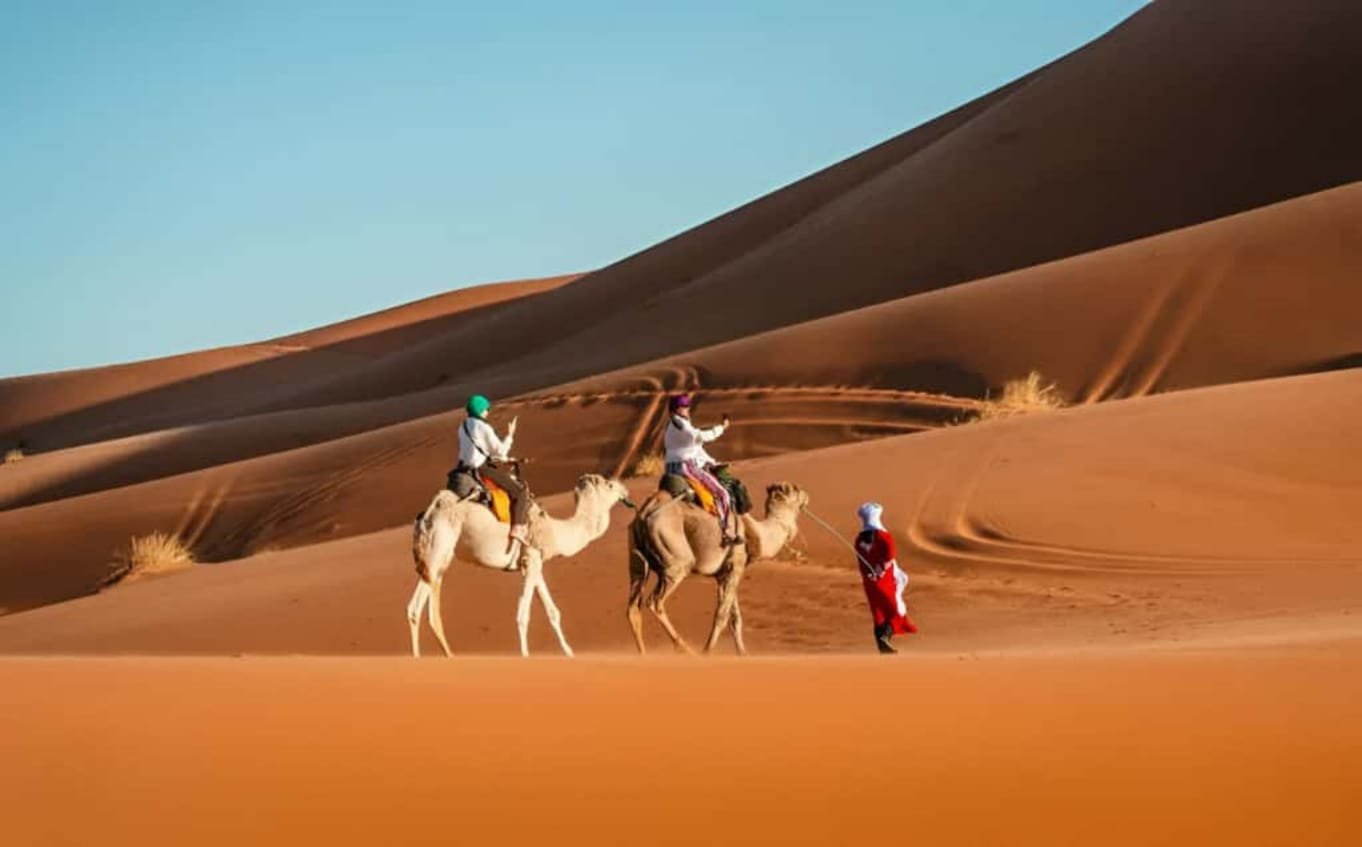
    Camel trek in the Sahara, part of how many days in Morocco is enough
    A night in the Sahara is the highlight of most ten-day trips.

    14 Days in Morocco: See the Whole Country Without Rushing

    Two weeks is the answer for travellers who ask how many days in Morocco is enough to see both the north and the south. You can spend three nights in Marrakech, two in the mountains and desert, two in Fes, one in Chefchaouen, one on the coast and still have free time.

    Two weeks also allows for rest days, a cooking class, a hammam, a walk in the Atlas and a second night in the desert. These are the moments that people remember most. For a full route with maps and hotels, see our 2 weeks in Morocco itinerary, and browse more routes in Morocco itineraries.

    3 Weeks and More: The Slow Way

    Three weeks is not necessary, but it is a gift. With 21 days you can add the Rif mountains, the far south, Zagora, the Atlantic coast and long stays in two or three bases. If you are asking how many days in Morocco is enough for a deep trip, three weeks is the upper end.

    Slow travel also means fewer one-night stops. You unpack, walk, read and talk with local people, and the country feels less like a list of sights. If you have the time, this is the best way to know Morocco. Still, most guests find that 10 to 14 days is how many days in Morocco is enough to feel satisfied.

    How Many Days in Morocco Is Enough by Interest

    Your interests change the answer as much as the calendar. Here is a simple guide to how many days in Morocco is enough for each type of traveller.

    Interest Days needed Main places
    Cities and markets 4 to 5 Marrakech and Fes
    Sahara desert 3 to 4 Merzouga or Zagora
    History and culture 7 to 10 Imperial cities and kasbahs
    Coast and relaxing 3 to 4 Essaouira and Agadir
    Blue city and north 3 Chefchaouen and Tangier
    Hiking in the Atlas 3 to 5 Imlil and the Ourika valley

    The Sahara needs special care. A single night is possible, but two nights give time to enjoy the camp. Read our guides to what to do in Merzouga and to the 2 nights in Merzouga desert if the dunes are your priority.

    Best Season and How It Changes the Answer

    The season changes how many days in Morocco is enough, because heat and cold affect what you can do. Spring (March to May) and autumn (September to November) are the best periods for all regions. In summer, the south is very hot, so you need earlier mornings, longer breaks and more days to stay comfortable. In winter, the High Atlas can have snow, and desert nights are cold.

    The coast is pleasant all year, and Marrakech is lovely from October to April. For month-by-month advice, read our guide to the best month to go to Marrakech.

    Pace and Tiredness

    Many guests plan too much and arrive home tired. A simple rule helps: do not drive more than five hours in a day more than twice in a row, and give each main base at least two nights. Following this rule makes how many days in Morocco is enough a more honest question, because you plan the real time you need, not the maximum you can squeeze in. A calm answer to how many days in Morocco is enough is always a little longer than your first idea.

    Build in free afternoons. A tea on a rooftop, a long lunch or a swim in the pool are not wasted time. They are what makes a trip to Morocco feel human.

    By Traveller Type

    The answer to how many days in Morocco is enough changes with the group. Couples often choose 7 to 10 days with a luxury night in the desert. Families usually need 10 days or more, with shorter drives and a rest day by the pool. Solo travellers can do a fast 5 days or a slow 14 days, and they often meet people in riads and camps.

    Older travellers should plan fewer moves, and a private car with a driver-guide makes every distance easier. If safety is on your mind, read is Morocco safe to travel for a calm, honest answer.

    Mistakes to Avoid

    The most common mistake is to ask how many days in Morocco is enough and then fit three regions into five days. The second is to leave no buffer for flights, because roads and airports can be slow. The third is to book a one-night stay in a place that deserves two, such as Fes or the dunes.

    • Do not plan long drives on your arrival or departure day.
    • Do not skip the guide in the Fes medina, where it is easy to get lost.
    • Do not forget a warm layer for the desert and the mountains.
    • Do not compare your trip with someone else’s, because tastes differ.
    Tip: choose the length first, then the places. If you have only seven days, remove one city rather than shorten every stop. That is the easiest way to decide how many days in Morocco is enough for your trip.

    How to Plan and Book

    Start with your arrival and departure cities, because many travellers fly into Marrakech and out of Casablanca or Fes. A one-way route saves a day of backtracking, and it is easy to arrange with a private driver. Cities such as Fes are also a UNESCO World Heritage site, so give them time.

    When you know how many days in Morocco is enough for you, send us your dates and interests. We will design a private route with a driver-guide, hotels or riads and a camp. Browse all Morocco tours for ideas, or start with our Marrakech travel itineraries and Morocco day trips.

    A Simple Rule to Decide How Many Days in Morocco Is Enough

    If you still hesitate, use this simple rule. Count one day for arrival and one day for departure, then add two nights for each main place you want to see. A trip with Marrakech, the desert and Fes needs six nights of stay plus the two travel days, so eight days is the honest answer to how many days in Morocco is enough for that plan.

    Next, add one buffer day for rest or weather. Wind, snow on a mountain pass or a late flight can change the schedule, and one free day removes the stress. With this method, how many days in Morocco is enough becomes a short sum, not a guess.

    Finally, check your list again and remove one place if the plan feels crowded. Most travellers who do this say that the trip was calmer and that they remembered each place better, which is the real goal of any journey.

    Frequently Asked Questions

    How many days in Morocco is enough for a first visit?

    Seven to ten days is enough for most first visits. It covers Marrakech, the desert and one more region at a comfortable pace.

    Is 5 days in Morocco enough?

    Yes, if you choose two areas, such as Marrakech and the Sahara. It is a fast trip, but it gives the highlights.

    Is 3 days in Morocco enough?

    Three days is enough for Marrakech and one day trip. It is not enough for the Sahara or the north.

    How many days do I need for the Sahara?

    Plan three or four days from Marrakech or Fes, including the road. A second night in the camp makes the trip calmer.

    Is two weeks too long in Morocco?

    No. Two weeks is the best length for the north and the south, and it allows rest days.

    How do I plan my days?

    Send your dates and the number of travellers on WhatsApp at +212 682 832 176 or through our contact page. We reply with a private plan.

    Not Sure How Many Days in Morocco Is Enough?

    Tell us your dates, your interests and your pace. We will suggest how many days in Morocco is enough for you and build a clear private route.

    Request a Free QuoteWhatsApp Us

  • Shopping in Marrakech: Best Souks, What to Buy, Bargaining Tips and Local Shopping Guide

    Shopping in Marrakech: Best Souks, What to Buy, Bargaining Tips and Local Shopping Guide

    Marrakech Shopping Guide · Souks · Crafts · Updated 2026

    Shopping in Marrakech: Best Souks, What to Buy, Bargaining Tips and Local Shopping Guide

    Lamps, leather, carpets, spices and the art of a friendly bargain

    Shopping in Marrakech is one of the great travel experiences in Morocco. The old medina holds hundreds of small workshops and stalls, each selling the craft that its street has made for centuries: leather, brass, wool, pottery, spices, silver and carpets. It is colourful, noisy, friendly and, for a first-time visitor, a little overwhelming, so a little preparation makes shopping in Marrakech much more enjoyable.

    This guide explains shopping in Marrakech step by step. You will learn which souks to visit, what to buy, how to bargain without stress, how to avoid common scams, where to find fixed prices and how to bring your purchases home. We add a half-day shopping route, so you can follow it on your first morning in the old city.

    Shopping is only one part of a visit, so combine this guide with our Marrakech travel itineraries and the full Marrakech tourism guide.

    Shopping in Marrakech: The Short Answer

    Quick answer: go to the souks in the morning, take a trusted guide on your first visit, compare prices in two or three shops, bargain with a smile and pay in cash. Buy leather, lamps, ceramics, rugs, spices and argan oil. Use cooperatives or fixed-price shops if you dislike bargaining.
    Item Where to look Good to know
    Leather bags and slippers Souk Cherratine and Souk Smata Smell, stitching and thickness show quality
    Brass lamps Souk Haddadine Check the weight and the cut work
    Spices Rahba Kedima, the Spice Square Ask for ras el hanout blends
    Carpets and rugs Criee Berbere and Souk Zrabia Handmade wool lasts for decades
    Ceramics Souks near Bab Debbagh and the medina Look for even glaze and no cracks
    Argan oil and cosmetics Women’s cooperatives Pure oil is pale and lightly nutty
    Shopping in Marrakech: souvenirs and crafts on sale in the old medina
    Souvenirs and crafts fill the stalls around Jemaa el-Fna and the old medina.

    Why Shopping in Marrakech Is Special

    Marrakech has been a trading city for nearly a thousand years, and its souks are still working markets, not only tourist attractions. Many of the objects you see are made a few lanes away from where they are sold. You can watch a metalworker hammer a lantern, a cobbler stitch a slipper or a dyer hang wool to dry in the sun.

    That is why shopping in Marrakech feels different from a mall. You meet the maker, hear the story behind the object and take home something that connects you to the place. The medina is also a UNESCO World Heritage Site, so every walk through the lanes is part of the visit.

    The Best Souks for Shopping in Marrakech

    The souks lie north of Jemaa el-Fna and are organised by craft. They are a maze, so use a map and a guide for the first time, and follow the main lanes.

    Souk Semmarine

    This is the main artery, a covered street of textiles, bags, scarves, lamps and souvenirs. It is a good place to see the range of products and to learn typical prices before you buy.

    Souk Haddadine

    The blacksmiths’ souk is loud and fascinating. Craftsmen hammer wrought iron, brass and copper into lanterns, trays, candle holders and mirror frames.

    Rahba Kedima and the Spice Square

    The old spice and herb square sells spices, dried herbs, natural cosmetics, black soap, argan oil and traditional remedies. It is lively and photogenic, and a good place to buy ras el hanout, cumin, saffron and dried rose petals.

    Souk Cherratine and Souk Smata

    Leather is the star here. You find slippers called babouches, handbags, belts, poufs and jackets, and the colours are bright. Check the stitching and the smell, and avoid very cheap pieces that may use thin or treated leather.

    Shopping in Marrakech: a lane in the old medina near the souks
    The lanes of the medina are narrow, shaded and full of small shops.

    The Dyers’ Souk and the Carpet Souks

    Colourful wool and silk hang in the dyers’ souk, a favourite for photographers. The carpet area, near the old slave market square, sells Berber rugs, kilims and flat weaves from the Atlas tribes, and sellers will unroll many pieces for you to see. Ask about the weave, the dyes and the region where each rug was made.

    What to Buy When Shopping in Marrakech

    The best shopping in Marrakech means choosing items that you will use at home, that are easy to carry and that are made by hand. These are the favourites among our guests.

    • Babouche slippers: soft leather, comfortable and light.
    • Leather bags and poufs: sturdy, colourful and easy to pack flat.
    • Brass and iron lanterns: they cast beautiful patterned light.
    • Berber rugs: wool rugs from the Atlas, from small mats to large carpets.
    • Ceramics and tagines: hand-painted plates, bowls and cooking pots.
    • Spices and tea: ras el hanout, saffron, cumin, mint and a tea glass set.
    • Argan oil: for cooking and skin care, best from women’s cooperatives.
    • Textiles and clothing: kaftans, scarves, cushion covers and woven blankets.
    • Silver and Berber jewellery: check the stamp and the weight.
    • Tadelakt items: soaps and bowls made with polished lime plaster.

    A good plan is to choose three or four categories before you go, so you do not buy everything on the first lane. Think about how you will use each piece, where it will go in your home and how it will fit in your luggage.

    How to Bargain: A Simple Guide

    Bargaining is part of shopping in Marrakech, and it is a polite, friendly exchange, not a fight. Sellers expect it, and prices are often much higher than the final price. Here is a simple method that works.

    1. Look first: browse several shops to learn the range of prices.
    2. Choose what you like: do not show too much excitement.
    3. Ask the price: the seller will name a high price.
    4. Offer much lower: a good start is about one third to one half of the first price.
    5. Move up slowly: meet somewhere in the middle, and keep a smile.
    6. Be ready to leave: walking away politely often brings the best price.
    7. Keep your word: if you agree on a price, you are expected to buy.
    Tip: never start bargaining for something you do not really want. Sellers work hard to find a price, and it is polite to be sincere.

    If you do not enjoy bargaining, go to a fixed-price shop or a cooperative. You may pay a little more, but you will relax and you will still get quality products.

    Fixed-Price Places and Cooperatives

    For stress-free shopping in Marrakech, visit the government-run artisan centre near the Koutoubia, where goods carry marked prices. Women’s cooperatives sell argan oil, cosmetics and woven items with clear labels, and many pay fair wages to the makers. Several concept stores and design shops in the medina and in the Gueliz district also have fixed prices and carefully made products.

    These places are ideal for gifts, for first-time visitors and for anyone who wants to learn the typical price level before entering the souks.

    Modern Shopping in Gueliz and Sidi Ghanem

    Shopping in Marrakech is not only about the old souks. In the Gueliz district you find international and Moroccan brands, boutiques, bookshops, galleries and shopping centres. The area around Mohammed V Avenue is a pleasant place to walk, with cafés for a rest.

    The Sidi Ghanem industrial area has become known for design. Workshops, studios and showrooms sell furniture, ceramics, lighting and home decoration, often in modern styles. Many of them ship large purchases abroad. This is a good option if you are shopping in Marrakech for your home and want something more contemporary than the souk classics.

    Shopping in Marrakech: the city centre and its modern districts
    Modern Gueliz sits beside the old medina, so both styles are easy to combine.

    Scams, Fakes and Pushy Sellers

    Most sellers are honest, but some tricks are common in shopping in Marrakech, as in any busy market. A friendly stranger says that a street is closed and leads you to a shop where he earns a commission. A shop offers a gift or free tea and expects a purchase. Someone puts henna on your hand and demands payment. Another sells a copy of a famous brand or an item that is not what it claims to be.

    • Say no firmly: a smile and la shukran, no thank you, are enough.
    • Avoid unknown guides: only use badged or booked guides.
    • Check goods: examine the item and the packaging before you pay.
    • Watch for fake argan oil: it should be pale and have a light smell, not strong or too cheap.
    • Beware of fake saffron: pure saffron has thin red threads and a distinct scent.
    • Be careful with antiques: most so-called old items are new.

    If a seller becomes too pushy, walk on. For more safety advice, read our guide: is Morocco safe to travel.

    A Half-Day Route for Shopping in Marrakech

    This simple route for shopping in Marrakech gives a taste of the best souks without tiring you. Start early, when shops open and the lanes are calm, and finish with lunch on a terrace.

    Time Stop
    09:00 Jemaa el-Fna and the start of Souk Semmarine
    09:45 Souk Haddadine for lamps and ironwork
    10:30 Souk Cherratine and Souk Smata for leather
    11:30 Rahba Kedima, spices and cosmetics
    12:15 Carpet and weaving area
    13:00 Lunch on a rooftop and review your purchases

    Keep the most important purchases for the end of the morning, after you have seen the range of prices. This helps you decide with a clear mind and avoids buying the first beautiful object you see.

    Best Gifts and Souvenirs from Shopping in Marrakech

    If you shop for people at home, choose small, light and useful gifts. A glass of Moroccan tea, a small bag of ras el hanout, a pair of babouches, a hand-painted ceramic bowl or a bottle of argan oil all pack well and are easy to give. Leather card holders, brass tea trays and woven baskets also make good presents.

    For a special gift, think about a small rug, a silver pendant or a tadelakt soap set. Ask the seller to explain how each piece is made, because the story adds value, and note it down for the person who receives it. Shopping in Marrakech for gifts is easiest in the second half of your trip, when you know your favourite shops and can compare prices.

    Why a Guide Helps with Shopping in Marrakech

    A trusted local guide changes the experience. He knows which shops are fair, which workshops make real crafts and which lanes are quiet. He also helps you avoid pressure, translates when needed and reminds you of the price range before you start. Guides sometimes take you to shops where they know the owners, so it is good to say clearly what you want to see and to feel free to say no.

    For a family or a group, a private driver-guide can carry your purchases to the car, so you can continue the visit with free hands. Ask your guide to include a break for tea, because a pause helps you decide calmly. Shopping in Marrakech is a pleasure when you are relaxed, informed and not in a hurry.

    Paying: Cash, Cards and Money Tips

    Small souk shops usually prefer cash in dirhams, and many do not take cards. Larger shops, concept stores and cooperatives often accept cards, but check the total and the currency before you pay. Withdraw cash from ATMs in banks or in busy streets, keep small notes for tips and carry your money in a front pocket or a zipped bag.

    When shopping in Marrakech, ask for a receipt for expensive items, especially rugs, jewellery and furniture. Non-residents may be able to claim a tax refund on some purchases at the airport, but the rules and the minimum amounts change, so ask the shop and check before you travel.

    Shipping and Packing Your Purchases

    After shopping in Marrakech, small items go easily in a suitcase. Wrap lamps and ceramics in clothes, put leather bags flat and carry fragile pieces in your hand luggage if possible. For rugs, furniture and large pieces, ask the shop to ship them. Good shops arrange packing, insurance and tracking, and they can give you a written invoice.

    Before you buy spices or food, check what you may carry into your home country, as some countries restrict certain plant and animal products. Keep receipts and avoid buying items that are made from protected species, such as certain shells, fossils or animal parts.

    Best Time for Shopping in Marrakech

    The morning is best, from about 9:00, when the lanes are cool and calm, and sellers are fresh. Late afternoon is also pleasant, but the souks become crowded. Friday is quieter in some shops because of prayers, and some stalls close earlier during Ramadan. Spring and autumn are the most comfortable seasons for long walks. Our guide to the best month to go to Marrakech explains the seasons in detail.

    Shopping Responsibly in Marrakech

    Shopping in Marrakech supports thousands of families, and a few choices make it better for everyone. Buy directly from makers when you can, pay a fair price and avoid pressing a seller below the cost of materials and labour. Choose cooperatives that pay women fairly, and avoid mass-produced imitations that copy local designs.

    Reduce plastic by carrying a cloth bag, and say no to extra packaging. Ask before photographing a stall or a craftsperson, and tip a small amount if they pose for you.

    Common Mistakes to Avoid

    • Buying the first thing you like: compare in at least two or three shops.
    • Accepting a guide from the street: use a trusted guide or your hotel.
    • Paying the first price: it is almost never the final price.
    • Shopping in the midday heat: you will tire and rush decisions.
    • Carrying too much cash: keep only what you need for the day.
    • Ignoring luggage space: plan how you will carry heavy items.

    With a calm plan, shopping in Marrakech becomes a highlight, not a stress. Many guests combine it with a visit to the palaces and gardens, as in our guide on what should I not miss in Marrakech.

    Frequently Asked Questions

    Where is the best place for shopping in Marrakech?

    The souks north of Jemaa el-Fna are the best for crafts, and Gueliz and Sidi Ghanem are good for modern design and fixed prices.

    How much should I bargain?

    Start at about one third to one half of the first price and meet in the middle. Stay friendly and be ready to walk away.

    What are the best things to buy in Marrakech?

    Leather slippers and bags, brass lamps, Berber rugs, ceramics, spices, argan oil and textiles are the most popular.

    Can I use credit cards in the souks?

    Many small shops want cash, while bigger shops and cooperatives often accept cards. Carry some dirhams.

    Do I need a guide for shopping in Marrakech?

    A guide is useful for the first morning. He knows fair shops and helps you avoid pressure and fake guides.

    How can I plan shopping in Marrakech with your team?

    Send your dates on WhatsApp at +212 682 832 176 or through our contact page, and we will arrange a guide and a private driver.

    Ready for Shopping in Marrakech with a Local Guide?

    Tell us your dates and what you want to buy. We will plan a relaxed shopping morning with a trusted guide, so you can enjoy shopping in Marrakech without stress.

    Request a Free QuoteWhatsApp Us