Category: Uncategorized

  • What Can You Bring Back From Morocco? Ultimate Guide to 12 Best Souvenirs

    What Can You Bring Back From Morocco? Ultimate Guide to 12 Best Souvenirs

    Morocco · Souvenirs & Customs · Updated 2026

    What Can You Bring Back From Morocco? Ultimate Guide to 12 Best Souvenirs

    Best gifts, food you can carry, and what to leave behind at customs

    What can you bring back from Morocco? Most travellers can bring home spices, tea, argan oil, leather goods, ceramics, textiles, rugs, lanterns, dates, nuts and sealed food. Items that need care include liquids in hand luggage, fresh food, meat, dairy, plants, protected animal products, antiques and fossils.

    This guide explains what can you bring back from Morocco in 12 practical steps, from the best souvenirs to customs and packing. Rules differ by country and airline, so always check your own official customs website before you fly.

    For shopping ideas, read what cheap things should I buy in Morocco, and for city advice, see shopping in Marrakech.

    What Can You Bring Back From Morocco? The Short Answer

    Quick answer: you can usually bring back spices, tea, sealed food, argan oil, leather, ceramics, textiles, rugs and lanterns. Be careful with liquids, fresh produce, meat and dairy, protected animal products, antiques, fossils and large amounts of cash. Rules vary by country, so check your own customs authority.
    Item Usually fine? Watch out for
    Spices, tea Yes Sealed packs, labels
    Argan oil Yes Liquid limits in hand luggage
    Leather, textiles Yes Strong smells, quality
    Ceramics, glass Yes Breakage, weight
    Dates, nuts Usually Fresh produce rules
    Meat, dairy Often no Import restrictions
    Fossils, antiques Be careful Export papers
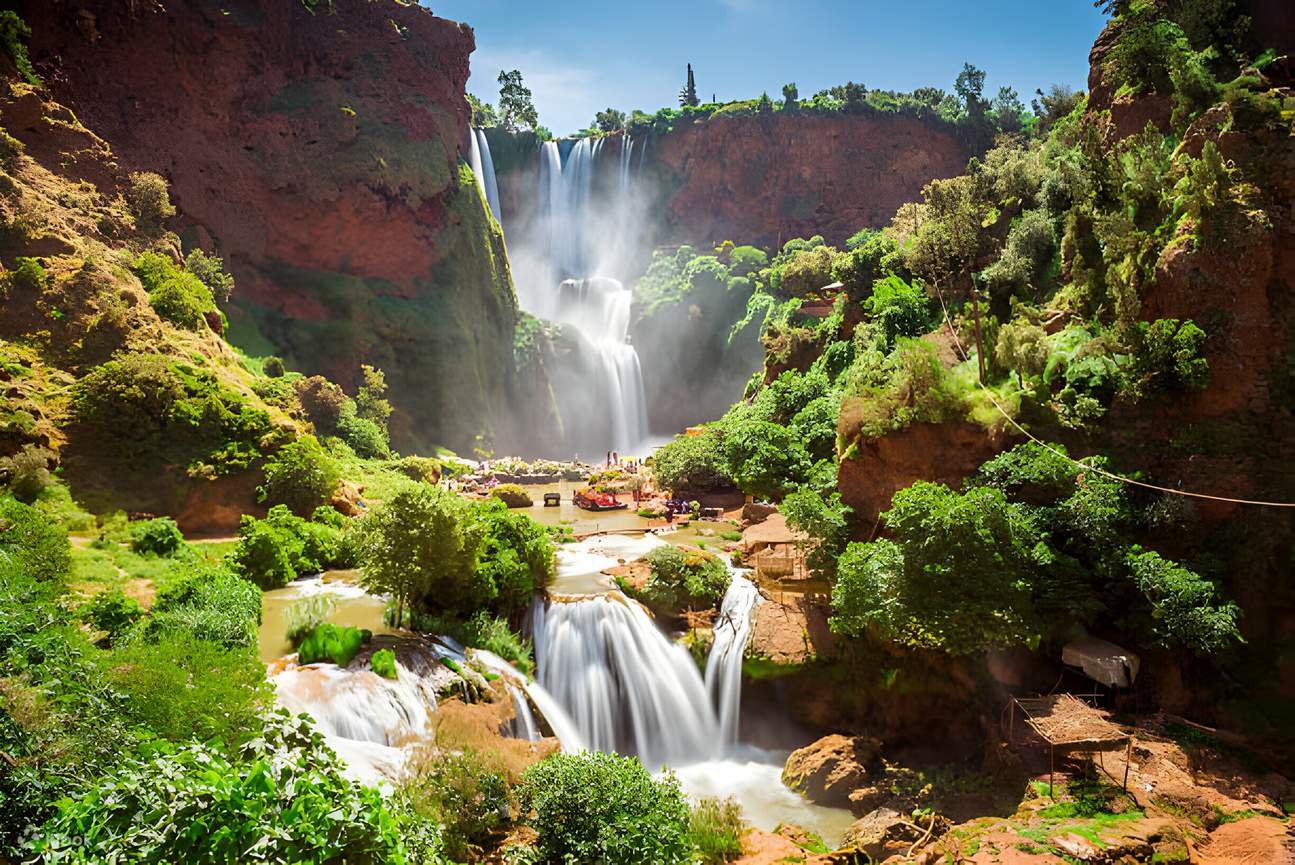
    What can you bring back from Morocco: memories and gifts from the Atlas valleys
    Atlas villages offer honey, weaving and walnuts as authentic gifts.

    1. What Can You Bring Back From Morocco in Spices and Tea?

    Spices and tea are the safest answer to what can you bring back from Morocco. Ras el hanout, cumin, paprika, cinnamon and saffron are light and long-lasting. Green tea, dried mint and herbal blends are also easy to pack.

    Buy sealed packs from busy shops, and keep receipts. Most countries allow commercial quantities of dried spices and tea for personal use, but always declare food if your customs form asks for it.

    2. Argan Oil and Beauty Products

    Argan oil, rose water, rhassoul clay and natural soaps are popular. They are made in cooperatives, especially around Essaouira and Agadir. What can you bring back from Morocco for your skin? These are among the best choices.

    Liquids in hand luggage are limited on most airlines, so pack bottles in checked luggage or in small containers. Seal them in plastic bags, and choose products with clear labels from trusted sellers.

    3. Leather Goods

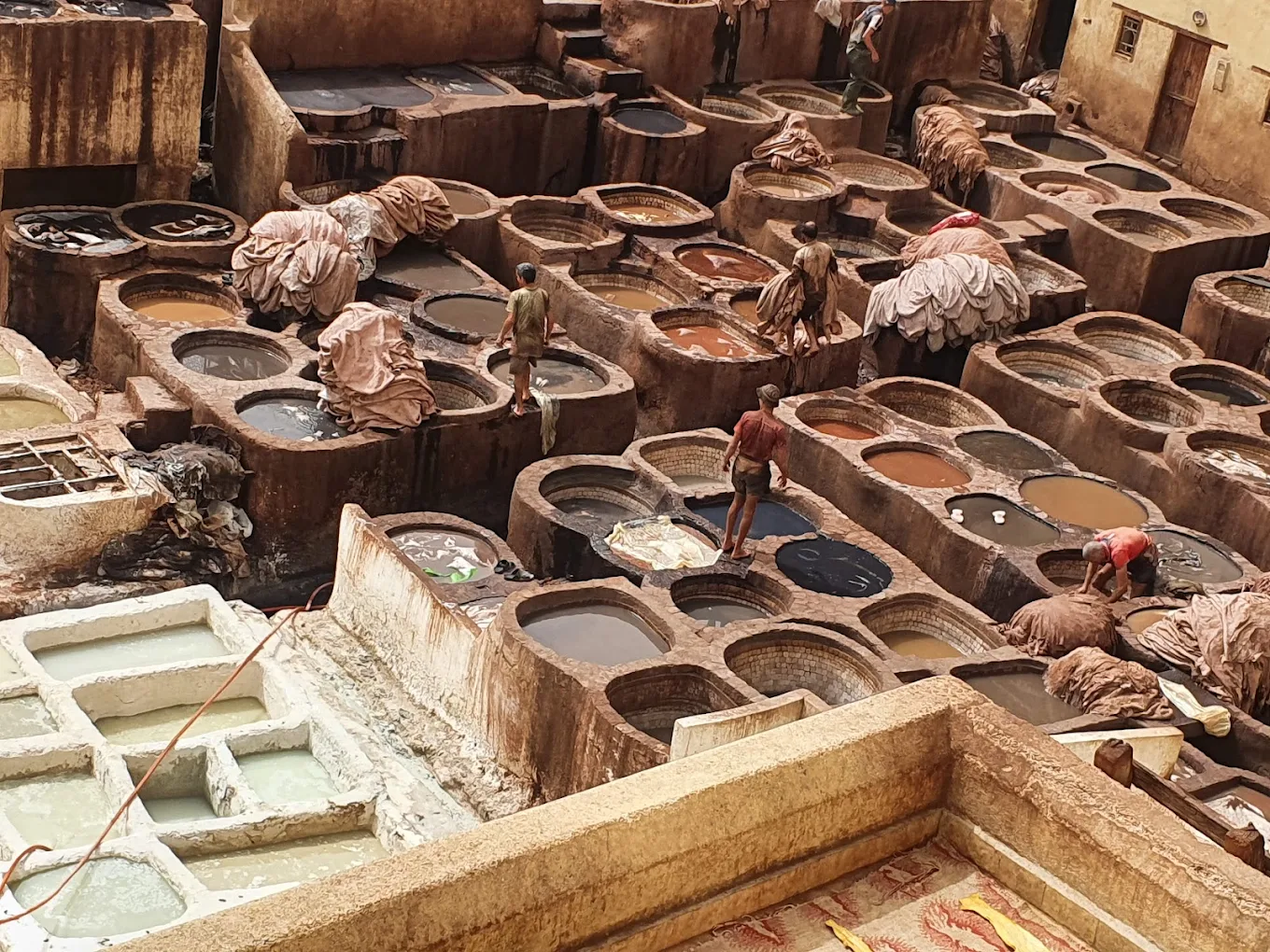
    Leather bags, wallets, poufs and slippers are popular souvenirs. Fes and Marrakech are known for their tanneries and workshops. Genuine leather has a distinct smell and soft texture.

    Check stitching, zips and linings. Unfilled poufs are the easiest to pack, so you can stuff them at home. If you are asking what can you bring back from Morocco that is practical, leather goods are a solid answer.
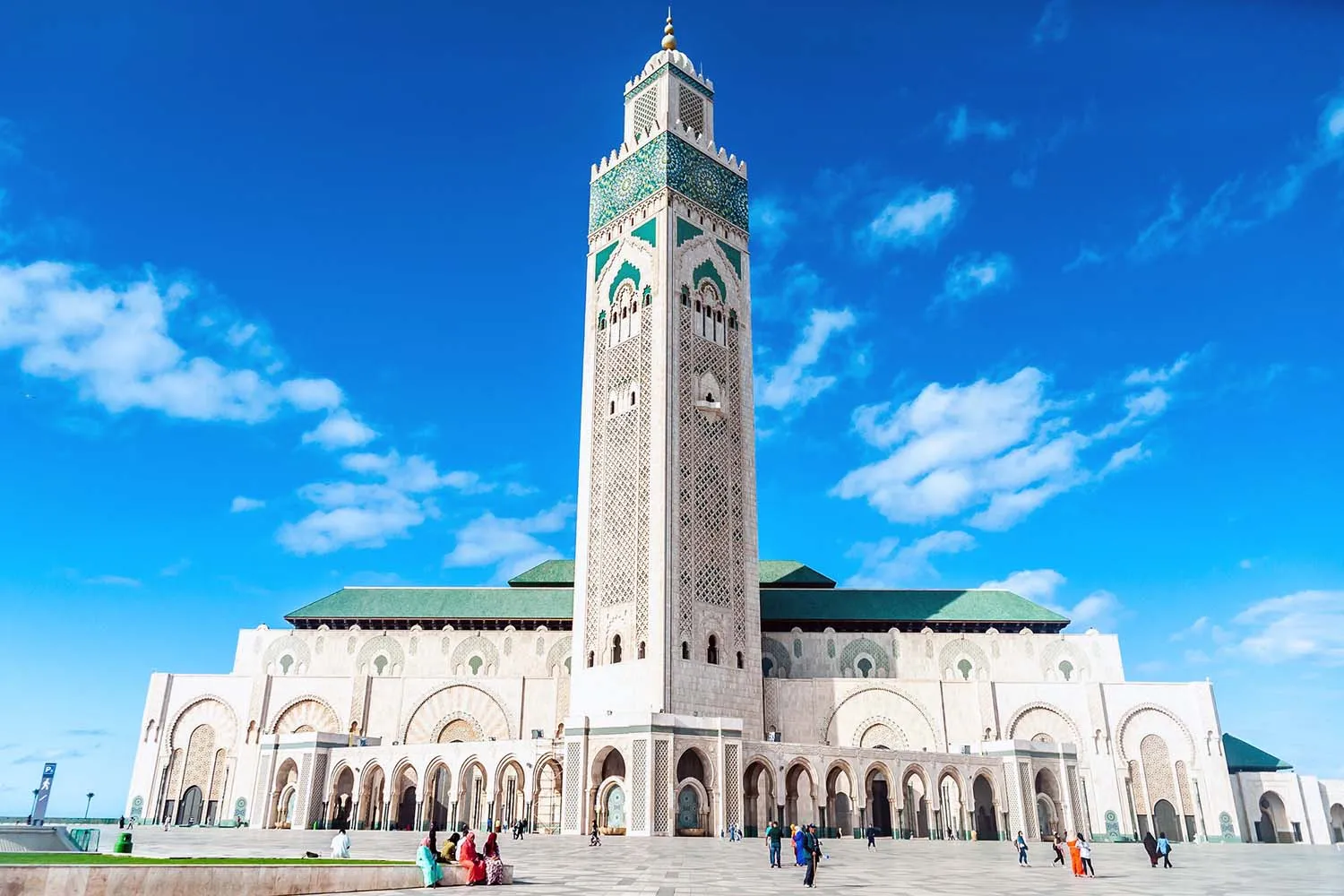
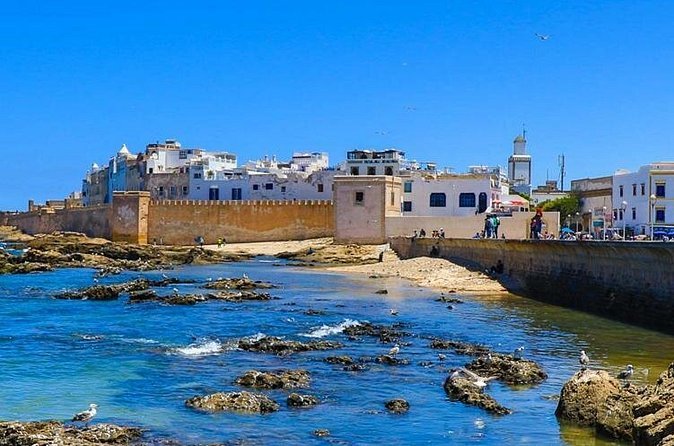
    What can you bring back from Morocco: city shopping on the Atlantic coast
    City shops and souks offer different types of souvenirs.

    4. Ceramics and Glass

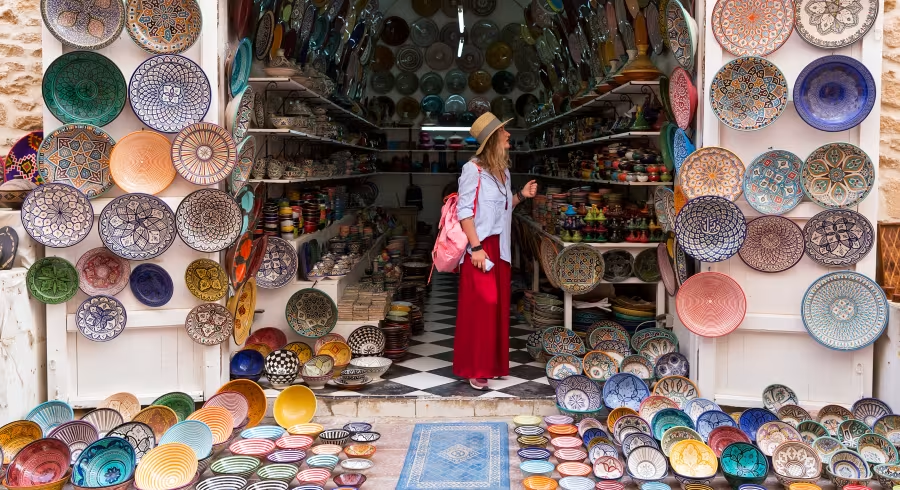
    Hand-painted bowls, plates, tagines and tea glasses are great gifts. Fes blue pottery and Safi ceramics are famous. Many pieces are decorative, while some are suitable for food, so ask the seller.

    Wrap each piece well and carry fragile items in hand luggage if possible. Cooking tagines are heavy, so decorate rather than cook if you are short on space. What can you bring back from Morocco without breaking? Small bowls and glasses.

    5. Textiles, Blankets and Rugs

    Berber rugs, wool blankets, cushion covers and scarves are timeless. Rugs are bulky but can be rolled, and many shops arrange shipping. Check the pattern, the weave and the dye.

    What can you bring back from Morocco in textiles that is easy to pack? Scarves, shawls and small cushion covers. For rugs, ask about shipping and customs paperwork, and keep invoices.

    6. Lanterns and Metalwork

    Brass and copper lanterns, trays and candle holders add warmth to any home. Small tea-light lanterns are light and easy to carry. Large pieces are better shipped.

    Check for sharp edges and ask for padding. Most airlines allow decorative metal items in checked luggage, but tools and sharp objects are not allowed in hand luggage.

    7. Food You Can Carry Home

    Dates, almonds, dried figs, olives in sealed jars, honey and olive oil are favourites. Many countries allow commercially packaged food, but fresh fruit, meat and dairy are often restricted or banned.

    What can you bring back from Morocco in food? Choose sealed, shelf-stable products and read your customs rules. Declare if in doubt, because fines for undeclared restricted food can be larger than the value of the goods. See what not to eat in Morocco for eating advice.

    8. Hammam Products

    Black soap, kessa gloves, rhassoul clay and rose petals make a spa kit. They are light, natural and typical of Moroccan life. Many are sold in pharmacies and herbal shops.

    Check that soaps are sealed and that jars close well. A hammam kit is also a thoughtful gift, and it tells a story about local culture.

    9. Jewellery

    Amazigh silver, beads and enamel pieces are beautiful. Ask whether the piece is silver or plated, and compare shops. Keep receipts for valuable items.

    Some countries require you to declare high-value jewellery when you return. What can you bring back from Morocco in jewellery without trouble? Small modest pieces with receipts.

    10. Woodwork and Baskets

    Thuya wood boxes from Essaouira, cedar crafts from the Middle Atlas and palm baskets are lovely. Wood is light, but check that it is not a protected species and that it is free of insects.

    Baskets and bags are practical and often nest inside each other for packing. They are a good answer to what can you bring back from Morocco for the home.

    11. Clothing and Accessories

    Kaftans, djellabas, tunics and cotton scarves are comfortable and easy to carry. A djellaba is useful as a robe, and a kaftan is perfect for summer evenings. Choose good fabric and sturdy stitching.

    Wash new clothes before wearing, because dyes may run. Morocco’s tailors can also make custom pieces, so ask your riad for recommendations.

    12. Art, Books and Music

    Photography prints, paintings, postcards, notebooks and cookbooks are light and personal. Small drums, such as the darbuka, and simple instruments are fun gifts.

    Check that works of art are original or clearly labelled as prints. Ask galleries about shipping for large pieces. What can you bring back from Morocco as a lasting memory? Often it is a framed photo you took yourself.

    What Is Restricted or Not Allowed?

    Customs rules protect people, plants, animals and heritage. Common restrictions include fresh produce, meat, dairy, live plants and seeds, endangered animal products, drugs, weapons and cultural property. Check your own country’s rules.

    Morocco also controls the export of antiques, cultural objects and some fossils, and it limits taking large amounts of local currency out of the country. What can you bring back from Morocco legally? Items with proper receipts and no protected status. When in doubt, ask the seller for paperwork and ask your embassy or customs authority.

    Never carry items for strangers, and never buy drugs. The UNESCO listed heritage of Marrakech and Fes is protected, and so are many historic objects.

    Packing Tips

    Pack fragile items in clothes and use hard-sided luggage if possible. Put heavy items near the wheels and keep liquids in sealed bags. Bring a foldable bag for extra purchases.

    Weigh your suitcase before leaving the hotel, because airline limits are strict. What can you bring back from Morocco if space is limited? Choose flat and light items such as scarves, spices, tea and small crafts.

    Money, Receipts and Declarations

    Keep receipts for expensive goods and for items you may need to declare. Take photos of labels and shop cards. If you buy a rug or large item, ask the shop to provide an invoice and shipping details.

    Check your customs allowance for goods and gifts. Declaring is easy and honest, and it protects you from penalties. If you want help planning, our team can suggest trusted shops and guides.

    What Can You Bring Back From Morocco to Europe, the UK and the US?

    Rules depend on where you live. In the European Union, the UK and the United States, personal quantities of dried spices, tea, packaged sweets and most crafts are normally fine. Meat, dairy, fresh fruit, plants and seeds are often restricted.

    What can you bring back from Morocco to the UK or the EU in food? Sealed, shelf-stable items are the safest choice, and honey and olive oil are usually allowed in reasonable amounts. For the United States, check the official customs and agriculture pages before you fly.

    Because rules change, treat this article as a guide and not a legal document. Always read the latest information from your official authority, and declare anything you are not sure about.

    How to Avoid Fake or Poor-Quality Items

    Some stalls sell factory products as handmade. To avoid this, look at the details. Handmade items have small variations, and real leather smells natural. Ask where it was made and how, and compare two or three shops.

    What can you bring back from Morocco that is truly authentic? Items bought from cooperatives, workshops and trusted shops where you can see the makers. Be wary of “antique” claims and of very low prices that seem too good to be true.

    Shipping Large Items Home

    If you fall in love with a large rug, a mosaic table or a carved door, ask the shop about shipping. Reputable sellers offer packing, insurance and tracking. Get a written invoice, photos of the item and the shipping address.

    What can you bring back from Morocco if it does not fit in your suitcase? Almost anything, if you ship it correctly. Expect customs forms and possible import fees in your home country, and keep all documents until the item arrives.

    Best Gifts for Different People

    For cooks, choose spices, a tagine pot, olive oil and tea glasses. For friends who love decor, choose lanterns, cushion covers, ceramics and small rugs. For colleagues, choose tea, sweets and soap.

    For children, choose small drums, leather purses and bright slippers. What can you bring back from Morocco for the person who has everything? A handmade item with a story, such as a hand-woven blanket or a piece from a craftsperson you met.

    Responsible Souvenir Shopping

    Responsible shopping supports families and protects heritage. Buy from makers where possible, pay fair prices and avoid items made from endangered animals or plants. Ask about materials, and say no to anything that seems illegal.

    What can you bring back from Morocco and still feel good about? Cooperative products, hand-woven textiles and local crafts. Your choices help keep skills alive, and your souvenirs will mean more.

    Plan Your Shopping Time

    Shopping is more fun with a plan. Visit the souks early, when it is cooler and quieter, and keep your last day free for returns and packing. Set aside time to compare shops and drink tea with the sellers.

    When you ask what can you bring back from Morocco, also ask how much time you have. A short trip suits small gifts, while a long trip lets you explore workshops and cooperatives. Our Marrakech travel itineraries include shopping time in each plan.

    Souvenirs by Region and Where to Find Them

    Every region has a signature product. In Marrakech, look for lanterns, leather, spices and woven baskets. In Fes, look for blue ceramics, brass, leather slippers and fine embroidery. In Essaouira, look for thuya wood, argan oil and woven bags.

    In the Atlas villages, look for honey, walnuts, wool blankets and herbs. In the Dades and Skoura area, look for rose water and rose products. In the desert, look for scarves, simple jewellery and tea sets. What can you bring back from Morocco in each area? Whatever the local people make best.

    Choosing regional goods also gives your souvenirs a story. A blanket from an Atlas village or a bowl from a Fes workshop means more than something you could buy anywhere. Ask the seller where the item was made and who made it.

    Seasonal Buying Tips

    The season changes what you want and what you can carry. In summer, light scarves, cotton kaftans and straw baskets are easy and useful. In winter, wool blankets, thick scarves and heavy rugs are more tempting, but they take space.

    What can you bring back from Morocco in spring? Rose products from the flower harvest, fresh herbs in sealed packs and light textiles. In autumn, dates, nuts and honey are at their best. Plan your luggage space around the season and the items you love most.

    Quick Souvenir Checklist

    Use this short checklist before you leave your last shop. It will save you time at the airport and help you avoid problems.

    • Do I have a receipt for each valuable item?
    • Are liquids sealed and packed in checked luggage?
    • Is every fragile item wrapped in clothes?
    • Is the food sealed, commercial and allowed at home?
    • Do I have papers for any rug, antique or fossil?
    • Have I kept space and weight within my airline limit?

    If you can answer yes to these, you are ready. This checklist also answers what can you bring back from Morocco without stress: items that are legal, packed and documented.

    Common Mistakes When Bringing Souvenirs Home

    The most common mistake is buying too much on the last day. Prices and quality are easier to judge when you have seen several shops, so spread your shopping across the trip. Another mistake is packing liquids in hand luggage, which leads to confiscation at security.

    A third mistake is ignoring food rules, since customs officers can confiscate meat, dairy and fresh produce. A fourth is forgetting that rugs and metal items are heavy. If you keep these points in mind, what can you bring back from Morocco becomes a joyful question rather than a worry.

    Beyond Objects: Memories to Bring Home

    Not every souvenir fits in a suitcase. You can bring back recipes, photographs, language phrases, friendships and the memory of a sunrise in the dunes. A cooking class, a hammam visit or a desert night often becomes the best gift of all.

    Read about the desert in what to do in Merzouga and about the Red City in what is Marrakech most famous for. These experiences are part of what can you bring back from Morocco, even if they never touch a scale.

    Final Answer: What Can You Bring Back From Morocco?

    To sum up, what can you bring back from Morocco? Spices, tea, argan oil, leather, ceramics, textiles, lanterns, sealed food, hammam goods, simple jewellery and small crafts. Avoid protected products, unclear antiques, fresh food and large amounts of cash, and always check your customs rules.

    Now that you know what can you bring back from Morocco, you can shop with confidence. Keep receipts, pack carefully and choose items you will love for years. If you want help, our team can recommend trusted shops, guides and routes.

    Finally, remember the simple rule behind what can you bring back from Morocco: buy what is legal, light, authentic and meaningful. Do that, and your suitcase will carry home not only gifts but also good memories.

    Readers often ask us what can you bring back from Morocco after a desert trip, and the answer is simple: scarves, tea, small ceramics and a few photographs. Others ask what can you bring back from Morocco after a city break, and we suggest spices, slippers and hammam goods. Whenever you wonder what can you bring back from Morocco, start with the lightest, most useful item and build from there. If you are still unsure what can you bring back from Morocco on your route, message us before you shop and we will help.

    Frequently Asked Questions

    What can you bring back from Morocco on a plane?

    Most souvenirs, sealed food, textiles and crafts. Liquids in hand luggage are limited, and sharp items must go in checked luggage.

    Can I bring back argan oil?

    Yes, usually in checked luggage or in small containers within your airline’s liquid limits.

    Can I bring back dates and nuts?

    Commercially packaged dates and nuts are usually allowed, but check your country’s food rules.

    Can I bring back fossils or antiques?

    Be careful. Export may need permits, so ask the seller for papers and check Moroccan and home-country rules.

    Do I have to declare souvenirs?

    Declare goods above your allowance, restricted items and anything you are unsure about.

    Can you help me plan a trip and shopping day about what can you bring back from Morocco?

    Yes. Send your dates on WhatsApp at +212 682 832 176 or through the contact page and we will arrange a trusted guide and route.

    Shop Morocco With a Trusted Local Team

    We arrange licensed guides, trusted cooperatives and easy transfers, so you can bring home authentic crafts with confidence.
    Request a Free QuoteWhatsApp Us

  • What Cheap Things Should I Buy in Morocco? Ultimate Guide to 12 Best Buys

    What Cheap Things Should I Buy in Morocco? Ultimate Guide to 12 Best Buys

    Morocco · Shopping Guide · Updated 2026

    What Cheap Things Should I Buy in Morocco? Ultimate Guide to 12 Best Buys

    Affordable, authentic souvenirs and everyday treasures from Moroccan markets

    What cheap things should I buy in Morocco? The best low-cost buys are spices, mint tea glasses and teapots, leather slippers (babouches), argan and rose products, small ceramics, dates, nuts, olive oil, woven baskets and simple scarves. They are useful, easy to pack and made by local craftspeople.

    This guide answers what cheap things should I buy in Morocco in 12 clear tips, with advice on quality, bargaining and packing. We avoid exact prices because they change by city, season and shop, and focus on how to find good value and avoid tourist traps.

    For city-specific advice, read shopping in Marrakech, and for scam awareness, see what should I avoid in Morocco.

    What Cheap Things Should I Buy in Morocco? The Short Answer

    Quick answer: buy spices, mint tea glasses, babouches, argan oil, small ceramics, dates and nuts, olive oil, baskets, scarves, black soap, small lanterns and simple silver. Compare shops, bargain politely, check quality and keep the packaging light.
    Item Why it is a good buy Quality tip
    Spices Light, useful, authentic Smell and buy sealed
    Tea glasses Small, easy to pack Check for cracks
    Babouches Local leather craft Check stitching
    Argan oil Natural and useful Buy from cooperatives
    Ceramics Hand-painted pieces Wrap well
    Dates, nuts Edible gifts Buy sealed packs
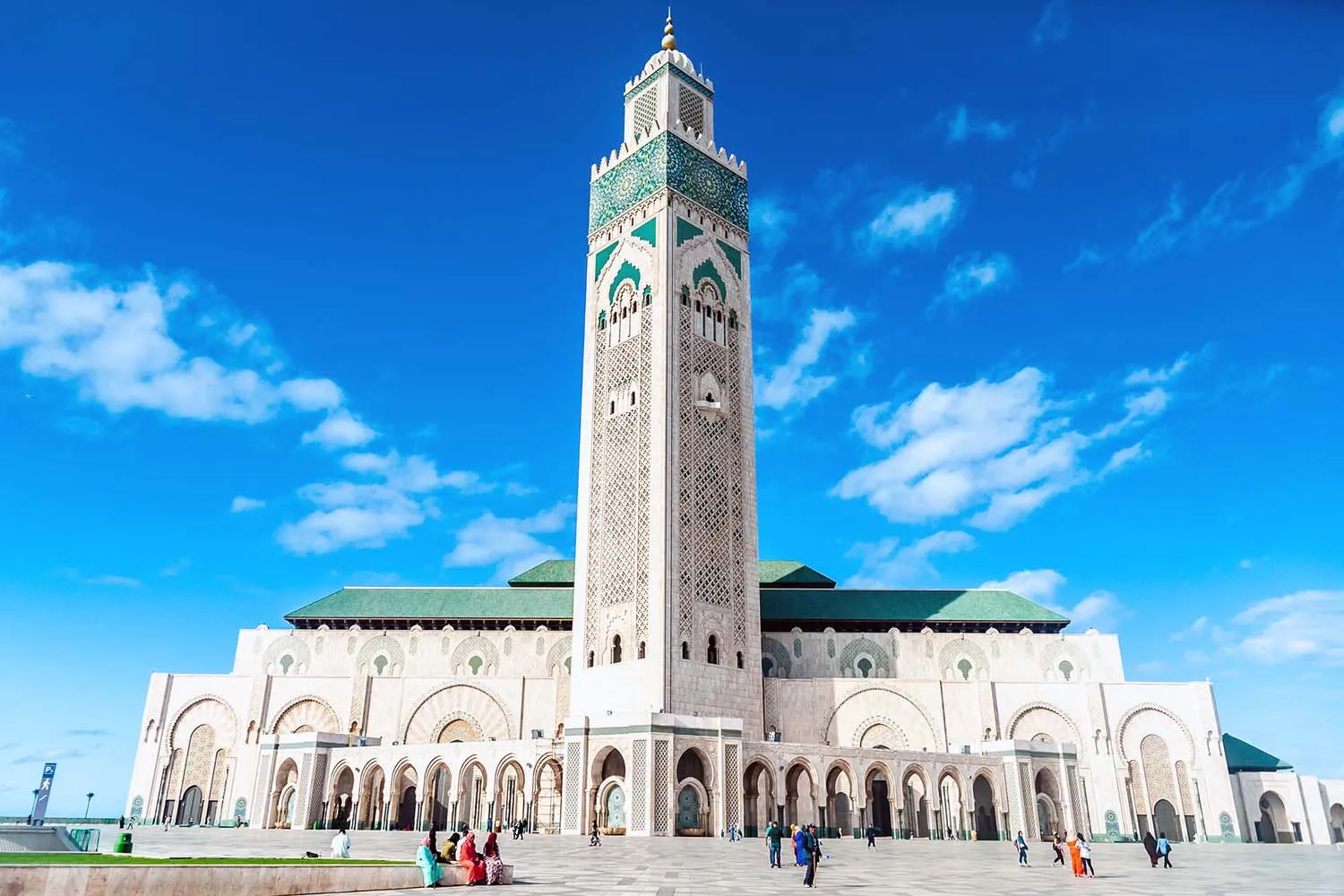
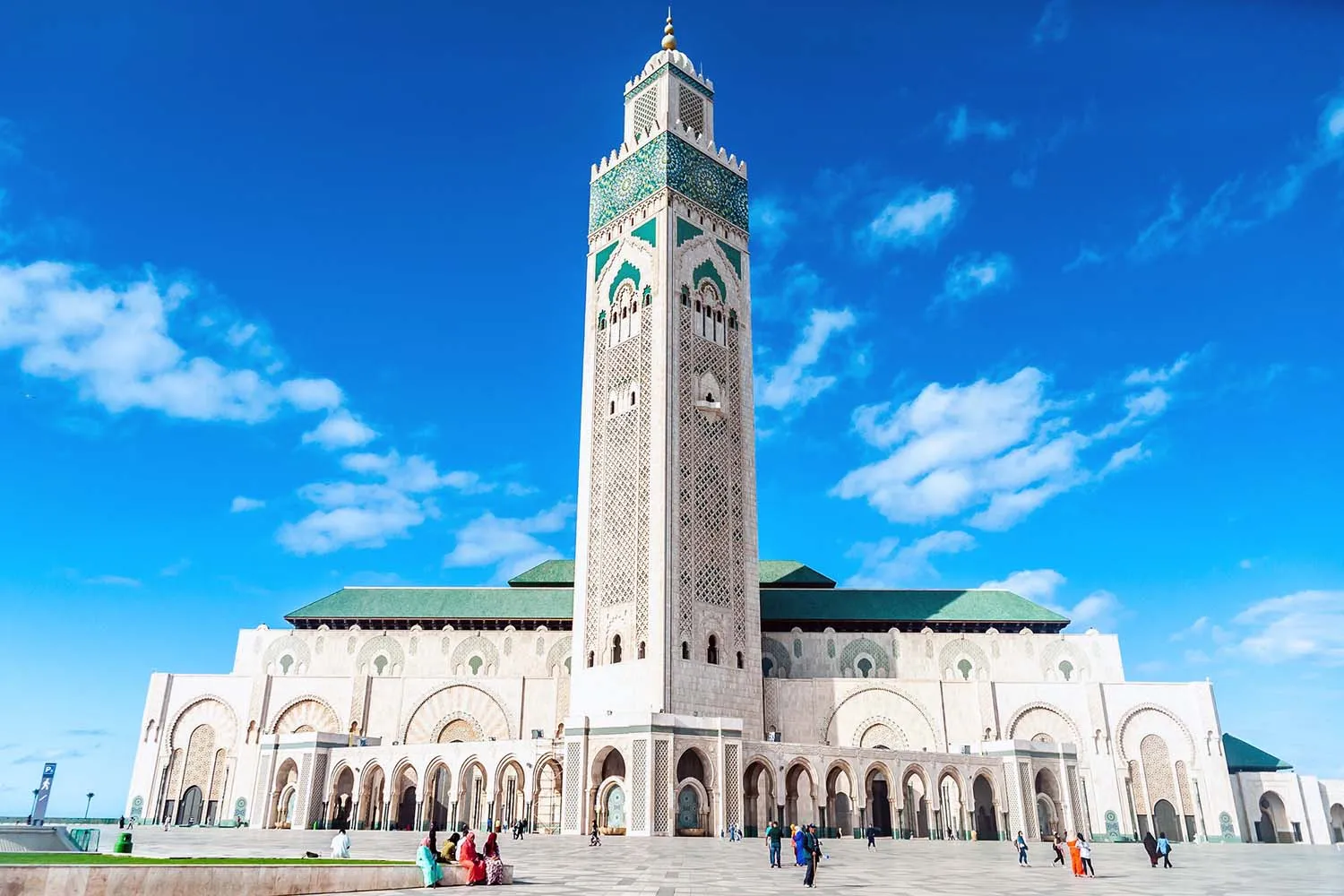
    What cheap things should I buy in Morocco: shopping starts in cities like Casablanca
    Big cities and small medinas offer different kinds of shopping.

    1. Spices and Spice Blends

    Spices are one of the easiest answers to what cheap things should I buy in Morocco. Cumin, paprika, saffron threads, turmeric, cinnamon and the famous ras el hanout blend are light and lasting gifts. They bring the flavour of a tagine to your own kitchen.

    Smell the spices before buying and choose shops with high turnover. Buy small quantities, ask for sealed bags and avoid anything that looks dusty or faded. Real saffron is expensive, so be cautious of “cheap saffron” that is really dyed flowers.

    2. Mint Tea Glasses and Teapots

    Mint tea is the national drink, and tea glasses are among the best small buys. Decorated glasses, small trays and metal teapots are easy to find and make a lovely set at home. What cheap things should I buy in Morocco for a gift? A set of glasses is always a hit.

    Check every glass for cracks and chips, wrap them in clothing and carry them in hand luggage. Teapots vary in quality, so choose a sturdy one with a tight lid and a pouring spout that works well.

    3. Babouches (Leather Slippers)

    Babouches are traditional pointed slippers made of soft leather. They are comfortable at home, light to pack and available in many colours. Fes and Marrakech are famous for them, and every market has stalls with bright piles.

    Choose genuine leather with neat stitching and a firm sole. Try both shoes, and walk a few steps. If you are asking what cheap things should I buy in Morocco for everyday use, a pair of babouches is a smart choice.

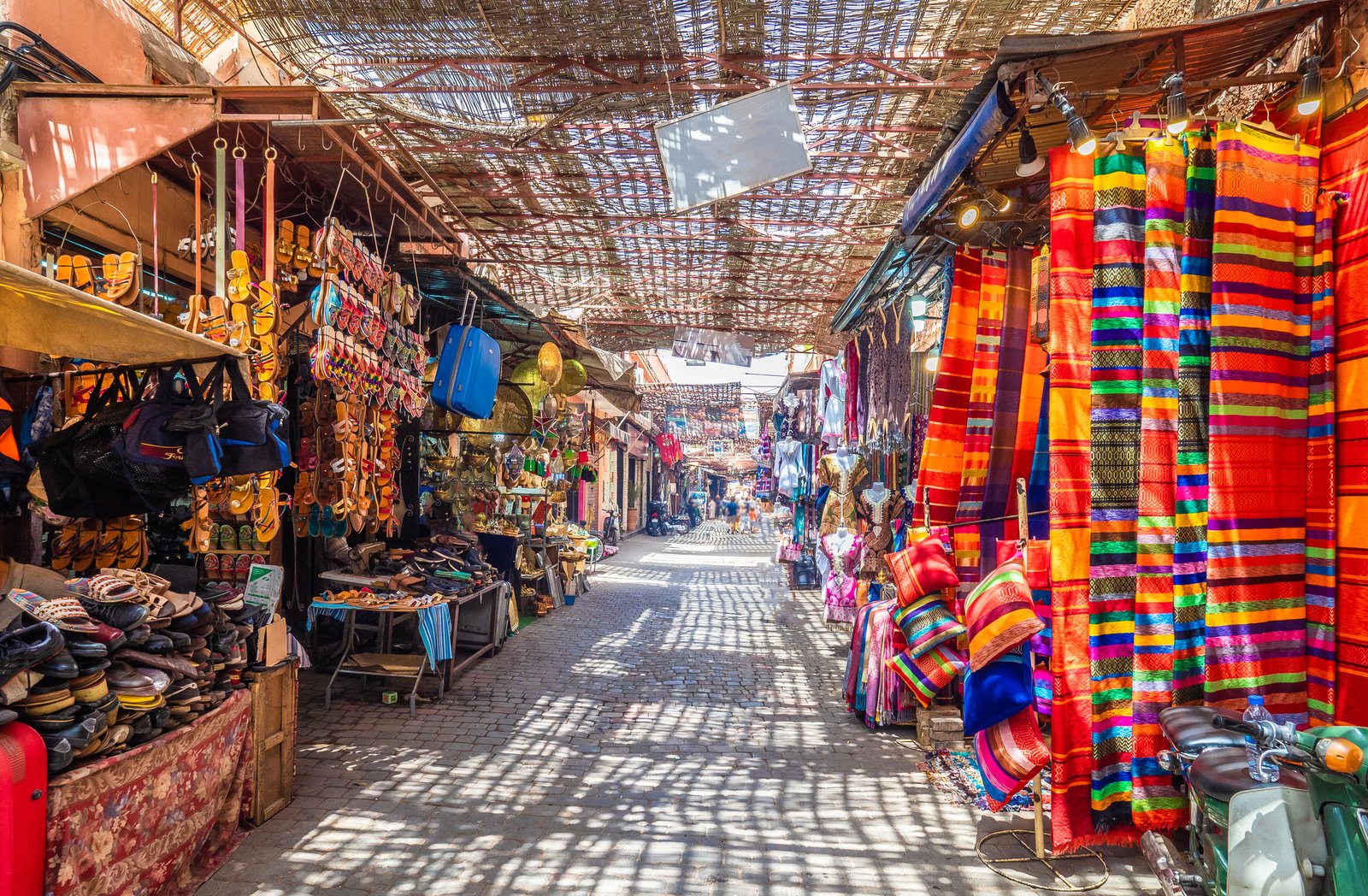
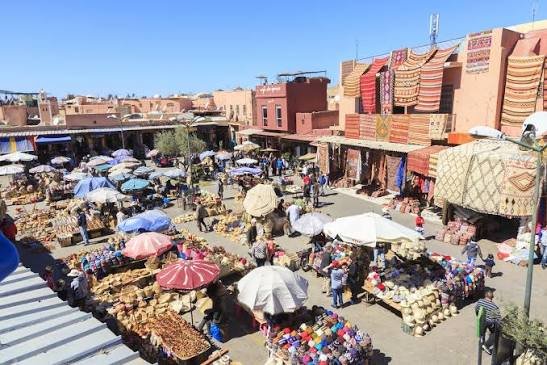
    What cheap things should I buy in Morocco: a souk with spices, slippers and lanterns
    Souks are the best place to compare spices, slippers and small crafts.

    4. Argan Oil and Rose Products

    Argan oil comes from trees in south-west Morocco, and women’s cooperatives produce it for cooking and cosmetics. Rose water, rose petals and soaps come from the Dades valley. These are useful, natural gifts that are easy to carry.

    What cheap things should I buy in Morocco in this category? Small bottles, simple soaps and lip balms from cooperatives. Choose sealed bottles with clear labels, and ask whether the oil is for cooking or for the skin. Avoid unmarked bottles from street stalls.

    5. Small Ceramics

    Moroccan pottery is colourful and handmade, and small pieces make fine souvenirs. Look for little bowls, spoon rests, coasters and tagine-shaped pots. Fes is famous for blue pottery, and Safi for painted dishes.

    Check the glaze for cracks, and test that bowls sit flat. Wrap each piece in clothes and avoid heavy items if you travel with hand luggage only. For ideas on where to shop, see what can you see in Marrakech for free.

    6. Dates, Nuts, Olive Oil and Sweets

    Food gifts are some of the cheapest and most welcome. Dates, almonds, dried figs, olives, olive oil and honey make tasty souvenirs. Buy sealed packs for travel and check your airline’s rules for liquids in hand luggage.

    What cheap things should I buy in Morocco to eat on the road? Dates and almonds from busy stalls, and a little tea to take home. Pastries are best eaten fresh, so enjoy them on the day. For more food tips, read what not to eat in Morocco.

    7. Baskets and Woven Bags

    Woven baskets made of palm leaf, straw or raffia are light, strong and useful. Market baskets, small bags and storage baskets are popular and sold in almost every souk. They are also excellent for carrying your other purchases.

    Look for tight weaving and sturdy handles. Leather-trimmed baskets are a little more refined. A basket is a practical answer to what cheap things should I buy in Morocco for yourself, and it will remind you of the trip for years.

    8. Scarves and Simple Textiles

    Cotton and linen scarves, shawls and small cushion covers are easy to pack and bring colour to a home. Sabra silk (cactus silk) pieces are special, but check that they are genuine. Simple cotton scarves are also useful for sun and dust.

    Touch the fabric, check the dye and ask what it is made of. Wash dark colours separately at first. If you are asking what cheap things should I buy in Morocco for travel, a scarf is both a souvenir and a useful tool.

    9. Black Soap and Hammam Goods

    Savon beldi (black soap), the kessa glove and rhassoul clay are traditional hammam items. They are small, natural and good value, and they make a spa-like gift. Many are sold in pharmacies, herbalists and small shops.

    Choose sealed packages and check ingredients. What cheap things should I buy in Morocco for self-care? Black soap, a kessa glove, rhassoul clay and rose water, all of which are light and easy to pack.

    10. Lanterns and Small Metalwork

    Metal lanterns, trays and candle holders are stunning, but large ones are heavy and fragile. Choose small tea-light lanterns that fit in a bag. Brass and copper pieces are often hand-hammered and polished.

    Check that joints are solid and edges are smooth. For fragile pieces, ask the shop to pack them well. What cheap things should I buy in Morocco for decoration? Small lanterns, coasters and candle holders are the best compromise between beauty and weight.

    11. Silver and Simple Jewellery

    Amazigh silver jewellery is beautiful, but real silver can be costly. For small, affordable gifts, look for simple pendants, rings and bracelets from reputable shops, and ask whether they are silver or plated. Fossil jewellery and beads are also common.

    Be careful with claims such as “antique” or “rare”. Compare several shops and avoid buying under pressure. A modest piece from a craftsperson you trust is better than an expensive item you cannot judge.

    12. Small Gifts and Everyday Items

    Other great low-cost buys include postcards, handmade notebooks, leather purses, tagine cookbooks, small drums and wooden spoons. They are inexpensive, light and made or sold locally.

    When people ask what cheap things should I buy in Morocco as gifts for many friends, the answer is a mix of tea, spices, soap and small crafts. Pack a few in your suitcase and keep a spare bag for the trip home.

    How to Bargain Politely

    Bargaining is normal in souks, but it should be friendly. Ask the price, compare with another shop, offer a lower amount and settle at a fair middle. If you do not like the price, smile and walk away; sometimes the seller will call you back.

    Fixed-price shops and cooperatives exist for people who dislike haggling. Never start bargaining unless you are ready to buy, and never insult the seller. Read our shopping in Marrakech guide for more advice.

    Where to Shop

    Marrakech, Fes and Essaouira have the best-known souks. Smaller towns often have better value and less pressure. Cooperatives, especially for argan oil and weaving, give a fair return to the makers.

    When planning, remember that what cheap things should I buy in Morocco also depends on your route. Desert towns offer fossils and scarves, the Atlas offers weaving and honey, and the coast offers fish and sea products. Our Morocco travel guide shows how to plan.

    What Not to Buy

    Avoid protected items such as endangered animal products, and be cautious with fossils and antiques that may need export papers. Avoid buying very large carpets without understanding quality and shipping. Do not hand over cash for a “free gift” you did not ask for.

    Also avoid buying from unofficial guides who earn commission. If you are unsure, ask your riad host. The UNESCO listed medina of Marrakech is a wonderful place to browse, but a clear plan makes it more relaxing.

    What Cheap Things Should I Buy in Morocco on a Small Budget?

    If your budget is small, start with consumables. Spices, tea, dates and soap are cheap, useful and easy to share. They also last longer than decorations and do not break in a suitcase.

    What cheap things should I buy in Morocco if I only have a few minutes? Visit a spice stall, a soap shop and a basket seller. In one short walk you can fill a small bag with real local goods and spend little.

    Set a daily shopping limit before you go, and carry small notes. This makes bargaining easier, and it prevents you from buying more than you need. Keep one pocket for money and one for receipts.

    What Cheap Things Should I Buy in Morocco by City?

    Each city has its own speciality. In Marrakech, look for spices, lanterns, leather and baskets. In Fes, look for blue ceramics, leather and brass. In Essaouira, look for thuya wood items, argan oil and woven bags.

    In Chefchaouen, buy woven blankets, soaps and local goat cheese. In Merzouga and the desert, buy scarves, fossils from reputable shops and simple jewellery. What cheap things should I buy in Morocco in each place? Choose what is local, not what is the same everywhere.

    What cheap things should I buy in Morocco: the Atlantic coast and city markets
    Coastal cities and old medinas both have good everyday shopping.

    How to Pack Your Purchases

    Packing matters for fragile items. Wrap glasses and ceramics in clothes, put heavy items near the wheels of your case and keep oils and liquids in sealed bags. Ask the shop for bubble wrap or extra paper.

    When thinking about what cheap things should I buy in Morocco, think about weight and size too. Spices, scarves and soap are light, while large metal trays and big pots are heavy. Leave some space in your luggage for gifts, or bring a foldable bag.

    Airport Rules and Customs

    Check your airline’s rules for liquids, and keep receipts for valuable items. Some items, such as protected animal products and certain antiques or fossils, may be restricted. If a seller says an item is rare or old, ask for proper papers.

    Your home country may also limit the amount of food, plants or alcohol you can bring. Dates, nuts and tea are usually fine, while fresh produce may not be. What cheap things should I buy in Morocco without any customs trouble? Spices, tea, soap, textiles and small crafts.

    Buying Ethically

    Ethical shopping supports local families. Cooperatives, women-run workshops and craft schools offer fair payment and good quality. Ask who made the item and how, and choose shops that are happy to explain.

    Avoid products that harm animals or the environment. What cheap things should I buy in Morocco that are also ethical? Handmade baskets, ceramics, cooperative argan oil and locally woven textiles. Your purchase then supports skills that are centuries old.

    Best Cheap Gifts for Family and Friends

    For colleagues and neighbours, buy small tea sets, spice packs or soap. For close friends, babouches, scarves and small lanterns are more personal. For children, small drums, leather purses and sweets are fun.

    What cheap things should I buy in Morocco as wedding or housewarming gifts? A tea set with a tray, a ceramic bowl or a woven basket. These gifts are useful, beautiful and tell a story about your trip.

    Final Answer: What Cheap Things Should I Buy in Morocco?

    To sum up, what cheap things should I buy in Morocco? Spices, tea glasses, babouches, argan and rose products, ceramics, dates and nuts, baskets, scarves, black soap, small lanterns and simple silver. Buy them with curiosity, compare shops and bargain with a smile.

    Once you know what cheap things should I buy in Morocco, shopping becomes a pleasure rather than a stress. Take your time, trust your instincts and enjoy the stories behind each item. If you want help, our team can design a day with trusted shops and a local guide.

    Finally, remember that the best souvenirs are not always the cheapest. A well-made item you will use for years is better than a pile of cheap goods. Keep this guide on your phone, and you will always know what cheap things should I buy in Morocco.

    Friends often ask us what cheap things should I buy in Morocco before a short trip, and our answer is always the same: start with spices, tea and soap, then add one handmade craft you love. Travellers who plan what cheap things should I buy in Morocco before they arrive spend less time worrying and more time enjoying the markets. So when you wonder what cheap things should I buy in Morocco, think useful, light, local and fairly priced.

    Frequently Asked Questions

    What cheap things should I buy in Morocco?

    Spices, tea glasses, babouches, argan oil, small ceramics, dates, nuts, baskets, scarves, black soap and small lanterns.

    Is it better to buy in souks or cooperatives?

    Souks offer variety and bargaining, while cooperatives offer fixed fair prices and trusted products, especially for argan oil.

    Can I bring argan oil home on a plane?

    Yes, if it is within your airline’s liquid rules. Put it in checked luggage or a sealed small bottle.

    How do I avoid fake products?

    Buy from reputable shops or cooperatives, smell and touch items, ask about materials and compare several stalls.

    Do I need to bargain?

    In souks, yes, politely. In fixed-price shops and cooperatives, no.

    Can you help me plan a shopping day for what cheap things should I buy in Morocco?

    Yes. Send your dates on WhatsApp at +212 682 832 176 or through the contact page and we will arrange a trusted guide and route.

    Shop Morocco With a Trusted Local Team

    We can arrange a licensed guide, trusted cooperatives and stress-free transfers, so you find authentic crafts at fair value.

    Request a Free QuoteWhatsApp Us

  • What Not to Eat in Morocco? Ultimate Guide to 10 Best Food Safety Tips

    What Not to Eat in Morocco? Ultimate Guide to 10 Best Food Safety Tips

    Morocco · Food Guide · Updated 2026

    What Not to Eat in Morocco? Ultimate Guide to 10 Best Food Safety Tips

    Simple, calm advice so you can enjoy Moroccan food without an upset stomach

    What not to eat in Morocco? The honest answer is a short list of risky habits, not a list of forbidden dishes. Be careful with raw salads washed in tap water, unpeeled fruit, ice of unknown origin, food that has been sitting in the heat and seafood far from the coast. Most Moroccan food is cooked fresh and is safe and delicious.

    This guide explains what not to eat in Morocco in 10 practical tips, together with what you should definitely try. It is written to reassure, not to scare. A few smart choices let you enjoy tagines, couscous, pastries and street snacks all week.

    For a tasty starting point, read what is a traditional dish in Marrakech, and for general advice see what should I avoid in Morocco.

    What Not to Eat in Morocco? The Short Answer

    Quick answer: avoid tap water and ice from unknown sources, raw salads and unpeeled fruit in very small places, food that has been left out in the heat, cut fruit sold from open carts, seafood far from the coast and unpasteurised dairy. Choose busy stalls, hot freshly cooked dishes and bottled or filtered water.
    Be careful with Why Safer choice
    Tap water, ice Local water can upset visitors Bottled or filtered water
    Raw salads Washed in tap water Cooked vegetable salads
    Pre-cut fruit Handling and flies Fruit you peel yourself
    Lukewarm meat Heat and storage Freshly grilled meat
    Inland seafood Distance from the coast Coastal fish grills
    Fresh cheese, raw milk Not always pasteurised Packaged dairy
    What not to eat in Morocco: the old medina of Fes where food stalls fill the lanes
    The lanes of Fes are full of stalls, so choose busy ones with fresh food.

    1. Tap Water and Ice

    The first rule of what not to eat in Morocco is really a rule about drinking. Tap water is treated in cities, but it can still upset visitors who are not used to it. Drink bottled or filtered water and brush your teeth with it if your stomach is sensitive.

    Ice is usually fine in hotels and reputable restaurants, but be careful in small cafés and street stalls. Ask for drinks without ice if you are unsure. Hot mint tea is always safe, since the water is boiled, and it is also the most Moroccan drink of all.

    2. Raw Salads in Small Places

    Moroccan salads are famous, and most are cooked vegetables such as zaalouk or taktouka, which are safe. What not to eat in Morocco is raw lettuce and uncooked leaves washed in tap water, especially in very small or very cheap places on your first days.

    In good restaurants and riads, raw salads are usually washed with filtered water and are fine. If you are unsure, ask how they are prepared, or order the cooked options. Your stomach will adjust, and after a few days you can relax a little.

    3. Fruit and Fresh Juices

    Oranges, dates, figs, melons and pomegranates are wonderful in Morocco. Eat fruit that you peel yourself, and wash or avoid fruit with soft skins that you cannot peel. What not to eat in Morocco is cut fruit left in the sun at open carts, because it may have been handled many times.

    Fresh orange juice from busy stalls is usually squeezed in front of you and is popular with visitors. Avoid juice mixed with water or ice you cannot check. Choose stalls with a quick turnover, where the fruit looks fresh and the glasses are clean.

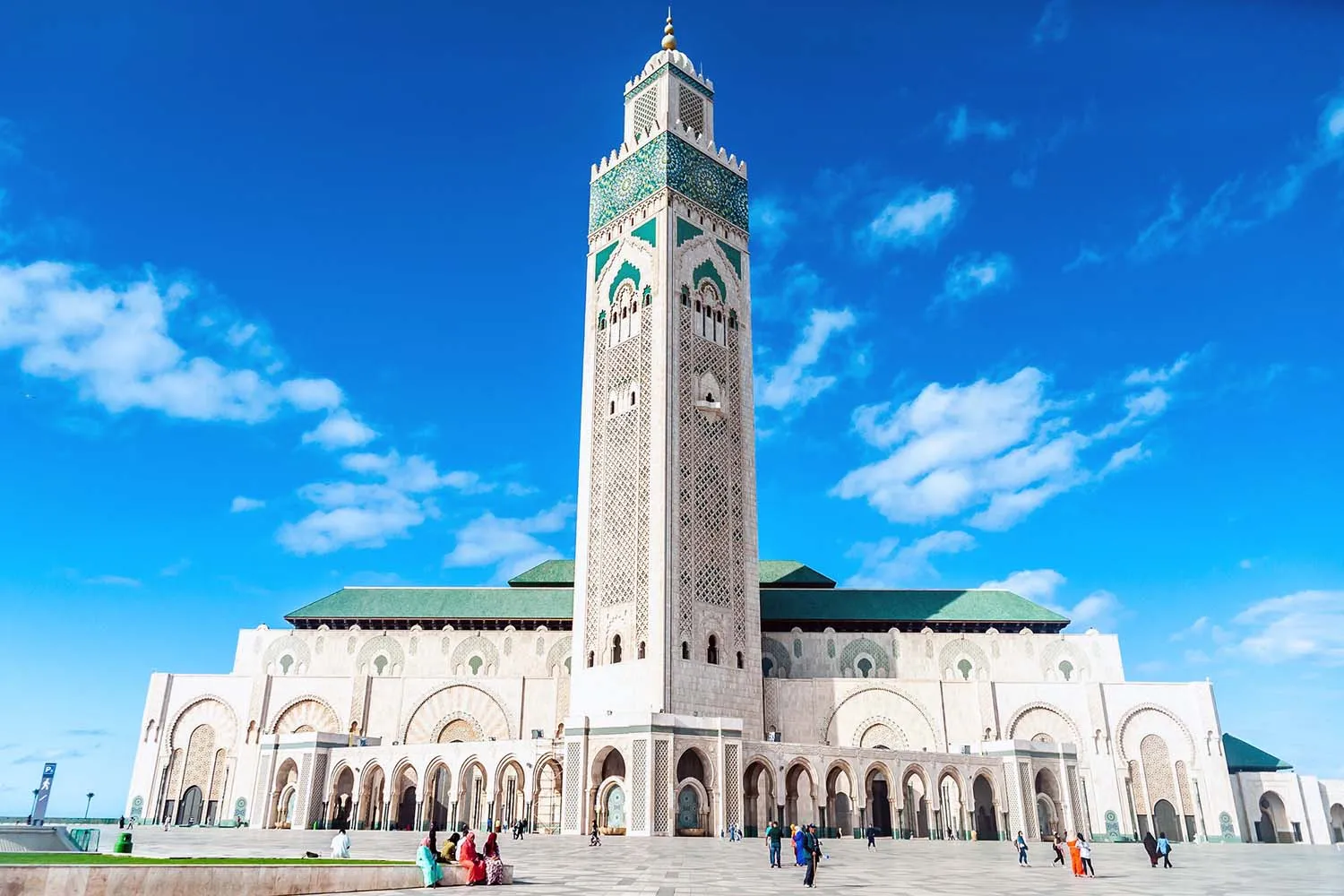
    What not to eat in Morocco: Casablanca coast where fresh fish is the safest seafood
    Fresh fish near the coast is the safest way to enjoy Moroccan seafood.

    4. Street Food Rules

    Street food is a highlight, and you should not avoid it completely. What not to eat in Morocco is street food from stalls with no customers, no heat and no turnover. Look for crowds, steaming pots, grills with fresh meat and cooks who handle food cleanly.

    Eat food that is served hot, and skip anything that looks lukewarm or has been uncovered for a long time. Snacks such as bread, grilled corn, nuts and fried fish are usually safe when fresh. Carry hand sanitiser and use it before eating.

    5. Meat, Heat and Storage

    Grilled meats, kefta and tagines are popular. What not to eat in Morocco in summer is meat that has been sitting out in the heat, especially minced meat and shawarma-style spits in places with low turnover. Choose busy grills where meat is cooked to order.

    A tagine served bubbling hot is almost always a safe choice, because it has been cooked for hours. Avoid reheated dishes that arrive lukewarm, and send back food that smells or tastes wrong. Good restaurants will understand and replace it politely.

    6. Seafood Far From the Coast

    Morocco has excellent fish on its Atlantic coast, in towns such as Essaouira, Casablanca and Agadir. What not to eat in Morocco is seafood far from the sea, in the middle of the desert or in very cheap places with no refrigeration. Fish should smell fresh and be cooked well.

    Choose busy harbour grills and ask what came in that morning. Shellfish should be eaten only in places you trust. Read our Marrakech to Essaouira day trip guide for a classic seafood day out.

    7. Dairy and Eggs

    Yoghurt, milk and cheese are common at breakfast. What not to eat in Morocco if you are cautious is raw or unpasteurised milk and soft fresh cheese from village stalls. Packaged yoghurt and milk from supermarkets are safer choices.

    Eggs are usually cooked well in tagines and breakfasts, which is fine. Avoid dishes with raw eggs, such as homemade mayonnaise or desserts in unreliable places. In hotels and riads, breakfast is generally prepared with care.

    8. Sweets and Snacks

    Moroccan pastries, such as chebakia and gazelle horns, are delicious and usually safe. What not to eat in Morocco is cream-filled pastries kept at room temperature in hot weather and sweets that look old or sticky. Choose busy pastry shops with fresh trays.

    Nuts, dried fruit and dates are great travel snacks. Buy them sealed or from busy stalls, and keep them in a cool bag. If you eat a lot of sugar, balance it with water and savoury food so you feel good all day.

    9. Alcohol and Pork

    Pork is not part of traditional Moroccan cuisine and is rarely served, except in some tourist hotels and special shops. Alcohol is sold in licensed bars, hotels, some restaurants and supermarkets, but not in most local cafés. What not to eat in Morocco in a restaurant is anything you cannot identify, so ask when unsure.

    Avoid drinking in public and keep alcohol discreet. Homemade or unlabelled spirits can be dangerous, so buy only from licensed outlets. Mint tea and fresh juices are the local drinks and are often better than a hotel cocktail.

    10. Ramadan and Food Etiquette

    During Ramadan, avoid eating, drinking and smoking in public during the day. Many cafés are closed until sunset, but hotels and tourist restaurants still serve visitors. What not to eat in Morocco during Ramadan is anything in the street in front of fasting people, which may cause offence.

    At the table, eat with your right hand, share from the central dish and do not waste bread. Accept tea and a small portion if you are invited, and say “bismillah” before eating. These small gestures are always appreciated.

    What You Should Definitely Eat

    After thinking about what not to eat in Morocco, remember the best things to try. A slow-cooked tagine, couscous on Friday, harira soup, grilled sardines, fresh bread, olives, almonds, dates and mint tea are all excellent. Each region adds its own specialities.

    • Marrakech: tangia, grilled meat in the main square.
    • Fes: pastilla and refined sweet-and-savoury dishes.
    • Coast: grilled sardines and fish tagines.
    • Desert: sand-baked bread, known as medfouna.

    For more ideas, see what is Marrakech most famous for and our Morocco travel guide.

    Allergies and Special Diets

    If you have allergies, say so clearly in French, Arabic or in writing. Nuts are common in sweets, sauces and argan products, and wheat is in couscous and bread. What not to eat in Morocco with a nut allergy is almost any pastry unless the cook confirms the ingredients.

    Vegetarians can enjoy vegetable tagines and couscous, but check whether the broth contains meat. Vegans should ask about butter and honey. Halal food is normal and widely available, so travellers who follow a halal diet will find the choice easy.

    What not to eat in Morocco: a calm street scene in Rabat with simple cafés
    Simple cafés and bakeries are easy places to start.

    If Your Stomach Is Upset

    Mild stomach trouble can happen even to careful travellers. Rest, drink bottled water or oral rehydration salts, eat plain bread, rice or bananas and avoid dairy, spicy food and alcohol for a day. Most cases pass quickly.

    See a doctor or pharmacist if you have a high fever, blood, severe pain or symptoms that last more than two days. Travel insurance is useful, and pharmacies in Moroccan cities are easy to find. Knowing what not to eat in Morocco reduces the chance of problems but cannot remove it completely.

    A Smart Daily Routine

    A simple routine makes eating easy. Start with a hotel or riad breakfast, carry water and a small snack, eat the main meal at midday in a busy restaurant and keep dinner light and early if you are sensitive. Always wash your hands and choose cooked dishes in the first days.

    After a few days, your body adjusts, and you can try more. The idea behind what not to eat in Morocco is to build confidence, not to avoid the cuisine. Combine it with what can you see in Marrakech for free for a relaxed city day.

    What Not to Eat in Morocco by Region

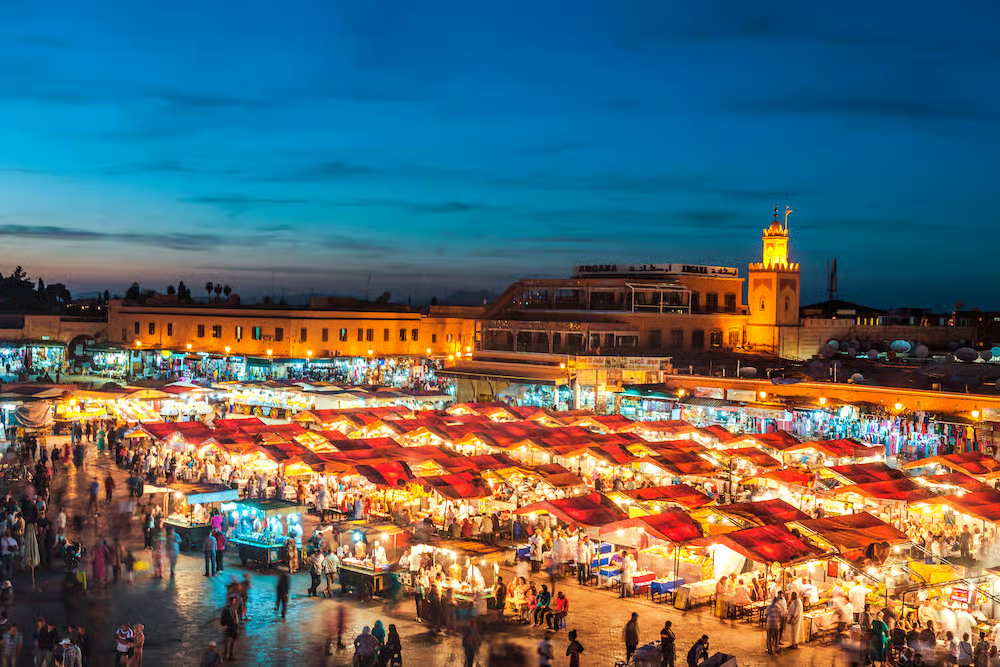
    Each region has its own food risks and pleasures. In Marrakech, what not to eat in Morocco is cut fruit and lukewarm grills in the busiest square stalls at the hottest hours. Choose stalls with long queues and food straight from the fire.

    In Fes, what not to eat in Morocco is raw salads in very cheap places, while the famous pastilla and tagines in good restaurants are excellent. On the coast, what not to eat in Morocco is seafood that is not cold, fresh and cooked in front of you.

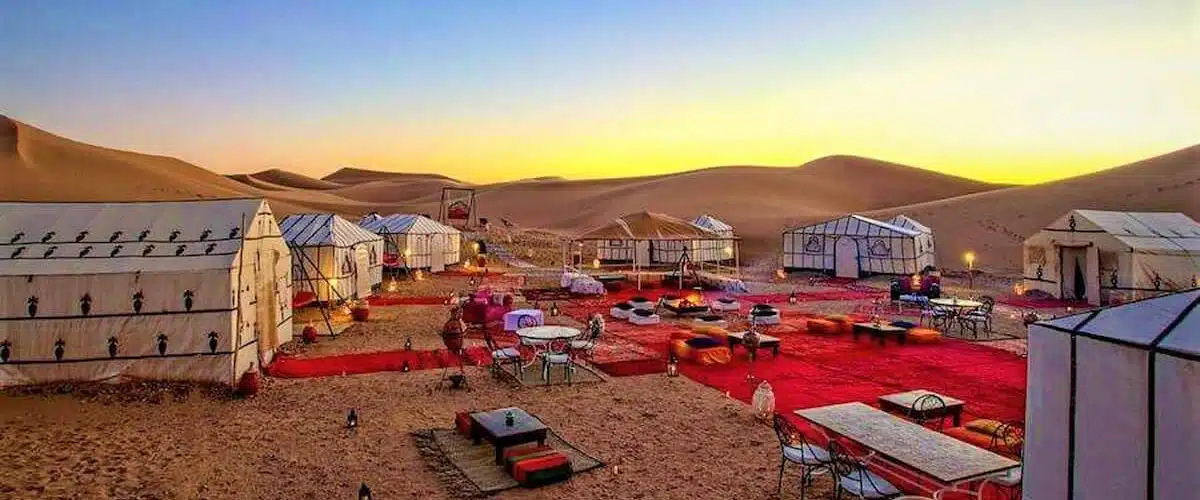
    In the desert, what not to eat in Morocco is anything that has been stored without a fridge for long. Camps usually serve simple, hot tagines, soup and bread, and these are safe and tasty. Drink bottled water and bring snacks for the road.

    Tourist-Trap Restaurants

    Not every restaurant near a famous square is good. What not to eat in Morocco in tourist traps is the oversized “menu of the day” with identical dishes, reheated food and pushy staff who pull you off the street. Check recent reviews and look at what locals order.

    A good sign is a short menu, a busy room and a kitchen that cooks fresh dishes. Ask your riad host for two or three trusted places, and book ahead in high season. Our Marrakech travel itineraries include meal ideas for each day.

    How to Order Safely

    A few simple habits help. Ask for dishes that arrive steaming hot, choose busy places and drink only sealed bottles. Open the bottle yourself or check the seal. When someone offers to serve you, accept politely and eat slowly.

    • Choose tagines, soups and grilled food.
    • Eat fruit you can peel.
    • Avoid ice in small places on day one.
    • Keep hand sanitiser in your bag.
    • Eat your biggest meal at midday, when kitchens are freshest.

    These tips make the question what not to eat in Morocco much easier. You are not avoiding the cuisine; you are choosing the safest way to enjoy it.

    Common Myths About Moroccan Food

    Many travellers hear that all street food is dangerous. This is false, and some of the best meals are cooked on the street. Others hear that spicy food is the problem, but Moroccan cooking is aromatic rather than very hot, so the real risks are water, heat and handling.

    Another myth is that you must avoid every salad. In truth, what not to eat in Morocco is a short list, and the rest is a feast. Another is that restaurants for tourists are always safe, yet busy local places can be cleaner and tastier. Judge by freshness and crowds, not price.

    Children, Seniors and Sensitive Stomachs

    Families and older travellers can enjoy Moroccan food with a little extra care. For children, choose plain bread, grilled chicken, rice, soup and fruit you peel yourself. Carry oral rehydration salts and use bottled water for drinks and brushing teeth.

    What not to eat in Morocco with small children is very spicy sauces, raw items from street stalls and unpasteurised dairy. Seniors with sensitive stomachs should avoid heavy fried meals in the heat. Ask hotels for simple meals, and take your time.

    Final Answer: What Not to Eat in Morocco

    To sum up, what not to eat in Morocco is a short list of cautious choices: untreated water and ice, raw salads in small places, cut fruit from carts, lukewarm meat, inland seafood and unpasteurised dairy. Everything else is a chance to enjoy one of the world’s great cuisines.

    If you remember what not to eat in Morocco and follow the simple rules above, you will probably eat well and feel well. Share this list with your travel partners, and ask us if you need help with restaurants, routes or special diets.

    Finally, ask yourself what not to eat in Morocco on each new day, based on heat, place and freshness. A few seconds of thought before ordering are the best food insurance, and a smile at the cook is the best seasoning.

    Frequently Asked Questions

    What not to eat in Morocco as a tourist?

    Be careful with tap water, ice, raw salads, pre-cut fruit, lukewarm meat, inland seafood and unpasteurised dairy.

    Is street food in Morocco safe?

    Usually yes, if you choose busy stalls and food cooked fresh and served hot.

    Can I drink the tap water in Morocco?

    Bottled or filtered water is the safer option for visitors, including for brushing teeth if you are sensitive.

    Is it safe to eat salad in Morocco?

    Cooked salads are safe. Raw salads are fine in good restaurants but avoid them in very small places at first.

    Can vegetarians eat well in Morocco?

    Yes. Vegetable tagines and couscous are common, but ask whether the broth contains meat.

    Can you help me plan a food-friendly trip so I know what not to eat in Morocco?

    Yes. Send your dates and diet on WhatsApp at +212 682 832 176 or through the contact page, and we will arrange trusted restaurants and a private route.

    Taste Morocco With a Trusted Local Team

    We choose clean, popular restaurants and licensed guides, so you can enjoy the food with confidence on every route.

    Request a Free QuoteWhatsApp Us

  • What Should I Avoid in Morocco? Ultimate Guide to 12 Best Tips

    What Should I Avoid in Morocco? Ultimate Guide to 12 Best Tips

    Morocco · Travel Tips · Updated 2026

    What Should I Avoid in Morocco? Ultimate Guide to 12 Best Tips

    Honest advice on scams, dress, photos, food, customs and common first-time mistakes

    What should I avoid in Morocco? The short answer is a small list of avoidable problems: fake guides, unfixed prices, offensive dress, photographing people without permission, drugs, unlicensed services and rushed itineraries. None of these are reasons to stay away. They are simply easy to dodge once you know them.

    Morocco is welcoming, colourful and generally safe for visitors, and millions of tourists enjoy it every year. This guide explains what should I avoid in Morocco in 12 practical tips, with calm explanations and simple solutions, so you can relax and enjoy your trip.

    For the wider picture, read our is Morocco safe to travel guide, and for planning, see Morocco travel.

    What Should I Avoid in Morocco? The Short Answer

    Quick answer: avoid unofficial guides who approach you, unagreed prices, revealing clothes in the medina, photographing people without asking, buying or using drugs, drinking tap water, insulting religion or the monarchy, rushing between far cities and booking unlicensed desert or adventure services. Smile, stay polite and keep your plans flexible.
    Avoid Why Instead
    Unofficial guides Hidden commissions, shop detours Book a licensed guide
    Unfixed prices Disputes at the end Agree before you start
    Very short clothes Unwanted attention Light, loose layers
    Photos of people Offence, demands for money Ask first
    Drugs Illegal, police risk Say a firm no
    Tap water Stomach upset Bottled water
    What should I avoid in Morocco: a calm view over the old medina of Fes
    Preparation makes the medina of Fes easier and more enjoyable.

    1. What Should I Avoid in Morocco With Guides? Fake Guides

    The first answer to what should I avoid in Morocco is unofficial guides. In busy places you may meet friendly strangers who say the road is closed, offer to show you “the real market” or say they are heading the same way. Many are looking for a tip or a commission from a shop.

    Say “no, thank you” calmly and keep walking. If you want a guide, book a licensed one through your riad, hotel or a trusted agency, and agree the length and rate in advance. A good guide makes the medina much easier and more interesting.

    2. Unfixed Prices

    Many travellers who ask what should I avoid in Morocco forget about prices. Before a taxi ride, a camel trek, a henna session or a guided walk, agree the price and what is included. Misunderstandings usually happen when nothing was said at the start.

    In shops, bargaining is normal and part of the experience, but only start if you are interested. Never accept a “gift” without asking whether payment is expected. For tips on friendly bargaining, read our shopping in Marrakech guide.

    3. Dress Mistakes

    There is no strict dress code for visitors, but modest clothes are the local norm. What should I avoid in Morocco when packing? Very short shorts, low-cut tops and see-through fabrics, especially in medinas, villages and near mosques. Loose trousers, long skirts and light shirts are cooler and more comfortable.

    Beach resorts and hotel pools are more relaxed, so you can dress as you would on holiday there. A light scarf is useful for sun, for covering shoulders and for a quick adjustment when you enter a religious or traditional area.

    What should I avoid in Morocco: relaxed street life in the capital Rabat
    Rabat, the capital, has a calmer pace than the big tourist squares.

    4. Photography Without Permission

    Another common answer to what should I avoid in Morocco is careless photography. Many people dislike being photographed, especially women, older people and children, and some will ask for money or become upset. Always ask first, smile and accept a refusal.

    Do not photograph police, military sites, government buildings or border posts. Drones need official authorisation, so do not bring one without checking the rules. Landscapes, buildings and street scenes are usually fine, and a short conversation often leads to better photos than a hidden lens.

    5. Drugs and Excessive Alcohol

    Cannabis, hashish and other drugs are illegal for visitors, even in regions where locals grow cannabis plants. Sellers may approach you in some northern towns, and the answer should always be a polite no. The risks include police checks, fines and serious legal trouble.

    Alcohol is available in licensed hotels, bars and some restaurants, but not in most local cafés, and public drunkenness is frowned upon. If you drink, do so discreetly and in suitable places. What should I avoid in Morocco at night? Empty streets, strangers offering “special” products and unlicensed venues.

    6. Food and Water Mistakes

    Moroccan food is a highlight, and you do not need to fear it. Simply drink bottled or filtered water, be careful with ice and raw salads in very small places and choose busy stalls where food is cooked fresh. Wash your hands before eating, since bread and tagine are often shared.

    What should I avoid in Morocco if my stomach is sensitive? Heavy meals in the midday heat, untreated water and unfamiliar street food on your first day. Our guide to what is a traditional dish in Marrakech shows what to order with confidence.
    What should I avoid in Morocco: the fishing port and sea air of Essaouira
    Fresh seafood in Essaouira is best at busy, well-reviewed grills.

    7. Taxi Problems

    Taxis are cheap and convenient, but problems arise when the meter is not used or the price is vague. In cities, ask the driver to use the meter, or agree the fare before you get in. Carry small notes, because drivers may not have change.

    What should I avoid in Morocco at airports and stations? Unofficial drivers who approach you inside the terminal. Use the official taxi rank, a pre-booked transfer or a ride-hailing app where available. If something feels wrong, simply step out and find another car.

    8. Ramadan and Religious Manners

    During Ramadan, many Muslims fast from dawn to sunset. Avoid eating, drinking or smoking in public during the day, and expect shorter opening hours. After sunset, the cities come alive with family meals and special sweets, and visitors are often welcomed warmly.

    Non-Muslims cannot enter most mosques, with a few exceptions, so do not try to enter without permission. Keep your voice down near prayer areas and dress modestly. For holiday timing, see Aid al-Fitr in Morocco 2027.

    9. Religion, Politics and the Monarchy

    Another honest answer to what should I avoid in Morocco is sensitive topics. Respect for Islam, the king and the royal family is important, and criticism or jokes can cause offence or even legal trouble. The status of Western Sahara is also a sensitive subject, so avoid debating it with strangers.

    Most Moroccans love to talk about football, food, family, travel and music. If someone raises politics, listen politely and change the subject. Public arguments never help, and a smile goes a long way.

    10. Shopping Traps

    Souvenirs are a joy, but avoid buying under pressure. Be careful with “antiques”, fossils and carpets sold as rare, and compare quality and prices in more than one shop. Never hand over a deposit or card details until you are sure about the item and the shipping terms.

    Avoid shopping with a stranger who guides you to a particular store, because the shopkeeper may add the commission to your price. Ask your riad where to find fair-price cooperatives, and keep your phone and wallet in a front pocket in crowded souks.

    11. Desert, Animals and the Sun

    Desert trips are unforgettable, but avoid unlicensed operators with no insurance, no clear route and no safety equipment. Check reviews, ask about water, shade and vehicles, and bring a scarf, sunglasses and sunscreen. Dunes can be cold at night and very hot by day.

    What should I avoid in Morocco with animals? Do not feed or tease monkeys in places like Ouzoud, and avoid street performers who use chained animals. Choose ethical camel and horse rides, and keep your distance from stray dogs and cats. See Merzouga activities for responsible options.

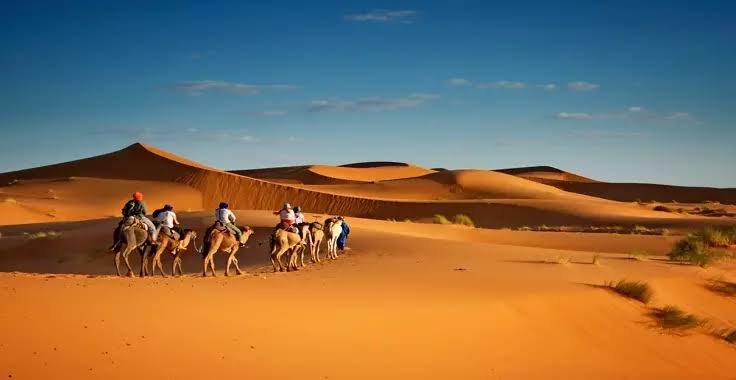
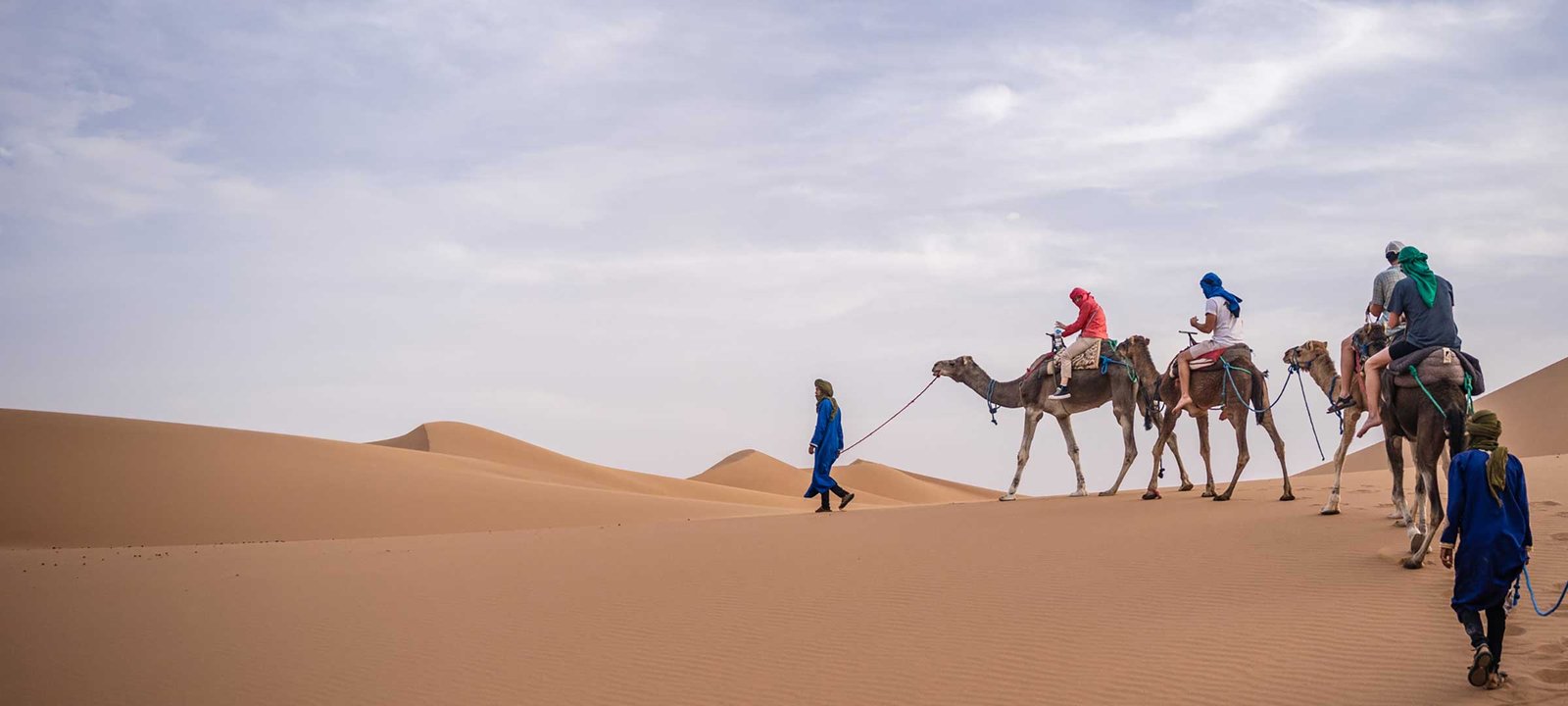
    What should I avoid in Morocco: a guided camel trek in the Merzouga dunes
    Choose an operator with a clear route, water and insurance for desert trips.

    12. Rushed Itineraries

    The most common regret is trying to see too much. Morocco is large, and a map can look deceptive. Fes to Merzouga takes a full day, and Marrakech to Tangier is a long journey. Avoid changing hotels every night.

    What should I avoid in Morocco when planning? Overnight bus journeys on the first day, tight connections and no rest days. Our how many days in Morocco is enough guide and where is Morocco article help you build a realistic route.

    Couples and LGBTQ+ Travellers

    Public displays of affection are best kept discreet in Morocco. Hotels and riads normally accept foreign couples, but rules for unmarried Moroccan couples can differ, so ask your host if you are unsure. Same-sex relations are illegal under Moroccan law, so LGBTQ+ travellers usually choose discretion and good research.

    This is a factual reality rather than a judgement, and many visitors travel without problems. Asking what should I avoid in Morocco is often the first step to a safe trip, and discretion is a practical part of that.

    Solo and Women Travellers

    Women travelling alone or with friends often have a wonderful time, but they may notice more verbal attention. Calm confidence, modest clothes and trusted transport help. For city-specific advice, read visiting Marrakech as a woman.

    Whatever your plan, share your itinerary with someone, save emergency numbers and trust your instincts. If a street feels wrong, turn around; if a person is persistent, enter a shop or café and ask for help.

    Quick Checklist: What Should I Avoid in Morocco?

    • Avoid unofficial guides who approach you in the street.
    • Avoid starting any service without agreeing the price.
    • Avoid very short or revealing clothing in medinas and villages.
    • Avoid photographing people, police or military sites.
    • Avoid drugs and public drunkenness.
    • Avoid tap water and risky street food on day one.
    • Avoid eating in public during Ramadan days.
    • Avoid political or royal jokes.
    • Avoid buying under pressure.
    • Avoid unlicensed desert operators.
    • Avoid rushed itineraries.

    The UNESCO list of Moroccan heritage sites is a good starting point for deciding where to go, and our travel to Morocco 2027 guide has up-to-date planning tips.

    What Should I Avoid in Morocco With Money?

    Handle money with simple habits. Withdraw cash from ATMs inside banks or hotels, and avoid machines in dark, isolated places. Carry small notes for taxis, tips and snacks, because change is often short. Keep a little cash in a separate pocket.

    What should I avoid in Morocco when paying by card? Very small shops and villages may accept cash only. Never share your PIN, and avoid changing money with street dealers. Use banks, exchange offices or hotels, and keep your receipts.

    What Should I Avoid in Morocco When Driving?

    Driving is possible, but it is not for everyone. Roads between big cities are good, while mountain roads are winding and slow. What should I avoid in Morocco on the road? Night driving, overtaking on blind bends and unclear speed limits near police checks.

    Police checkpoints are common and usually polite. Carry your licence, passport copy and car papers, and respect speed limits. Many visitors prefer a private driver-guide, who knows the roads, the checkpoints and the best stops, and who lets you enjoy the view.

    What Should I Avoid in Morocco for Your Health?

    Health problems are usually small and avoidable. The sun is strong, so avoid long walks at midday and wear a hat, sunscreen and sunglasses. Drink plenty of water, rest in the afternoon and avoid heavy meals when it is hot.

    What should I avoid in Morocco if you take medicine? Running out of supplies. Carry enough in your hand luggage, with a prescription, and buy travel insurance that covers medical care. Pharmacies are common in cities and can help with simple problems.

    What Should I Avoid in Morocco When Invited Home?

    Being invited to a Moroccan home is a privilege. Arrive with a small gift such as pastries or fruit, remove your shoes at the door and accept tea. Eat with your right hand, take small portions at first and praise the food.

    What should I avoid in Morocco as a guest? Refusing hospitality rudely, showing the soles of your feet, wasting bread or leaving suddenly after the meal. These small courtesies create warm friendships, and many travellers remember them as the best moments of their trip.

    Common First-Timer Mistakes

    First visits often include the same errors. Travellers arrive without a transfer, accept the first offer from a stranger, wear unsuitable clothes or rely only on a phone map in confusing lanes. Others expect everything to run exactly on time.

    What should I avoid in Morocco to keep stress low? Rigid schedules and high expectations of speed. Build in buffer time, learn a few polite phrases and treat delays as part of the adventure. A flexible, friendly attitude is the best travel tool you can pack.

    So, what should I avoid in Morocco above all? Anything that makes you rush, argue or stay silent when something feels wrong. Ask questions, check prices and use your riad or guide as a local resource. Our all Morocco tours page shows trusted ways to travel with support.

    Final Answer: What Should I Avoid in Morocco?

    Here is the final answer to what should I avoid in Morocco. Avoid pressure, avoid shortcuts offered by strangers and avoid anything that is illegal or disrespectful. Choose licensed services, clear prices and polite behaviour, and the country will reward you with generous hospitality.

    Many readers ask what should I avoid in Morocco because they have heard worrying stories. The truth is that most visits are smooth, and problems are usually small and preventable. If you remember what should I avoid in Morocco from this list, you are already better prepared than most first-time visitors.

    Before you go, save our list, share it with your travel partners and plan a route that suits your pace. If you want help, ask us what should I avoid in Morocco for your exact dates and region, and we will give a clear, friendly answer for your trip.

    Finally, remember that what should I avoid in Morocco is also a question about attitude. Stay curious, patient and kind, and you will avoid most of the problems before they begin.

    Frequently Asked Questions

    What should I avoid in Morocco as a tourist?

    Unofficial guides, unagreed prices, revealing clothes, photographing people without permission, drugs and rushed itineraries.

    Is it safe to drink the tap water in Morocco?

    It is better to drink bottled or filtered water, and be careful with ice in small places.

    Can I take photos of people in Morocco?

    Ask permission first. Many people prefer not to be photographed, and some may ask for payment.

    Is alcohol allowed in Morocco?

    It is sold in licensed hotels, bars and shops, but not in most local cafés, and public drunkenness is frowned upon.

    What should I avoid in Morocco during Ramadan?

    Avoid eating, drinking or smoking in public in the daytime and dress modestly out of respect.

    Can you help me plan a trip so I know what should I avoid in Morocco?

    Yes. Send your dates on WhatsApp at +212 682 832 176 or through the contact page, and we will arrange a private route with a licensed driver-guide.

    Travel Morocco With a Trusted Local Team

    Skip the guesswork. We arrange licensed guides, trusted riads, fair transfers and desert camps, so you can enjoy Morocco without worry.

    Request a Free QuoteWhatsApp Us

  • Where Is Morocco? Ultimate Guide to Location, Borders and 10 Best Facts

    Where Is Morocco? Ultimate Guide to Location, Borders and 10 Best Facts

    Morocco · Geography · Updated 2026

    Where Is Morocco? Ultimate Guide to Location, Borders and 10 Best Facts

    Map position, neighbours, seas, mountains, desert and how far it is from Europe

    Where is Morocco? It is a country in the far north-west of Africa, with coastlines on both the Atlantic Ocean and the Mediterranean Sea. Only about 14 km of water, the Strait of Gibraltar, separates its northern tip from Spain and Europe. To the east lies Algeria, and to the south lies the Sahara desert.

    This guide answers where is Morocco in clear, practical terms. You will find its position, borders, size, regions, climate and travel times from Europe and North America. Figures are approximate, so check current details before you book.

    If you are planning a visit, our Morocco travel guide shows the best routes, and the how many days in Morocco is enough article helps you choose a trip length.

    Where Is Morocco? The Short Answer

    Quick answer: Morocco is in North Africa, in the far north-west of the continent. It borders Algeria to the east, the Atlantic Ocean to the west, the Mediterranean Sea to the north and the Sahara to the south. It lies just 14 km from Spain across the Strait of Gibraltar. The capital is Rabat and the largest city is Casablanca.
    Fact Detail
    Continent Africa, north-west corner
    Seas Atlantic Ocean and Mediterranean Sea
    Neighbours Algeria, Spain by sea, Western Sahara and Mauritania to the south
    Capital Rabat
    Largest city Casablanca
    Highest peak Jebel Toubkal, 4,167 m
    Time zone UTC+1 for most of the year
    Where is Morocco: the old medina of Fes in north-west Africa
    The old medina of Fes, one of the great cities of north-west Africa.

    Where Is Morocco on the Map?

    On a world map, look at the top-left corner of Africa. Morocco is the country that sticks out towards Europe, with a long Atlantic coast to the west and a shorter Mediterranean coast to the north. Its position makes it both an African and a Mediterranean country, and it is often called the “gateway between two continents”.

    The country lies roughly between latitudes 27 and 36 degrees north, which places it in the same band as southern Spain, Portugal, Tunisia and the southern United States. The coastline runs for about 3,500 km, and the interior is a patchwork of mountains, plateaus, valleys and desert.

    When travellers first ask where is Morocco, they are often surprised by its size. It is larger than Spain and similar in area to California and Nevada combined, and the main cities are far apart. A road trip from Tangier in the north to Merzouga in the south takes more than a day of driving.

    Borders and Neighbours

    Understanding the borders explains a lot about the country’s culture and travel routes. To the east lies Algeria, and the land border is closed to travellers. To the south lies the territory of Western Sahara, which Morocco administers in large part and whose status is disputed internationally, and beyond it lies Mauritania.

    To the north, Morocco shares a sea border with Spain, plus two small Spanish enclaves, Ceuta and Melilla, on the Mediterranean coast. There are no land crossings into Algeria for tourists, so most visitors arrive by air or by ferry from Spain. Where is Morocco in relation to its neighbours? It is the most western and most accessible country of the Maghreb for European visitors.

    Where is Morocco: the Atlantic coast at Casablanca
    Casablanca sits on the Atlantic coast, the economic heart of the country.

    How Close Is Morocco to Europe?

    Very close. At the narrowest point of the Strait of Gibraltar, Europe and Africa are separated by about 14 km of water. On a clear day, you can see the mountains of Spain from the hills near Tangier, and the ferry from Tarifa to Tangier takes about one hour.

    This closeness is the reason where is Morocco matters for travellers. A weekend break from Spain or southern Europe is easy, and longer trips from northern Europe take only a few hours by air. The shared history with Spain and Portugal also explains the Andalusian influence you see in Moroccan architecture, music and food.

    Mountains, Coast and Desert

    The geography of the country is unusually varied. In the north, the Rif mountains rise above the Mediterranean and shelter blue-painted towns such as Chefchaouen. In the centre, the Middle Atlas holds cedar forests and lakes, and the High Atlas forms a long wall of snow-capped peaks that includes Jebel Toubkal.

    South of the Atlas the land turns to palm valleys, kasbahs and then the Sahara, with the great dunes of Erg Chebbi near Merzouga. To the west, long Atlantic beaches stretch from Tangier to Agadir, with surf towns and fishing ports such as Essaouira. This diversity is why where is Morocco is a more interesting question than it seems.

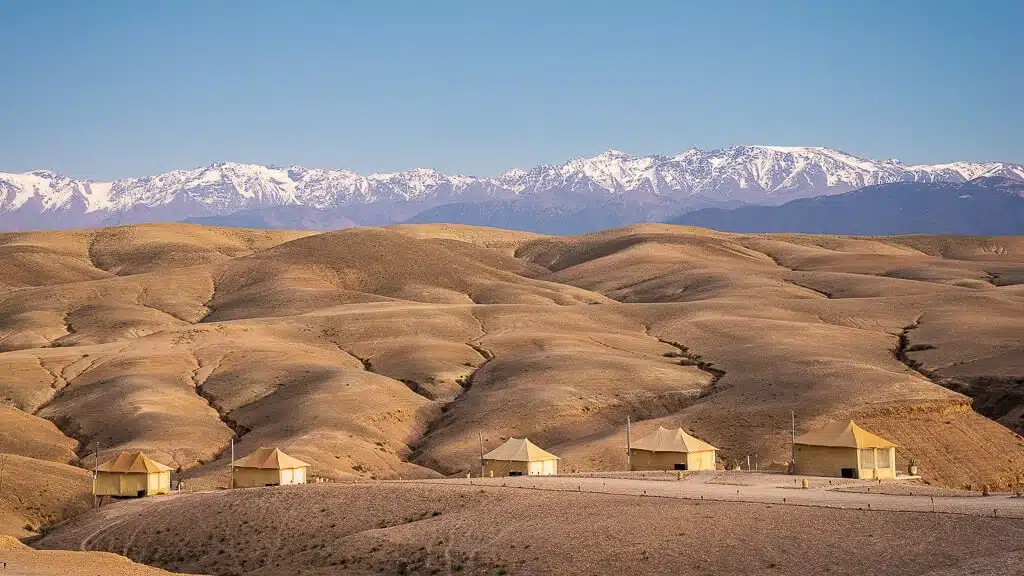
    Where is Morocco: camel trek on the dunes of the Sahara in the south
    The Sahara dunes begin in the south-east, near Merzouga.

    The Main Travel Regions

    For travellers, it helps to split the country into five regions. Each has its own mood, climate and highlights, and many trips combine two or three of them.

    Region Highlights Best for
    North Tangier, Chefchaouen, Tetouan Blue towns, coast, culture
    Imperial cities Fes, Meknes, Rabat, Marrakech History, medinas, food
    Atlantic coast Casablanca, Essaouira, Agadir Beaches, surf, seafood
    Atlas mountains Imlil, Ourika, Toubkal Hiking, villages, views
    South and desert Ouarzazate, Merzouga, Zagora Dunes, kasbahs, camel treks

    Key Cities and Where They Are

    Knowing the main cities makes the map easier to read. Tangier is on the northern tip, facing Spain. Rabat, the capital, and Casablanca, the business hub, lie on the Atlantic coast. Fes and Meknes sit inland in the north-centre, and Marrakech lies further south at the foot of the Atlas. See where is Marrakech for details on the Red City.

    Chefchaouen, the famous blue town, is in the Rif mountains. Essaouira is a white-and-blue port on the Atlantic, and Merzouga is a desert village near the Algerian border. Each city has its own guide on our site, including what to see and do in Tangier and what to do in Merzouga.

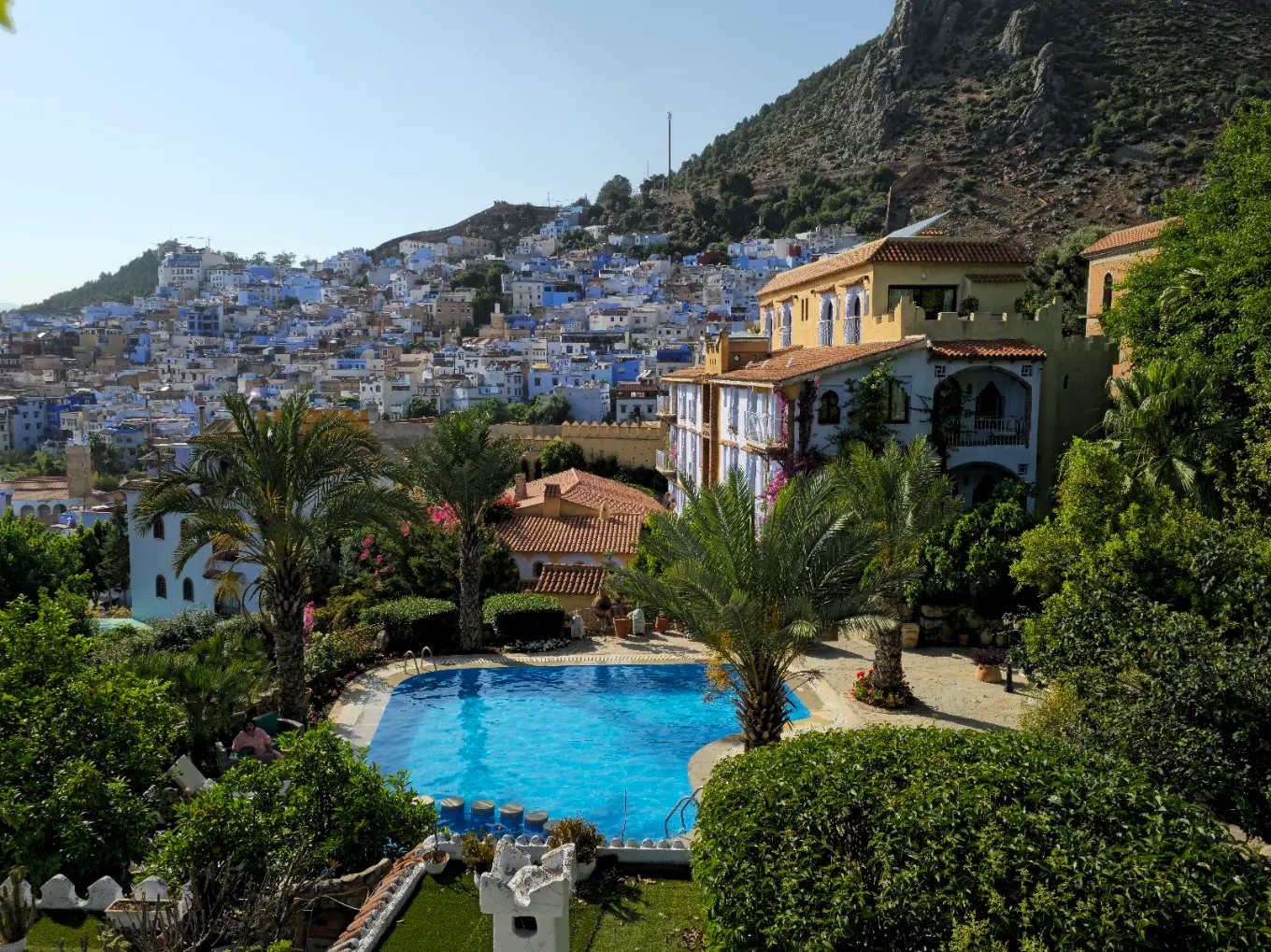
    Where is Morocco: the blue town of Chefchaouen in the Rif mountains
    Chefchaouen lies in the Rif mountains of northern Morocco.

    Climate Across the Country

    Because of its position, Morocco has several climates. The Mediterranean north is mild and rainy in winter. The Atlantic coast is cooler and breezy in summer, the interior plains are hot in summer, and the mountains are cold and snowy in winter. The south is dry and extremely hot by day in summer, with cold nights in winter.

    When people ask where is Morocco in terms of weather, the best answer is that it depends on where you go. Pack layers, sun protection and a warm jacket for evenings, especially in the desert and mountains. Our best month to go to Marrakech guide gives month-by-month advice for the south-west.

    Flight Times to Morocco

    Morocco is easy to reach. Direct flights connect the main airports, such as Casablanca, Marrakech, Fes, Tangier and Agadir, with many European cities. The numbers below are typical flight times and can vary by route and season.

    From Approximate flight time
    Madrid About 2 hours
    London About 3.5 hours
    Paris About 3.5 hours
    Berlin About 4.5 hours
    New York About 7 hours

    This short flight time helps answer where is Morocco for visitors who feel unsure about distance. For many Europeans, it is closer than a trip to another part of their own continent, and it offers a very different culture.

    Why the Location Matters for Travellers

    The position of the country shapes everything you experience. Trade routes between Africa, Europe and the Middle East passed through its cities, and that is why its food, language, music and architecture mix Amazigh, Arab, Andalusian and French influences. You can taste this mix in a single meal of tagine, couscous and mint tea.

    The location also gives you an unusual range of landscapes within short distances. You can ski in the Atlas in winter and swim in the Atlantic the same week, or ride a camel in the Sahara and walk through a medina two days later. When you understand where is Morocco, you can combine these worlds in one itinerary.

    The same position also means that distances are real. A trip from Tangier to the desert takes more than a day on the road, so choose a route that matches your time. Our Morocco itineraries page shows how to link the regions.

    When Is the Best Time to Visit?

    Spring (March to May) and autumn (September to November) are the most comfortable seasons for most of the country. Summer is best on the coast and in the mountains, and winter is ideal for the desert and the south, although nights are cold. Ramadan changes daily rhythm, so plan with care.

    For specific events, read Aid al-Fitr in Morocco 2027 and travel to Morocco 2027. If you are asking where is Morocco best in each season, the north and coast suit summer, the imperial cities suit spring and autumn, and the desert suits winter.

    Sample Routes by Location

    A simple way to use the map is to choose a loop. The “imperial loop” links Casablanca, Rabat, Fes and Marrakech. The “southern loop” climbs from Marrakech over the High Atlas to Ait Benhaddou, Ouarzazate and the Sahara. The “northern loop” combines Tangier, Chefchaouen and Fes.

    • 7 days: Marrakech, Atlas, desert and return.
    • 10 days: Casablanca, Fes, desert, Marrakech.
    • 14 days: full circle with coast and north.

    For ready-made options, browse our 2 weeks in Morocco itinerary and 7, 14 or 21 days in Morocco. Our team can adapt any route, and you can see every option on the all Morocco tours page.

    For an overview of the Sahara, see our Erg Chebbi guide, and read is Morocco safe to travel for current safety information. The UNESCO list of Moroccan World Heritage Sites is also a helpful planning tool.

    Practical Tips Based on the Map

    • Choose a base: do not try to see the whole country in a few days.
    • Use trains in the north: fast and comfortable between Tangier, Rabat and Casablanca.
    • Hire a driver in the south: mountain roads and long distances are easier with a local.
    • Pack layers: climate changes quickly with altitude and distance from the coast.
    • Book early: flights and desert camps fill in spring and autumn.

    Keep in mind that where is Morocco on the map is only the start. The next question is how long you have, what you love and how fast you like to travel. Share these answers with us, and we will design a route that fits.

    Common Mistakes

    A frequent mistake is to think the country is small. Distances are large, and a long list of cities in a week leads to exhaustion. Another mistake is to assume the whole country is desert, when in fact much of it is green, mountainous and coastal.

    A third mistake is to ignore the seasons. Travellers who forget where is Morocco in relation to the Sahara sometimes arrive in summer without a plan for the heat, or in winter without warm clothes for the desert night. Plan by region, and the country becomes simple.

    People, Languages and Culture

    Where is Morocco culturally? It sits at a meeting point of Amazigh (Berber), Arab, African, Andalusian and French traditions. The population is about 37 million, and most people speak Moroccan Arabic (Darija) and Amazigh languages. French is widely used in business and signs, and English is common in tourism.

    Islam is the main religion, and daily life follows its rhythm, from the call to prayer to the month of Ramadan. Hospitality is a point of pride, so guests are often offered mint tea. Knowing where is Morocco on the map helps you understand why so many cultures blend in the same streets.

    Heritage Sites and Where to Find Them

    The country has several UNESCO World Heritage Sites, each in a different region. The medina of Fes is in the north-centre, the medina of Marrakech in the south-west, the ksar of Ait Benhaddou beyond the High Atlas, and the old port of Essaouira on the Atlantic. Tetouan, Meknes, Volubilis and Rabat complete the list.

    These sites are spread across the map, which is why where is Morocco is such a useful question for planners. A route that links Fes, Marrakech and Ait Benhaddou crosses mountains, valleys and plains, and it makes a rich introduction to the country’s history.

    Getting Around the Country

    Once you know where is Morocco and where your cities lie, choose the right transport. High-speed and regular trains connect Tangier, Rabat, Casablanca and Marrakech. Buses cover most towns, and shared or private taxis handle shorter trips.

    For the south and the desert, a private driver-guide is the most comfortable choice. Roads over the Atlas are winding, and many highlights lie off the main routes. Our team can arrange transfers, accommodation and guided stops so you can enjoy the landscape instead of the logistics.

    Food and Drink by Region

    Where is Morocco’s best food? Everywhere, but each region has its own taste. The north offers fresh fish and Andalusian touches, Fes is famous for refined pastilla, and Marrakech for tagines and grilled meats in the main square. The coast serves sardines and seafood, while the south cooks bread in the sand and simple stews for desert travellers.

    Mint tea, couscous on Fridays and sweet pastries are shared across the country. Read our guide to what is a traditional dish in Marrakech for a deeper look at one city’s table.

    Money, Visas and Practical Rules

    The currency is the Moroccan dirham, and cards work in cities while cash is useful in villages. Many nationalities can enter without a visa for short stays, but rules change, so check with your embassy or an official source before you travel. Make sure your passport is valid for at least six months.

    Keep copies of your documents, buy travel insurance and learn a few Arabic or French phrases. When you plan with these basics in mind, answering where is Morocco becomes the first step of a smooth journey rather than a puzzle.

    Quick Recap: Where Is Morocco and What to Do Next

    Let us recap. Where is Morocco? In the north-west corner of Africa, facing Europe across a narrow strait, with two seas, great mountains and the Sahara desert. It is close to Spain, far larger than most visitors expect and rich in cities, coasts and landscapes.

    Where is Morocco best explored first? Most travellers start in Marrakech or Casablanca, then add Fes, the Atlas and the desert. Where is Morocco easiest to reach? From Spain, France, the United Kingdom and many other countries, flights are short and frequent.

    Where is Morocco safest and most comfortable for first-timers? Large cities, tourist towns and guided routes are well organised, and a trusted driver-guide adds comfort. Where is Morocco most memorable? Usually in the places between the cities: mountain passes, valleys, villages and the silence of the dunes.

    So the next step is simple. Decide how many days you have, pick two or three regions and let us handle the details. Wherever you begin, knowing where is Morocco and how its regions connect will make every day of your trip clearer and more enjoyable.

    Frequently Asked Questions

    Where is Morocco located?

    In the far north-west of Africa, between the Atlantic Ocean and the Mediterranean Sea, with Algeria to the east and the Sahara to the south.

    Is Morocco in Africa or the Middle East?

    It is in Africa, in the region called the Maghreb or North Africa.

    How far is Morocco from Spain?

    About 14 km across the Strait of Gibraltar at the narrowest point.

    How big is Morocco?

    It is larger than Spain, with a coastline of about 3,500 km and a very varied landscape.

    What is the capital of Morocco?

    Rabat is the capital, while Casablanca is the largest city and Marrakech is the best known for tourism.

    Can you help me plan a trip based on where is Morocco?

    Yes. Send your dates on WhatsApp at +212 682 832 176 or through the contact page and we will design a private route.

    Plan Your Trip Across Morocco With Us

    Now that you know where is Morocco, let us arrange transfers, riads, desert camps and a private driver-guide for your route.

    Request a Free QuoteWhatsApp Us

  • Where Is Marrakech? Ultimate Guide to Its Location and 10 Best Facts

    Where Is Marrakech? Ultimate Guide to Its Location and 10 Best Facts

    Marrakech · Location · Updated 2026

    Where Is Marrakech? Ultimate Guide to Its Location and 10 Best Facts

    Map position, distances, transport, neighbourhoods and day trips from the Red City

    Where is Marrakech? It sits in the west of central Morocco, on the flat Haouz plain, with the snow-topped High Atlas mountains rising just to the south. The city lies about 450 metres above sea level, roughly 240 km south of Casablanca by road and about 175 km inland from the Atlantic port of Essaouira. Its red-pink walls give it the nickname “the Red City”.

    This guide answers the question where is Marrakech in simple, practical terms. You will find its position in Morocco, distances to other cities, the best ways to arrive, the main districts, the climate and the day trips that start from its gates. Distances are approximate road figures, so check your route before you travel.

    If you are still choosing your route, our Morocco travel guide shows how the city fits into a larger trip, and the what is Marrakech most famous for article explains why so many visitors start here.

    Where Is Marrakech? The Short Answer

    Quick answer: Marrakech is in western-central Morocco, in the Marrakech-Safi region, on the Haouz plain at the foot of the High Atlas. It is about 240 km south of Casablanca, 320 km south-west of Rabat, 175 km east of Essaouira and 250 km north-east of Agadir. Local time is UTC+1 all year.
    Fact Detail
    Country Morocco, North Africa
    Region Marrakech-Safi
    Landscape Haouz plain, High Atlas to the south
    Altitude About 450 m
    Nearest ocean Atlantic, about 175 km west
    Airport Menara, about 6 km from the centre
    Languages Arabic, Amazigh, French; English in tourism
    Where is Marrakech: the Red City on the Haouz plain below the Atlas
    The Red City sits on a wide plain with the Atlas mountains to the south.

    Where Is Marrakech in Morocco?

    When people ask where is Marrakech on a map of Morocco, the easiest answer is “in the middle, slightly to the west”. The country stretches from the Mediterranean coast in the north to the Sahara in the south. Marrakech lies roughly halfway down, about 150 km from the Atlantic coast as the crow flies, and it acts as a gateway between the coast, the mountains and the desert.

    The city belongs to the Marrakech-Safi region. To the north lie the plains and phosphate country around Kelaa des Sraghna, to the west the Atlantic coast near Essaouira, to the east the mountains and the road to Beni Mellal, and to the south the High Atlas and the passes towards Ouarzazate. This central position is why so many routes begin or end here.

    Many visitors confuse the location with the “imperial cities”. Marrakech is one of the four, together with Fes, Meknes and Rabat. Where is Marrakech compared with them? Where is Marrakech on the imperial route? It is the southernmost of the four and the closest to the Sahara, so it makes a natural starting point for desert journeys.

    Distances From Marrakech to Other Cities

    Distances help you plan your days. The figures below are approximate road distances and typical driving times without long stops. Mountain roads and traffic can add time, so keep some flexibility.

    Destination Distance Typical drive
    Casablanca 240 km 2.5 to 3 hours
    Rabat 320 km 3.5 hours
    Essaouira 175 km 2.5 to 3 hours
    Agadir 250 km 3 hours
    Ouarzazate 200 km 4 hours
    Ait Benhaddou 180 km 3.5 hours
    Fes 530 km 7 to 8 hours
    Merzouga 560 km 9 to 10 hours
    Tangier 770 km 8 to 9 hours

    For many travellers the key lesson is that Marrakech is close to the coast and the mountains but far from the north. If you want Fes, Chefchaouen or Tangier, plan an overnight stop or a train. For an overview of the north, see our guide to what to see and do in Tangier.

    Where is Marrakech: city streets that connect the coast, the Atlas and the desert
    The city is a crossroads between the coast, the mountains and the Sahara.

    Where Is Marrakech Compared With the Atlas Mountains?

    The High Atlas is the most dramatic feature of the location. On a clear winter day you can see snow on the peaks from the city’s rooftops. The highest summit in North Africa, Jebel Toubkal at 4,167 m, lies about 60 km south of the centre, and the trailhead village of Imlil is roughly 1.5 hours away by road.

    This closeness means you can have breakfast in the medina and lunch in a mountain village. The Ourika Valley, about 45 km away, is the easiest escape, and our day trip from Marrakech to Ourika Valley explains the route. Asking where is Marrakech in relation to the mountains is really asking how easy it is to leave the heat, and the answer is very easy.

    How to Get to Marrakech

    Knowing where is Marrakech is only half the question; the other half is how to reach it. By air, Marrakech Menara Airport receives direct flights from many European cities and from other Moroccan airports. The airport is about 6 km from the old city, and a taxi or pre-booked transfer takes about 20 minutes.

    By train, Marrakech is linked to Casablanca, Rabat and Tangier on the national rail network. The journey from Casablanca takes roughly 3 hours, and trains are comfortable and punctual. By road, buses and private transfers connect the city to Essaouira, Agadir, Ouarzazate and the desert. A private driver-guide is often the easiest way to combine travel and sightseeing.

    • Plane: direct flights from many European hubs.
    • Train: Casablanca, Rabat and Tangier connections.
    • Bus: long-distance companies serve the main cities.
    • Private transfer: door-to-door, with stops on request.

    The Main Districts: Where Is Marrakech Centre?

    Understanding the districts makes the layout clearer. The old city, or medina, is a walled maze of lanes, riads, souks and mosques, and it is listed by UNESCO as a World Heritage Site. At its heart is Jemaa el-Fna, the famous square, with the Koutoubia minaret nearby.

    Gueliz is the modern French-built quarter, with cafés, shops and restaurants. Hivernage is a leafy area of hotels and nightlife, the Palmeraie is a palm grove with luxury villas, and the Kasbah quarter holds the Saadian Tombs and the royal palace. If you ask where is Marrakech’s real centre, most people point to Jemaa el-Fna.

    Area Character Best for
    Medina Historic, busy, atmospheric Riads, souks, culture
    Gueliz Modern, calm Cafés, shopping, art
    Hivernage Green, upscale Hotels, dining
    Palmeraie Quiet, spacious Pools, relaxation
    Kasbah Royal, historic Tombs, palaces
    Where is Marrakech: the stony Agafay desert, a short drive from the old city
    The Agafay desert starts about 40 km from the city centre.

    Climate: What the Location Means for Weather

    Because the city is inland and sheltered by mountains, the climate is semi-arid. Summers are very hot, with daytime temperatures often above 35 °C, while winters are mild by day and cool at night. Spring and autumn are the most pleasant seasons, and rain is rare and mostly falls from November to March.

    Anyone asking where is Marrakech in terms of weather should remember the altitude and the mountains. Evenings can feel cool even after a warm day, and snow can fall on the Atlas while the city stays sunny. Our best month to go to Marrakech guide gives a month-by-month view.

    Why the City Is Where It Is

    Marrakech was founded in the eleventh century by the Almoravid dynasty. The site was chosen for a reason: it controlled the plain, it had access to water from the mountains through underground channels called khettaras, and it stood at the meeting point of trade routes between the Sahara, the Atlantic and the north. Caravans carrying salt, gold and spices passed through its gates.

    This history explains why the answer to where is Marrakech has always mattered. Rulers needed a southern capital close to the mountains and the desert, and merchants needed a market where caravans could rest. The walls, gardens and palaces you see today grew from that strategic position, and they remain the reason the city is so rich in monuments.

    The same location shapes daily life. Water, shade and orchards made the plain fertile, and the city grew into a place of palm groves, courtyards and fountains. Today its position makes it the easiest base for visitors who want to see mountains, desert and coast in one trip.

    Day Trips Around Marrakech

    One of the best answers to where is Marrakech is “close to everything”. Within three hours you can reach waterfalls, mountain valleys, a coastal fortress and a desert-like plateau. Browse what excursions to do in Marrakech for a full list.

    Where is Marrakech: the Ourika valley on a day trip into the Atlas
    The Ourika valley is one of the easiest mountain escapes.

    From Marrakech to the Desert

    Many visitors ask where is Marrakech in relation to the Sahara. The famous dunes of Merzouga and Erg Chebbi lie roughly 560 km to the south-east, so a desert trip needs at least two or three days. The route crosses the Tizi n’Tichka pass, passes Ait Benhaddou and Ouarzazate, follows the Draa and Todra valleys and ends at the dunes.

    For a shorter taste, the Agafay desert is only an hour away, and Zagora is a classic two-day option. Our 3 days from Marrakech to Merzouga and 2 days tour from Marrakech to Zagora pages explain each itinerary. To understand the dunes themselves, read what to do in Merzouga.

    Where to Stay Once You Arrive

    Knowing where is Marrakech helps you choose a base. First-time visitors often prefer a riad in the medina, close to the main square and the souks. Travellers who want quiet and modern comfort choose Gueliz or Hivernage, and families who want a pool and space choose the Palmeraie.

    Check that your accommodation has a clear address and a reachable host, because medina lanes can be confusing and taxis cannot enter all of them. Ask the owner to arrange your airport transfer, and keep the riad’s phone number on your phone. For safety tips, see visiting Marrakech as a woman and our is Morocco safe to travel guide.

    How Many Days Do You Need?

    The location makes short and long stays both possible. Two nights are enough for the medina, one garden and a hammam, three nights add a day trip, and four to five nights let you see the mountains and the coast at a relaxed pace. For ideas, use our Marrakech travel itineraries and what can you see in Marrakech for free.

    If Marrakech is part of a bigger trip, read how many days in Morocco is enough and Morocco itineraries to see how to link the Red City with Fes, the desert and the coast.

    Practical Tips Based on the Location

    • Pack for contrast: hot days, cool nights and strong sun.
    • Plan transfers: airport, train and medina lanes are easier with a pre-booked driver.
    • Start early: the plain heats up quickly, so do outdoor sights in the morning.
    • Use the mountains: escape the summer heat with a day in the Atlas.
    • Allow travel time: the desert and the north are far, so avoid rushing.

    Remember that where is Marrakech is not just a map question, and that where is Marrakech on your itinerary decides how relaxed your trip feels. The location affects timing, weather, clothing and costs, so plan your route before you book flights. If you need help, our team can design a private route with a driver-guide and hand-picked riads.

    Common Mistakes

    A frequent mistake is trying to see Fes and Marrakech in one day. At 530 km apart, they need a full travel day. Another mistake is underestimating the Atlas passes, where bends and weather slow the drive. A third is arriving at night without a transfer, which makes the medina lanes hard to navigate.

    Finally, some travellers think the desert is close. The Agafay is near, but the real dunes of Merzouga are a long journey.

    Once you understand where is Marrakech on the map, these mistakes are easy to avoid, and your itinerary becomes realistic and relaxed.

    Where Is Marrakech Best Visited and When?

    Because of its inland position, the best seasons are spring and autumn. From March to May the plain is green, the roses bloom in the valleys and the nights are mild. From October to November the heat fades and the light is soft, which makes walking and photography a pleasure. Many travellers who ask where is Marrakech sunniest discover that it is bright almost all year, so winter can also be a good choice for city breaks.

    Summer needs a plan. Start sightseeing at dawn, rest by a pool in the afternoon and return to the squares after sunset. Because the Atlas is so close, you can also escape to higher villages where the air is cooler. Where is Marrakech coolest in July? In the mountains, about an hour or two away, where valleys and rivers offer shade.

    A Simple Mental Map of the City and Region

    A quick mental map helps first-time visitors. Picture the old walled city in the centre, with Jemaa el-Fna and the Koutoubia minaret near its middle. Gueliz lies to the north-west, Hivernage to the south-west, the Palmeraie to the north and the Menara gardens and airport to the south-west edge. The Atlas mountains fill the southern horizon, and the Agafay plateau sits beyond the southern ring road.

    Once you hold this picture, the question where is Marrakech becomes easy to answer for friends and family. You can say that it is a walled city on a plain, ringed by palm groves and new districts, with the mountains behind and the desert to the south-east. This simple image also helps when you read maps, choose a hotel or plan which side of town to stay on.

    Why the Location Matters for Your Itinerary

    The location is the biggest advantage of any trip that starts here. From the same base you can walk through souks in the morning, drive to a mountain waterfall in the afternoon and watch the sunset from a desert camp. Few cities in the world offer such variety within a short journey. This is why travellers who ask where is Marrakech so often decide to stay longer than planned.

    It also helps to think in loops. A northern loop connects Casablanca, Rabat and Fes, a southern loop runs through the Atlas to Ouarzazate and the Draa valley, and a coastal loop links Essaouira and Agadir. Each loop starts at the gates of the Red City, and each can be shortened or extended to fit your time.

    If you want a ready-made route, our team can combine them into a private tour with a driver-guide.

    When planning, balance driving with rest. Moroccan roads are good, but the mountain passes are slow, and long distances look short on a map. Where is Marrakech in relation to the Sahara? Far enough that you should never try to see the dunes in a single day. Give yourself at least two nights for the desert, and use the city as your comfortable start and finish.

    In short, knowing where is Marrakech, how far it is from the coast and how close it is to the mountains turns a confusing map into a clear plan. Travellers often tell us that where is Marrakech was their first question and the best trip decision they made. Whenever you wonder where is Marrakech on your route, remember that it is the natural centre of southern Morocco, and let that guide your choices.

    Frequently Asked Questions

    Where is Marrakech located in Morocco?

    It is in western-central Morocco, on the Haouz plain at the foot of the High Atlas, about 240 km south of Casablanca.

    Is Marrakech near the beach?

    No. It is inland. The nearest beaches are at Essaouira, about 175 km west, and Agadir, about 250 km south-west.

    Is Marrakech in the desert?

    No. It is a green city on a plain, but the Agafay desert is about 40 km away and the Sahara dunes are further south-east.

    How far is Marrakech from Casablanca?

    About 240 km by road, roughly 2.5 to 3 hours by car or about 3 hours by train.

    What time zone is Marrakech in?

    Morocco uses UTC+1 for most of the year, with a clock change during Ramadan.

    Can you help me plan a trip based on where is Marrakech?

    Yes. Send your dates on WhatsApp at +212 682 832 176 or through the contact page and we will design a private route.

    Plan Your Trip From Marrakech With Us

    Now that you know where is Marrakech, let us arrange transfers, a trusted riad, day trips and desert tours in a private route.

    Request a Free QuoteWhatsApp Us

  • Visiting Marrakech as a Woman: Ultimate Safety Guide With 12 Best Tips

    Visiting Marrakech as a Woman: Ultimate Safety Guide With 12 Best Tips

    Marrakech · Women’s Travel · Updated 2026

    Visiting Marrakech as a Woman: Ultimate Safety Guide With 12 Best Tips

    Honest, practical advice for solo women, friends, couples and mothers travelling to the Red City

    Visiting Marrakech as a woman is rewarding and, with a little preparation, very manageable. Thousands of women travel here every year, alone and in groups, and many say they love the colours, the food, the crafts and the warmth of the people. Others mention that unwanted attention in the streets can be tiring. Both experiences are real, and good planning makes the first far more likely than the second.

    This guide explains visiting Marrakech as a woman in clear, practical terms. You will find 12 tips on dress, behaviour, taxis, souks, riads, evenings and health, plus a sample plan, a packing list and honest answers to common worries. It is written without fear and without exaggeration, so you can decide what suits you.

    For the wider safety picture across the country, read our is Morocco safe to travel guide, then come back here for city-specific advice.

    Visiting Marrakech as a Woman: The Short Answer

    Quick answer: yes, you can enjoy Marrakech as a woman, including solo. Violent crime against tourists is uncommon, but persistent verbal attention, pushy sellers and small scams are common. Dress comfortably and modestly, stay confident, use trusted transport, choose a well-reviewed riad and keep evenings in busy areas.
    Topic What to expect Simple solution
    Street attention Comments and persistent offers Calm “no, thank you” and keep walking
    Dress Modest is more comfortable Light long layers and a scarf
    Taxis Prices can be inflated Meter, or agree the fare first
    Souks Pressure to buy Browse, smile, compare
    Night Some lanes are empty Taxi to the door
    Support Riads are very helpful Ask your host
    Calm street scene, a reminder that visiting Marrakech as a woman can feel relaxed
    Quiet streets and friendly places exist beside the busy squares.

    1. Know the Baseline Before You Go

    Understanding the baseline makes visiting Marrakech as a woman less stressful. The city is a major tourist destination with tourist police, many visitors and a lively street life. Serious violent crime against tourists is rare, but street harassment, pushy sales tactics and petty theft are the main issues travellers describe.

    Most attention is verbal. It can feel annoying, yet it usually stops if you ignore it and keep moving. Morocco has laws against harassment, and tourist police patrol key areas, but you are your own first protection: awareness, calm and good choices. Knowing this in advance helps you stay relaxed instead of surprised.

    2. Dress Choices That Make Life Easier

    There is no legal dress code for visitors, but modest clothing is the local norm and reduces attention. In practice, visiting Marrakech as a woman is more comfortable in loose trousers, long skirts or dresses, and tops that cover the shoulders. A light scarf is useful for sun, for covering your hair near religious areas and for a quick extra layer.

    Light, breathable fabrics such as cotton and linen work well in heat. In summer, long but loose is cooler than tight and short. In the medina and souks, modest dress also helps you blend in. At a hotel pool or in a private riad courtyard, you can dress as you normally would.

    • Good choices: long skirts, wide trousers, linen shirts, a scarf.
    • Avoid in the medina: very short shorts and tops that expose shoulders.
    • Shoes: comfortable and closed, since lanes are uneven.

    3. Handling Attention With Confidence

    Body language matters. Walk with purpose, keep your head up and use sunglasses if you prefer not to make eye contact. A firm, polite “la, shukran” (no, thank you) works in most situations. You do not owe anyone a long conversation, and ignoring a comment is perfectly acceptable.

    If someone becomes persistent, step into a shop, a café or a hotel and ask for help, or speak to a local woman or a family nearby. Most Moroccans respond kindly to a woman who asks for help. This is an important part of visiting Marrakech as a woman: you are never alone in a busy city, and there are always people around.

    Traveller in Morocco, confident when visiting Marrakech as a woman
    Confidence and calm go a long way in busy places.

    4. The Main Square and Henna Artists

    Jemaa el-Fna is a thrilling place, especially at sunset, but it is also where women meet the most persistent offers. Henna artists may take your hand and start drawing before you agree. Politely pull your hand back, say no clearly and keep your hands in your pockets as you walk past their tables.

    The square is crowded and well lit in the evening, so many women feel comfortable there. Keep your bag zipped and in front of you, and avoid following anyone who offers to lead you to a “better” viewpoint. The UNESCO listed old city is best enjoyed with a flexible mindset.

    5. Souks and Shopping Without Pressure

    The souks are a highlight and a test of patience. Sellers call out to attract your attention, which is part of the culture rather than a personal comment. Smile, say you are just looking and move on if you are not interested. Compare prices in several shops before buying.

    Many women enjoy shopping in the souks, especially for scarves, leather, lanterns and spices. Our guide to shopping in Marrakech explains how to bargain politely. Go in the morning, when it is quieter, and keep a small bag across your body.

    6. Taxis and Getting Around

    Small taxis are the easiest way to cross the city. Ask the driver to use the meter, or agree on the price before you start, and carry small notes for payment. If the driver refuses, find another. For airport transfers and day trips, a pre-booked driver from your riad or a trusted agency removes the guesswork.

    Walking is fine during the day in the old city. At night, take a taxi to the door of your riad, because lanes can be dark and confusing. For long trips, trains and reputable buses are comfortable, and many women also choose a private driver-guide for day trips such as the Agafay desert or the Atlas.

    7. Choosing a Riad That Supports Women Travellers

    Where you stay matters. Choose a riad or hotel with recent reviews from women, a clear address, a lockable room and a team that is easy to reach. Many riads in the medina are small, friendly and run by families who will greet you, explain the area and arrange taxis.

    Ask your host for a simple map, the best walking route to the square, and the safest times for walking. A good riad is one of the best tools for visiting Marrakech as a woman, because it gives you a calm base and a trusted contact. Read our Marrakech travel itineraries for ideas on where to base yourself.

    Travellers walking through a medina, a typical scene when visiting Marrakech as a woman
    Walking in the medina is easiest in daylight and with a plan.

    8. Evenings and Nightlife

    Marrakech wakes up at night, with music, rooftop dinners and lively squares. Many women enjoy the evenings by choosing busy, well-lit places. Rooftop restaurants, hotel bars and modern restaurants in Gueliz are comfortable options, and the main square is full of families in the evening.

    Avoid walking alone in empty lanes late at night, do not accept drinks from strangers and keep your phone charged. Alcohol is served in licensed hotels and bars, but not in most small local restaurants. If you plan to go out, tell your riad where you are going and what time you expect to return.

    9. Eating Alone With Comfort

    Eating alone is common for solo travellers, and there are many welcoming options. Rooftop cafés, riad dinners and busy restaurants are comfortable for solo women, and a book or phone is a good companion. For tips on what to order, read our guide to what is a traditional dish in Marrakech.

    If you prefer company, join a cooking class or a food tour, where you will meet other travellers. Many solo women say that these experiences were highlights of visiting Marrakech as a woman, because they turned a meal into a friendship.

    10. Women-Friendly Activities

    Several activities are especially welcoming for women. Traditional hammams have separate hours or spaces for women, and many spas offer private treatments. Cooking classes are friendly and social, women’s cooperatives sell argan oil and crafts in the region, and some guides specialise in small groups of women travellers.

    Garden visits, art galleries and the Majorelle area are calm and comfortable, and day trips to the mountains or desert can be arranged with a female-friendly driver-guide. Browse what excursions to do in Marrakech for ideas that suit your pace.

    11. Common Scams and How to Avoid Them

    A few scams affect all visitors. A stranger may say the road is closed and offer to guide you, a “free” guide may expect payment, a friendly local may lead you into a shop, and unofficial helpers may demand money. The answer is the same each time: be polite, decline and keep walking.

    Use a maps app, ask your riad for directions and agree prices before any service. These habits help every traveller, and they are part of visiting Marrakech as a woman with confidence. If you feel uncomfortable, enter a hotel, shop or café and ask the staff for help.
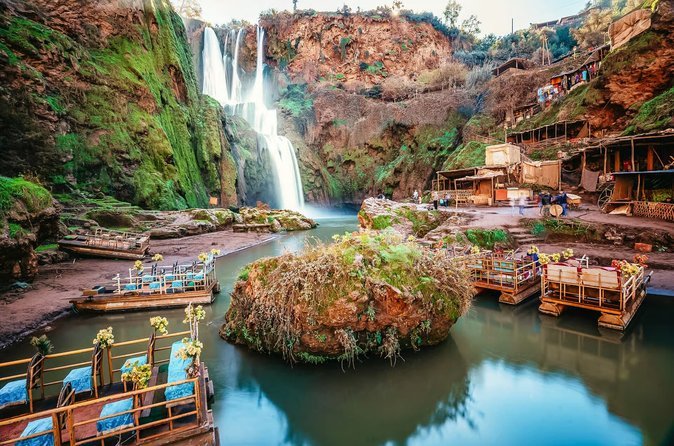
    12. Health, Periods and Comfort

    Practical comfort matters. Carry hand sanitiser, tissues and any personal hygiene items you prefer, since some brands may be harder to find in small shops. Pharmacies are common and helpful, and larger supermarkets in the new town stock a wide range of products. Drink bottled water, use sun protection and rest in the afternoon heat.

    Public toilets can be basic, so use those in cafés and hotels. If you have specific medical needs, bring enough medication and a prescription, and check your insurance before you travel.

    Solo Woman, Friends, Couples or Family?

    Each way of travelling has its own rhythm. Solo women enjoy freedom and often meet other travellers, groups of friends share the attention and the fun, couples and families usually receive less street attention, and mothers with children are often welcomed warmly. Visiting Marrakech as a woman is possible in all of these ways, and a private driver-guide can add comfort for any of them.

    Travel style Helpful idea
    Solo Riad base, day tours, cooking class
    Friends Shared taxis, rooftop dinners, hammam day
    Couple Garden mornings, sunset dinners
    Mother with children Short days, shaded gardens, family riad

    A Sample Plan for Three Days

    A simple plan makes visiting Marrakech as a woman easier. On day one, arrive, settle into your riad and take a short daytime walk to the square, then enjoy a rooftop dinner. On day two, visit the souks in the morning, a garden or museum in the afternoon and a hammam in the evening. On day three, join a day trip to the Agafay desert or the Atlas, and return for a relaxed dinner.

    For free walks that fit this plan, read what can you see in Marrakech for free, and for icons to prioritise, see what is Marrakech most famous for.

    What to Pack

    • Clothes: loose long trousers or skirts, light tops, a scarf and a light jacket.
    • Bag: a crossbody bag that zips, kept in front.
    • Shoes: comfortable walking shoes and sandals for the riad.
    • Tech: offline maps, a local SIM or eSIM and a power bank.
    • Extras: sunscreen, sunglasses, a refillable water bottle and small notes.

    Mistakes to Avoid

    The most common mistake is to arrive late at night with no plan and no transfer. Another is to follow a stranger to “see something special”, which usually ends in a shop. A third is to dress for a beach resort instead of a historic city. And a fourth is to feel that you must be polite at any cost; it is fine to say no firmly.

    Also avoid carrying all your money in one place, and keep copies of your passport. Know the emergency numbers, such as 19 for the police and 15 for ambulance, and share your plans with someone at home. With these habits, visiting Marrakech as a woman becomes much simpler.

    Best Seasons for Visiting Marrakech as a Woman

    Timing changes the experience. Spring (March to May) and autumn (October to November) are the most comfortable seasons for visiting Marrakech as a woman, because mild weather lets you wear light layers and walk without exhaustion. Summer is very hot, so plan early mornings and long afternoon rests. Winter days are pleasant, but evenings are cool, so bring a warm scarf and a jacket.
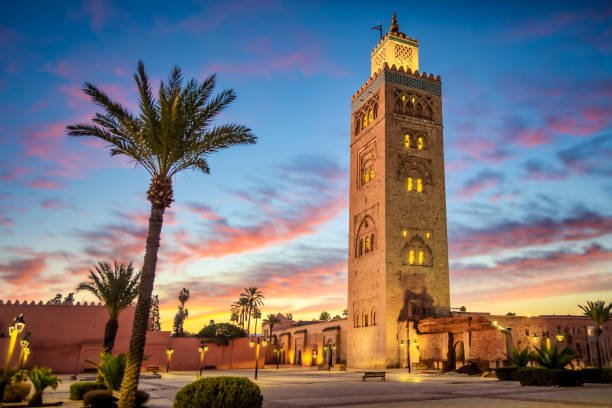
    During Ramadan, daily life shifts: shops open later, restaurants may be quieter by day and the city comes alive after sunset. Visiting Marrakech as a woman in this month is possible and often memorable, but dress a little more conservatively and avoid eating or drinking in the street during daylight. Our best month to go to Marrakech guide compares every season in detail.

    Hammams, Spas and Self-Care

    A hammam is one of the most relaxing parts of visiting Marrakech as a woman. Traditional public hammams have women-only hours, while many spas offer private rooms with a scrub, a black-soap wash and a massage. Bring a swimsuit or disposable underwear, a towel and flip-flops, and ask your riad to recommend a clean, well-reviewed place.

    Expect the attendants to be firm and efficient, and tell them clearly if you want a lighter scrub. Many women say the hammam is where they felt most welcome, because the space is female and the atmosphere is friendly. It is a gentle way to rest after a day in the souks, and it works well on a quiet afternoon between bigger activities.

    Meeting Local Women and Joining Small Groups

    Some of the best moments of visiting Marrakech as a woman come from meeting local women. Cooking classes, argan cooperatives, craft workshops and henna sessions led by women let you ask questions, learn traditions and support local families. Choose small groups with clear reviews and a fixed meeting point, and ask whether the host is a woman if that matters to you.

    Respectful curiosity opens doors. Learn a few phrases such as “salam” (hello), “shukran” (thank you) and “bismillah” (before eating), and ask before taking photos of people, especially women and children. Visiting Marrakech as a woman becomes warmer and easier when you treat each meeting as an exchange rather than a transaction.

    Visiting Marrakech as a Woman With Children or Friends

    Mothers often find that visiting Marrakech as a woman with children brings extra kindness. Shopkeepers offer sweets, café staff find a quiet table and strangers smile. Keep days short, carry water and snacks, use a light stroller only outside the medina and plan a pool break each afternoon.

    Groups of friends enjoy the city together, share taxis and split a private driver-guide for day trips. When visiting Marrakech as a woman with friends, agree on a meeting point, share your live location and keep one phone fully charged. This is the easiest way to enjoy the nightlife, rooftop dinners and late walks across the square.

    Respect, Etiquette and Local Customs

    A little etiquette goes a long way when visiting Marrakech as a woman. Greet people politely, use your right hand for giving and receiving, remove shoes when entering a home and dress modestly near mosques. Non-Muslims cannot enter most mosques, but you can admire the exteriors and visit museums and gardens freely.

    Public displays of affection are best kept discreet, and photographing people without permission can cause offence. Bargaining is expected, but stay friendly and never insult a seller. Visiting Marrakech as a woman is smoother when you show the same courtesy you hope to receive.

    Phones, Maps, Money and Emergency Contacts

    Preparation protects your peace of mind. Download offline maps, save your riad address in Arabic and French, and carry a local SIM or eSIM. Keep a small amount of cash in a separate pocket, use ATMs inside banks or hotels and notify your bank of your trip. Photograph your passport and keep digital copies in a safe place.

    Save the tourist police and your embassy numbers before you travel, and share your itinerary with someone at home. Many women find that these small steps make visiting Marrakech as a woman feel calm and organised. If anything feels wrong, enter a busy café or hotel and ask the staff to call a taxi or the police.

    Is Solo Travel Right for You?

    Solo travel suits confident, curious women who like to plan. If you are nervous, start with a riad stay, a private airport transfer and one guided day, then explore alone as your confidence grows. Visiting Marrakech as a woman on your own is a personal choice, and a mix of independent time and guided experiences works well for many travellers.

    If you prefer more support, we can arrange a private driver-guide, a trusted riad and flexible day trips, so you can enjoy visiting Marrakech as a woman without worrying about logistics. Combine the city with the desert through our Morocco travel guide and all Morocco tours.

    Key Takeaways for Visiting Marrakech as a Woman

    If you remember only a few points, remember these. Visiting Marrakech as a woman is safe enough for most travellers when you dress comfortably, plan your arrival and use trusted transport. Choose a well-reviewed riad, keep evenings in busy places and decline unwanted offers with a calm, firm “no, thank you”.

    Most women who go home happy after visiting Marrakech as a woman say the same things: they stayed flexible, they asked their riad for help and they mixed independent time with guided experiences. Visiting Marrakech as a woman rewards patience, curiosity and good preparation, and it gives back colour, flavour and friendship in return.

    Finally, trust your instincts. If a street feels wrong, turn around; if a person makes you uneasy, enter a shop or café. Visiting Marrakech as a woman is a personal experience, and your comfort always comes before any plan, price or photo.

    Frequently Asked Questions

    Is visiting Marrakech as a woman safe?

    Most women have a positive experience. Violent crime against tourists is uncommon, but street attention and scams occur, so take normal precautions.

    Can I travel to Marrakech alone as a woman?

    Yes. Many women do. Choose a reliable riad, use trusted transport and avoid empty lanes at night.

    What should I wear in Marrakech?

    Loose, modest clothes that cover shoulders and knees are comfortable and reduce attention. Bring a light scarf.

    How should I react to unwanted attention?

    Stay calm, say a firm no and keep walking. If needed, enter a shop or café and ask for help.

    Is it safe to walk at night?

    Busy, lit areas are fine, but avoid empty lanes. Take a taxi to your door after dark.

    How can I plan visiting Marrakech as a woman with your team?

    Send your dates and interests on WhatsApp at +212 682 832 176 or through our contact page, and we will reply with a private plan.

    Plan Visiting Marrakech as a Woman With Us

    Tell us your dates, interests and comfort needs. We will arrange a trusted riad, transfers, a driver-guide and day trips at your pace.

    Request a Free QuoteWhatsApp Us

  • What Excursions to Do in Marrakech? Ultimate Guide to 10 Best Day Trips

    What Excursions to Do in Marrakech? Ultimate Guide to 10 Best Day Trips

    Marrakech · Excursions · Updated 2026

    What Excursions to Do in Marrakech? Ultimate Guide to 10 Best Day Trips

    Desert, mountains, waterfalls and the Atlantic coast, all within reach of the Red City

    What excursions to do in Marrakech? The best choices are the Agafay desert, the Ouzoud waterfalls, the Ourika valley, the coastal town of Essaouira, the kasbah of Ait Benhaddou, the mountain village of Imlil and the longer Sahara routes to Zagora and Merzouga. Marrakech is the perfect base because desert, mountains, rivers and sea are all within a few hours.

    This guide explains what excursions to do in Marrakech in ten clear parts. For each trip you will find the distance, the highlights, the best season, who it suits and how to combine it with your days in the city. It also includes a comparison table, a simple way to choose and tips to avoid common mistakes.

    If you are planning the full stay, read our Marrakech travel itineraries first, then use this page to choose your excursions.

    What Excursions to Do in Marrakech? The Short Answer

    Quick answer: for a first visit, choose the Agafay desert for a sunset, the Ouzoud waterfalls or Ourika valley for nature, Essaouira for the sea and Ait Benhaddou for history. With more time, add a Sahara night in Zagora or Merzouga.
    Excursion Type Time from Marrakech Best for
    Agafay desert Half day About 45 minutes Sunset, camels, quad
    Ourika valley Day trip About 1 hour Mountains and waterfalls
    Imlil Day trip About 1.5 hours Hiking and Berber villages
    Ouzoud waterfalls Day trip About 2.5 to 3 hours Nature and photography
    Essaouira Day trip About 2.5 to 3 hours Sea, ramparts, fish
    Ait Benhaddou Long day trip About 4 hours Kasbah and film sets
    Zagora or Merzouga 2 to 3 days 6 to 9 hours Real Sahara dunes
    Waterfalls day trip, one answer to what excursions to do in Marrakech
    Waterfalls and green valleys are a cool escape from the city.
    Note: travel times are approximate and depend on traffic, roadworks and mountain weather, so leave some flexibility in your plan.

    1. Agafay Desert: The Easiest Desert Escape

    When visitors ask what excursions to do in Marrakech with little time, the Agafay desert is the best answer. About forty-five minutes from the city, it is a stony desert of rolling hills under the Atlas Mountains. It is not a sand-dune Sahara, but the open landscape, the colours at sunset and the quiet are superb.

    Typical activities include camel rides, quad bikes, dinner under the stars and a night in a desert camp. Read the full details in our day trip from Marrakech to Agafay desert guide.

    Desert camp in Agafay, a top answer to what excursions to do in Marrakech
    Agafay is perfect for a sunset and a desert dinner.
    • Best for: first-time visitors, families and short stays.
    • Time needed: half a day or an evening.
    • Best season: spring and autumn, with warm days and cool nights.

    2. Ouzoud Waterfalls: The Big Green Day Out

    Ouzoud is one of the most popular answers to what excursions to do in Marrakech for nature lovers. The falls drop over a hundred metres into a green gorge, and paths lead down to viewpoints, mills and small cafés. Barbary macaques live in the trees, and boats take visitors close to the foot of the falls.

    The drive takes around three hours each way, so start early. Spring is the best season, when the water is full, and the surrounding hills are green. See our Ouzoud waterfalls day trip from Marrakech for the full plan.

    Ouzoud falls and valley near Marrakech
    The falls are strongest after the winter and spring rain.

    3. Ourika Valley: Mountains Close to the City

    The Ourika valley is the nearest mountain escape. The road follows a river, with terraced farms, small villages and roadside cafés. At the end, the village of Setti Fatma is the starting point for walks to a series of waterfalls, and the air is noticeably cooler than in the city.

    It is a good option if you want a shorter drive than Ouzoud. If you are asking what excursions to do in Marrakech in summer, Ourika is an excellent answer because of the shade and fresh air. Read the day trip from Marrakech to Ourika Valley guide for details.

    River valley in the High Atlas, an easy excursion from Marrakech
    The Ourika road follows a river into the High Atlas.

    4. Essaouira: The Atlantic Breeze

    Essaouira is a white and blue port town with ramparts, a busy harbour with fishing boats, a charming medina and a long beach. It is a UNESCO World Heritage site, and the wind keeps the air fresh. Grilled fish at the port is the classic lunch.

    The drive is around three hours each way, so it is a long day, but many visitors say it is the best contrast to Marrakech. When people ask what excursions to do in Marrakech to relax by the sea, Essaouira is the clear answer. See our Marrakech to Essaouira day trip for the route.

    Essaouira port and ramparts on a day trip from Marrakech
    Essaouira offers sea air, ramparts and fresh fish.

    5. Ait Benhaddou and Ouarzazate

    Ait Benhaddou is a fortified village of red clay buildings on a hill by a river, and it is a UNESCO World Heritage site. Many famous films were shot here and in nearby Ouarzazate, which has film studios and a museum of cinema. The road crosses the High Atlas through the Tizi n’Tichka pass, with sweeping views.

    It is a long day, around four hours each way, so many visitors prefer to combine it with a night in the south. Our day trip to Ait Benhaddou and Ouarzazate explains how to do it comfortably. It is one of the most scenic answers to what excursions to do in Marrakech if you like history.

    6. Imlil and the Toubkal Area

    Imlil is a mountain village at the foot of Mount Toubkal, the highest peak in North Africa. A day trip here includes a drive into the High Atlas, a walk through walnut groves and Berber villages, and mint tea with a local family. You do not need to climb the summit to enjoy the scenery.

    It is ideal for hikers and anyone who wants a quiet contrast to the city. For serious trekking, a licensed mountain guide is essential. It is an authentic answer to what excursions to do in Marrakech if you love landscapes.

    7. Telouet and the High Atlas Road

    Telouet is a former kasbah of a powerful Berber family, reached by a side road from the main Tizi n’Tichka route. Its painted ceilings and carved plaster show how rich the region once was, and the surrounding landscape is wild and colourful. It is often combined with Ait Benhaddou for a fuller day or an overnight trip.

    If you have extra time, Telouet adds depth to what excursions to do in Marrakech, because it shows a quieter and less visited side of the Atlas.

    8. Zagora: A Two-Day Desert Escape

    Zagora lies at the edge of the Draa valley and is the classic short desert trip from Marrakech. The road passes the Atlas, kasbahs, palm groves and Ouarzazate, with a night in a desert camp and a camel ride at sunset. It is a great answer to what excursions to do in Marrakech if you want a night in the sand without a very long drive.

    See our 2 days tour from Marrakech to Zagora for a ready itinerary.

    Desert landscape on a two day tour from Marrakech to Zagora
    Zagora gives a first taste of the Sahara in two days.

    9. Merzouga: The Big Sahara Dunes

    For the highest dunes, choose Merzouga and Erg Chebbi. The classic route takes three days from Marrakech, with stops at Ait Benhaddou, the Dades Valley and Todra Gorge, and two nights, one of them in a desert camp. You ride camels at sunset, sleep under the stars and wake for sunrise over the dunes.

    This is the biggest answer to what excursions to do in Marrakech, and it needs time. See the 3 days from Marrakech to Merzouga and 2 days from Marrakech to Merzouga tours for options.

    Sahara route on the 3 day tour from Marrakech to Merzouga
    The three day route links the Atlas, the valleys and the dunes.

    10. Lake Takerkoust, the Palmeraie and Local Activities

    For shorter outings, Lake Takerkoust, about forty minutes from the city, offers water views, cafés and quiet walks. The Palmeraie, a huge palm grove north of the city, is popular for camel rides, quad bikes and horse riding. Hot air balloon flights at dawn over the plains are another popular activity, with the Atlas on the horizon.

    These choices answer what excursions to do in Marrakech when you want something short and active, and they are easy to add to a city day.

    How to Choose What Excursions to Do in Marrakech

    Choose by time, interest and season. With a half day, pick the Agafay desert. With a full day, choose the nature of Ourika or Ouzoud, the sea of Essaouira or the history of Ait Benhaddou. With two or three days, go to Zagora or Merzouga for the real Sahara.

    Your priority Best excursion
    Short on time Agafay desert
    Nature and waterfalls Ouzoud or Ourika
    Sea and relaxation Essaouira
    History and film sets Ait Benhaddou and Ouarzazate
    Hiking Imlil and Toubkal area
    Sahara dunes Zagora or Merzouga

    How to Combine Excursions in 3 to 7 Days

    Once you know what excursions to do in Marrakech, the next question is how to combine them. A smart plan mixes one city day, one excursion and one rest day, so you never spend three days in a car. Here are simple models for different trip lengths.

    Stay Suggested plan
    3 days Day one city, day two Agafay or Ourika, day three Essaouira or Ouzoud
    4 days Add a half day in the Palmeraie or a hammam
    5 days City, Agafay, Ourika, Essaouira and a rest day
    7 days Add a two day Zagora trip or Ait Benhaddou with an overnight

    The same plan can change with the season. In spring, put Ouzoud first because the water is strong. In summer, choose Ourika and Essaouira, and in winter, put the southern routes first. Our Marrakech travel itineraries page gives day-by-day versions of these models.

    Excursions With Children

    Families often ask what excursions to do in Marrakech with children. The best options are short and varied: the Agafay desert for camels and sunset, Ourika for a river and a picnic, Essaouira for the beach and the harbour, and the Palmeraie for a gentle camel ride. Long routes such as Ait Benhaddou are possible, but plan stops and snacks.

    Keep drives under three hours when possible, bring games and water, and choose a private car so you can stop when needed. A flexible plan turns what excursions to do in Marrakech into a happy memory for every age.

    Active and Adventure Options

    If you like action, Marrakech has plenty. Quad bikes and buggies cross the stony Agafay and the Palmeraie, hot air balloons rise at dawn over the plains, and hikers can follow trails in Imlil and Ourika. Some visitors also try canyoning, horse riding or a zipline in the Atlas.

    These activities answer what excursions to do in Marrakech for energetic travellers. Choose a reputable operator, check safety equipment and tell the team about any health limits. Always follow the guide’s instructions and respect the weather.

    Culture and Local Life on the Road

    Excursions are not only about views. They are chances to meet people. In mountain villages you can drink mint tea with a Berber family, in the Draa valley you can see date palms and mud-brick villages, and on the coast you can watch fishermen mend their nets. Respect local customs, dress modestly and ask before taking photographs.

    Many visitors say that these moments are the best part of what excursions to do in Marrakech. A greeting in Arabic, a smile and a small purchase in a village shop are simple ways to show respect and support local families.

    How to Book and What to Check

    Book at least a few weeks ahead in high season, and earlier for desert nights and special dates. Ask clearly what is included, such as the vehicle, the driver-guide, entrance fees, meals and the camp. Confirm the pick-up time and place, and ask for the plan in writing.

    Good providers answer questions quickly and are honest about distances. If someone promises Merzouga in one day, be careful. Knowing what excursions to do in Marrakech also means knowing what is realistic, and a good team will always suggest the right pace.

    Final Thoughts on What Excursions to Do in Marrakech

    So, what excursions to do in Marrakech? Choose the Agafay desert for a quick escape, Ouzoud or Ourika for nature, Essaouira for the sea, Ait Benhaddou for history, Imlil for mountains and Zagora or Merzouga for the Sahara. Each one shows a different face of Morocco, and all of them start from the same city.

    The best way to enjoy what excursions to do in Marrakech is to choose a few, give them time and keep a rest day. Our team can plan routes, drivers and stays, so you can focus on the views. See all Morocco tours and our guide to what can you see in Marrakech for free to balance paid trips with free walks.

    When you are ready, send us your dates. We will suggest what excursions to do in Marrakech for your interests, link them with the best days in the city and keep the pace comfortable from arrival to farewell.

    Best Seasons for Each Excursion

    Spring is the best season for waterfalls and green valleys, while autumn is ideal for the desert. Summer is hot in the plains, so choose mountains and the coast. Winter is good for the southern routes, with snow on the peaks and mild days, but nights in the desert are cold. For more detail, read the best month to go to Marrakech guide.

    Private or Shared Excursion?

    A private excursion with a driver-guide lets you set the timing, stop for photographs and avoid crowds. A shared tour is usually cheaper and can be sociable, but the timing is fixed. For families, couples and anyone with special interests, private is more comfortable. Either way, check that the vehicle, the driver and the itinerary are clearly described before you book.

    Our team plans each answer to what excursions to do in Marrakech for your pace, with comfortable cars and local guides. Ask us what excursions to do in Marrakech if you only have two days, or what excursions to do in Marrakech if you want a full week, and we will adapt the route, the timing and the stops to your wishes.

    What to Pack for Excursions

    • Layers: mornings and evenings can be cool, especially in the mountains and desert.
    • Sun protection: hat, sunglasses and sunscreen.
    • Shoes: closed, comfortable shoes for waterfalls and trails.
    • Water and snacks: for long drives.
    • Small cash: for tips, cafés and village shops.

    Mistakes to Avoid

    The most common mistake is to try to do too much. Ait Benhaddou and Ouzoud are long days, and doing them back to back is tiring. Another mistake is to book the cheapest option without checking what is included, because hidden stops and rushed schedules can spoil the trip. A third is to forget a warm layer for the desert night.

    Also avoid planning excursions on the arrival or departure day, and leave a rest day between long drives. For general advice, read is Morocco safe to travel and our page on Morocco day trips. And remember that what excursions to do in Marrakech is a long list, so choose a few and enjoy them well.

    Frequently Asked Questions

    What excursions to do in Marrakech?

    The best are the Agafay desert, Ouzoud waterfalls, Ourika valley, Essaouira, Ait Benhaddou, Imlil and two or three day trips to Zagora or Merzouga.

    What is the best half-day excursion?

    The Agafay desert, about forty-five minutes from the city, is perfect for a sunset and dinner.

    Which excursion is best in summer?

    Ourika valley, Imlil and Essaouira are cooler because of altitude and sea breeze.

    Can I visit the Sahara from Marrakech?

    Yes. Zagora is a two-day trip and Merzouga is best in three days.

    Do I need a guide?

    For long routes, a driver-guide makes the day easier. For mountain treks, a licensed guide is essential.

    How can I plan what excursions to do in Marrakech?

    Send your dates and interests on WhatsApp at +212 682 832 176 or through our contact page, and we will reply with a private plan.

    Plan What Excursions to Do in Marrakech With Us

    Tell us your dates, interests and pace. We will build the best excursions from Marrakech with a driver-guide and comfortable stays.

    Request a Free QuoteWhatsApp Us

  • What Can You See in Marrakech for Free? Ultimate Guide to 12 Best Free Sights

    What Can You See in Marrakech for Free? Ultimate Guide to 12 Best Free Sights

    Marrakech · Free Things to Do · Updated 2026

    What Can You See in Marrakech for Free? Ultimate Guide to 12 Best Free Sights

    Squares, gates, gardens and living streets you can enjoy without a ticket

    What can you see in Marrakech for free? A surprising amount. The great square of Jemaa el-Fna, the lanes of the medina, the exterior and gardens of the Koutoubia, the old city gates and ramparts, public gardens, street art and the daily theatre of the souks are all open to walk through without buying a ticket. Marrakech is one of those cities where the best moments often happen outside the museum doors.

    This guide explains what can you see in Marrakech for free in twelve clear parts, with the best time to go, simple etiquette and a free one-day plan. It also explains what is not free, so you can mix paid highlights with free walks and enjoy the city without stress. The advice is practical and suits families, couples and solo travellers.

    If you want the bigger picture first, read our guide to what is Marrakech most famous for, then use this page to build a flexible plan.

    What Can You See in Marrakech for Free? The Short Answer

    Quick answer: you can see Jemaa el-Fna, the medina lanes and souks, the Koutoubia minaret and its gardens, the city gates and walls, the Mouassine fountains, public parks and street life without paying an entrance fee. Palaces, tombs, museums and some gardens do have tickets, so combine free walks with one or two paid highlights.
    Free sight What you see Best time
    Jemaa el-Fna Music, storytellers, food stalls Late afternoon
    Medina lanes Souks, workshops, doors Morning
    Koutoubia gardens Minaret and palm trees Sunset
    City gates Carved arches and red walls Golden hour
    Cyber Park Shade, fountains and lawns Midday
    Palmeraie roads Palm groves and Atlas views Early morning
    Market stalls in the medina, showing what can you see in Marrakech for free
    Walking through the old market lanes costs nothing.
    Note: opening rules change. Entrance to public squares, streets and many gardens is free, but monuments and museums may sell tickets, so check on the day.

    1. Jemaa el-Fna: The Biggest Free Show

    When people ask what can you see in Marrakech for free, the first answer is the great square. Entry is free at any hour, and it changes character through the day. In the morning it is calm, with orange juice sellers and a few vendors. In the afternoon, musicians, acrobats, storytellers and healers set up their circles. At night, food stalls light up and thick smoke rises from the grills.

    The square and its traditions are recognised by UNESCO as intangible heritage, and the surrounding medina is a UNESCO World Heritage site. Watching from the edge costs nothing, but performers expect a small tip if you take photos or stay to watch, and some animal acts are controversial, so many visitors choose to skip them.

    • Go for: atmosphere, people-watching and music.
    • Time needed: one to two hours.
    • Tip: keep small coins ready for performers you choose to support.

    2. The Medina Lanes and Souks

    The old city is a free museum of daily life. Lanes wind past spice sellers, lantern makers, metal workers, dyers and tailors, and many shops have beautiful doors and arches. You do not need to buy anything, and a polite “no, thank you” with a smile is enough.

    Walking is one of the best answers to what can you see in Marrakech for free, because every turn shows something new. Go in the morning, when light is soft and the lanes are quieter. Our guide to shopping in Marrakech explains how to browse without pressure.

    Souks of the medina, a free walk when you wonder what can you see in Marrakech for free
    Souks reward slow walking and curious eyes.

    3. The Koutoubia Mosque and Its Gardens

    The Koutoubia minaret, built in the twelfth century, is the city’s landmark and can be seen from many streets. Non-Muslims cannot enter the mosque, but the gardens and the plaza around it are open and free. Palm trees, rose beds and benches make a calm place to rest, and the tower is beautiful at sunset.

    It is a short walk from the main square, so it fits easily into a free route. For anyone who wonders what can you see in Marrakech for free in just an hour, the Koutoubia gardens are a perfect stop.

    4. City Gates and Ramparts

    The red-ochre walls of Marrakech run for kilometres, and their gates are works of art. Bab Agnaou, with its carved stone arch, is among the most beautiful, while Bab Doukkala and Bab el Khemis lead into lively districts. Walking along the walls at golden hour gives photographs that look expensive but cost nothing.

    These walls explain why the city is called the Red City, and they are a useful guide when you need to find your way. Take a slow walk, watch the light change on the earth, and enjoy the street life near each gate.

    5. The Mouassine Quarter and Its Fountains

    The Mouassine district, north-west of the square, has quieter lanes, small squares and historic fountains. The Mouassine fountain and mosque, built in the sixteenth century, are lovely to see from the outside, and the surrounding streets have galleries, cafés and craft shops.

    It is a good place for a free stroll in the heat of the day, because the lanes are shaded. When people ask what can you see in Marrakech for free beyond the square, this quarter is a favourite answer for its calm and charm.

    Old medina street, part of what can you see in Marrakech for free
    Quiet lanes away from the square show daily life.

    6. Place des Ferblantiers and the Mellah

    The Mellah is the old Jewish quarter, close to the Bahia and El Badi palaces. Its streets are narrower and its balconies are distinctive, and you can feel a different rhythm from the souks. Place des Ferblantiers, near the Mellah, is a small square known for its lantern makers and metalworkers, and it is pleasant to visit in the morning.

    You can see the exteriors, the lanes and the shops without buying a ticket. If you want to see the inside of historic buildings, ask locally about opening days, because some sites have limited hours.

    7. The Tanneries District

    Near Bab Debbagh, the traditional tanneries show how leather is made, using techniques that go back centuries. You can see the area from public streets, and local guides or shop owners may offer a rooftop view. Be ready for strong smells, and accept that some people will ask for a tip.

    It is a fascinating stop for anyone interested in craft, and it answers what can you see in Marrakech for free if you like working traditions. Go in the morning, when workers are busiest, and ask before taking photographs of people.

    8. Menara Gardens

    West of the medina, the Menara Gardens are known for a large basin and a pavilion with a view of the Atlas Mountains. The surrounding olive groves are a peaceful place for a walk, especially in late afternoon. Access to parts of the grounds may be free, while the pavilion can have a ticket, so check on arrival.

    This is a classic postcard scene, with mountains behind the water, and it shows that what can you see in Marrakech for free includes open air and big skies.

    Marrakech view with palm trees, an example of what can you see in Marrakech for free
    Palm trees and red walls make a classic Marrakech scene.

    9. Cyber Park and Public Gardens

    The Cyber Park, also known as the Arsat Moulay Abdeslam gardens, lies close to the Koutoubia and is a calm green space with palms, benches and shaded paths. Locals come here to rest and read, and it is a good place to escape the heat for a short break.

    Public gardens are among the best free choices on hot days. Bring water, sit in the shade and watch the city slow down. It is a gentle answer to what can you see in Marrakech for free when you are tired from walking.

    10. The Palmeraie and Views of the Atlas

    North of the city, the Palmeraie is a huge palm grove with thousands of trees. Many parts are private or tied to hotels, but you can drive or cycle on public roads, enjoy the palms and see the High Atlas rising in the distance on clear days. The snow-capped peaks in winter and spring are one of the most beautiful free views in the region.

    If you wonder what can you see in Marrakech for free outside the walls, the Atlas skyline is the answer. For a longer trip, read our day trip from Marrakech to Agafay desert guide.

    11. Gueliz, Street Art and Modern Marrakech

    The new town, Gueliz, has wide avenues, cafés, galleries and street art. Walk along Avenue Mohammed V, look at murals, browse shop windows and enjoy a more modern side of the city. In the evening, the cafés fill with students and families.

    It is a free contrast to the old town and shows that what can you see in Marrakech for free includes contemporary culture as well as history.

    12. Music, Street Life and Daily Rituals

    Some of the best free things in the city are moments rather than places: the call to prayer rolling over the roofs, bakers carrying trays of bread, children playing football in a lane, Gnawa musicians in a square, women shopping at a vegetable stall. These scenes cost nothing, and they are what many visitors remember most.

    The best advice for what can you see in Marrakech for free is to slow down and look. Sit on a bench, drink a glass of tea if you want one, and let the city come to you.

    To plan well, know which sights usually need a ticket. The Bahia Palace, El Badi Palace, Saadian Tombs, Ben Youssef Madrasa, Majorelle Garden and several museums sell entrance tickets, and hammams, cooking classes and desert tours are paid activities. Free and paid sights work well together, so choose a few paid highlights and fill the rest with free walks.

    Usually free Usually paid
    Jemaa el-Fna Bahia and El Badi palaces
    Medina lanes Saadian Tombs
    Koutoubia gardens Majorelle Garden
    City gates and walls Ben Youssef Madrasa
    Cyber Park Museums

    A Free One-Day Plan

    Here is a simple plan to answer what can you see in Marrakech for free in a single day. Start at the Koutoubia gardens in the morning, walk to the medina lanes and souks, and stop for tea at a café. After a break, visit the Mouassine quarter, then walk along the walls to Bab Agnaou in the late afternoon. End the day in Jemaa el-Fna at sunset and enjoy the evening show.

    Time Free stop
    Morning Koutoubia gardens and medina lanes
    Midday Cyber Park rest in the shade
    Afternoon Mouassine quarter and city gates
    Evening Jemaa el-Fna at sunset

    For longer plans, see our Marrakech travel itineraries and Marrakech tourism pages.

    Free Travel Tips

    Go early, carry water, wear comfortable shoes and keep a light scarf for the sun. Use a map app, and if someone offers to guide you for free, remember that they will usually ask for money at the end. Say “no, thank you” politely and keep walking.

    Eating can also be affordable. Street food, bakeries and local cafés let you taste the city without a big meal, and our guide to what is a traditional dish in Marrakech explains what to try. Visit in spring or autumn for comfortable weather, and see the best month to go to Marrakech for details.

    Finally, plan a small budget for tips and drinks even on a free day. A coin for a musician, a glass of tea or a bottle of water is part of the experience, and it keeps your day smooth.

    Free Sights in Each Season

    The answer to what can you see in Marrakech for free changes with the weather. In spring, gardens bloom and the Atlas peaks are white, so the Cyber Park, the Menara olive groves and the Palmeraie roads are at their best. In summer, mornings and evenings are for the square and the walls, while midday is for shaded lanes and parks.

    In autumn, the light is golden and the walls glow, which makes city gates and rooftop views superb. In winter, days are mild and clear, and the snow-covered mountains are the star. Choose the right free sight for each season, and what can you see in Marrakech for free becomes a year-round pleasure.

    Season Best free choice
    Spring Gardens and Atlas views
    Summer Early morning lanes and evening square
    Autumn Gates and walls at golden hour
    Winter Open-air walks and mountain skyline

    Free Marrakech With Children

    Families can enjoy a lot without spending much. Children love the square, with its drummers and acrobats, and the parks have space to run. A walk along the walls, a game of spotting storks on the rooftops and a tea stop make a good day. Keep days short, bring snacks and plan a rest in a shaded garden.

    Explain what can you see in Marrakech for free as a treasure hunt: find a gate, a fountain, a minaret, a camel-coloured wall and a street with blue doors. This turns sightseeing into a game and keeps everyone curious.

    Best Free Photo Spots

    Photographers can capture many scenes without paying. The Koutoubia minaret at sunset, the carved arch of Bab Agnaou, the red walls under a blue sky, the lanterns of the Ferblantiers and the lights of the square at night are all free to photograph from public places. Early morning gives the cleanest light and the fewest people.

    Respect is essential. Ask before photographing people, offer a small tip if someone poses, and avoid pointing a camera at women or children without permission. With patience, what can you see in Marrakech for free will fill your memory card with honest, lively pictures.

    Etiquette on a Free Walk

    Dress modestly, greet shopkeepers with a smile and keep your voice calm near mosques. Do not enter religious buildings that are closed to non-Muslims, and follow signs. If you are offered tea, you may accept or decline politely, and if you accept, expect that a shop visit may follow.

    These small habits show respect and open doors. They also make what can you see in Marrakech for free more enjoyable, because people respond warmly when you approach them with kindness.

    Final Thoughts on What Can You See in Marrakech for Free

    So, what can you see in Marrakech for free? The great square, the medina lanes, the Koutoubia gardens, the red walls and gates, the quiet quarters, public parks, street art and the everyday life of a living city. These sights prove that a memorable trip does not need a big budget, only curiosity and time.

    The best way to enjoy what can you see in Marrakech for free is to walk slowly, mix paid highlights with free hours, and leave room for surprises. Our team can plan the route, the riad and the day trips, so you can enjoy every step. See all Morocco tours and our Morocco travel guide for ready routes.

    When you are ready, send us your dates. We will suggest what can you see in Marrakech for free for your interests, add the best paid highlights and keep the pace comfortable from arrival to farewell.

    Mistakes to Avoid

    The most common mistake is to follow a stranger who says a road is closed or a place is “free today” and then leads you into a shop. Another is to walk at midday in summer, when heat and crowds make lanes tiring. A third is to photograph people without asking, which can cause tension.

    Also avoid carrying valuables in a loose bag, and keep your phone close in crowded places. For wider advice, read is Morocco safe to travel. Remember that what can you see in Marrakech for free is a long list, so do not rush.

    Frequently Asked Questions

    What can you see in Marrakech for free?

    You can see Jemaa el-Fna, the medina lanes and souks, the Koutoubia gardens, the city gates and walls, public parks and street life without paying an entrance fee.

    Is Jemaa el-Fna free?

    Yes. The square is open to everyone at any time, though performers may expect a tip for photos.

    Can I enter the Koutoubia Mosque?

    Non-Muslims cannot enter, but the gardens and exterior are open and free.

    Are palaces and museums free?

    Most need a ticket, so combine one or two paid sights with free walks.

    What is the best free thing to do at sunset?

    Walk to the Koutoubia gardens, then to the main square, where the lights and music begin.

    How can I plan a trip around what can you see in Marrakech for free?

    Send your dates and interests on WhatsApp at +212 682 832 176 or through our contact page, and we will reply with a private plan.

    Plan What Can You See in Marrakech for Free With Us

    Tell us your dates, interests and pace. We will mix free walks with the best paid highlights and arrange a driver-guide, a riad stay and day trips.

    Request a Free QuoteWhatsApp Us

  • What Is Marrakech Most Famous For? Ultimate Guide to 10 Best Icons

    What Is Marrakech Most Famous For? Ultimate Guide to 10 Best Icons

    Marrakech · Culture · Updated 2026

    What Is Marrakech Most Famous For? Ultimate Guide to 10 Best Icons

    From the great square to the red walls, the sights, tastes and moods that made the Red City world famous

    What is Marrakech most famous for? The short answer is its living square, Jemaa el-Fna, its maze of souks, the tall Koutoubia minaret, the blue Majorelle Garden, the palaces and the red walls that gave the city its nickname. Behind those icons is a deeper story of empires, craftsmen, gardens and food that still shapes everyday life.

    This guide explains what is Marrakech most famous for in ten clear parts. For each icon you will find what it is, why it matters, how to visit it well and how much time to give it. The page is written for first-time visitors, repeat travellers and anyone planning a trip who wants more than a list of names.

    If you are still choosing dates, read our guide to the best month to go to Marrakech, then come back to decide what to see first.

    What Is Marrakech Most Famous For? The Short Answer

    Quick answer: Marrakech is most famous for Jemaa el-Fna square, the covered souks, the Koutoubia minaret, Majorelle Garden, historic palaces and tombs, traditional riads, rich food and the red-ochre walls under the Atlas Mountains. Together they make a city that feels like a story from another century.
    Icon Known for Best time to go
    Jemaa el-Fna Storytellers, music, food stalls Late afternoon to night
    Souks Crafts, lamps, spices, leather Morning
    Koutoubia The famous minaret Sunset
    Majorelle Garden Cobalt blue and cacti Opening hour
    Bahia Palace Painted ceilings and courtyards Morning
    Saadian Tombs Carved cedar and marble Early
    Marrakech old city, the starting point for what is Marrakech most famous for
    The Red City mixes old walls, palm trees and busy lanes.

    1. Jemaa el-Fna: The Square Everyone Remembers

    When people ask what is Marrakech most famous for, the first answer is almost always Jemaa el-Fna. This huge open square sits at the edge of the medina, and its mood changes through the day. In the morning it is quiet, with juice sellers and a few vendors. By late afternoon it fills with musicians, storytellers, acrobats, henna artists and food stalls that send smoke and the smell of grilled meat into the air.

    The square and its traditions are recognised by UNESCO as part of humanity’s intangible heritage, and the medina around it is a UNESCO World Heritage site. To enjoy it, arrive before sunset, find a rooftop café for the view, then walk down at dusk when the lights come on.

    Marrakech square atmosphere, answering what is Marrakech most famous for
    Jemaa el-Fna is the beating heart of the old city.
    • Go for: music, atmosphere, food and people-watching.
    • Be careful with: photos of performers, who may ask for a tip, and animal shows, which many visitors prefer to avoid.
    • Time needed: two hours, or a full evening.

    2. The Souks: A Maze of Craft and Colour

    Another strong answer to what is Marrakech most famous for is its souks. The covered markets north of the square form one of the largest traditional bazaars in the Arab world, and each lane has its own trade: spices, lanterns, carpets, babouches, copper, leather, ceramics and woodwork. The sound of hammers on brass is part of the soundtrack.

    Shopping here is a skill. Smile, ask the price, compare two or three shops and bargain with humour. Buy what you love, not what you are pushed to buy, and keep small notes for payments. For detailed advice, read our guide to shopping in Marrakech.

    Marrakech medina lane, a classic part of what is Marrakech most famous for
    Morning is the best time to explore the lanes calmly.
    Tip: if you get lost, do not worry. Every lane eventually leads to a main street or the square, and shopkeepers will usually point the way with a smile.

    3. The Koutoubia Mosque and Its Minaret

    The Koutoubia Mosque is the city’s great landmark. Its tall sandstone minaret, built in the twelfth century, rises above the roofs, and it was the model for other famous towers in Morocco and Spain. A local rule says no building in the old city should be taller, so the minaret still dominates the skyline.

    Non-Muslims cannot enter the mosque, but the gardens around it are open and pleasant, and the view of the tower at sunset is superb. When planning what is Marrakech most famous for in a single walk, link the Koutoubia gardens with the nearby square and the first lanes of the medina.

    Koutoubia Mosque minaret among palm trees in Marrakech
    The Koutoubia minaret is visible from many parts of the city.

    4. Majorelle Garden and Yves Saint Laurent

    Few places match Majorelle Garden for colour. The French painter Jacques Majorelle created it in the twentieth century, and its famous cobalt blue buildings, yellow pots and shady cacti make it one of the most photographed places in the country. Later the fashion designer Yves Saint Laurent and Pierre Bergé bought and restored it, and today a nearby museum tells the story of the designer’s link with Morocco.

    Because of its fame, the garden gets busy. Arrive at opening time, bring water and allow about ninety minutes. If you ask what is Marrakech most famous for beyond the old city, this garden is the best modern answer.

    Garden or museum Why visit
    Majorelle Garden Blue buildings, cacti, calm paths
    Yves Saint Laurent Museum Fashion and design
    Menara Gardens Olive groves and a pavilion with Atlas views
    Le Jardin Secret A restored garden in the medina

    5. Bahia Palace and El Badi Palace

    The Bahia Palace shows the taste of the nineteenth century, with painted cedar ceilings, zellige tiles, carved plaster and quiet courtyards with orange trees. It is easy to visit and a perfect first palace. The El Badi Palace is older and more dramatic. Built by the Saadian sultans in the sixteenth century, it is now a great ruin where storks nest on the walls and sunken gardens lie open to the sky.

    Together the two palaces answer what is Marrakech most famous for in architecture: refined decoration, grand courtyards and the contrast between a restored home and a monumental ruin.

    Marrakech city view, part of what is Marrakech most famous for
    Palaces, gardens and rooftops fill the old city.

    6. The Saadian Tombs

    The Saadian Tombs were sealed for centuries and rediscovered in the early twentieth century. Inside, rooms of carved cedar, delicate plaster and Italian marble hold the graves of sultans and their families. The Hall of Twelve Columns is the most admired space, and the small garden outside holds simple graves of soldiers and servants.

    The site is small and often busy, so arrive early. It is one of the best examples of what is Marrakech most famous for: beauty hidden behind plain walls.

    7. Ben Youssef Madrasa

    The Ben Youssef Madrasa was once one of the largest Islamic schools in North Africa. Its central courtyard, with a pool, carved cedar, stucco and tiled walls, is a masterpiece of Moroccan design, and the small student rooms above show how pupils lived. The building has been carefully restored and welcomes visitors.

    Nearby are the Marrakech Museum and the old Almoravid dome, so you can combine several sights in one morning. If you enjoy detail, this is where you will answer what is Marrakech most famous for in decoration.

    8. Riads and Hammams

    Riads are traditional houses built around a courtyard, and many now serve as small hotels. Behind a plain door you find a garden, a fountain, a roof terrace and breakfast with mint tea. Staying in one is part of what is Marrakech most famous for, because it lets you live inside the architecture.

    Hammams, the traditional steam baths, are another local icon. A visit includes steam, scrubbing and rest, and many riads can recommend a clean, friendly one. Whether you choose a local hammam or a spa, it is a gentle way to rest after a day of walking.

    Marrakech old town street, a reminder of what is Marrakech most famous for
    Quiet doors in the medina often hide beautiful courtyards.

    9. The Red Walls and the Atlas Setting

    The city is called the Red City because of its walls and buildings, made from local earth that glows in shades of rose and ochre. The ramparts, built centuries ago, run for kilometres around the medina, and the gates are beautiful at sunset. Behind them, on a clear day, the snow-capped High Atlas Mountains rise on the horizon.

    This setting is key to what is Marrakech most famous for: a desert-edge city with mountains in view, palm groves outside the walls and an easy road to the valleys and the Sahara.

    10. Food, Tea and Orange Juice

    Food completes the picture. Marrakech is famous for tagines, couscous, pastilla, grilled meats, tangia and sweet pastries, and for the stalls that sell fresh orange juice in the square. Mint tea is served everywhere, and a glass on a terrace is one of the simplest pleasures of the trip.

    Dish or drink What it is
    Tagine Slow-cooked stew in a clay pot
    Couscous Steamed semolina with vegetables, traditionally served on Fridays
    Tangia Meat cooked slowly in a clay jar, a local speciality
    Pastilla Sweet and savoury flaky pie
    Orange juice Fresh from the square’s stalls

    A Short History Behind the Fame

    Marrakech was founded in the eleventh century by the Almoravids and became a capital of powerful dynasties. The Almohads built the Koutoubia, the Saadians added palaces and tombs, and later rulers expanded the walls and gardens. This long history explains why so many sights feel like chapters of one story.

    In the twentieth century the city drew artists, designers and writers, and later became a global travel icon. Understanding this background makes what is Marrakech most famous for easier to see in the streets, because every district carries a different century.

    Day Trips That Add to the Story

    Marrakech is also famous as a gateway. The Agafay desert offers a stone desert landscape, camel rides and sunset dinners, and you can read about it in our day trip from Marrakech to Agafay desert. The Ourika Valley and Ouzoud waterfalls bring cool air and green views, and the long road to Ait Benhaddou crosses the High Atlas. See the day trip to Ait Benhaddou and Ouarzazate for details.

    If you want the Sahara, take the 3 days from Marrakech to Merzouga route or the 2 days tour from Marrakech to Zagora. These trips show a different side of what is Marrakech most famous for: being the doorway to the south.

    How to Plan Your Visit

    Two full days cover the main icons, and three days allow a garden morning, a day trip and a slow evening. A simple plan is the square and souks on day one, palaces, tombs and the madrasa on day two, and Majorelle plus a hammam on day three. Our Marrakech travel itineraries page offers ready routes, and Marrakech tourism gives an overview.

    Spring and autumn are the most comfortable seasons. Summer is hot, so visit early and rest at midday, while winter days are mild and bright. For the wider picture, see the Morocco travel guide and the plan for travel to Morocco 2027.

    Days Suggested focus
    1 day Square, souks, Koutoubia, one palace
    2 days Add Majorelle, tombs, madrasa and a riad dinner
    3 days Add Agafay or Ourika and a hammam

    Craft, Music and Festivals

    Part of what is Marrakech most famous for is living craft. Weavers, potters, carpenters and metalworkers still work in the old workshops, and many of them welcome visitors who want to watch. Gnawa musicians, with their deep drums and metal castanets, play in the square and in riads, and the city hosts festivals of film, music and art during the year.

    If you love design, spend a morning in the artisan quarters and ask about the techniques. Seeing how a lantern is hammered or a zellige tile is cut turns a souvenir into a story, and it explains why what is Marrakech most famous for is not only a place but a skill passed from generation to generation.

    Rooftops, Sunsets and Evening Views

    Evenings are a big part of the appeal. Rooftop terraces look over the square, the minaret and the Atlas, and a glass of mint tea at sunset is one of the best ways to answer what is Marrakech most famous for in a single view. The call to prayer, the swifts above the roofs and the first lights below make the scene unforgettable.

    Choose a terrace with a clear view, arrive about an hour before sunset and order slowly. Many visitors return at night, when lanterns glow and the square is full of music, because the mood is completely different from the day.

    Gardens, Palm Groves and Quiet Corners

    Beyond the busy lanes, the city has calm corners. The Menara Gardens have a large pool and olive trees, the Agdal Gardens are a historic royal orchard, and the Palmeraie, a huge palm grove, offers shady walks on the edge of town. These places show another answer to what is Marrakech most famous for: the contrast between noise and peace.

    When the heat is strong, plan a long break in a garden or a riad courtyard. Rest, read, drink water and return to the streets in the late afternoon, when the light is soft and the air cools.

    Culture, Customs and Respect

    Marrakech is a welcoming city, and a few habits make your visit smoother. Dress modestly, greet people before asking a question, and accept tea as a friendly gesture. Ask before you photograph people, avoid public displays of affection and be patient in crowds. During Ramadan, be discreet when you eat or drink in public.

    Understanding these customs makes what is Marrakech most famous for richer, because you meet the people behind the sights. A kind word in Arabic or French, a smile and curiosity open many doors.

    What Marrakech Is Famous For in Each Season

    Season What the city is known for
    Spring Roses, flowering gardens and comfortable walks
    Summer Evening life, pools and early-morning sightseeing
    Autumn Warm light, quieter streets and golden evenings
    Winter Snow on the Atlas, mild days and cosy riads

    Each season gives a different answer to what is Marrakech most famous for. In spring it is the gardens, in summer the nights, in autumn the light and in winter the mountain backdrop. Choose the mood you prefer and plan around it.

    Marrakech for Families and Couples

    Families enjoy the gardens, the horse-drawn carriage rides along the walls and the gentle pace of a riad with a pool. Couples enjoy rooftop dinners, hammams and the quiet charm of the old lanes. In both cases, what is Marrakech most famous for is easy to adapt: slow mornings, shaded afternoons and lively evenings.

    Travelling with children is easier if you keep sightseeing short, carry snacks and water, and plan a rest each afternoon. Many riads offer family rooms and can arrange cooking classes or a quiet camel ride in the Palmeraie.

    Final Thoughts on What Is Marrakech Most Famous For

    So, what is Marrakech most famous for? It is famous for a square that never sleeps, souks full of craft, a minaret that watches over the city, a garden painted in blue, palaces and tombs of great beauty, riads that hide peace behind plain doors and food that brings people together. It is also famous for its light, its walls and its mountains.

    The best way to understand what is Marrakech most famous for is to walk slowly, listen, taste and talk to people. Give yourself time, choose a few icons and let the city surprise you. Our team can plan the route, the transfers and the riad, so you can enjoy every moment.

    When you are ready, send us your dates. We will suggest what is Marrakech most famous for in a way that fits your interests, add the best day trips and keep the pace comfortable from arrival to farewell.

    Mistakes to Avoid

    The most common mistake is to rush. Marrakech rewards slow walking, long tea breaks and unplanned turns. Another is to follow strangers who offer to show you the way for free, because they usually expect payment. A third is to visit midday in summer, when heat and crowds make the lanes tiring.

    Also avoid buying the first item you see, and agree prices for taxis and carriage rides before you start. Keep valuables close in busy places, dress modestly and ask before photographing people. For wider advice, read is Morocco safe to travel.

    Finally, do not try to see everything. What is Marrakech most famous for is a long list, and the best visits choose a few icons and enjoy them well. You can always return for the rest.

    Frequently Asked Questions

    What is Marrakech most famous for?

    It is most famous for Jemaa el-Fna, the souks, the Koutoubia minaret, Majorelle Garden, palaces, riads and its red walls.

    Why is Marrakech called the Red City?

    Its walls and buildings are made from local earth that glows red and ochre, especially at sunset.

    How many days do I need in Marrakech?

    Two to three days cover the main sights, and more time allows day trips to the Atlas or the desert.

    Is Marrakech worth visiting?

    Yes. It combines history, gardens, food and craft, and it is a great base for the Atlas and the Sahara.

    When is the best time to visit?

    Spring and autumn offer the most comfortable weather, with warm days and cool evenings.

    How can I plan a trip around what is Marrakech most famous for?

    Send your dates and interests on WhatsApp at +212 682 832 176 or through our contact page, and we will reply with a private plan.

    See What Marrakech Is Most Famous For With Us

    Tell us your dates, interests and pace. We will build a smooth plan with a driver-guide, a riad stay and the best icons of the Red City.

    Request a Free QuoteWhatsApp Us